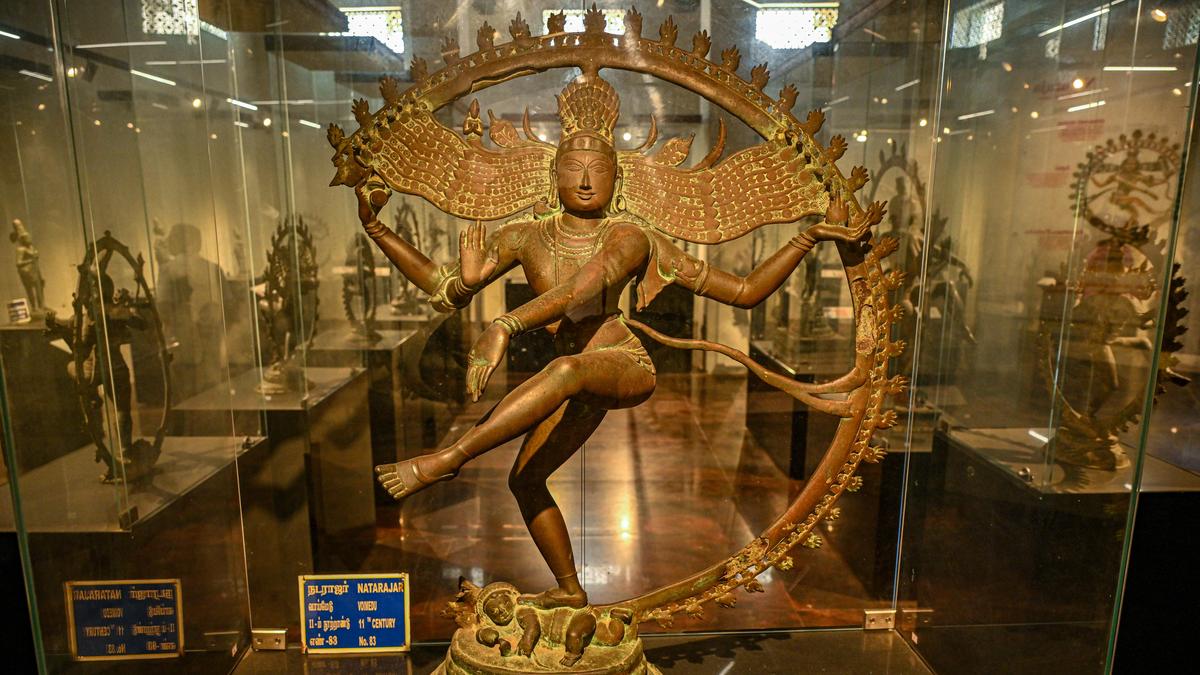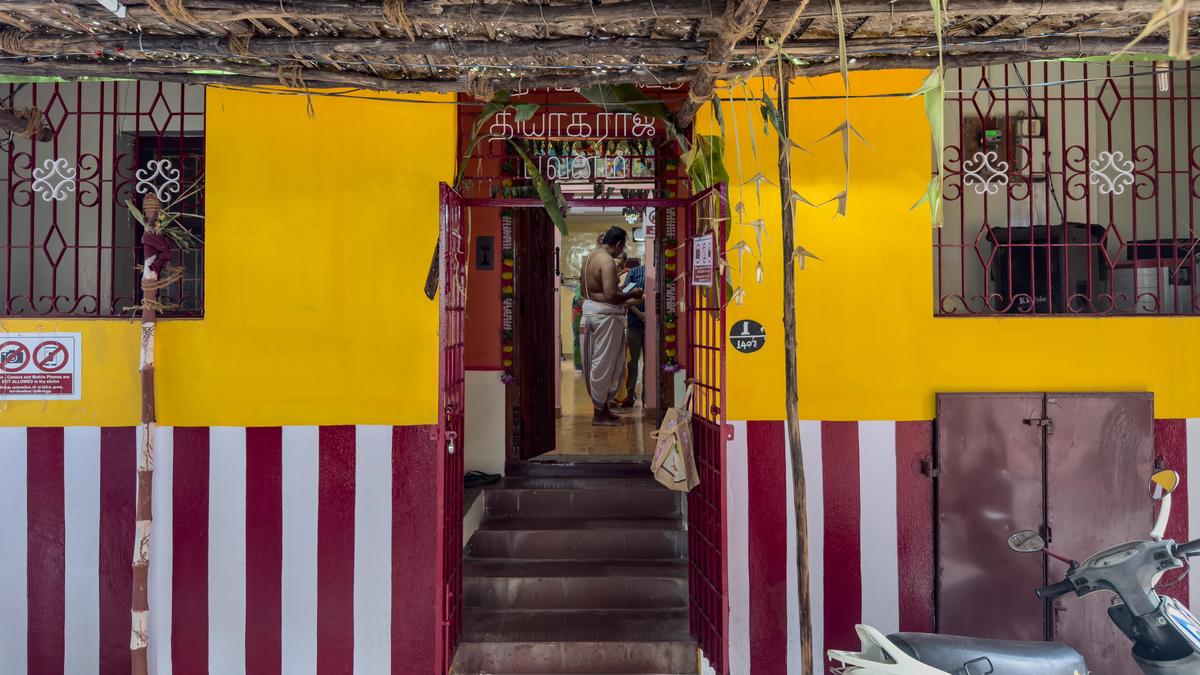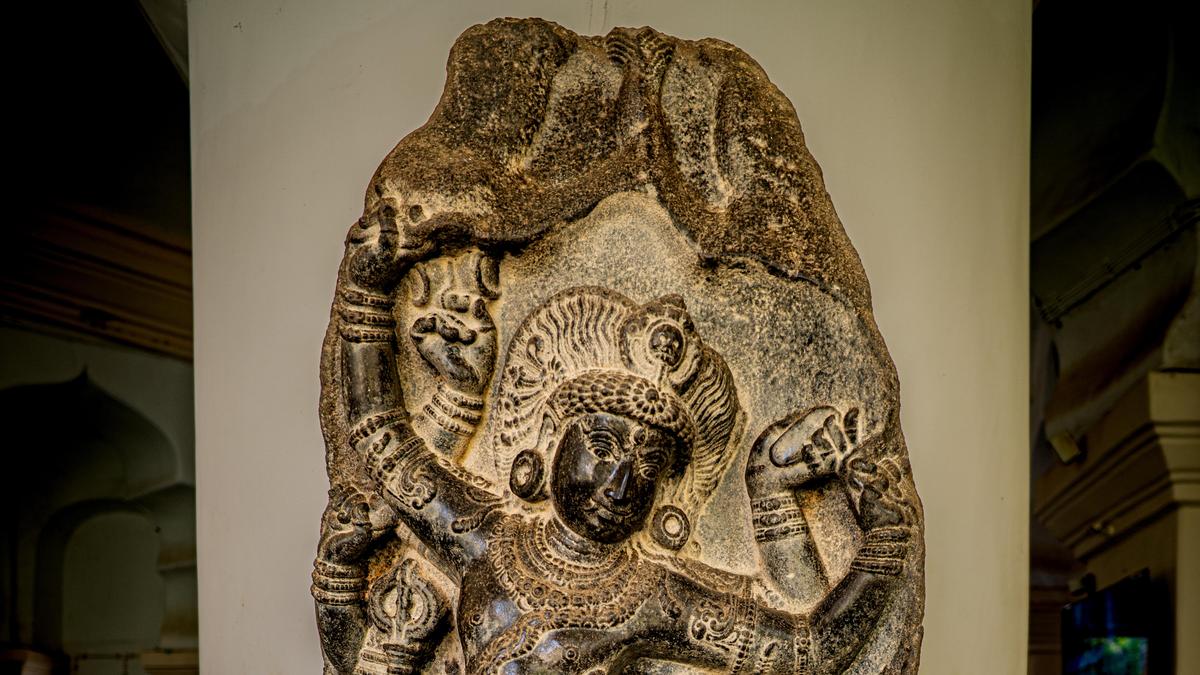
Vazhuvur, a small town in Mayiladuthurai district, occupies a special place in both the Saivite tradition and the history of Bharatanatyam. It is one of the Ashta Veerattanams — the eight sacred shrines where Lord Shiva is believed to have manifested his valour through heroic deeds.Vazhuvur is equally renowned as the birthplace of Vazhuvoor Ramaiah Pillai, one of the foremost Bharatanatyam gurus of the 20th century, who also choreographed dance sequences for Tamil films. The Vazhuvur bani, one of the principal schools of Bharatanatyam, traces its origins to him.The Veeratteswarar Temple, Vazhuvur, houses an exquisite bronze idol of Gajasamharamurti, depicting Lord Shiva in his fierce form after slaying the elephant demon Gajasura. Widely regarded as one of the masterpieces of Chola bronze art, the image is generally dated to the reign of Rajaraja I. It reflects the extraordinary artistic excellence of that period.If Nataraja, Shiva as the Cosmic Dancer, embodies the philosophy of cosmic balance, Samharamurti represents the deity’s fierce and destructive aspect. According to T.A. Gopinatha Rao, author of The Elements of Hindu Iconography, the Samharamurti form of Shiva is known by several names, each denoting the destruction of a particular malevolent demon. In this manifestation, Shiva is called Gajasamharamurti, the slayer of the elephant-demon Gajasura. In Tamil, he is revered as Yanai Uritha Thevar—the Lord who flayed skin of the asura after it had assumed the form of an elephant.
Chola idols of Gajasamharamurti in Tamil Nadu depict Lord Shiva’s valour and ferocity
Explore the fierce Gajasamharamurti idol of Shiva, a Chola masterpiece symbolizing valor and artistic excellence in Vazhuvur.
795 words~4 min read