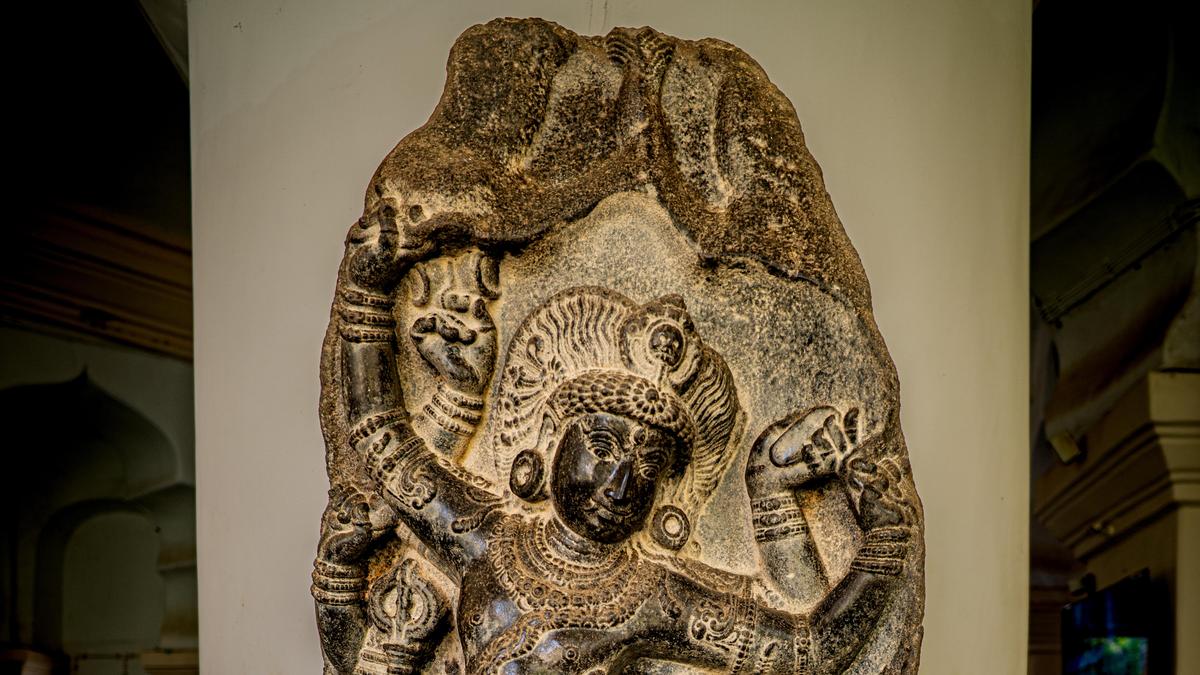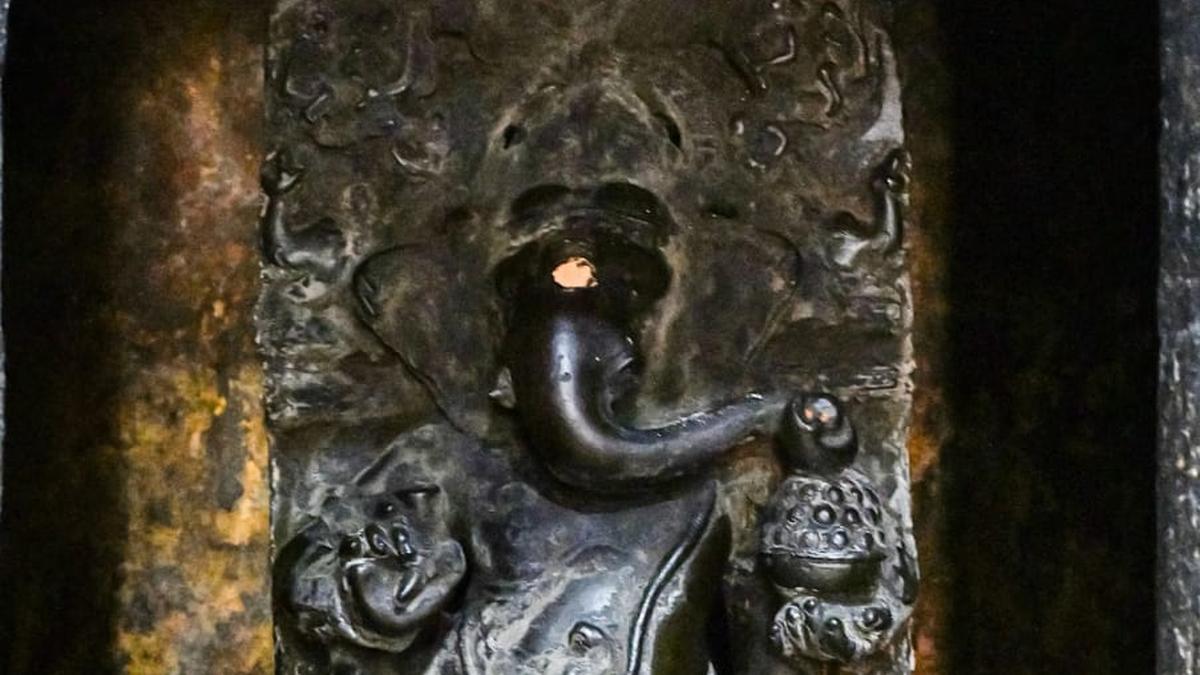
On the left side of the entrance to the sanctum sanctorum of the Nageswaran Temple in Kumbakonam of Thanjavur district stands an unusual statue of Pillaiyar (Lord Vinayagar), adorned with a serpent worn as a sacred thread. Worshipped as Gangaikonda Vinayagar, the idol was brought to the Nageswaran Temple — known as Kudanathi Keezhkottam — by the Chola king Rajendra I following his conquest of Bengal.
“The deity, depicted in a standing posture, is a creation of the Pala dynasty, which ruled in Bihar and Bengal from the eighth to the twelfth century. It is one of the many war trophies brought to Tamil Nadu by Rajendra Chola,” notes Kudavayil Balasubramanian in his book Rajendra Cholan – Victories, Capital, Temples. Stone inscriptions and literary works record the artefacts and sculptures brought by Chola kings from various countries after their conquests.
The Vinayagar in the Nageswaran Temple, facing north, is shown with four hands: one holding a modakam (or kolukattai, a rice-based delicacy), one a broken tusk, one a strand of rudraksha beads, and one a parasu (axe). He is depicted eating the kolukattai with his tusk, while a mouse sits at his feet.
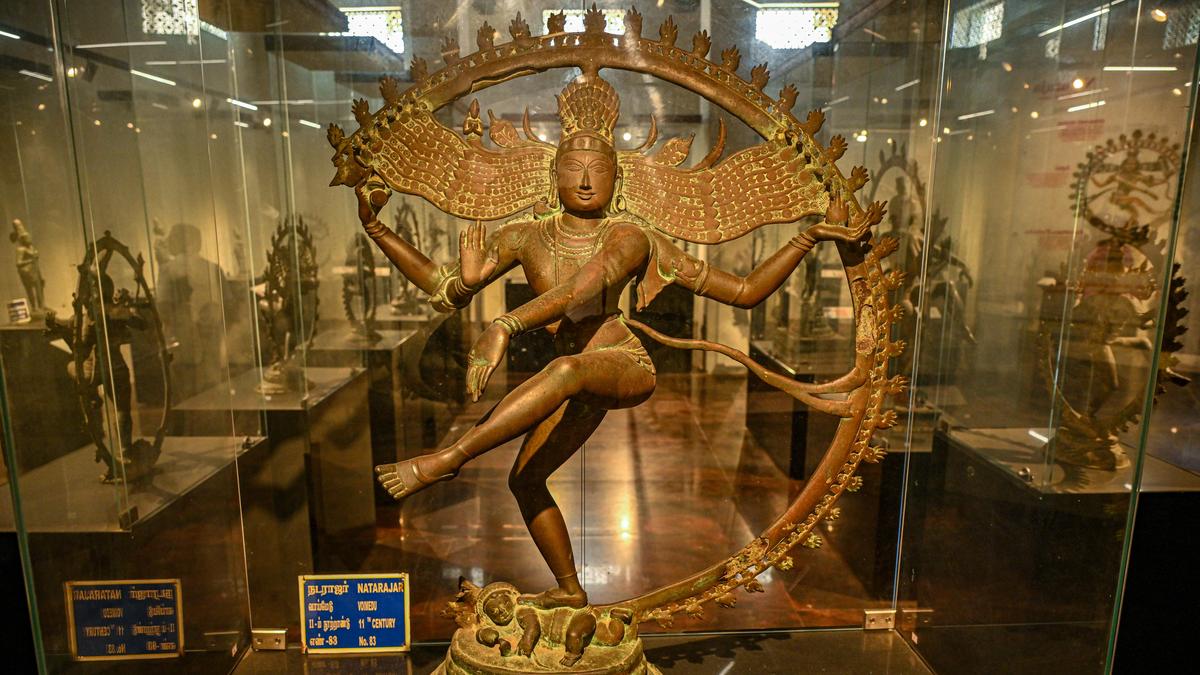
Mr. Balasubramanian says the beauty of the idol impressed the sculptors of the Chola Kingdom, who were renowned for their expertise in bronze casting. “A sculptor cast a copy of the Pala dynasty Vinayagar in bronze. It was found buried in Muthupet in Tiruvarur district and is now on display at the Thanjavur Art Gallery,” he writes.