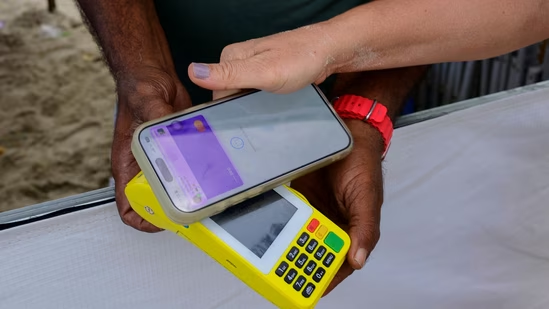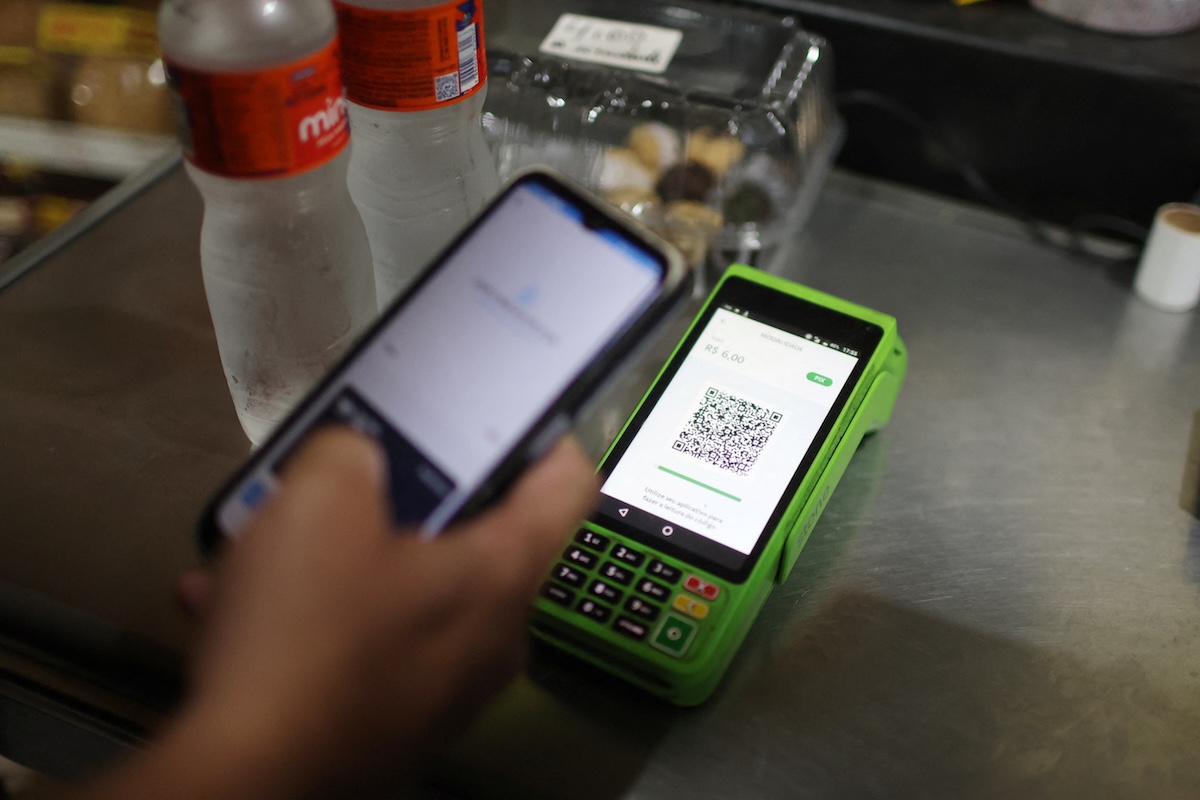
The US just picked a fight with a payment app. And not just any payment app, but one used by 170 million people that processes roughly $6.7 trillion in annual transaction volume.
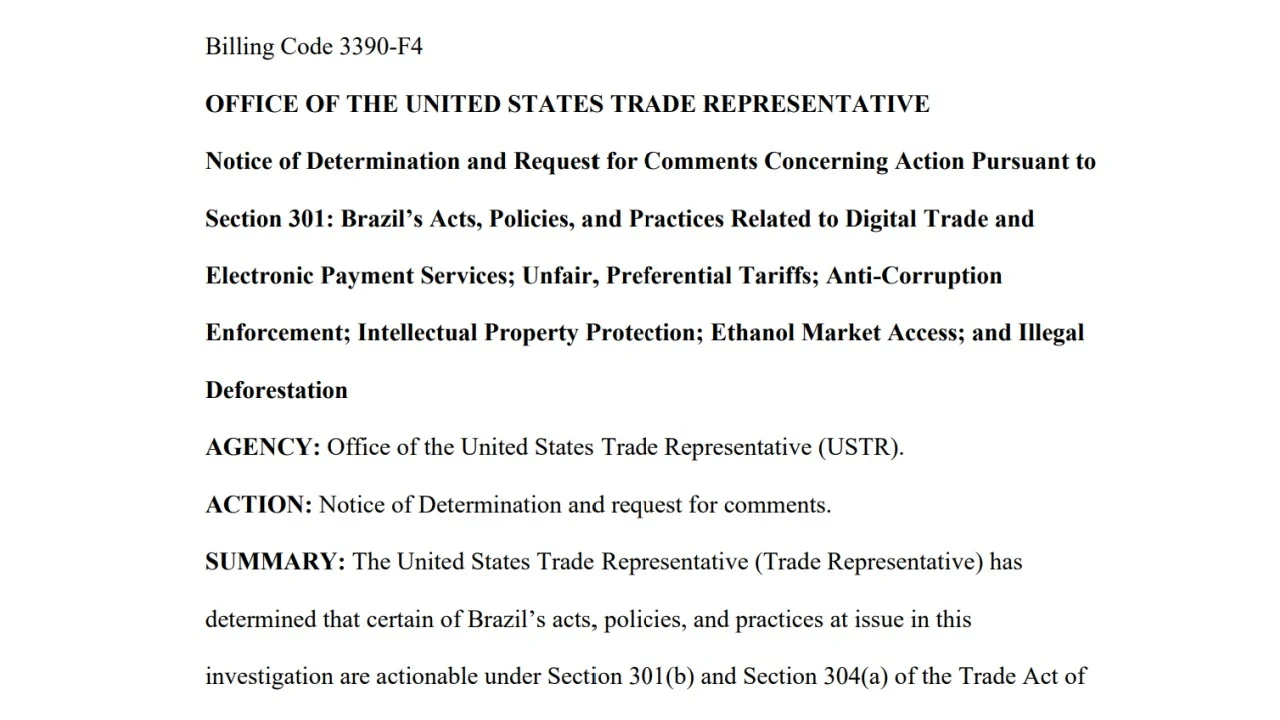
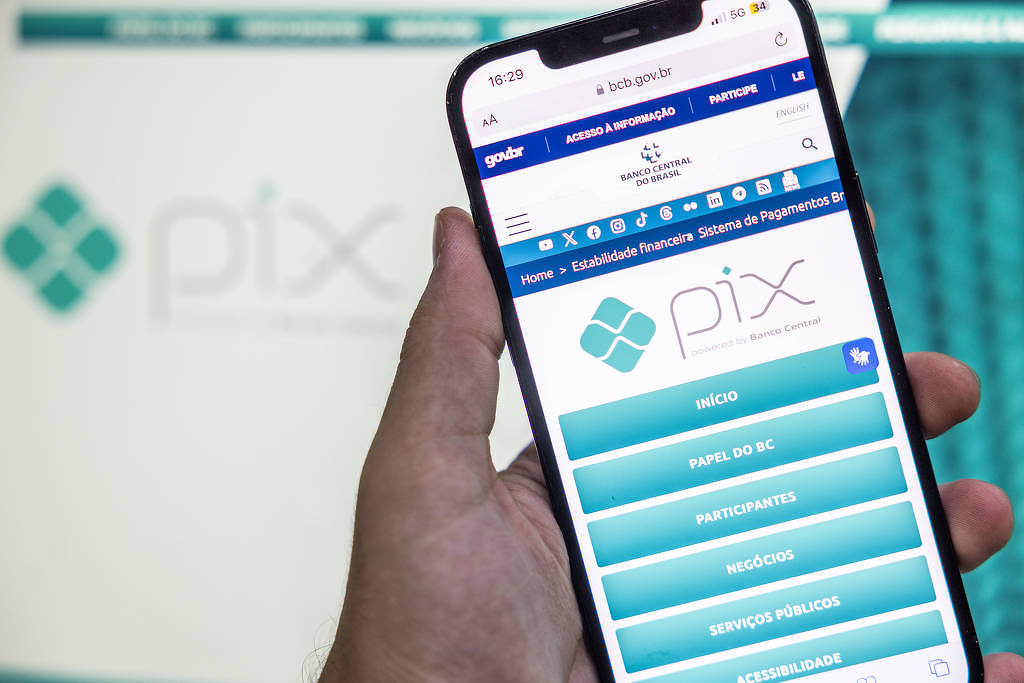
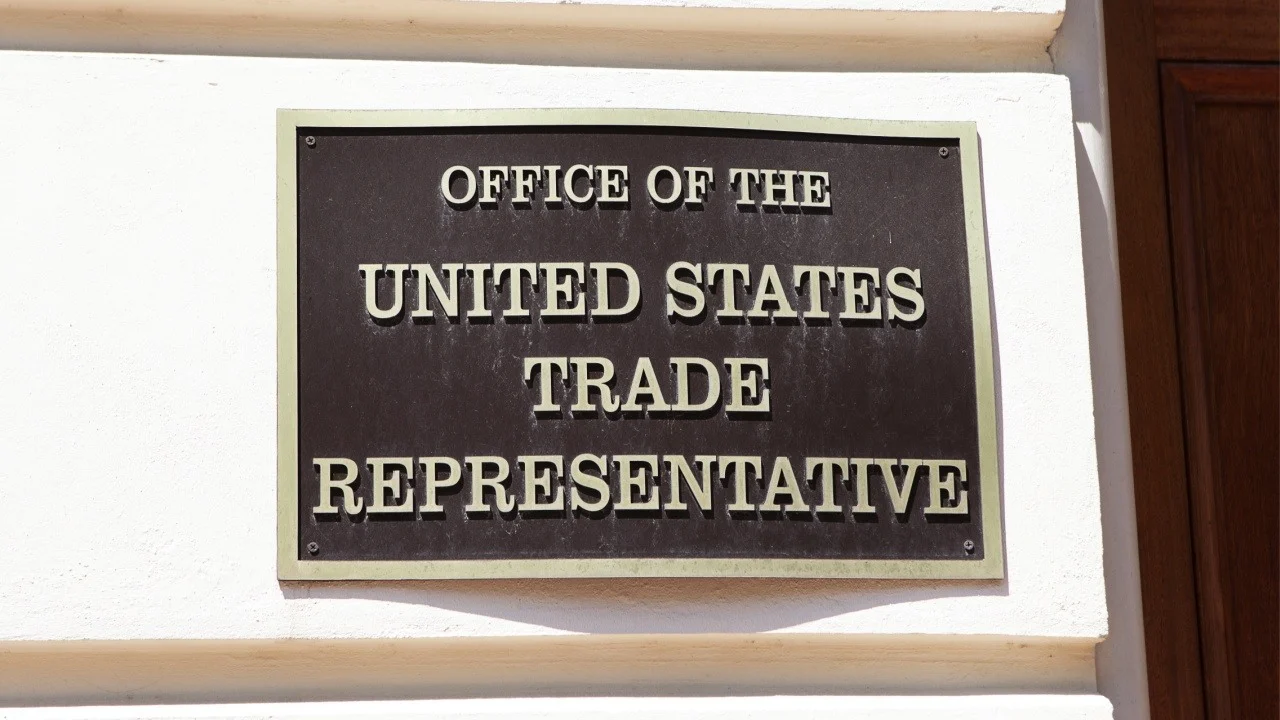
Brazil’s Pix instant payment system, a government-run network launched by the country’s central bank in 2020, has become the centerpiece of a brewing trade war between the two largest economies in the Western Hemisphere. The Trump administration announced 25% tariffs on select Brazilian imports the week of July 21, directly citing Pix as an unfair trade barrier that disadvantages American payment companies like Visa and Mastercard.
What Pix actually is, and why Washington hates it
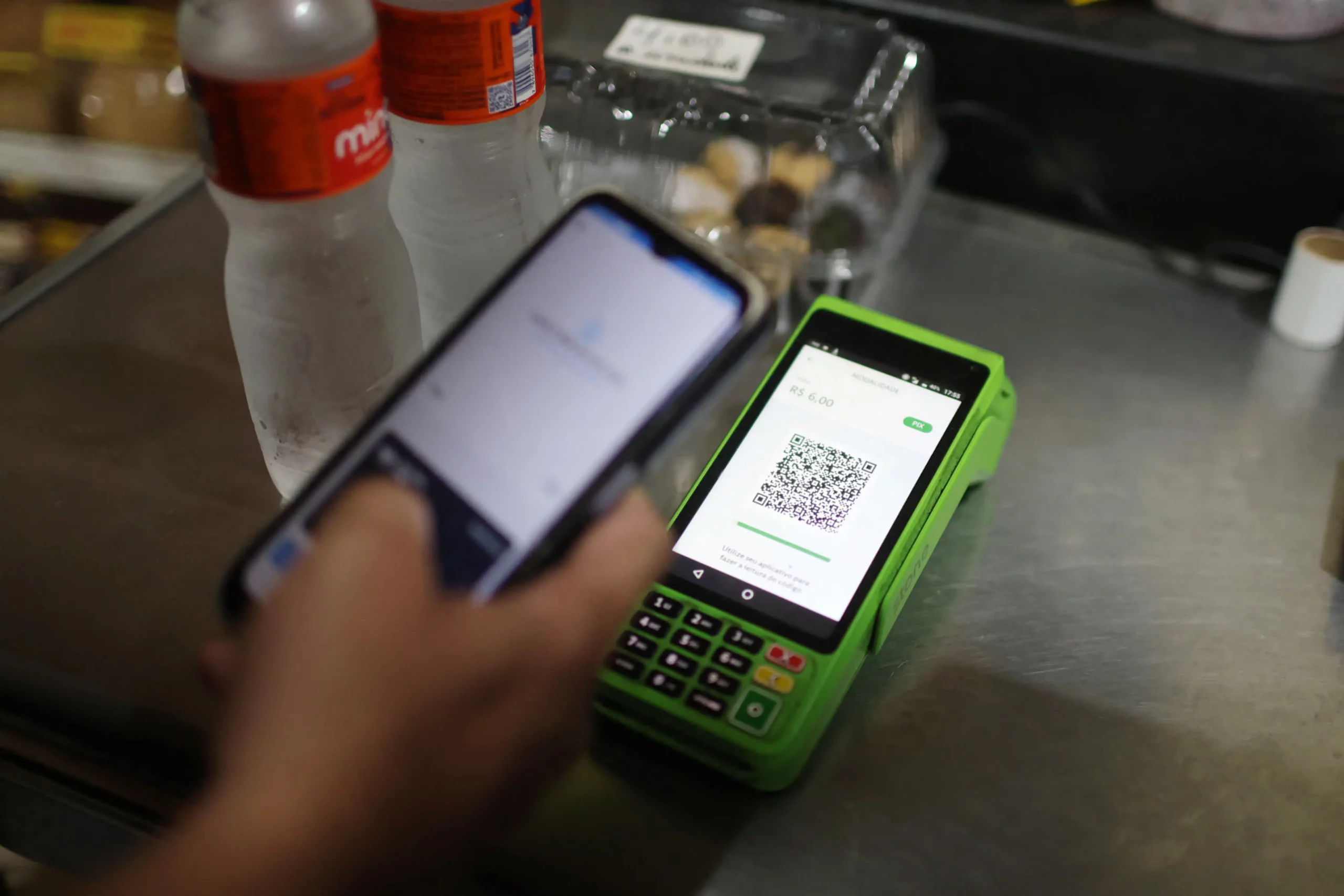
Think of Pix as Brazil’s version of Venmo, except it’s run by the central bank, it’s free to use, and roughly 80% of the population is on it. It launched in November 2020 and achieved the kind of adoption curve that most fintech startups would trade their entire cap table for.
The system handles instant payments between individuals, businesses, and government entities. No intermediaries, no transaction fees for consumers, no waiting days for settlement. In English: it cut Visa and Mastercard out of a massive chunk of Brazil’s payment flow almost overnight.