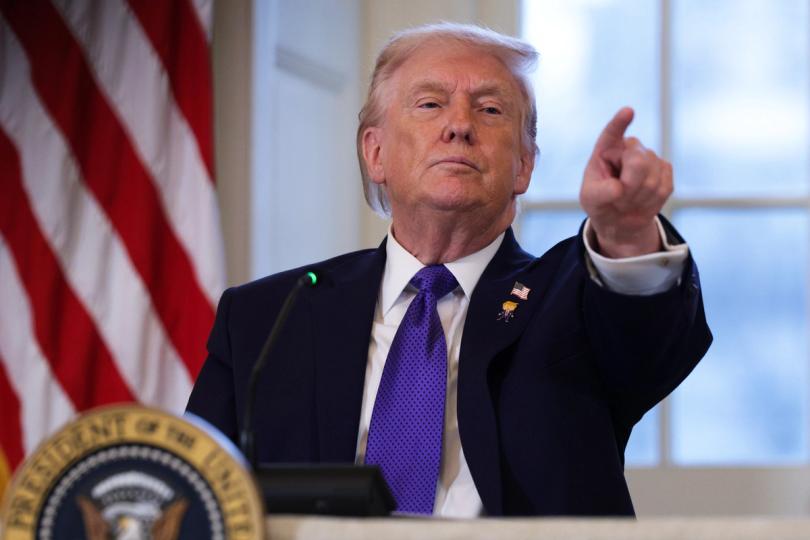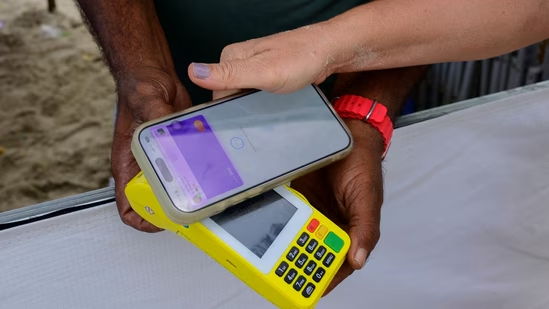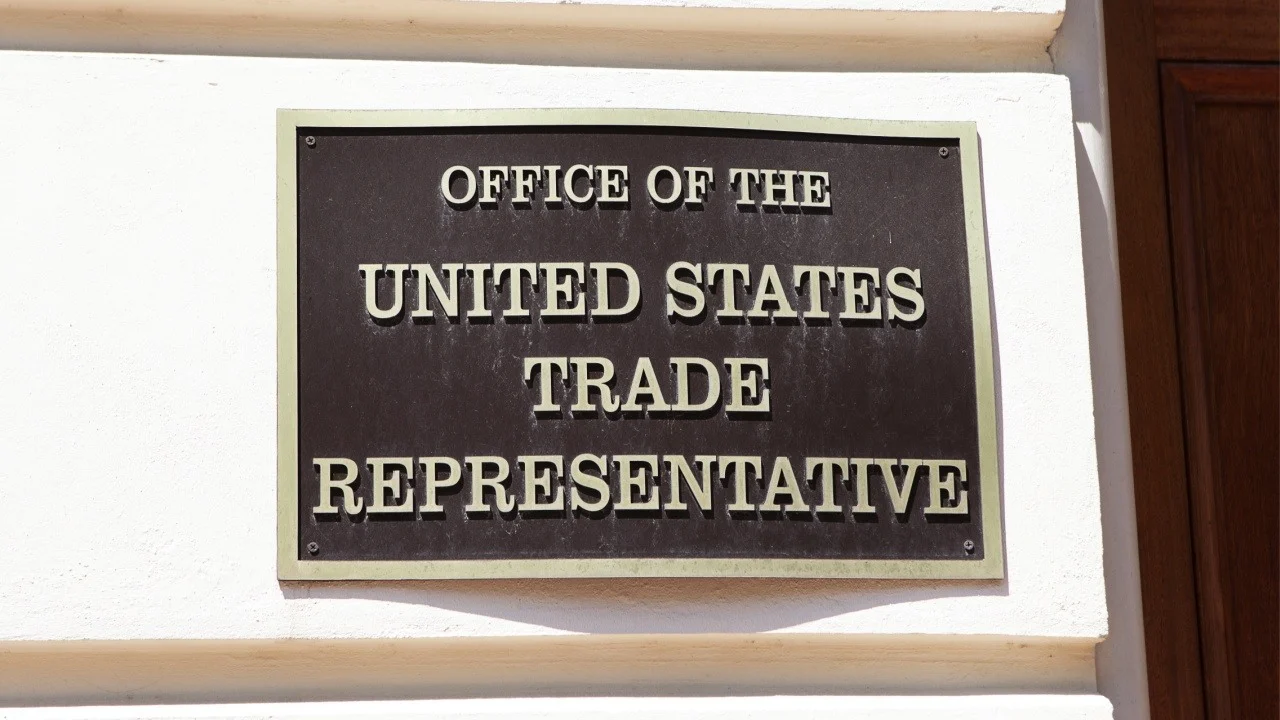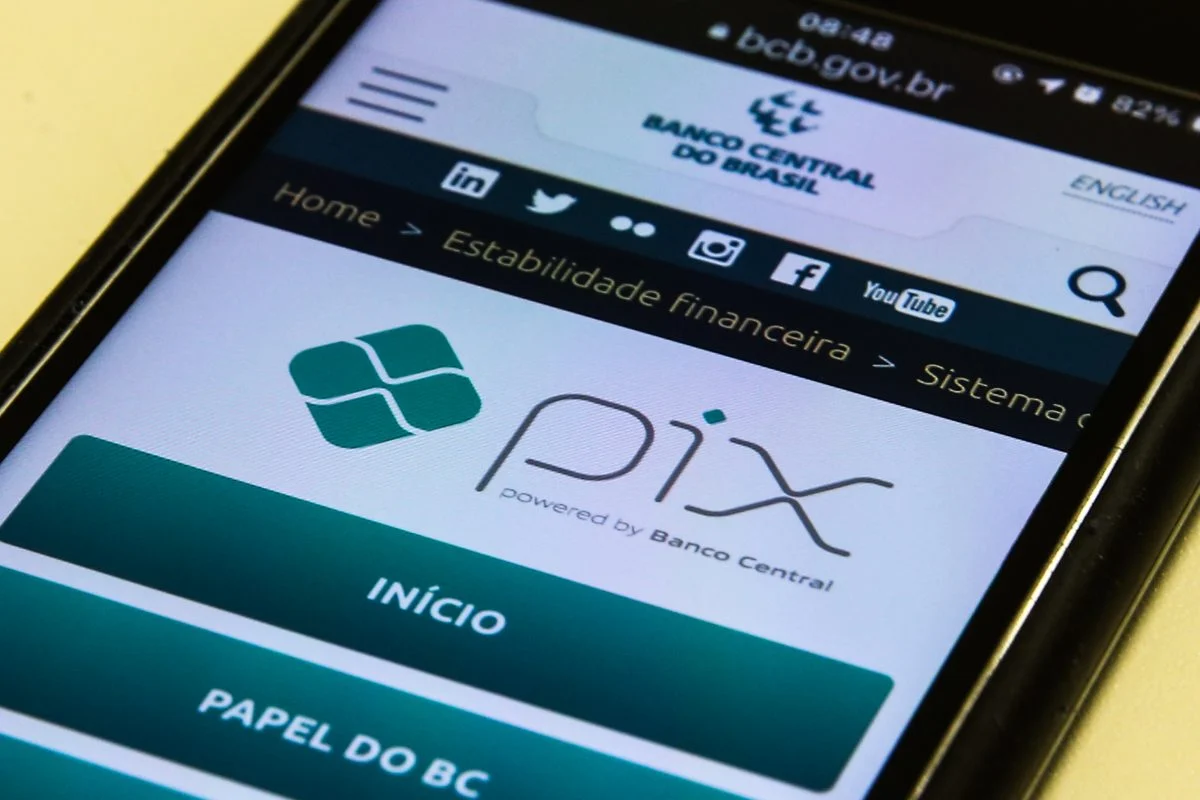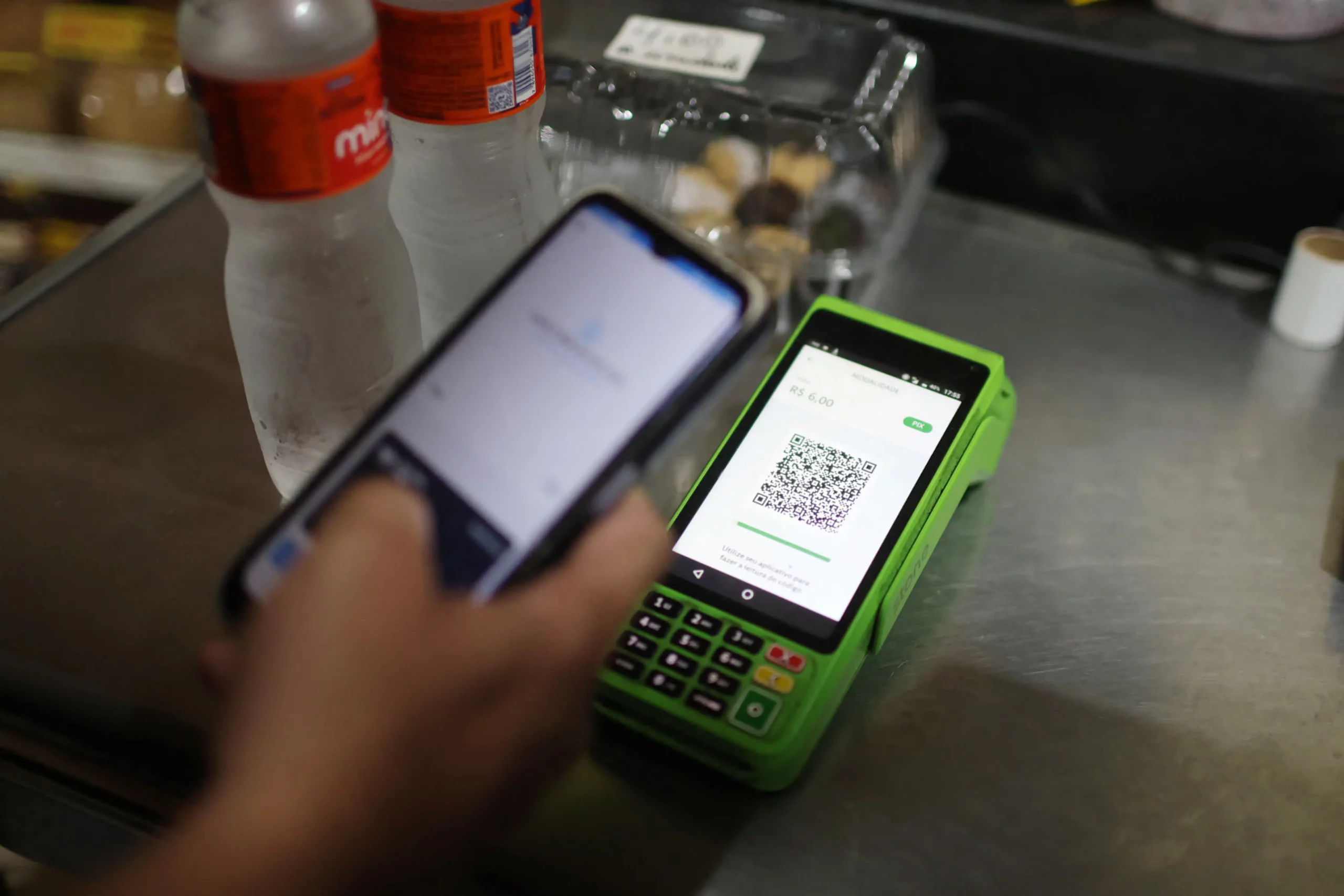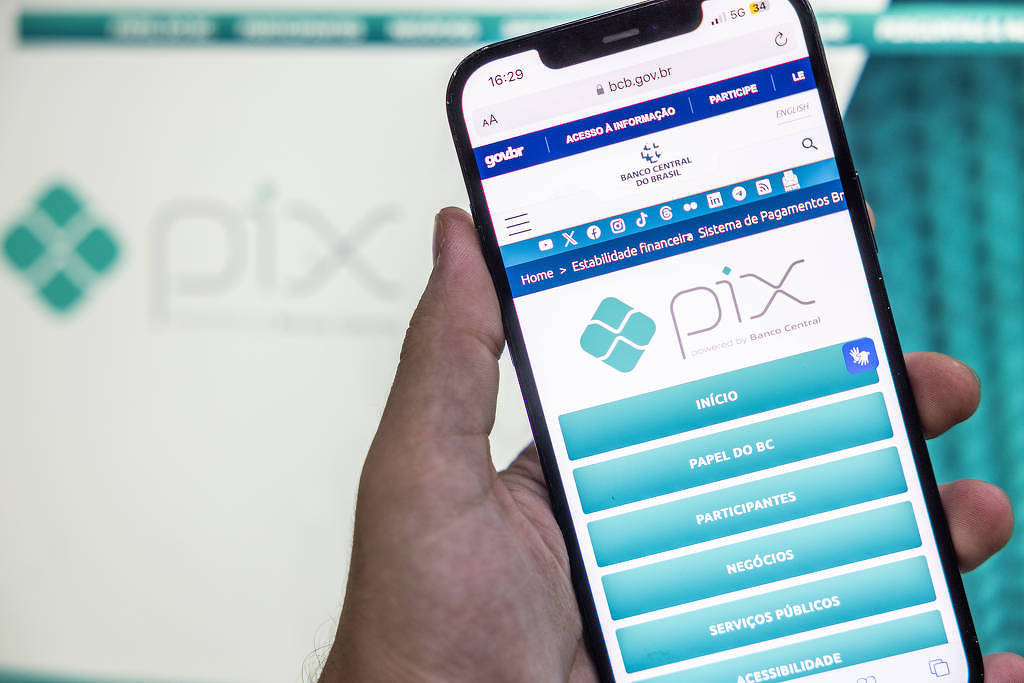
Caught in the crosshairs of the new round of tariffs imposed by the Trump administration, Pix, the instant payment system that revolutionized financial transactions in Brazil and has become one of the country's most popular financial tools, has emerged as the centerpiece of an international dispute over who controls the world's money rails.
Although the clash originated in the trade war with the United States, the debate also centers on geopolitical influence and digital and monetary sovereignty.
The dispute is not merely about financial intermediaries, such as debit and credit card networks, or the possibility that they could lose revenue and market share as public digital infrastructure expands. It is also about power.
It's not that card networks have become irrelevant—card usage in Brazil has actually increased alongside the expansion of Pix. But they may no longer be indispensable in the future, and the United States wants to maintain control over payment systems around the world because doing so gives it geopolitical leverage.
For example, decisions by the Trump administration include sanctions against individuals and institutions that deny them access to formal banking channels controlled by the United States. A recent example is Francesca Albanese, the UN Special Rapporteur, whose access to U.S. banking systems was restricted because of her criticism of U.S. policy in Gaza.