Brazil’s instant-payment system Pix has moved from a domestic success story to the centre of a trade fight with the United States, and governments elsewhere are watching how it ends.
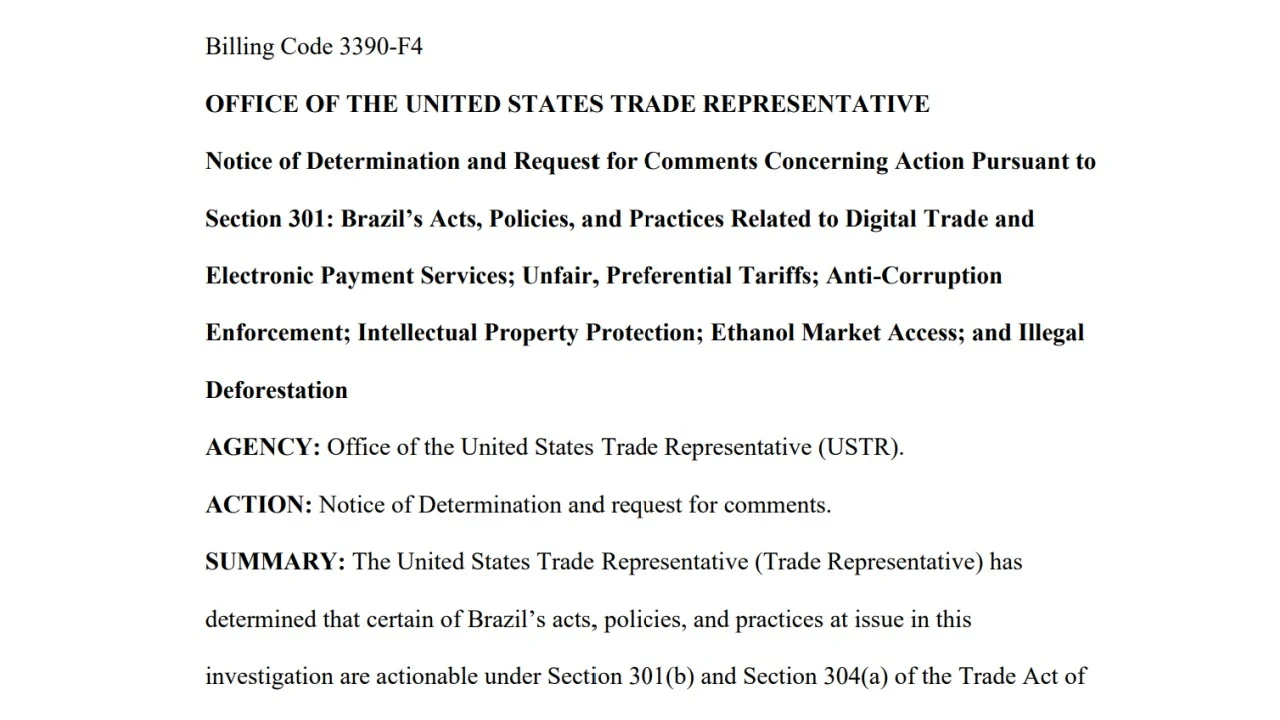
The dispute hardened in June, when the Office of the US Trade Representative (USTR) determined that Brazil’s practices around digital trade and electronic payments were “unreasonable” and burdened US commerce.
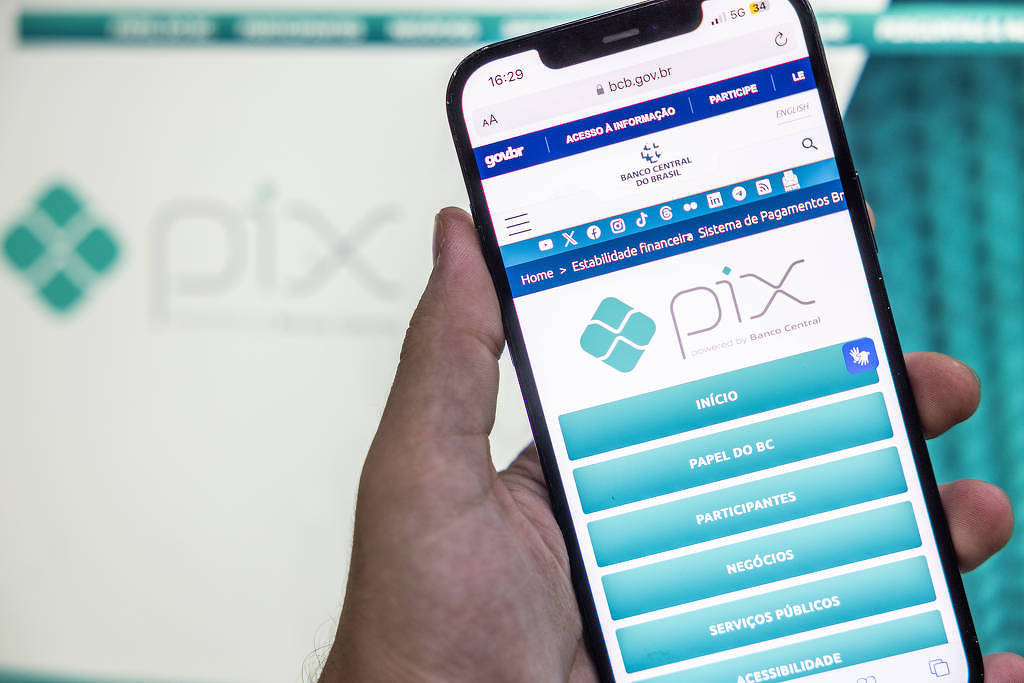
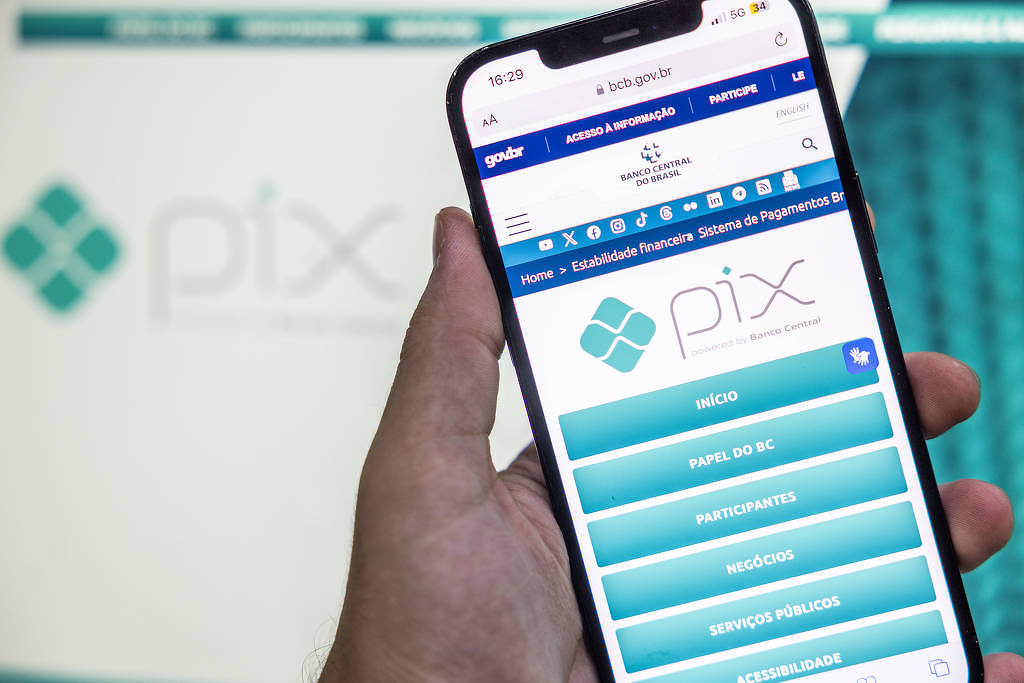
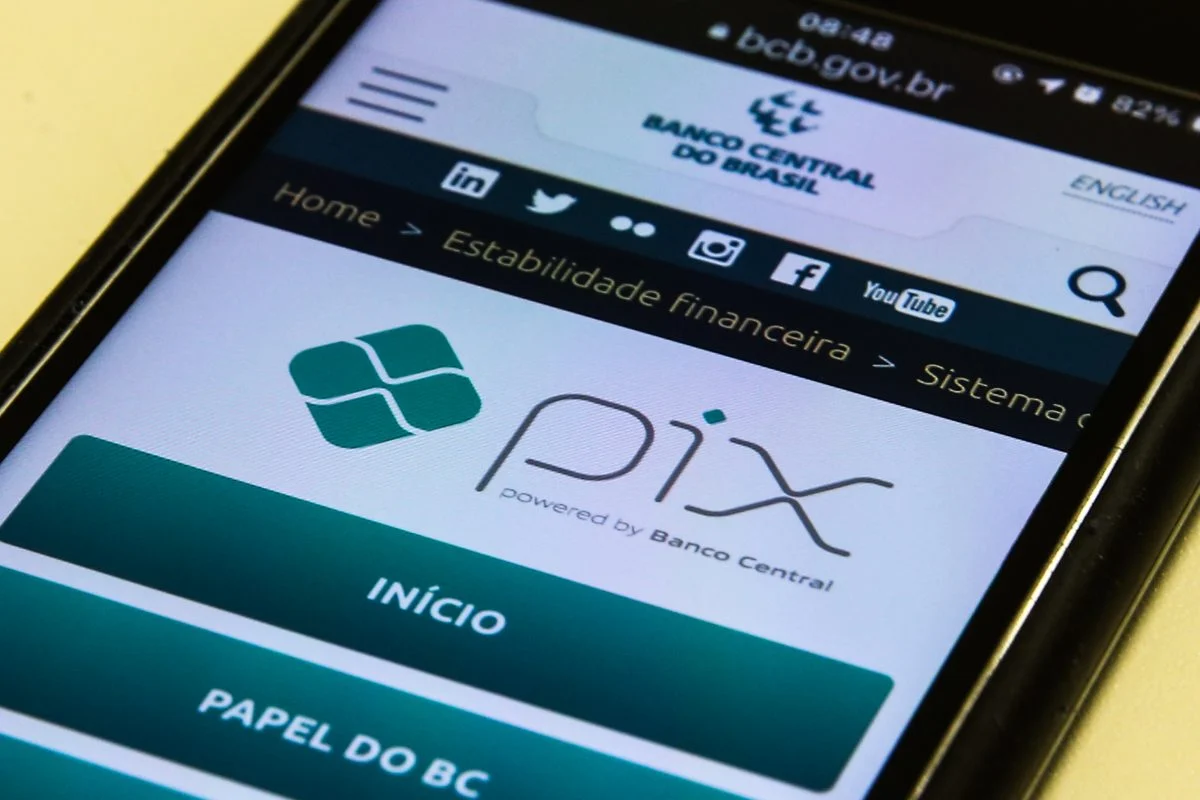
Pix is a real-time payment network built and operated by Brazil’s central bank, which launched it in November 2020.
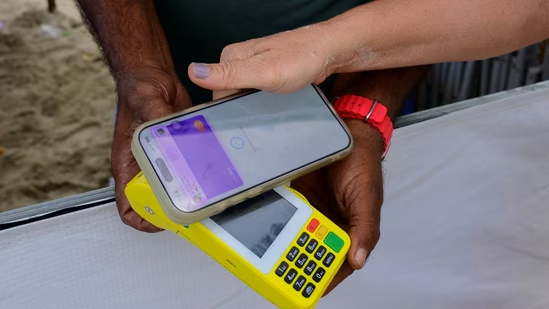
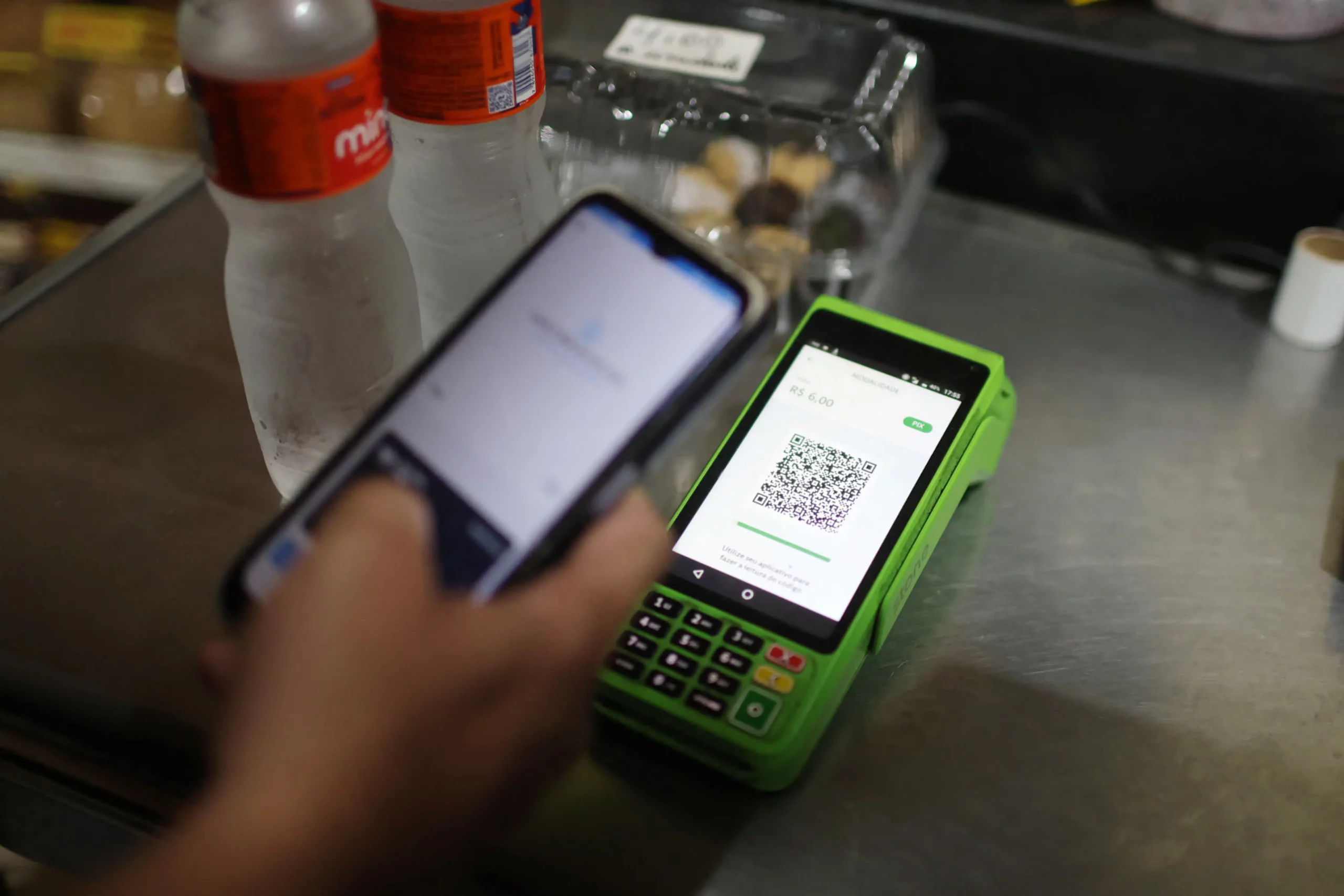
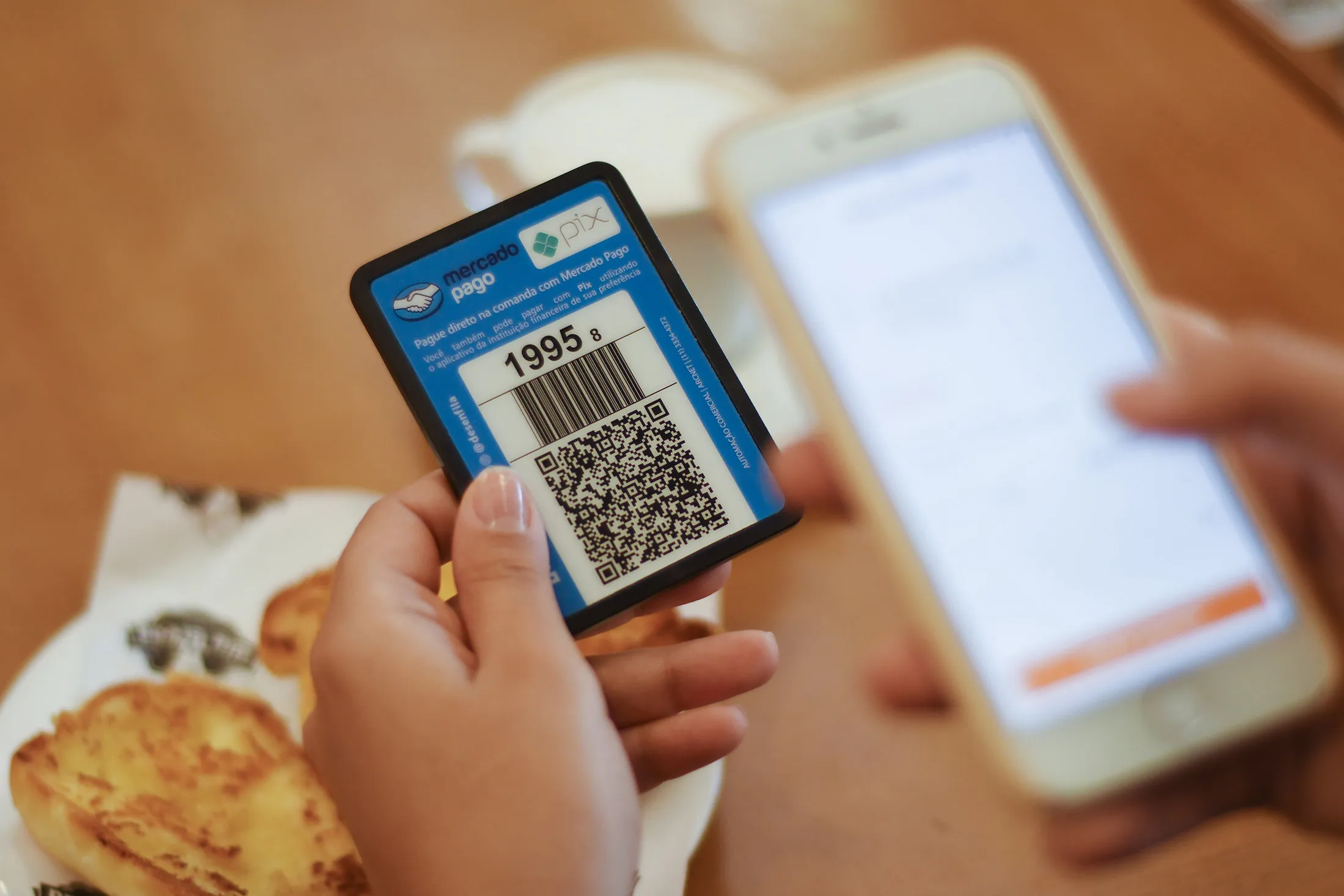
It lets people and businesses move money in seconds using a phone number, email address, or QR code, at no cost to individuals, and it has become one of the most closely studied examples of state-built digital payments infrastructure.
Its scale is hard to overstate. By early 2025, more than 160 million individuals had registered to use Pix, according to central-bank figures, alongside roughly 19 million businesses.