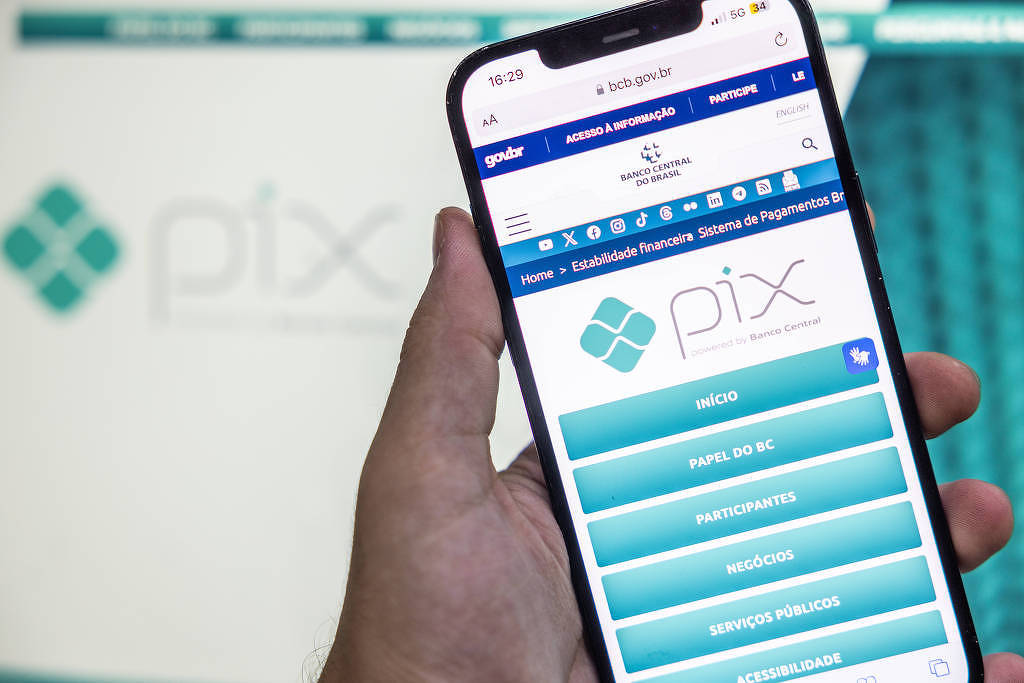
Earlier this month, the Office of the United States Trade Representative launched a formal investigation into Brazil’s trade practices, targeting a particularly beloved and widely used electronic payments platform: Pix.
Digital payment services in Brazil, including Pix, might be discriminatory and restricting U.S. commerce, the USTR said. Unfair trade conditions could be harming American companies, said the agency, possibly referring to the inability of Silicon Valley giants like Google Pay and Apple Pay to expand their digital wallet market in Brazil.
“These companies never managed to gain a strong foothold in Brazil,” Daniel Santos Kosinski, a professor of economics at the State University of Rio de Janeiro, told Rest of World. Because Pix is free to use, it “is an extremely capable competitor and tough to beat.”
Amid escalating tensions between the U.S. and Brazil over tariffs, Donald Trump’s administration has set its sights on the popular payments platform, which has kept Big Tech firms at bay. The USTR investigation aims to not just increase the competitiveness of American companies but also allow them to gain access to valuable consumer data and force Brazil — which has a strong relationship with China — to align more closely with the West, experts said.