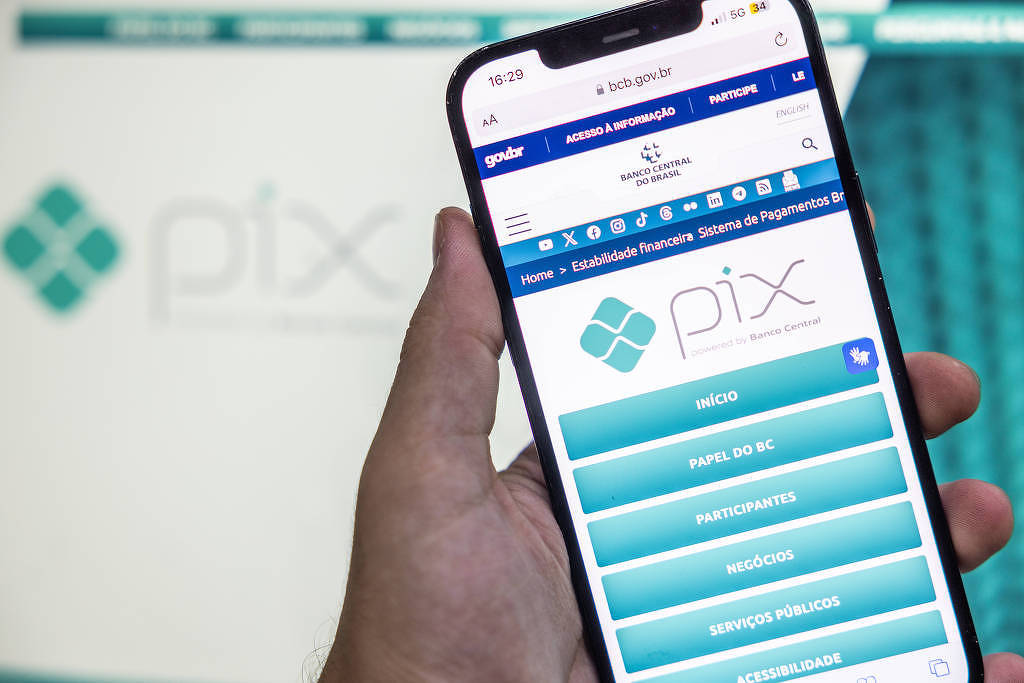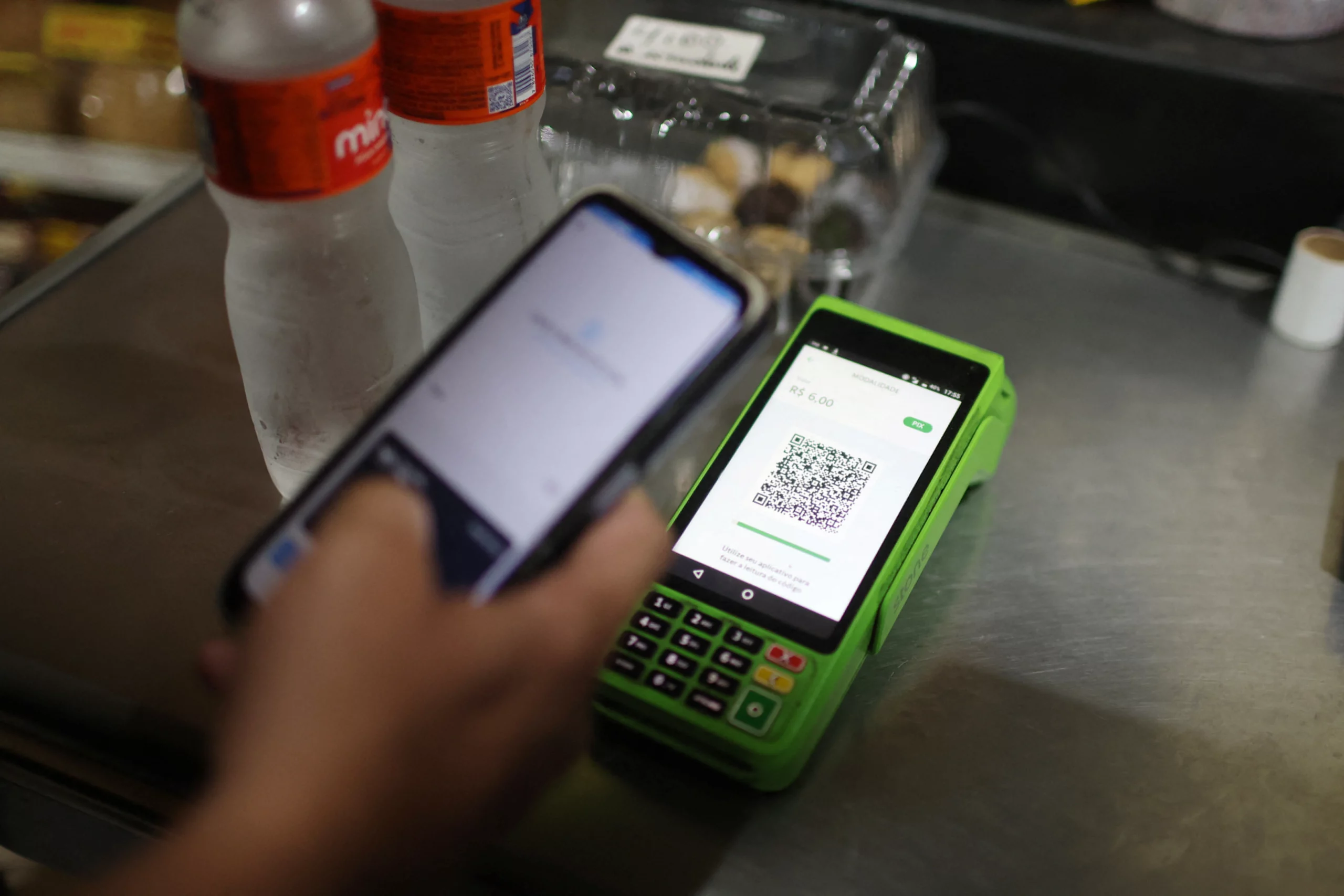
SAO PAULO (AP) — Brazil is a politically divided country, but there’s one thing that those on all sides of the political spectrum love: PIX, the country’s instant payment system that allows users to pay for everything, from ice cream on the beach to clothes in a shopping mall and even a car.Unlike payment apps run by private banks, PIX is governed Brazil’s Central Bank. Its massive popularity drove $7 trillion in transactions last year, though now it faces scrutiny from the U.S. government over claims of unfair trade practices for bypassing traditional credit networks like Visa and Mastercard.“The best (payment method) is PIX, the most used,” said Luis Felipe de Almeida, a 21-year-old vendor of iced tea and cassava starch biscuits on Ipanema beach in Rio de Janeiro. “No one walks around with cash anymore, everyone just uses their phone, so they use PIX.”
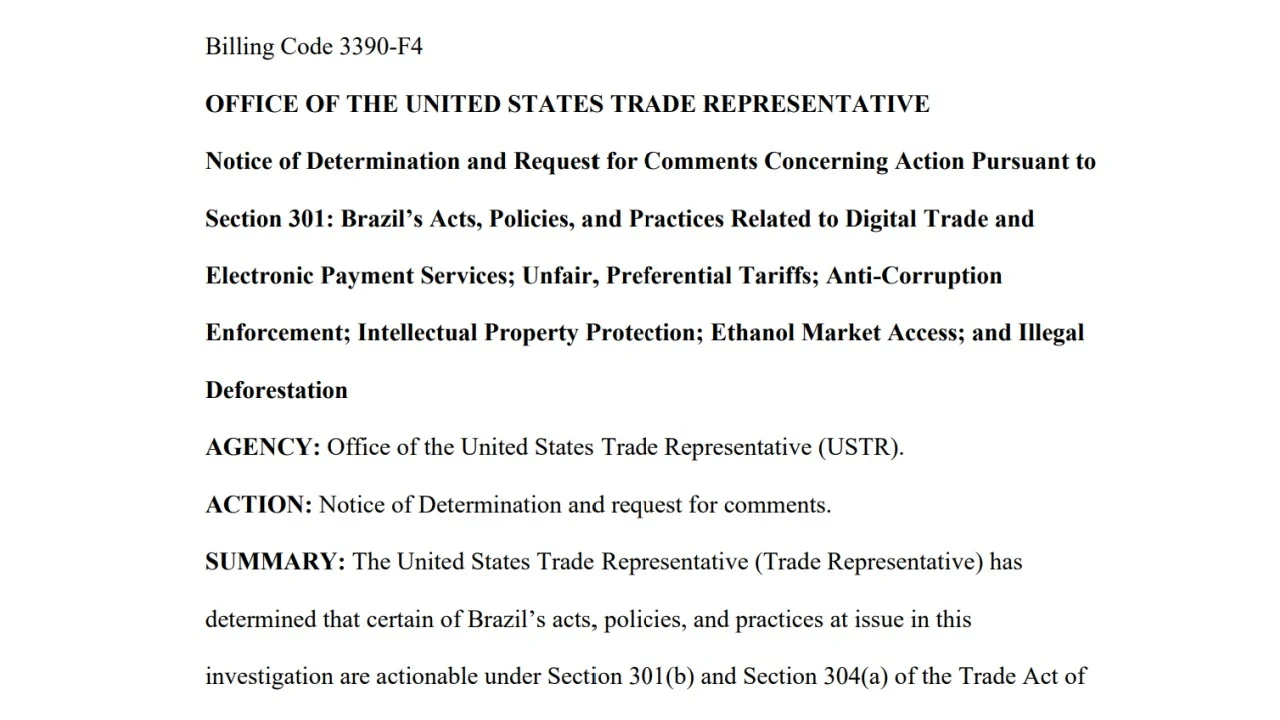
US claims unfair competitionLaunched in 2020, PIX allows anyone with a Brazilian individual taxpayer identification, registered companies or government entities to transfer funds in real time. The only requirement is a Brazilian bank account.PIX also works with QR codes. Individuals pay zero fees for PIX transfers, and while some banks charge companies a fee for transactions, they are significantly lower than regular bank transfers in Brazil, which could also take hours to be completed. In July, the Office of the U.S. Trade Representative (USTR) of U.S. President Donald Trump opened an inquiry into PIX, alleging it imposes unfair competition to U.S. credit card operators because it offers an alternative to transaction fees.India has a similar payment system which is not being challenged by USTR, despite processing $300 billion in payments just in March. Similarly, it has no transaction fees.