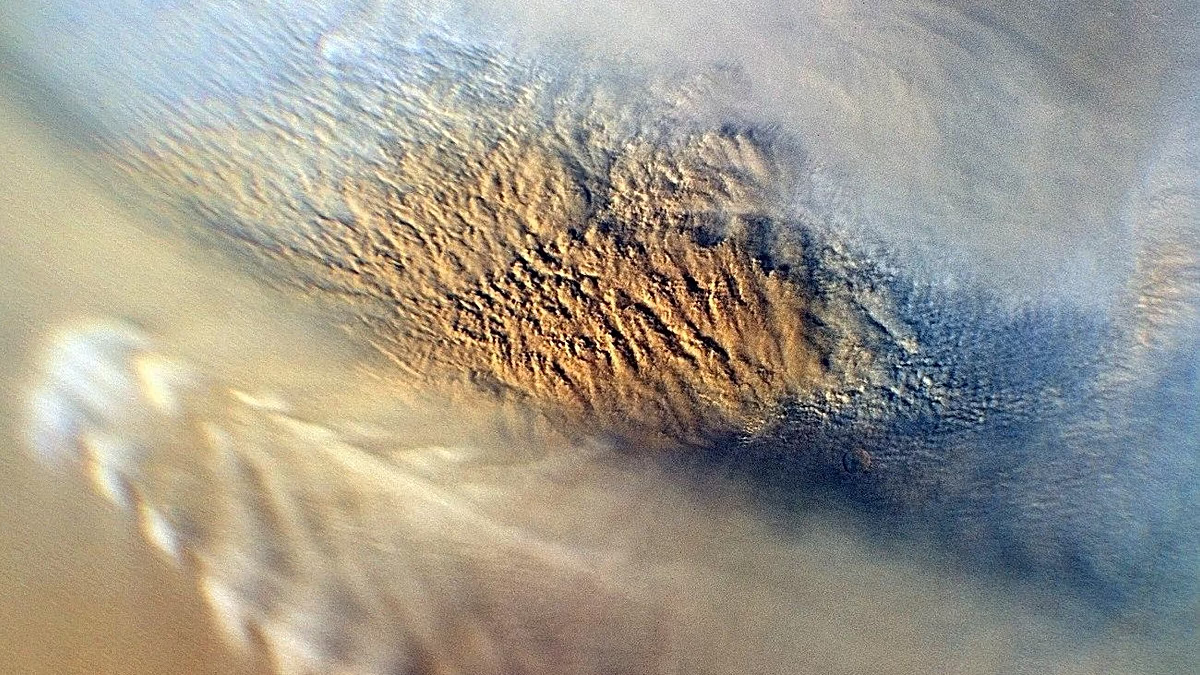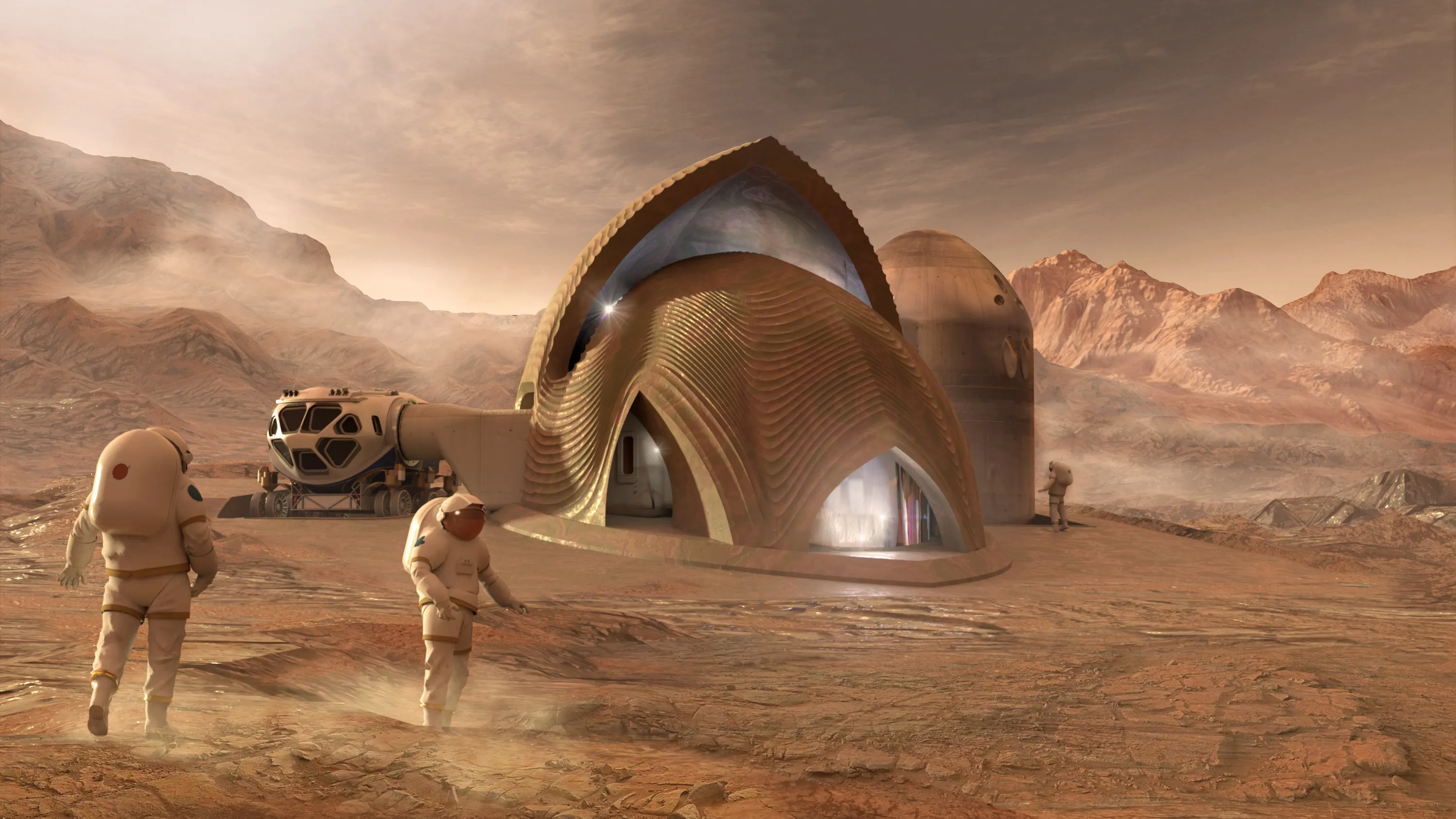
Human exploration of Mars will expose crews to a persistent, fine particulate environment whose physicochemical properties and health implications remain only partly understood. Because no samples of authentic Martian airborne dust have been returned to Earth, NASA must rely on lunar dust toxicology, Martian regolith simulants, and extensive rover/lander geochemical and mineralogical datasets to develop an initial, risk‑informed Permissible Exposure Limit (PEL). The Johnson Space Center (JSC) Lunar and Martian Dust Risk Custodian, the JSC Toxicology group, and the OCHMO Standards team worked together to draft a preliminary standard for incorporation into NASA-STD-3001 NASA Spaceflight Human-System Standard, Volume 2: Human Factors, Habitability, and Environmental Health.
The Martian Dust Limit Working Group was assembled to review this draft standard and associated evidence. Across two working sessions in February 2026, panel members reviewed mission architecture drivers, the current scientific understanding of Martian dust composition, and the toxicological evidence base supporting the establishment of a Mars dust PEL. Discussions emphasized the critical interplay between dust standards and Mars mission design elements including Extravehicular Activity (EVA) cadence, dust ingress characteristics, and the performance of habitat environmental control systems; these features highlight the need for a limit that is conservative, verifiable, and adaptable as the Mars architecture evolves. Panel members for the Working Group were David Damby, Claire Horwell, Brian Hynek, Shaunna Morrison, and Joyce Tsuji; NASA presenters were Katie Borremans, Elizabeth Rampe, and Torin McCoy; the OCHMO organizers/moderators were Douglas Ebert, David Francisco, and Kim Lowe. The Working Group meetings were also attended by members of Space Medicine and Operations group and JSC Toxicology.