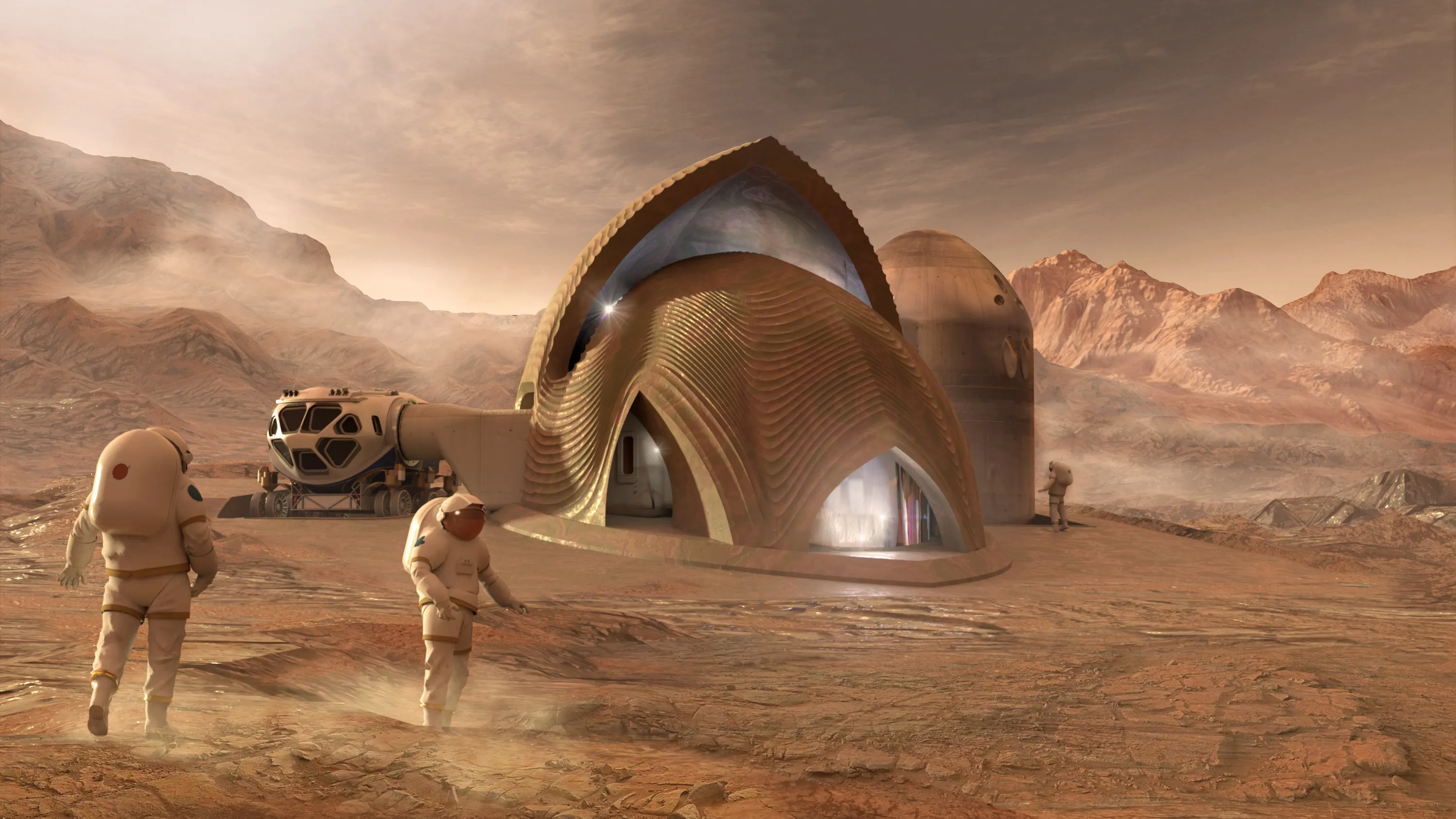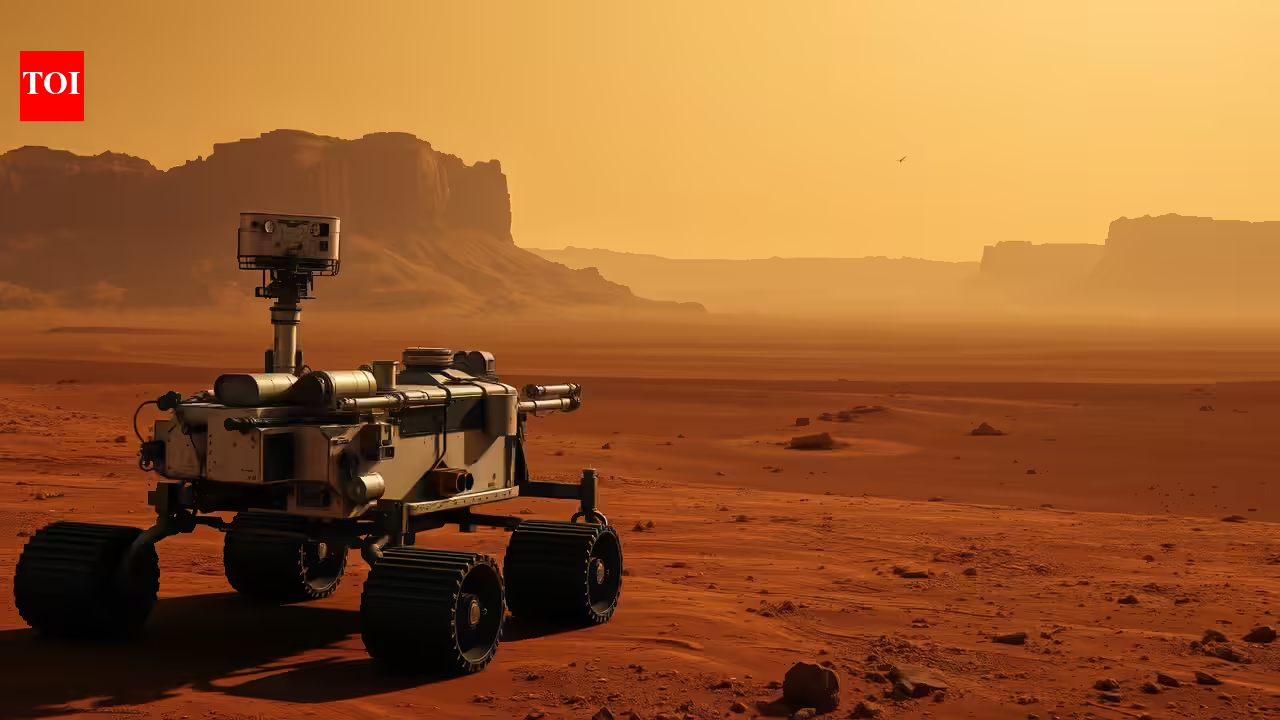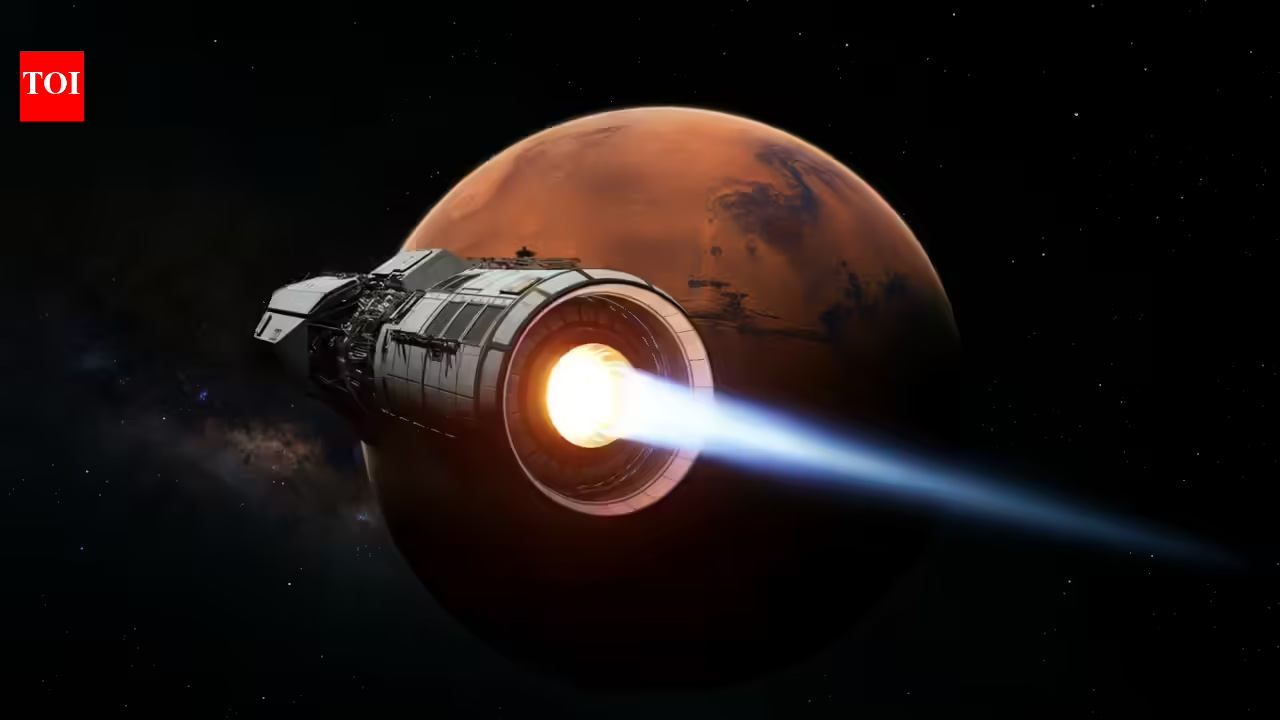
Sending humans to Mars is one of Nasa's greatest ambitions, but the journey presents enormous challenges.
A round trip could take well over a year, exposing astronauts to dangerous cosmic radiation, muscle and bone loss caused by microgravity, psychological stress and the need to carry vast amounts of food, water and supplies.
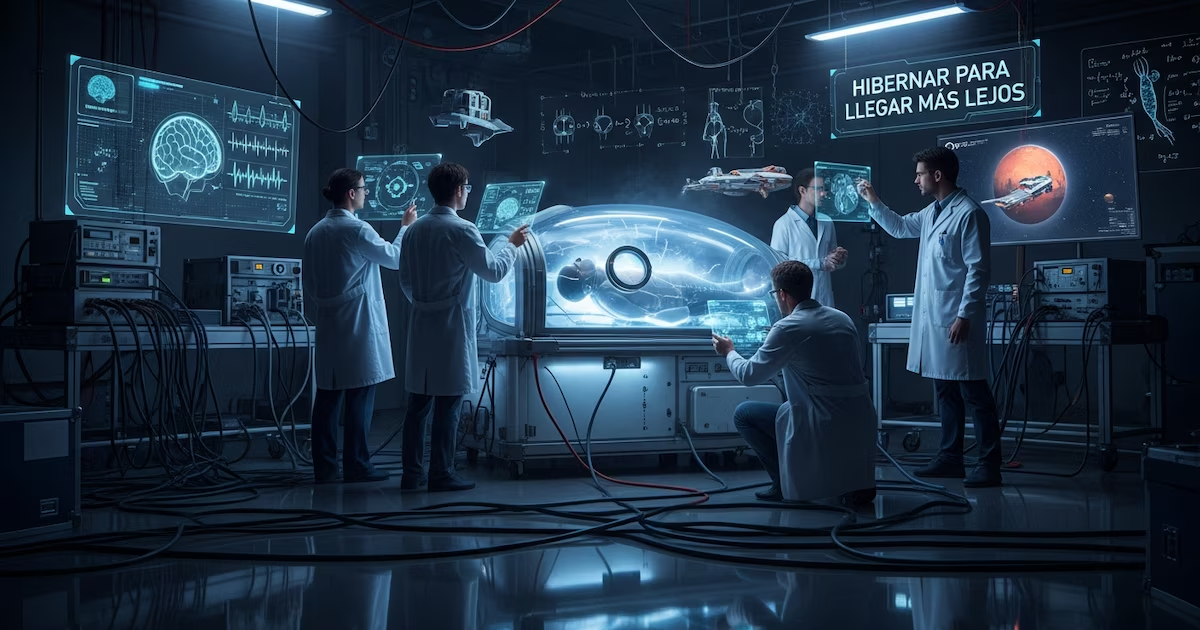
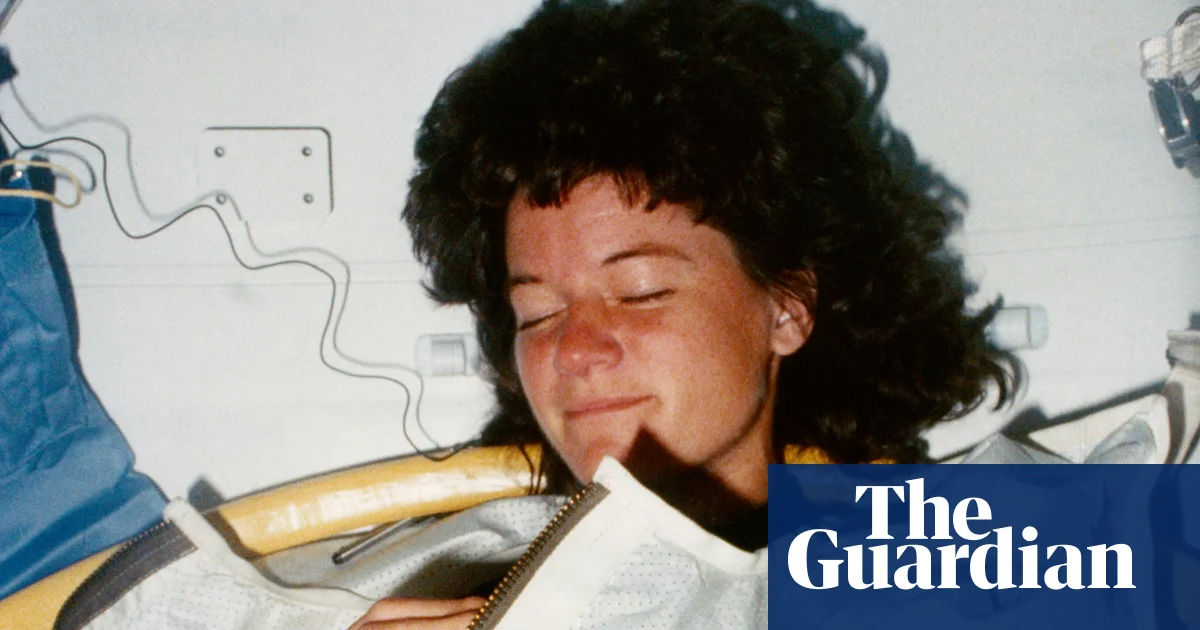
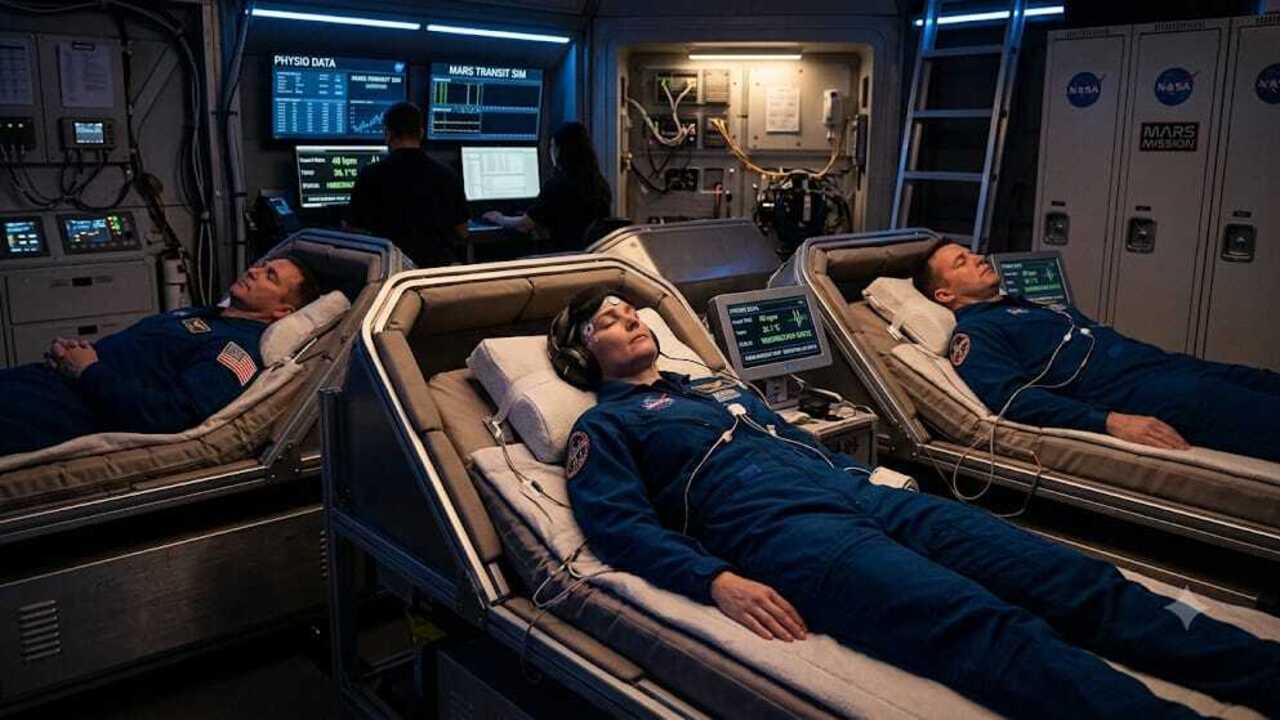
To tackle these obstacles, scientists are investigating a concept that has long belonged to science fiction: placing astronauts into a hibernation-like state during the voyage.
Although true human hibernation is still beyond current medical capabilities, NASA-supported researchers, alongside scientists funded by the European Space Agency (ESA), are making steady progress towards developing a safe form of synthetic torpor that could transform deep-space exploration.Why scientists wanted astronauts to hibernateMany animals, including bears, bats and ground squirrels, naturally enter hibernation to survive harsh conditions.
During this period, their metabolism slows dramatically, they consume very little energy, their heart rate drops and they can survive for months without eating or drinking.According to The Guardian, researchers believe these biological adaptations could help protect astronauts during long-duration space missions.