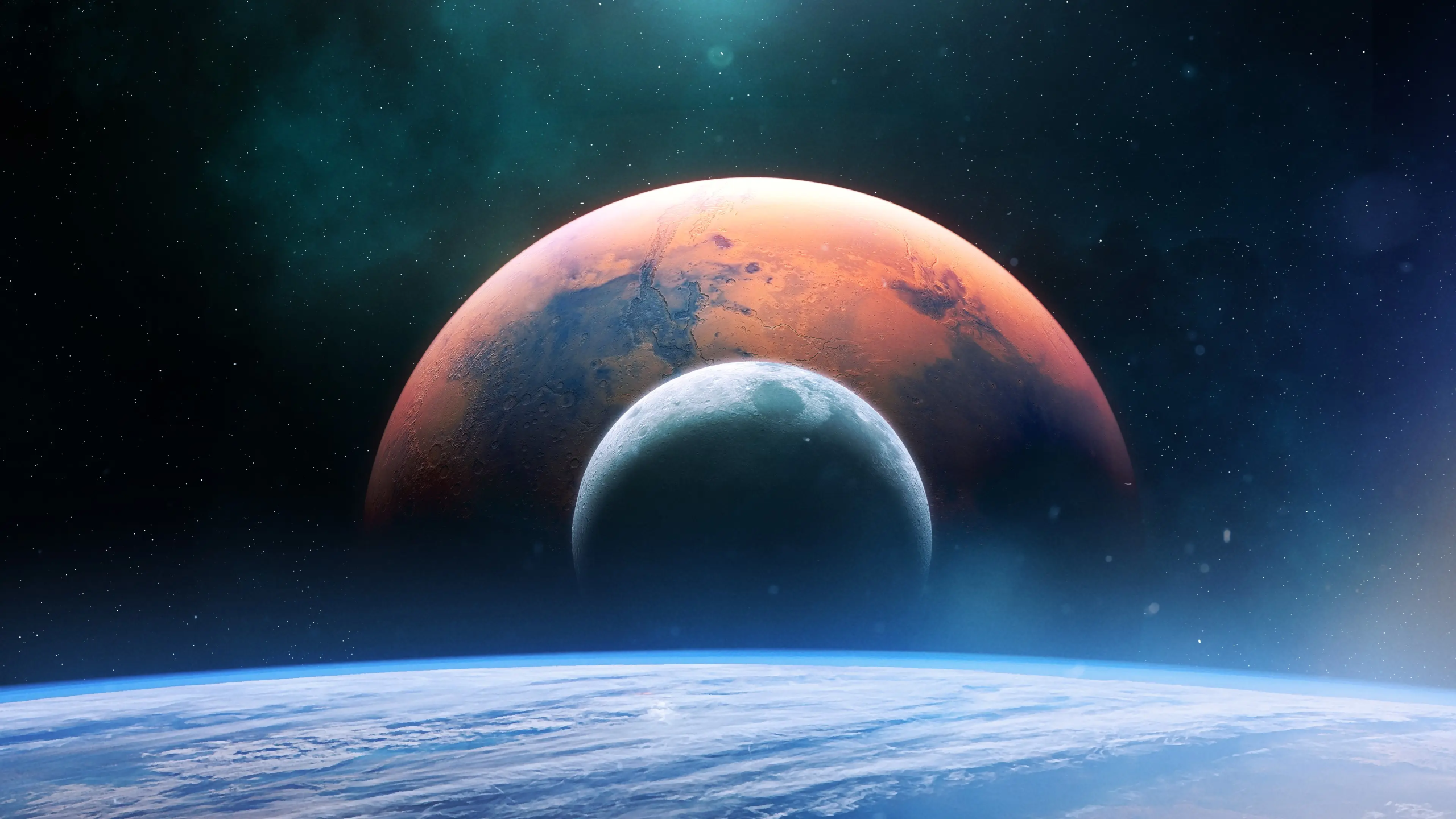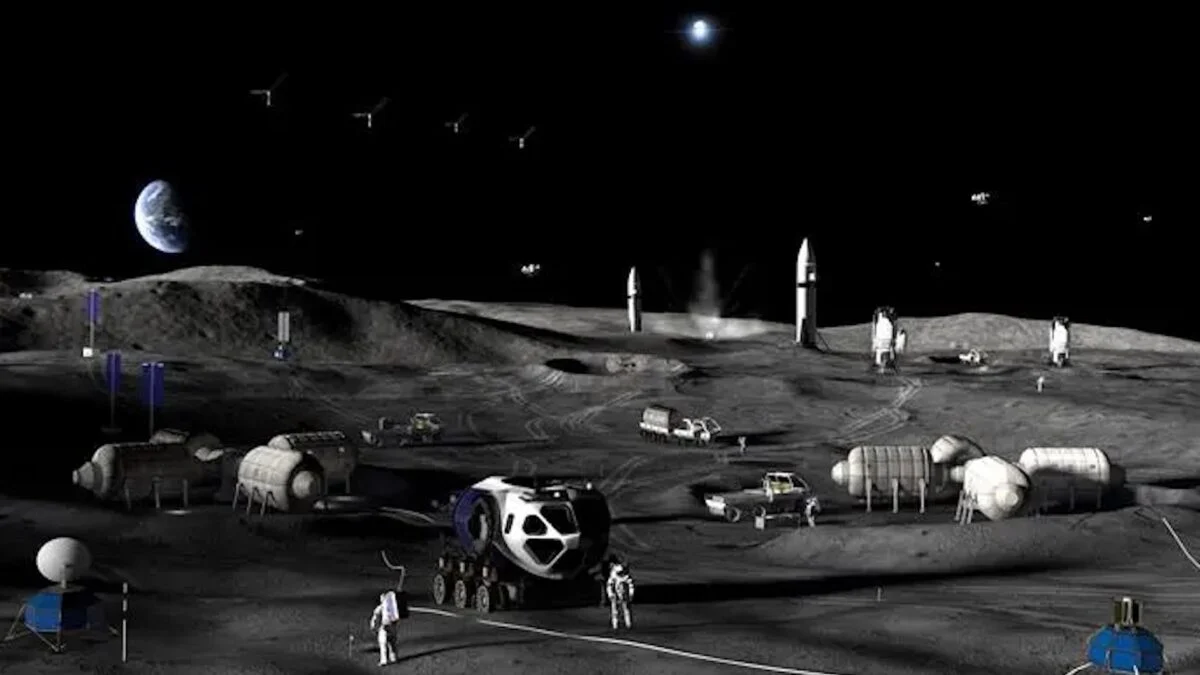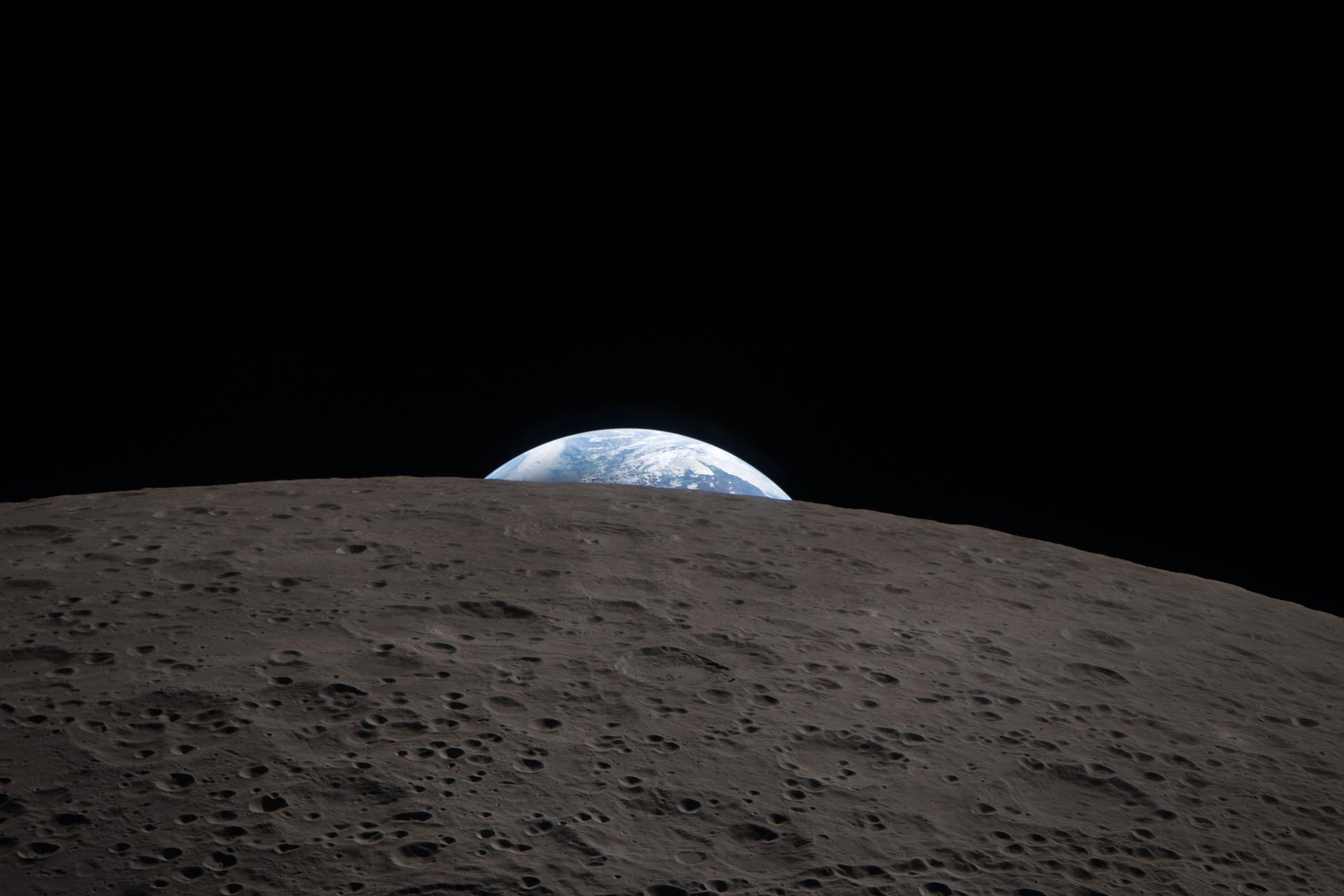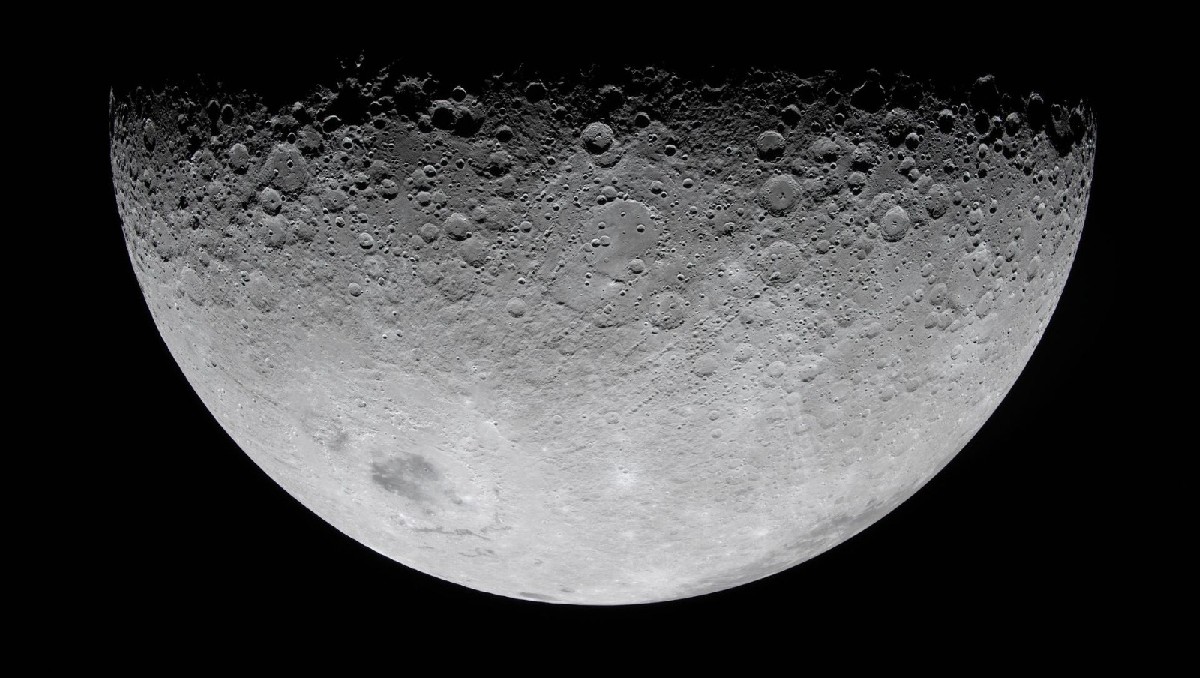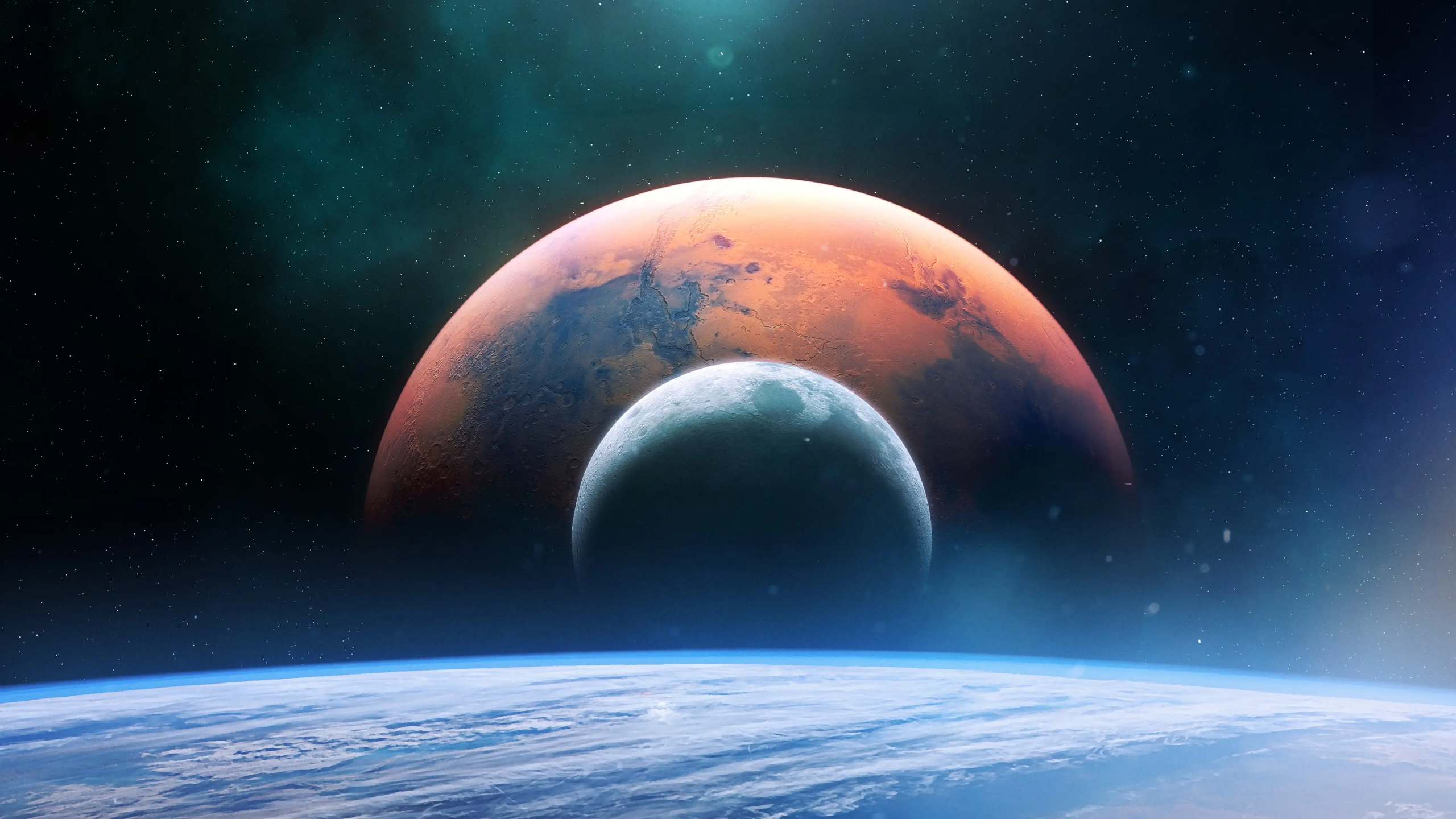
Illustration representing NASA's moon-to-Mars ambitions. Credit: NASA
Sending humans to Mars and returning them safely to Earth would be one of the most complex endeavors that humans have ever carried out. The number of issues that must be dealt with simultaneously is inordinately large, and all must be resolved in order to have a successful mission. NASA has a lot of experience with human missions in low Earth orbit and some to the moon. The Artemis missions will give us more (and current) experience at the moon. And we’ve sent spacecraft to all the planets in our solar system. But we’re not yet ready to send people to Mars.
Developing a Mars mission is not just about designing and building a spacecraft that can get there, land and get back. A successful mission must also be able to carry out science activities at Mars while also understanding, tracking and ensuring human health and performance issues so that astronauts can do what we’re asking of them and do it safely. Meanwhile, a successful mission must address planetary protection issues so that, if there is indigenous life on Mars, we don’t risk contaminating Mars or, on return, contaminating Earth.
These very different components must be developed together and integrated from the very beginning into a single mission concept and plan, before some designs have already been fixed. Aspects that must be considered include: