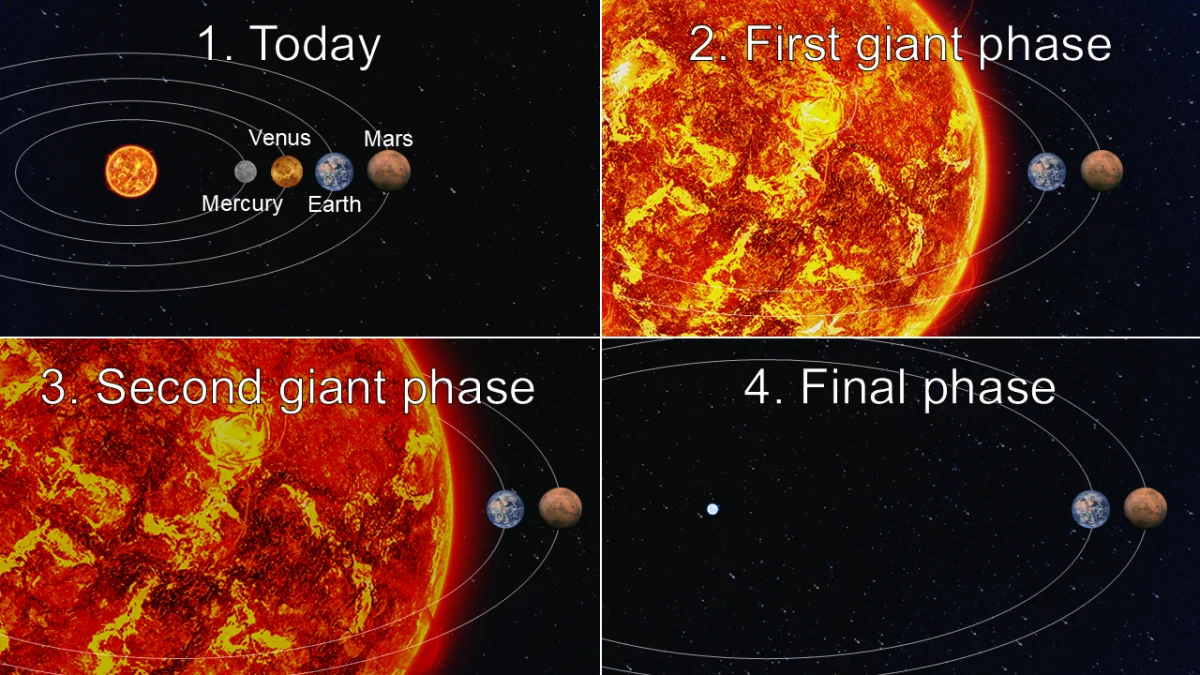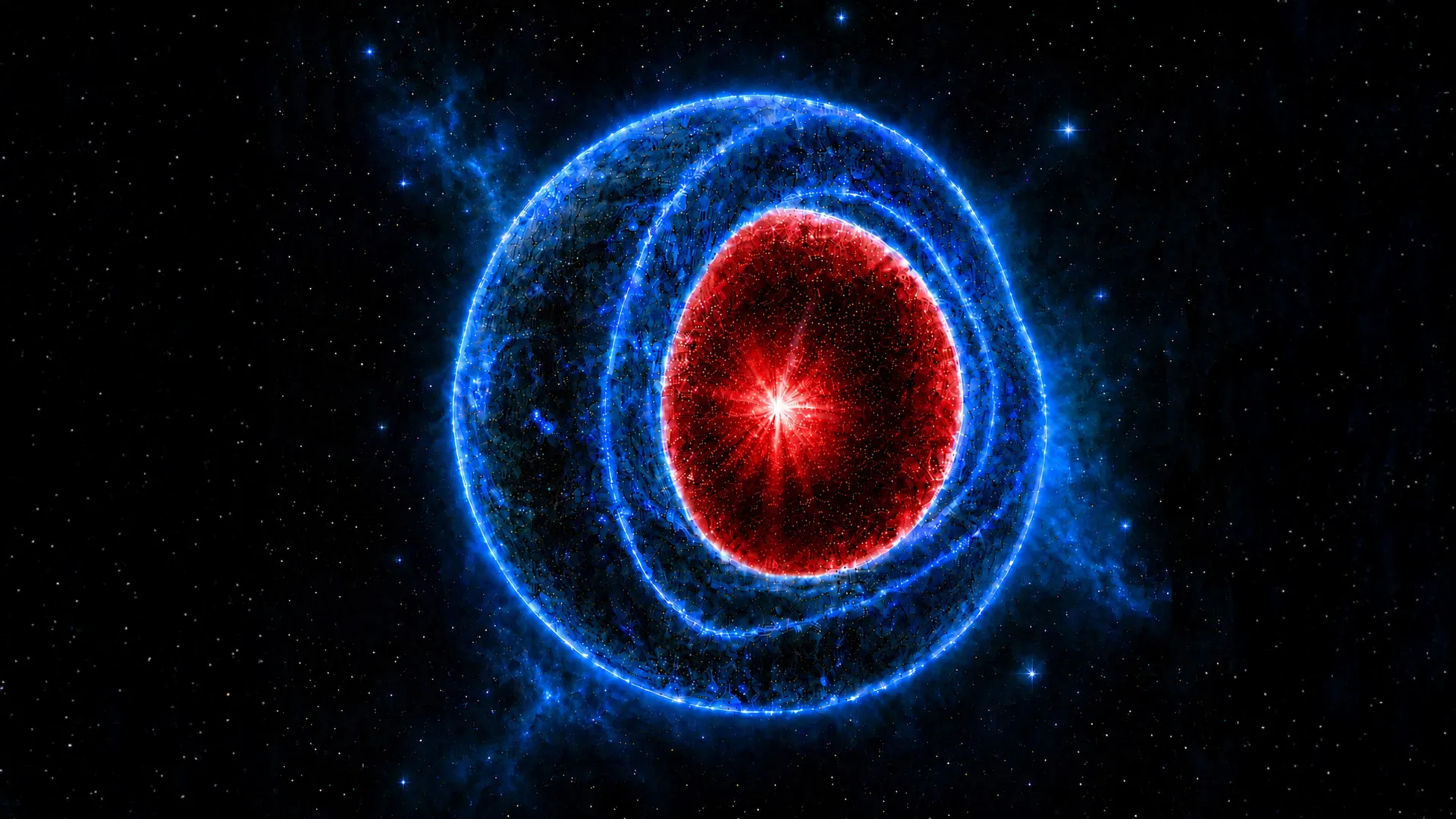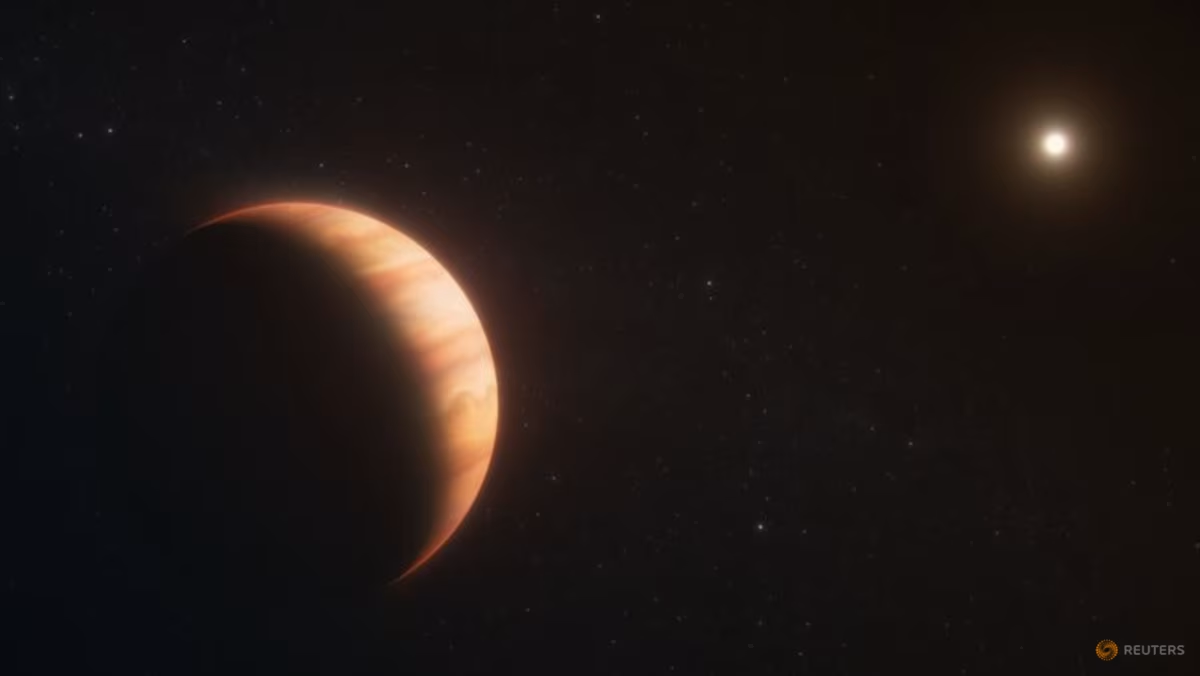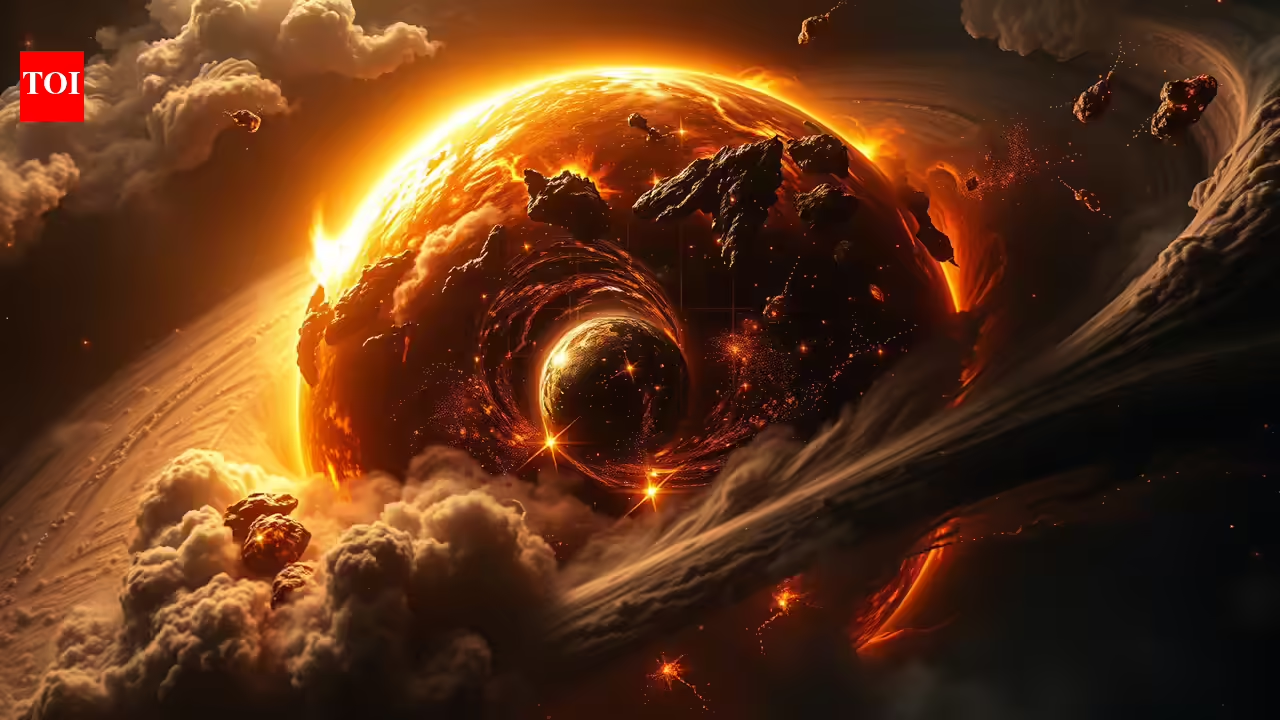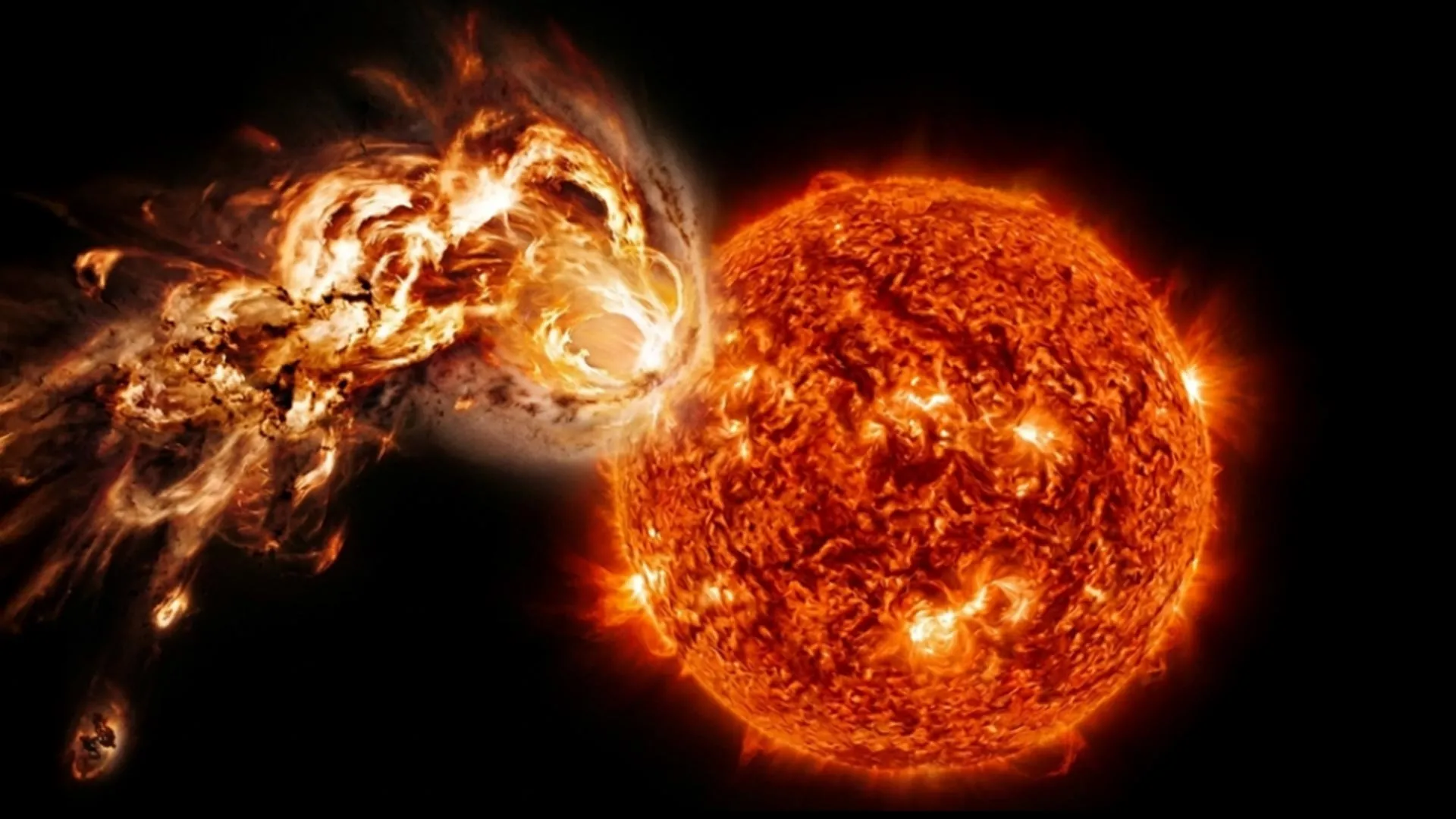
When stars similar to the Sun grow old, they expand into red giants. During this phase, their outer layers churn and gradually drift into space, while the dense cores left behind shrink into white dwarfs. Because this is the fate of most stars, white dwarfs are among the most common stellar remnants in the universe.
A new model from Caltech theoretical astrophysicist Jim Fuller suggests that this transformation may be far less orderly than it appears. His calculations indicate that uneven bursts of escaping material can repeatedly push a dying star in different directions, giving it thousands of small kicks before the white dwarf fully forms.
Chaotic Eruptions Push Dying Stars
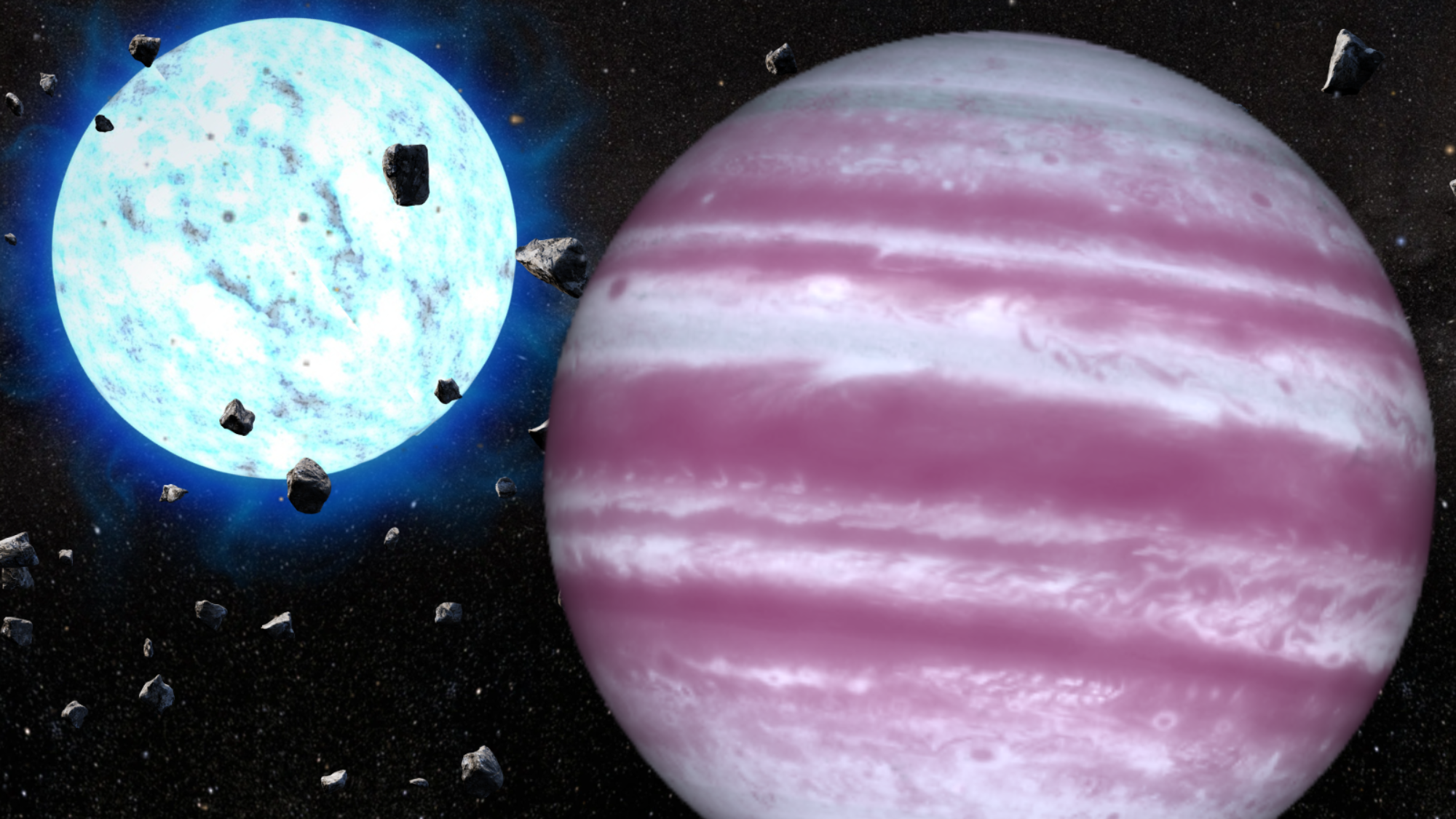
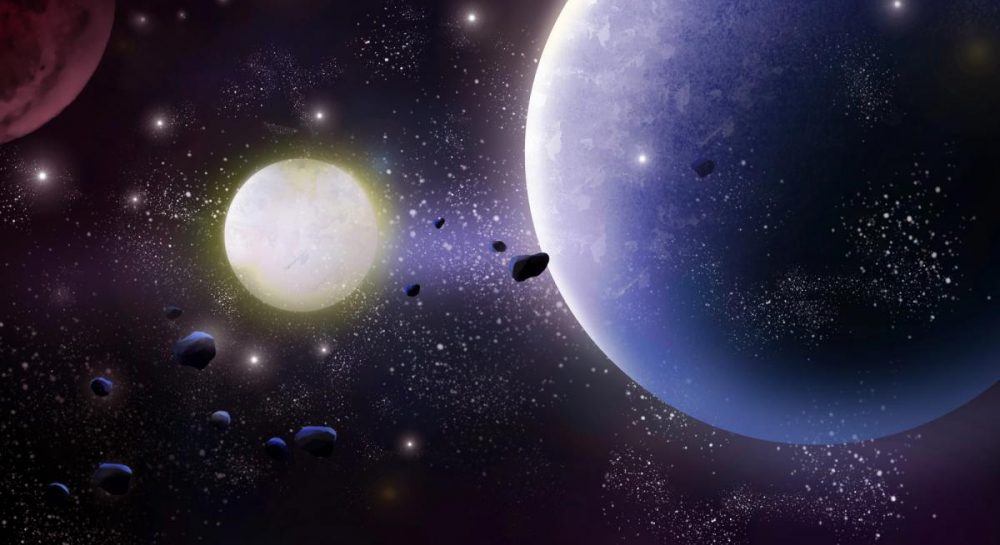
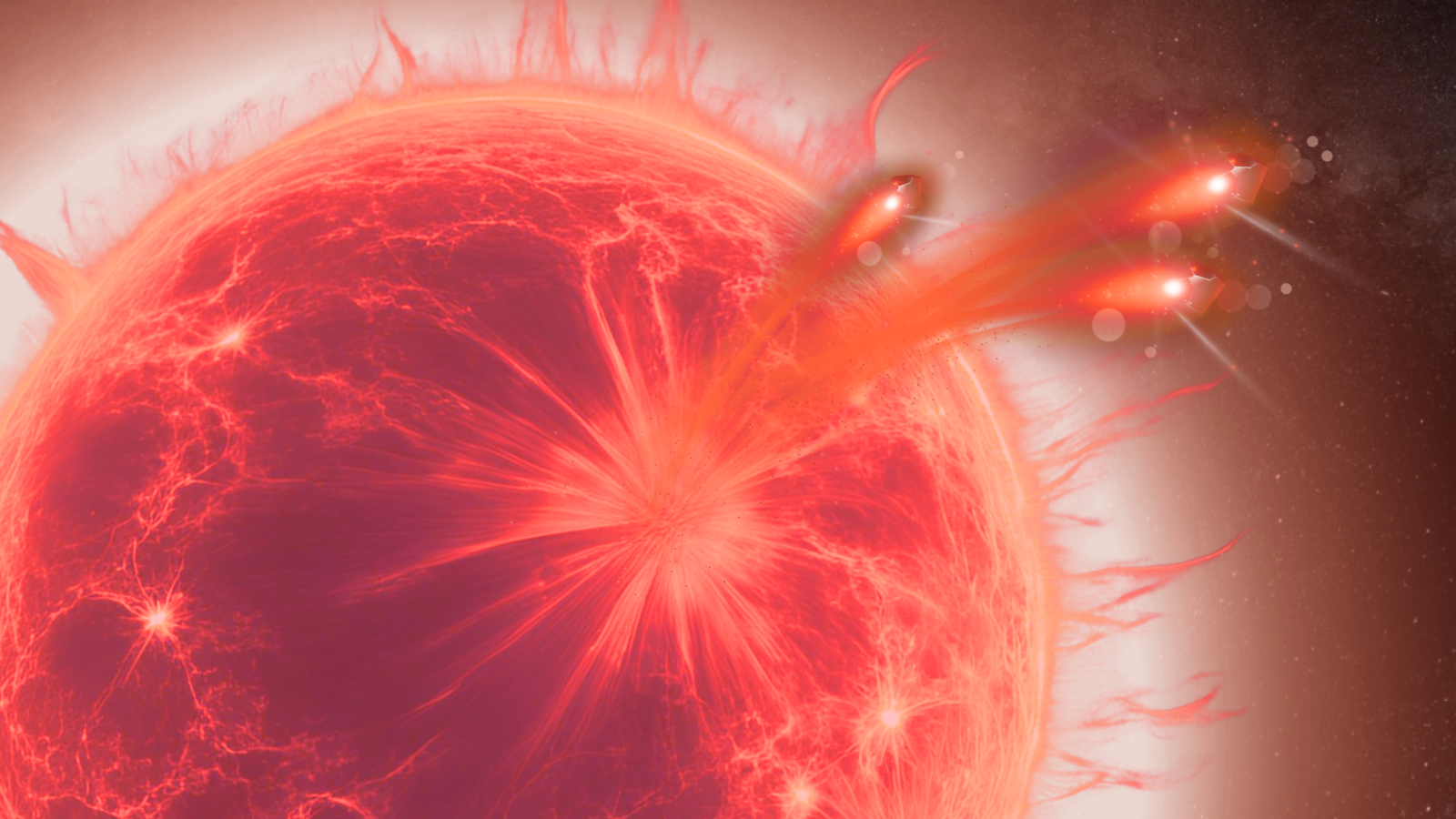
"In this model, blobs of matter are chaotically being ejected from the surface of the bloated stars in an asymmetric fashion," Fuller says. "And every time that happens, the star gets a little kick in the opposite direction. Like Newton said, for every action there is an equal and opposite reaction."
Fuller presented the findings at the 248th meeting of the American Astronomical Society in Pasadena. The study has been submitted to the Publications of the Astronomical Society of the Pacific.