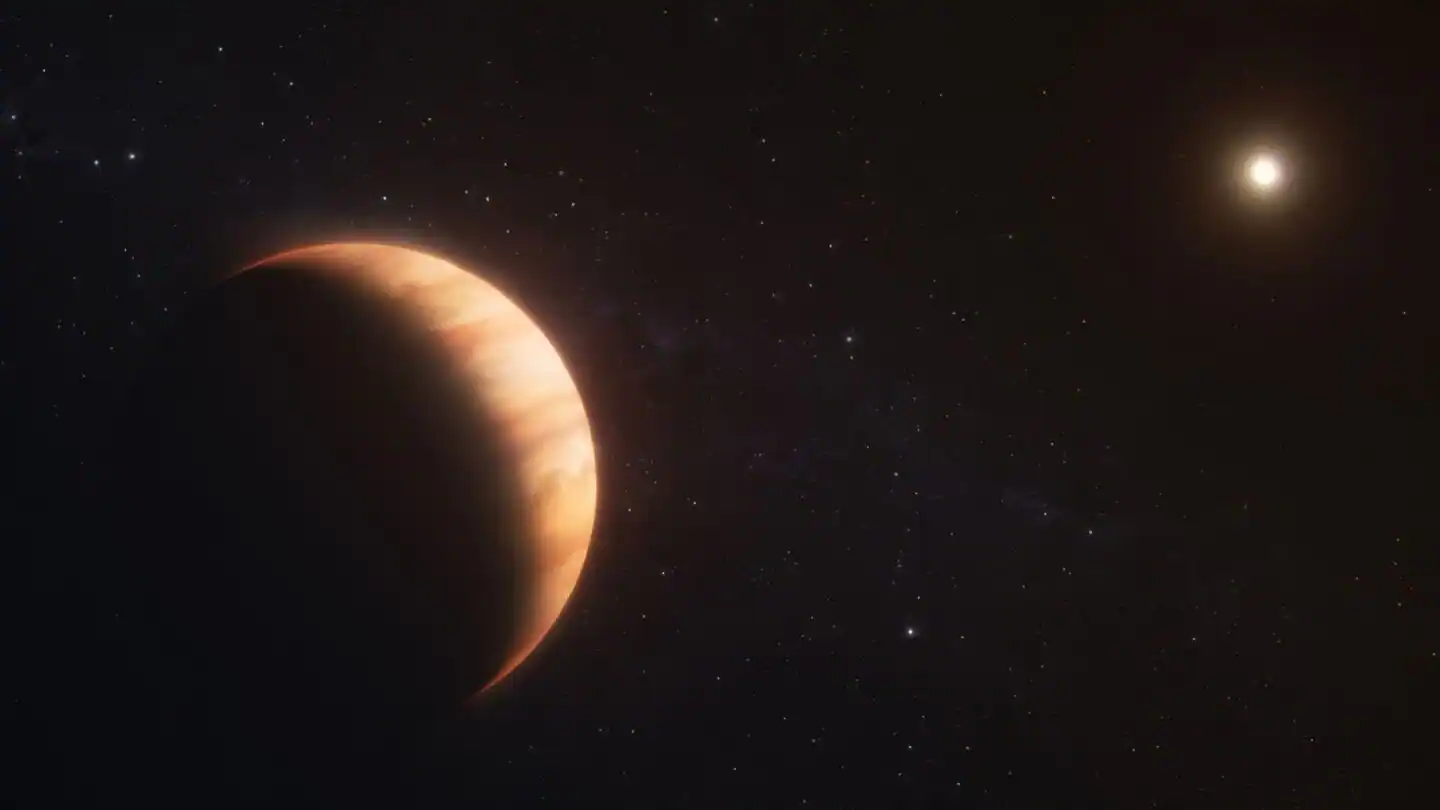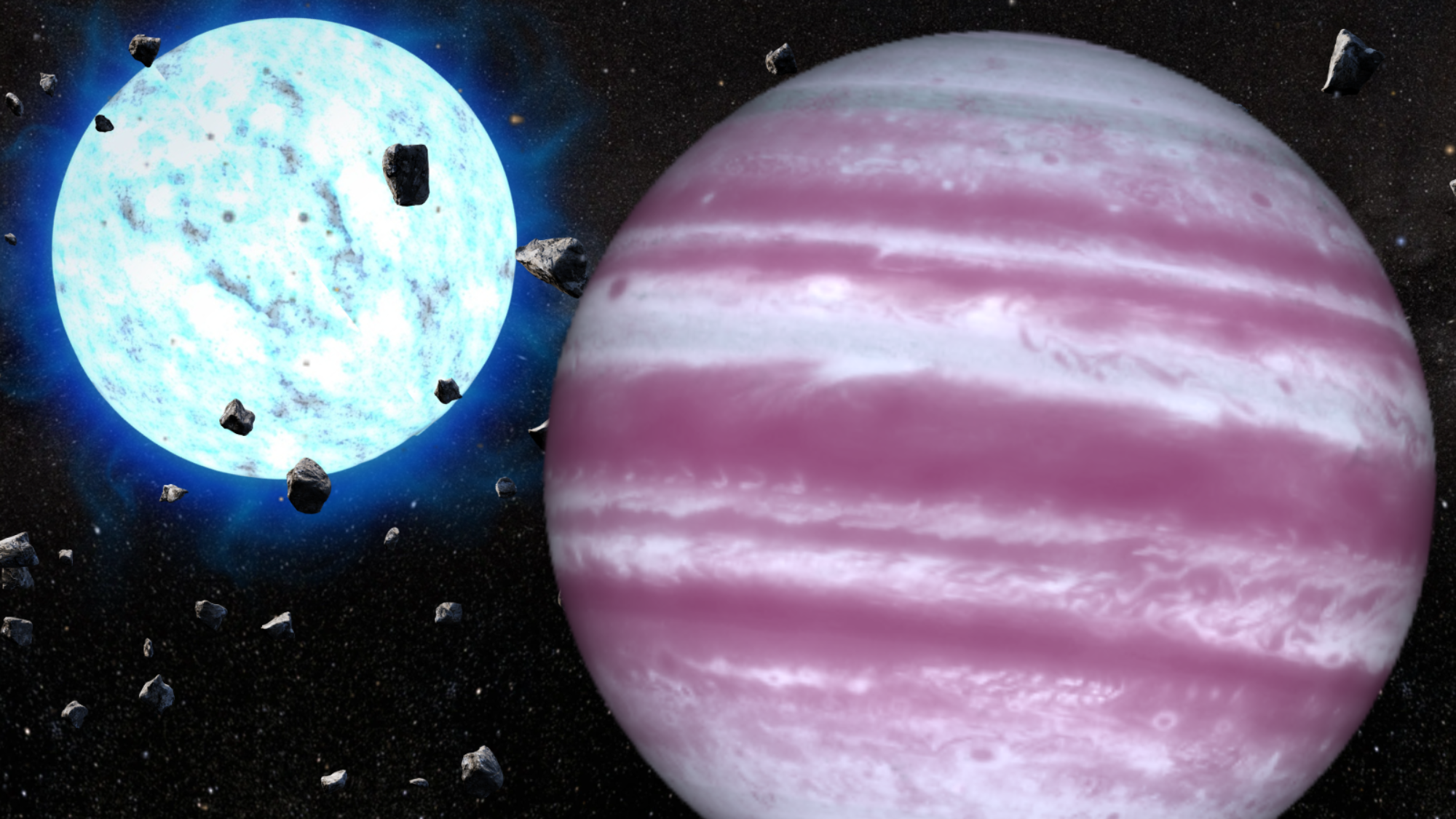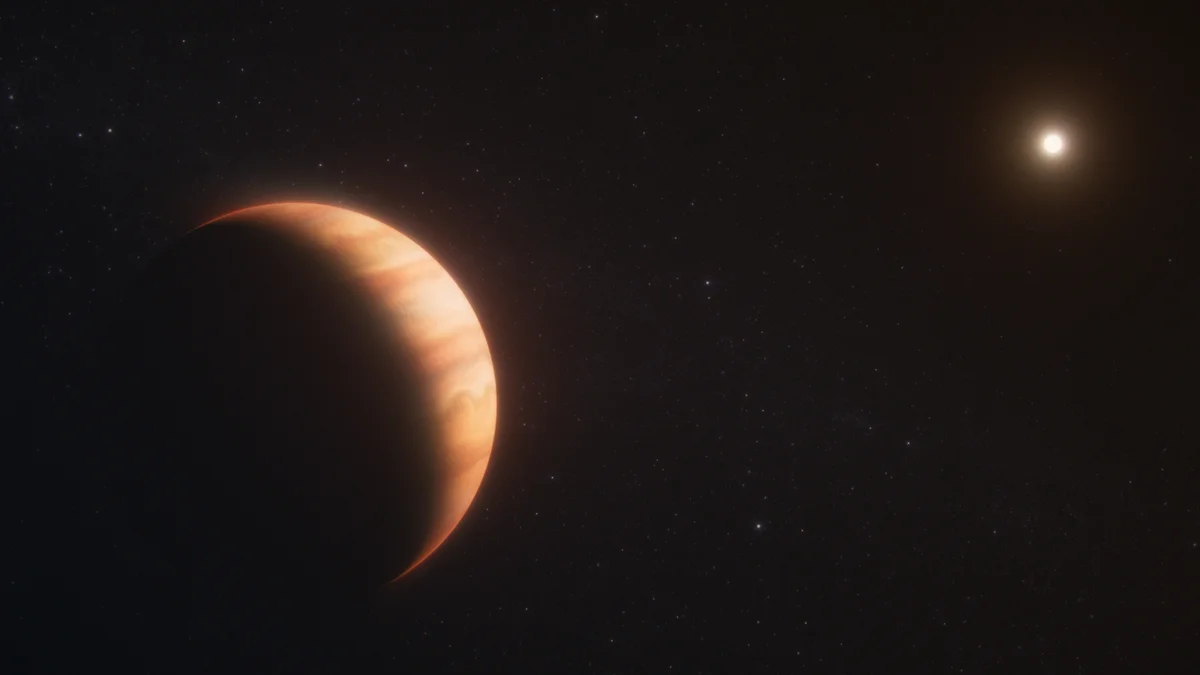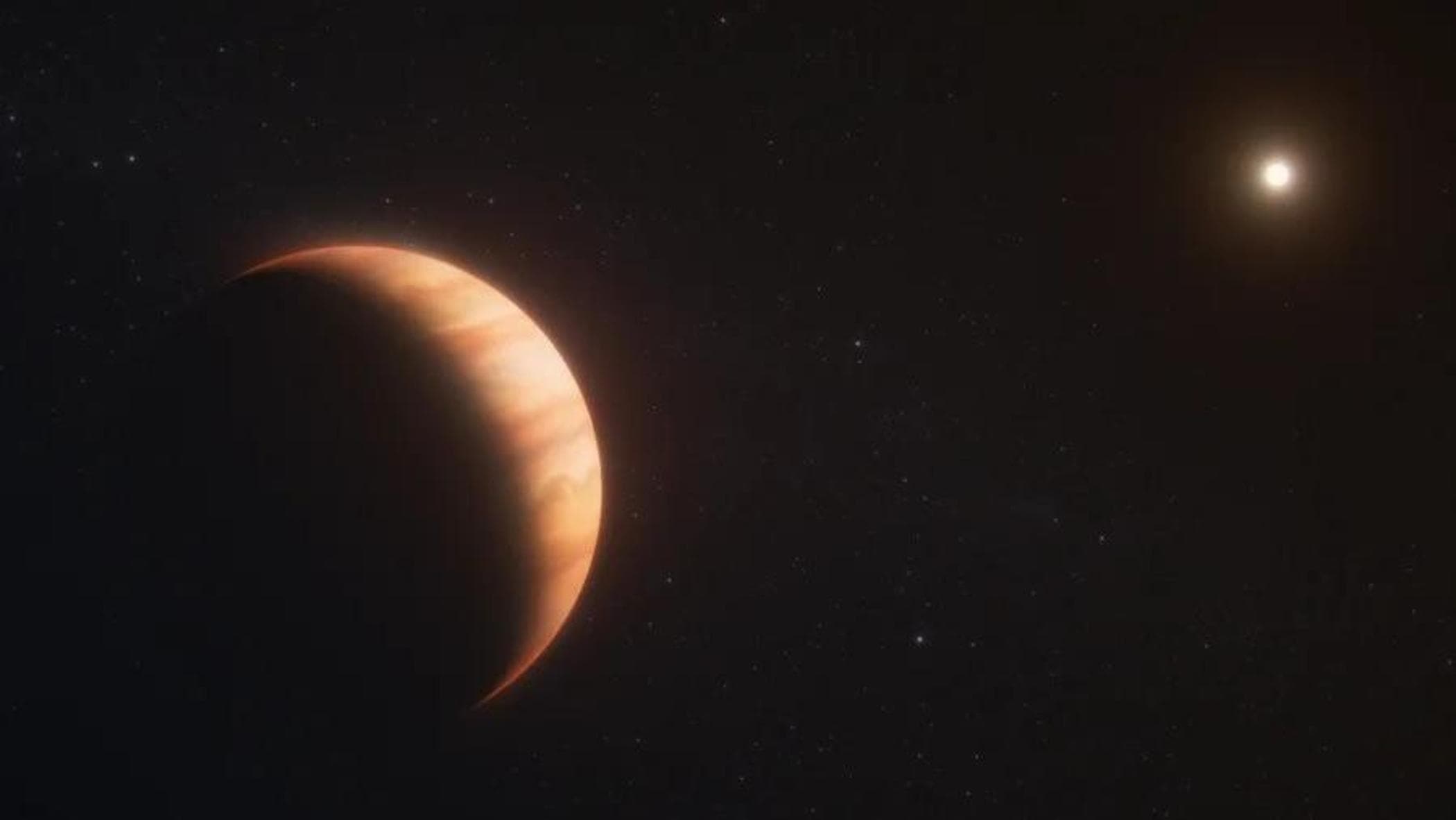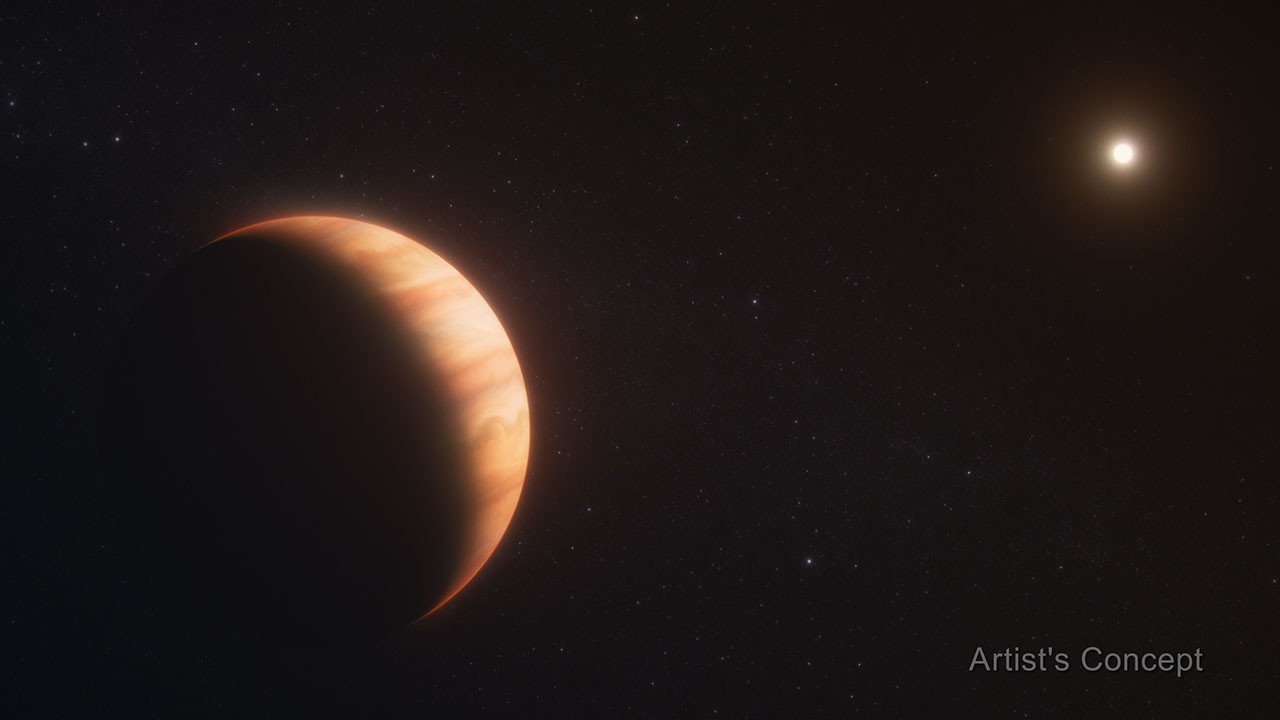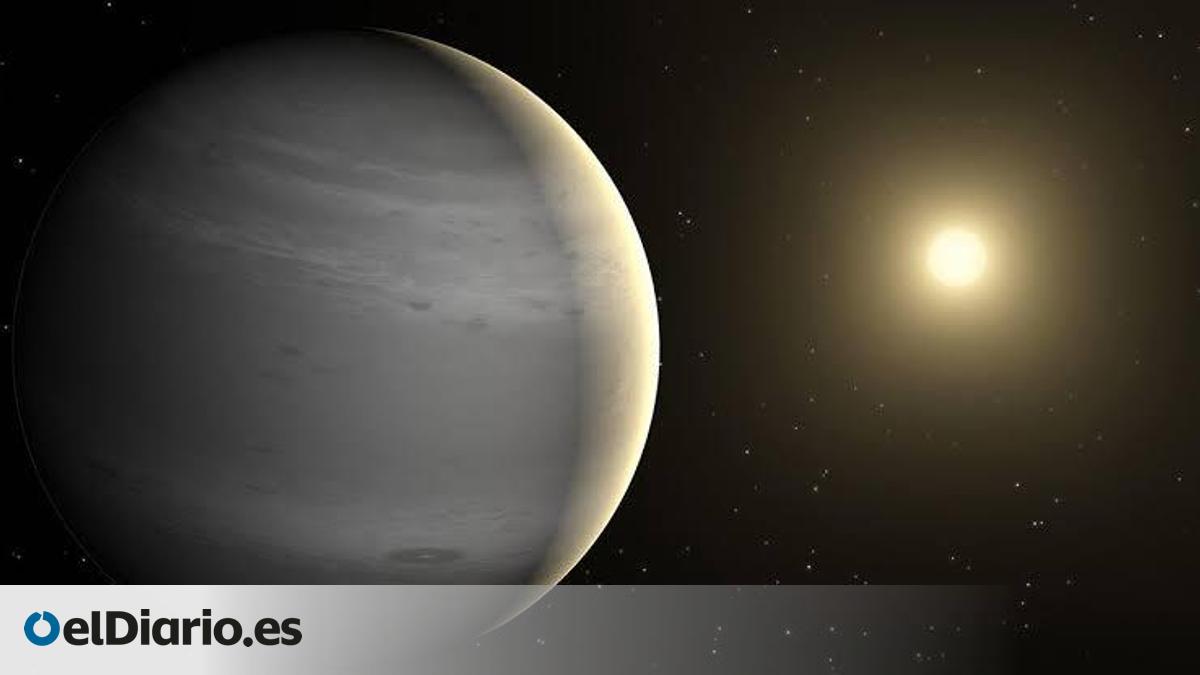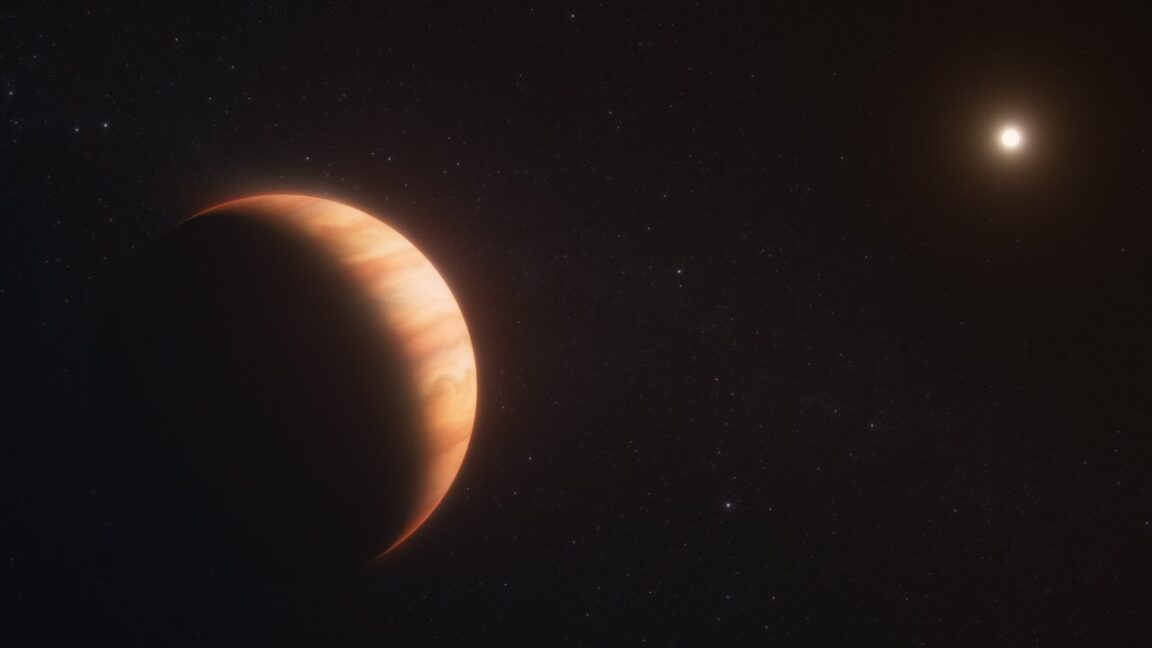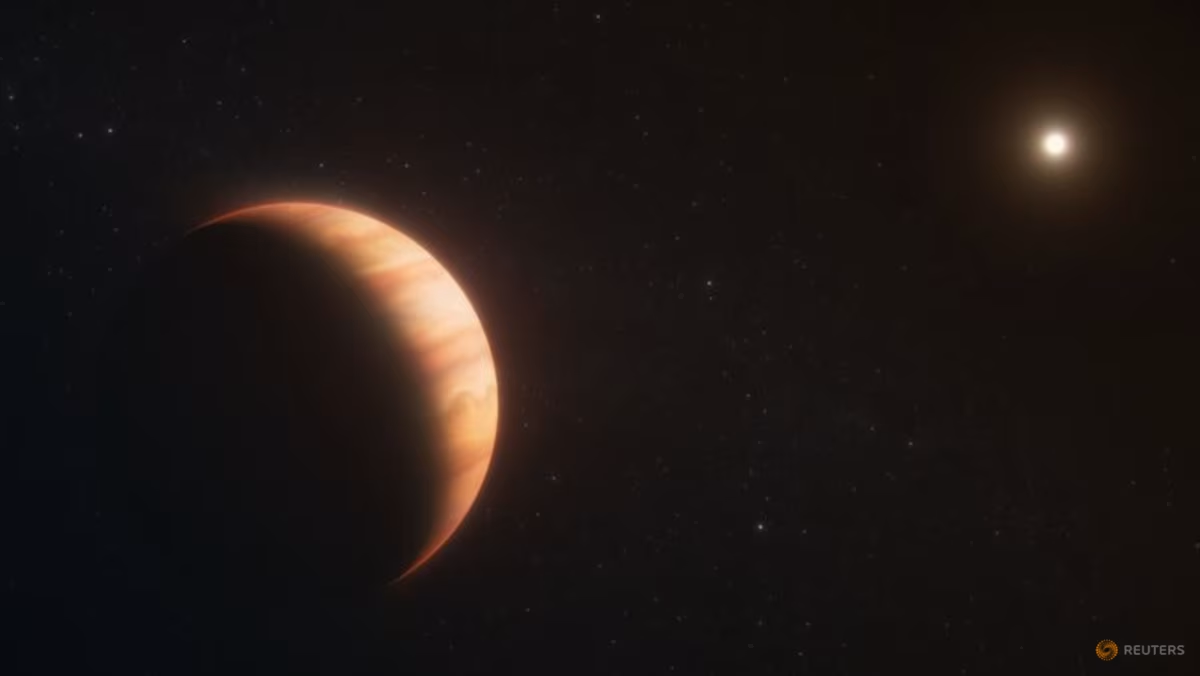
New observations may offer fresh clues into how a giant exoplanet survived the violent death of its host star — and came to closely orbit its stellar remnants.
The findings could serve as a preview of the fate that may await our solar system’s largest planets — such as the gas giants Jupiter and Saturn — when the sun dies in 5 billion years.
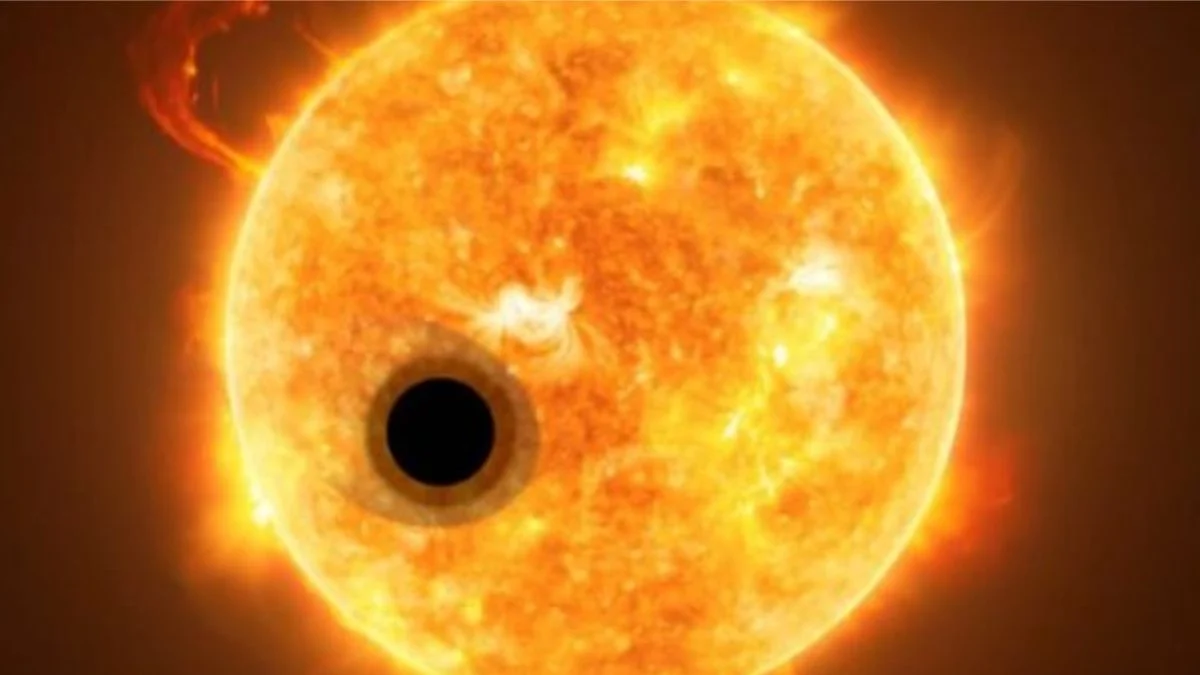
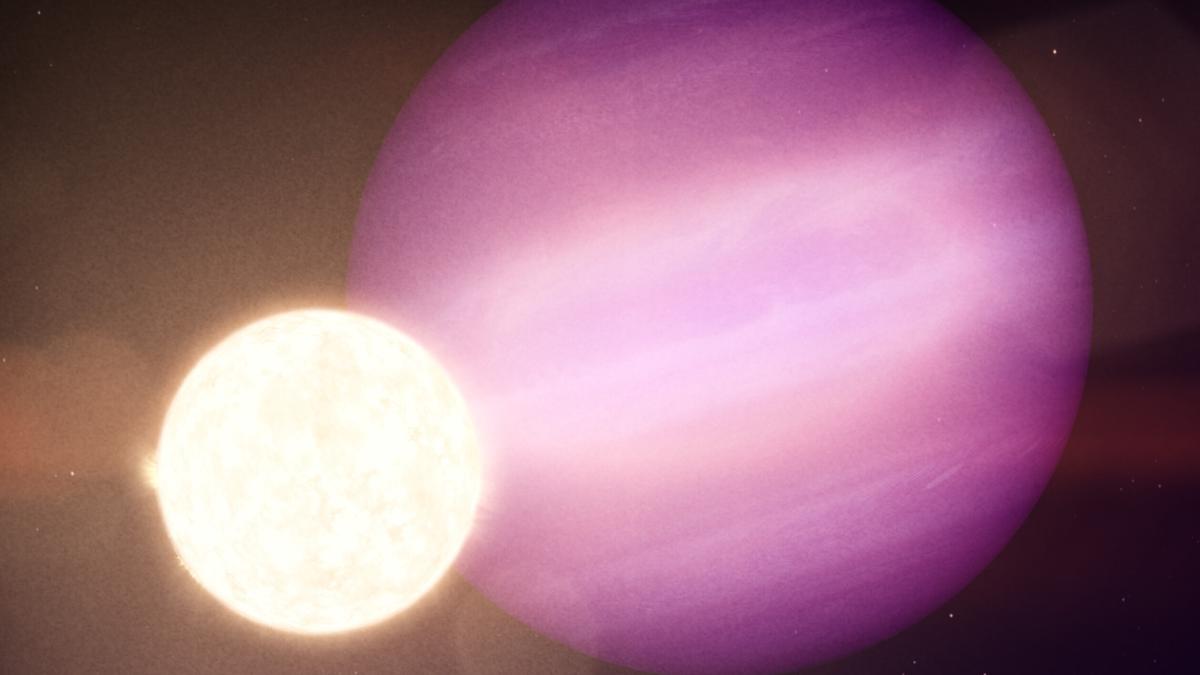
Astronomers detected a baffling Jupiter-size planet in 2020 that was zipping around a dead white dwarf star. Located 80 light-years from our planet, WD 1856 b is seven times larger than its Earth-size star.
“This is one of the most bizarre planetary systems we know of,” said Dr. Christopher O’Connor, coauthor of a study published Wednesday in the journal Nature that detailed the observations. O’Connor is a postdoctoral fellow studying stellar and planetary astrophysics and dynamics at Northwestern University’s Center for Interdisciplinary Exploration and Research in Astrophysics.
WD 1856 b completes one orbit around the dead star every 34 hours and is less than 2 million miles (3 million kilometers) from its host.