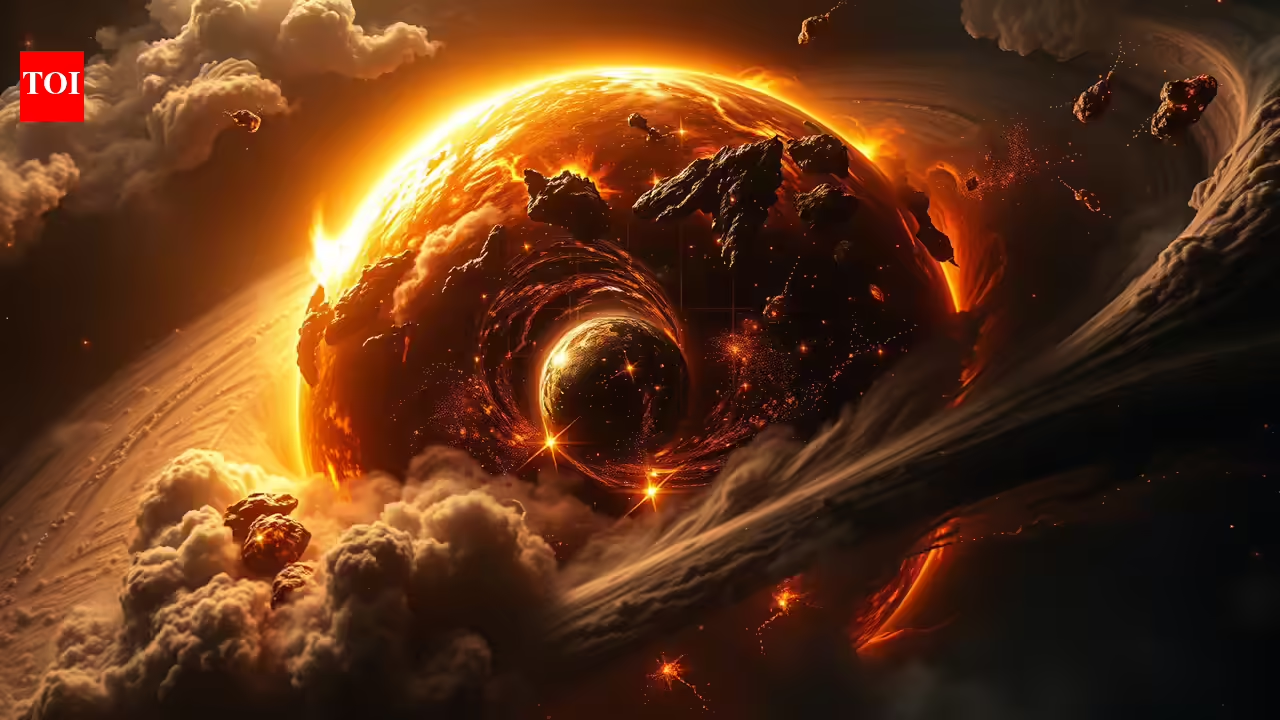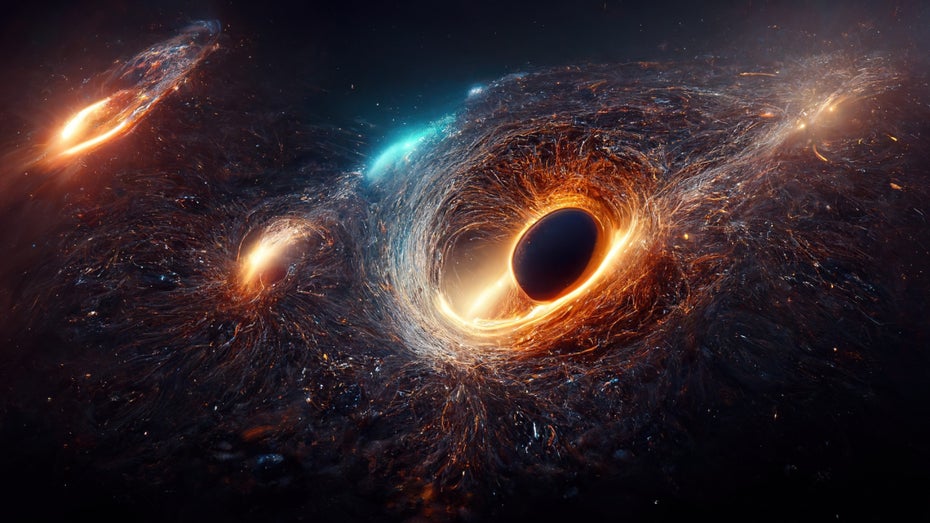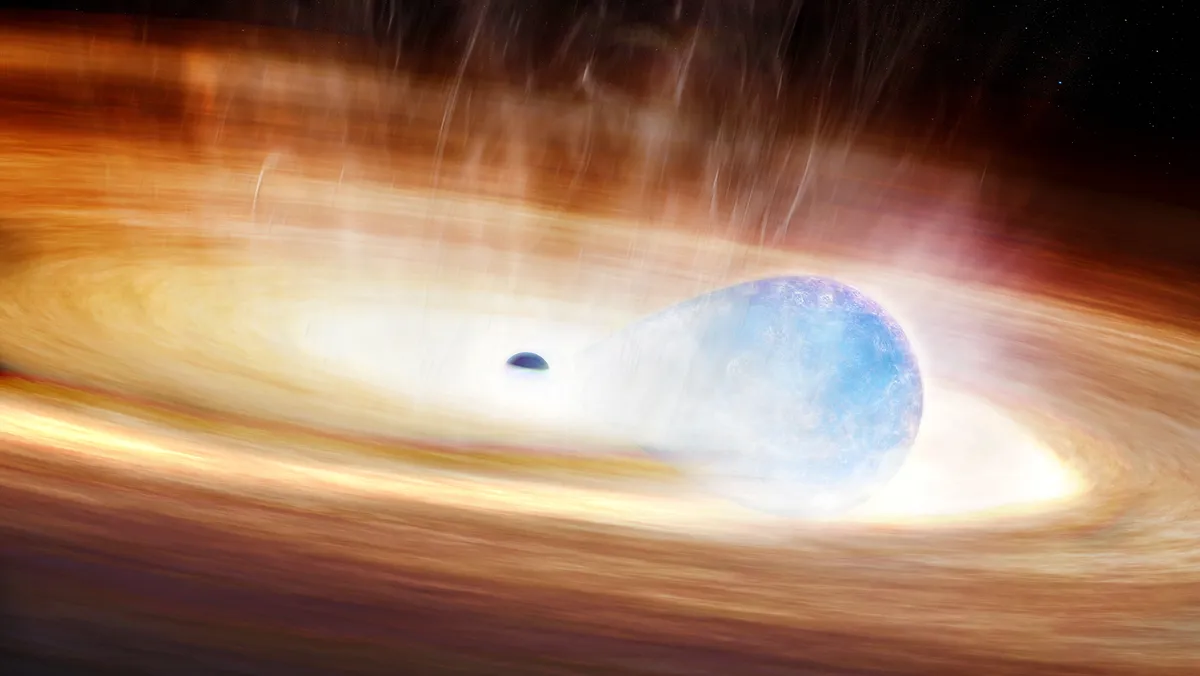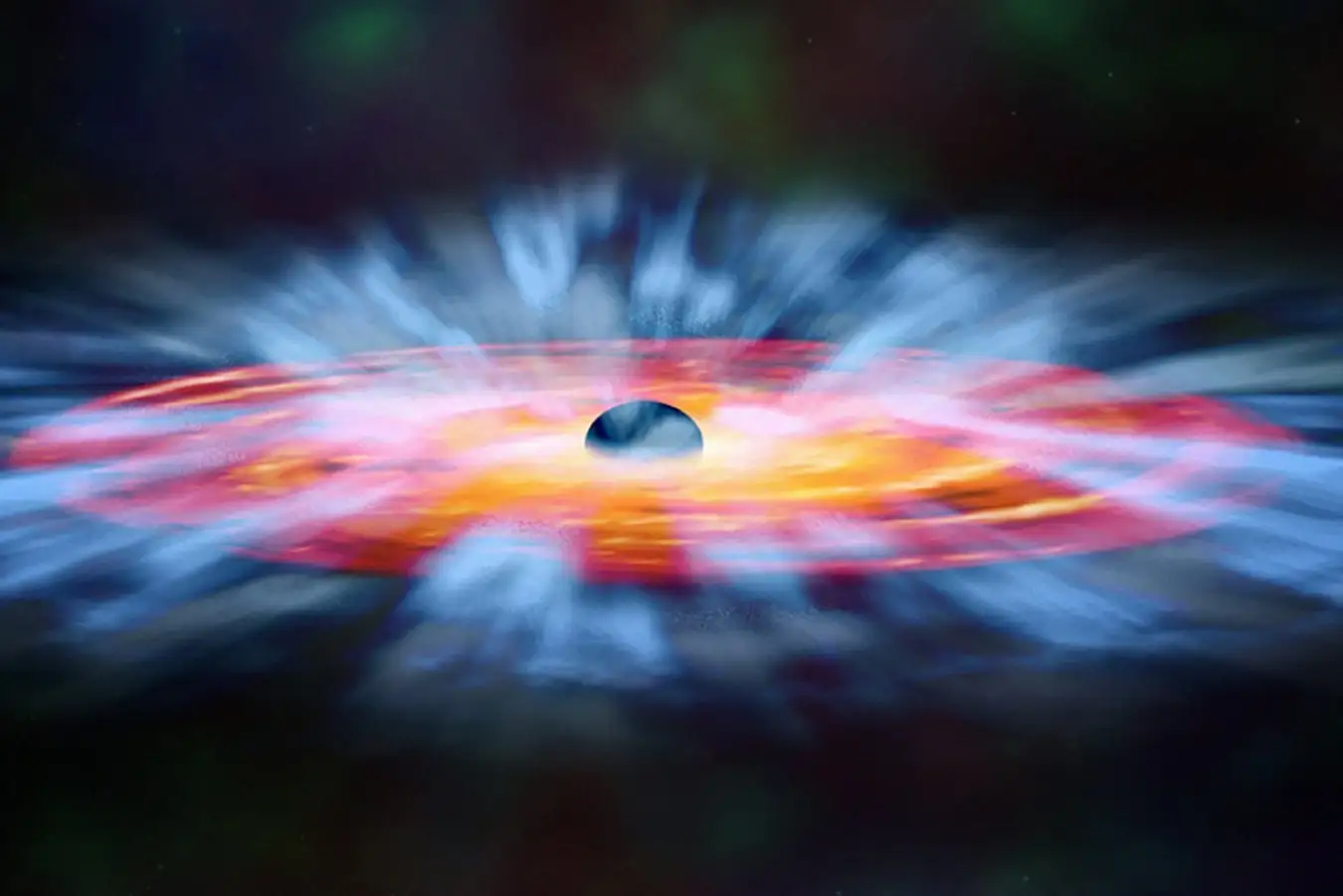
Massive stars produce light and heat through nuclear fusion, a process that releases enormous amounts of energy from their cores. Eventually, however, the largest stars run out of fuel. Once that happens, the outward pressure generated by radiation is no longer strong enough to resist gravity. The star begins collapsing under its own weight, theoretically continuing until all of its mass is compressed into a single point known as a singularity.
Although black holes are widely accepted by physicists, they still raise profound questions. How can a mass equal to billions of Suns be squeezed into an infinitely small point? How can spacetime become infinitely curved at a singularity?
At this extreme limit, the known laws of physics cease to provide reliable answers. Scientists cannot accurately describe what happens under such conditions. Black holes also present another challenge because they hide everything beyond their event horizons. Any matter, radiation, or information that crosses this boundary, including light itself, can no longer be observed.
Gravastars and the Role of Dark Energy
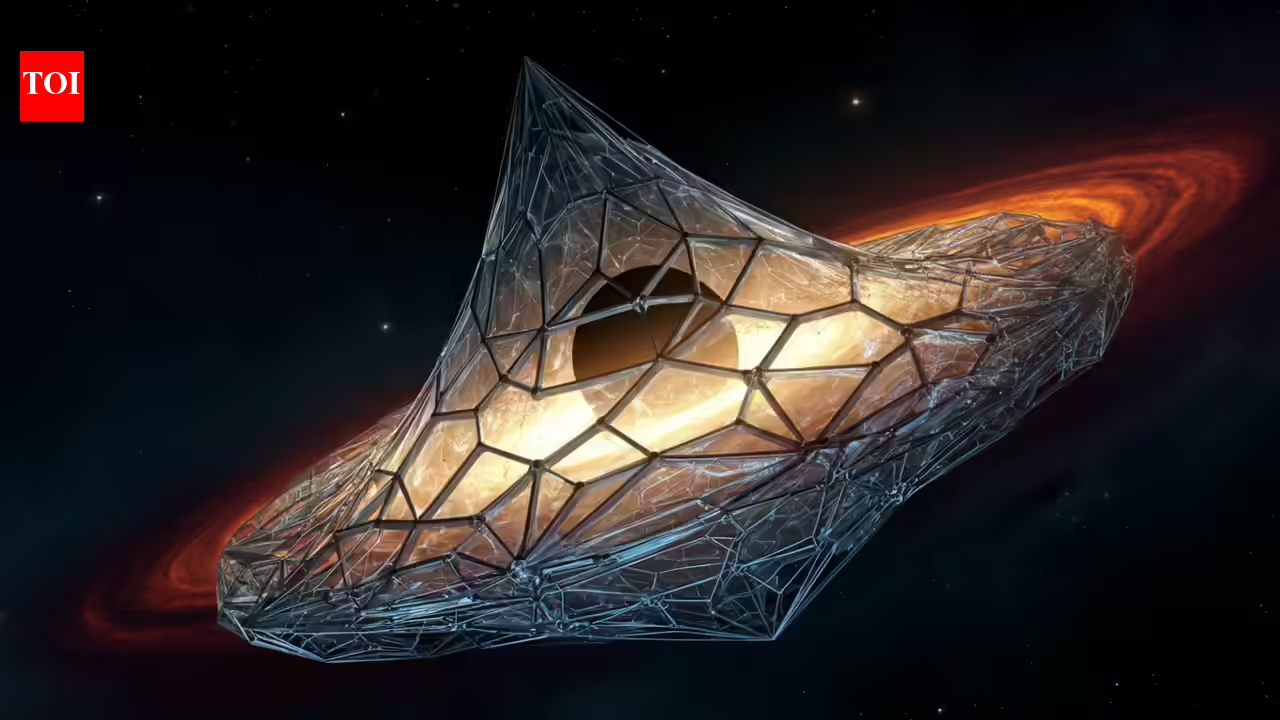
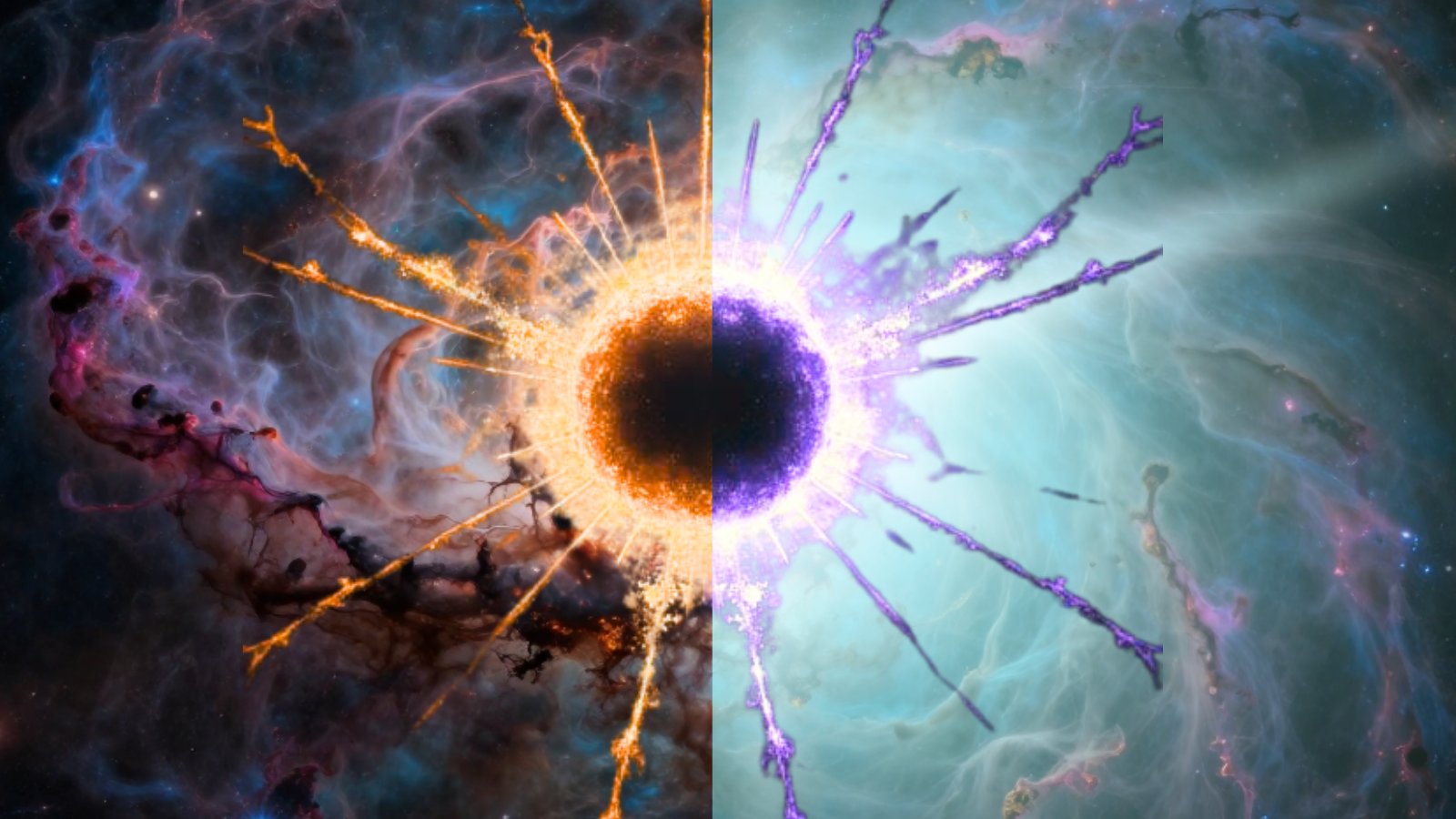
Because of these unresolved issues, some researchers have explored the possibility that at least some objects identified as black holes could actually be something else entirely. One proposed alternative is an ultra compact object known as a gravastar.