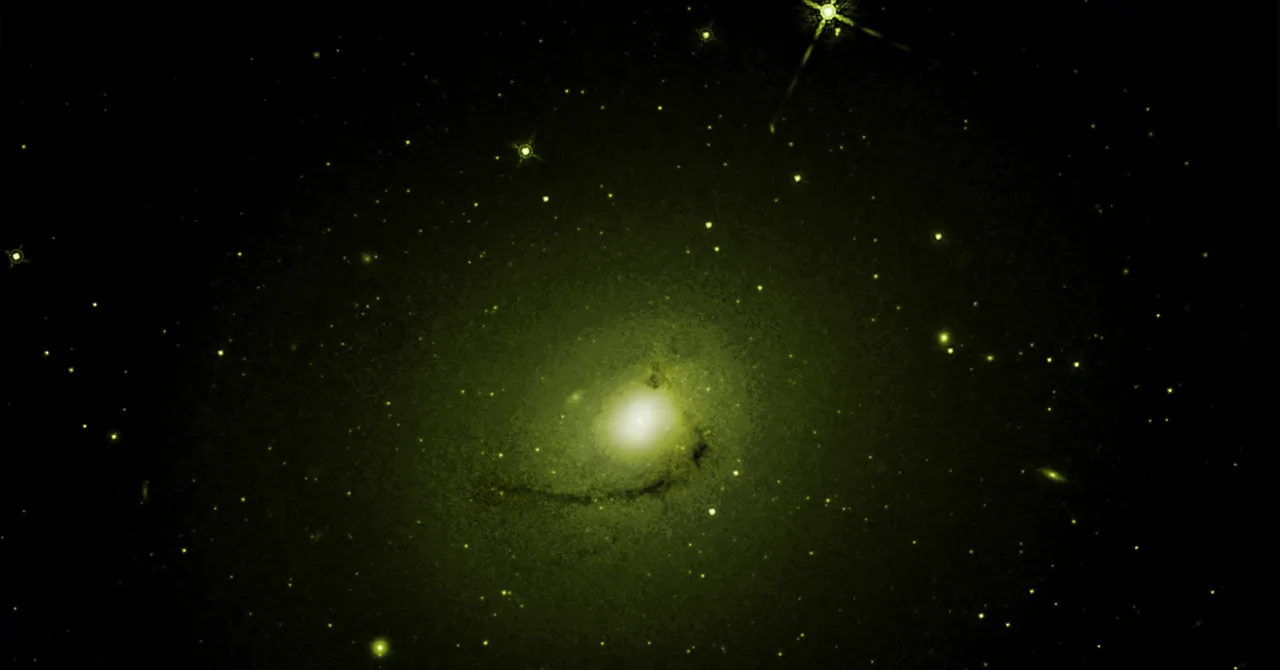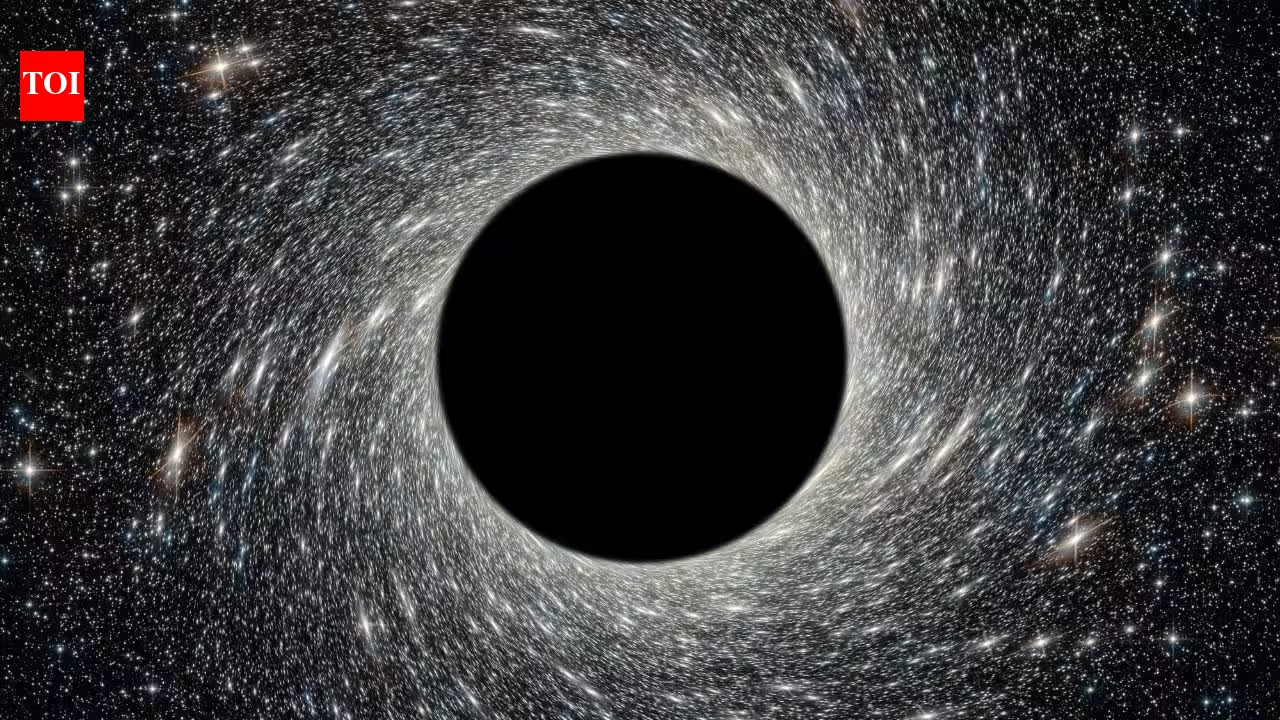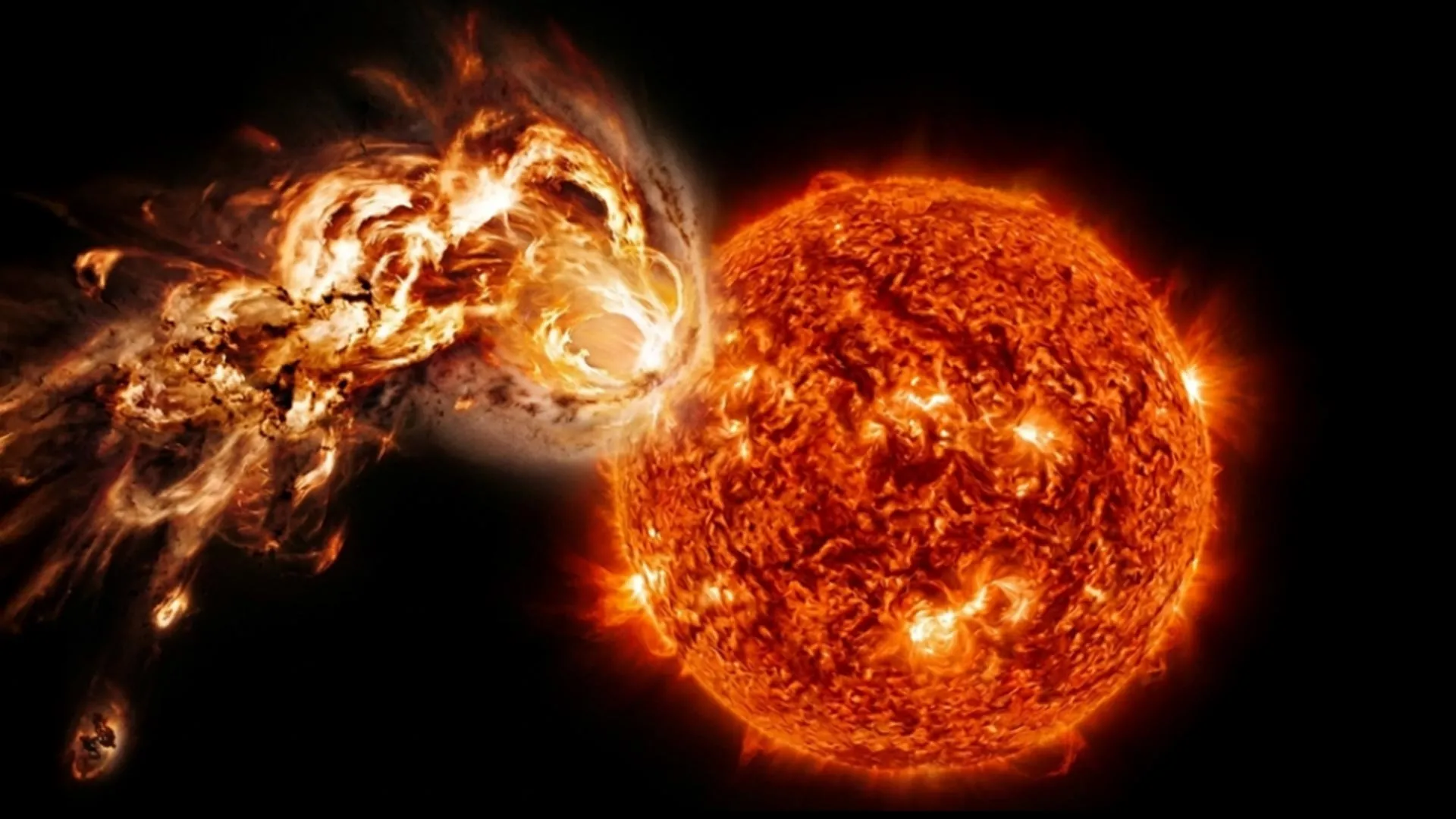
Most galaxies are thought to harbor a supermassive black hole at their center. These enormous objects can weigh millions or even billions of times more than the sun, creating some of the strongest gravitational environments known in the universe.
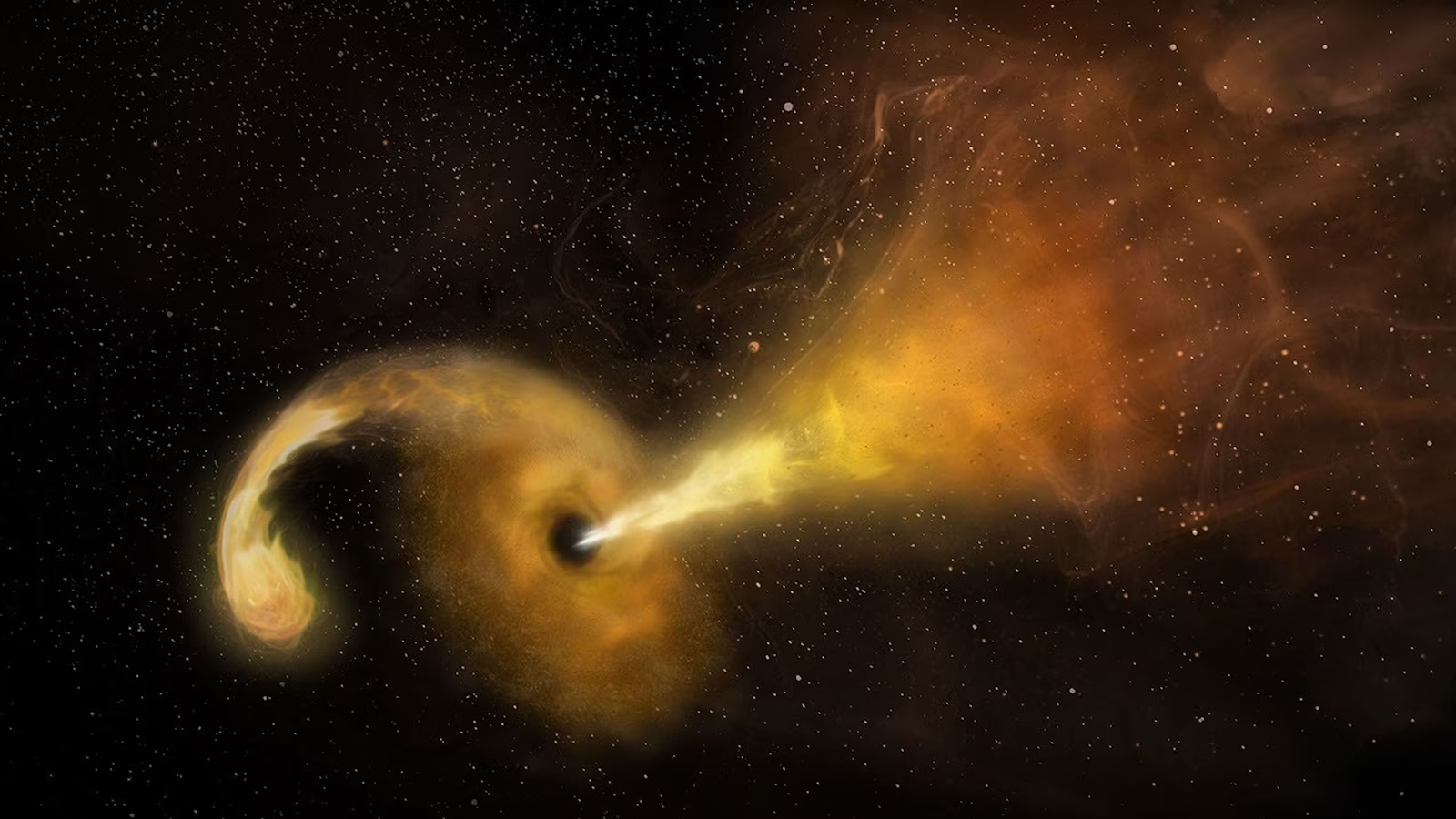
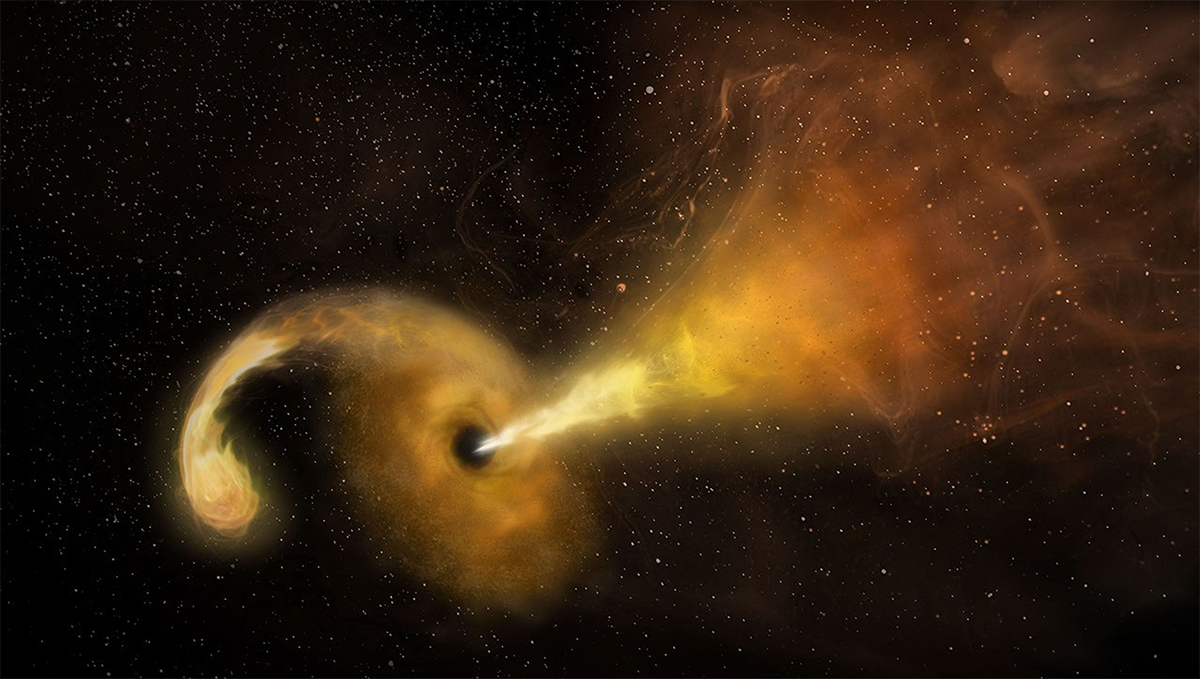
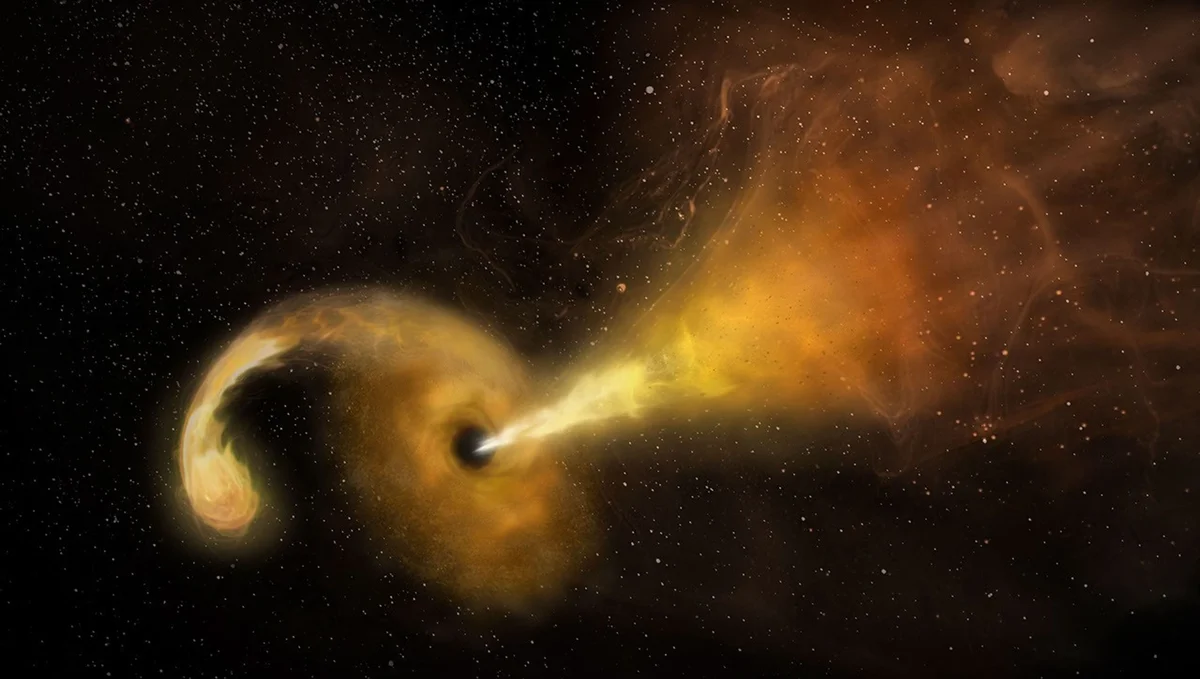
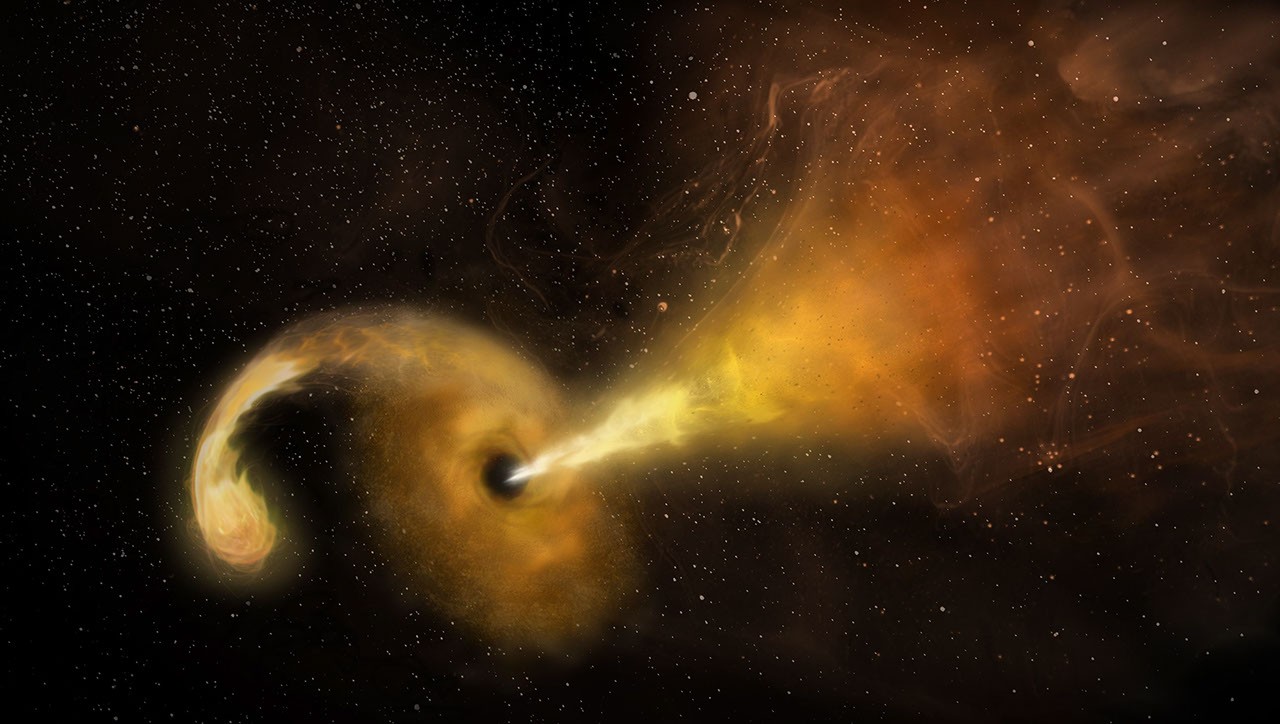
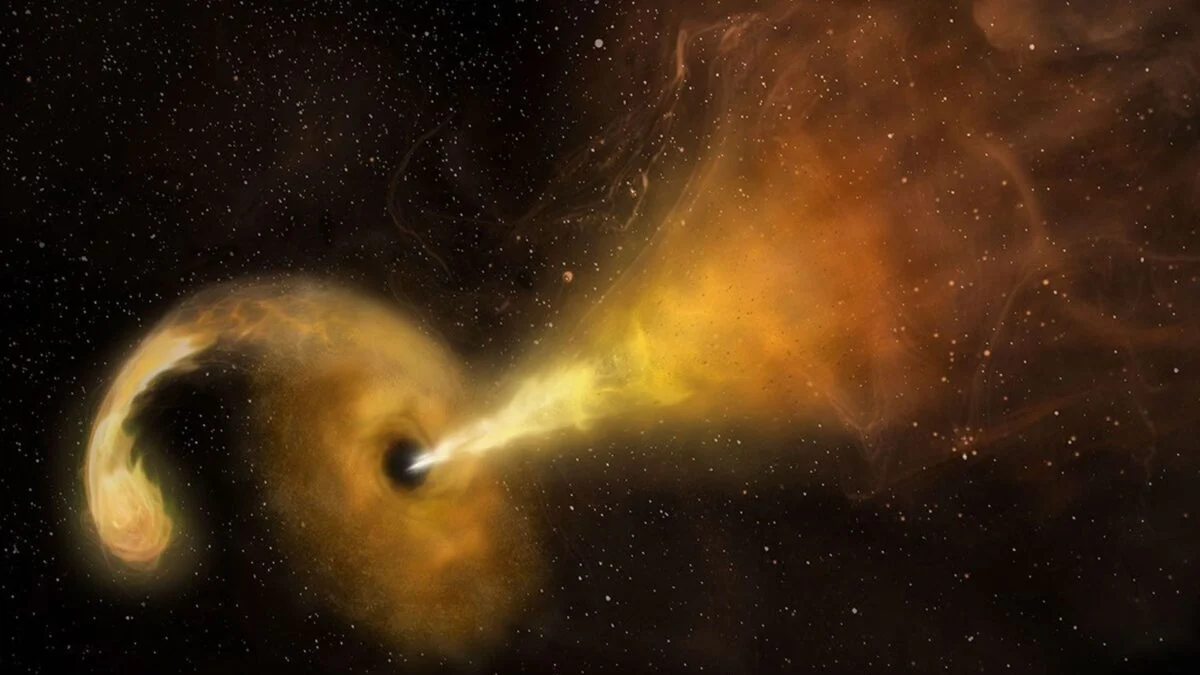
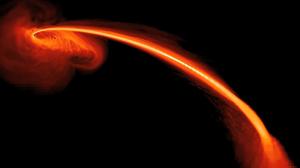
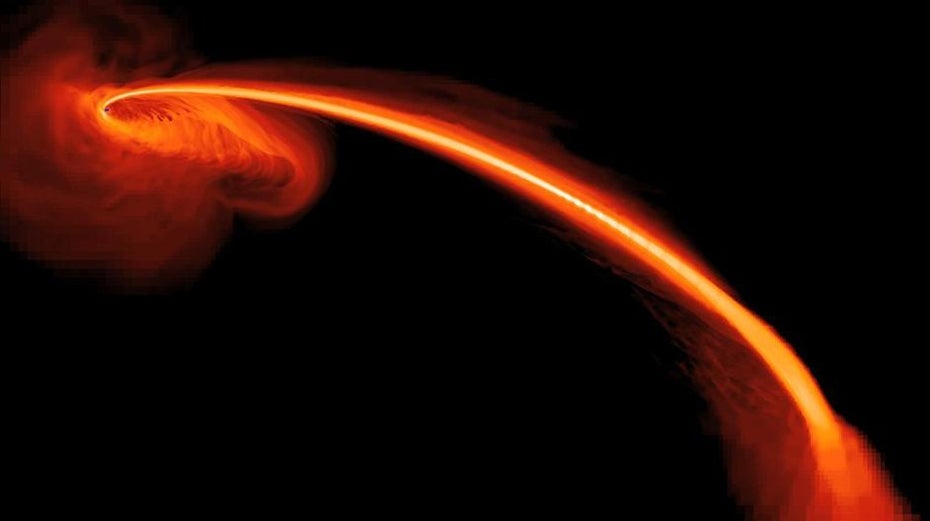
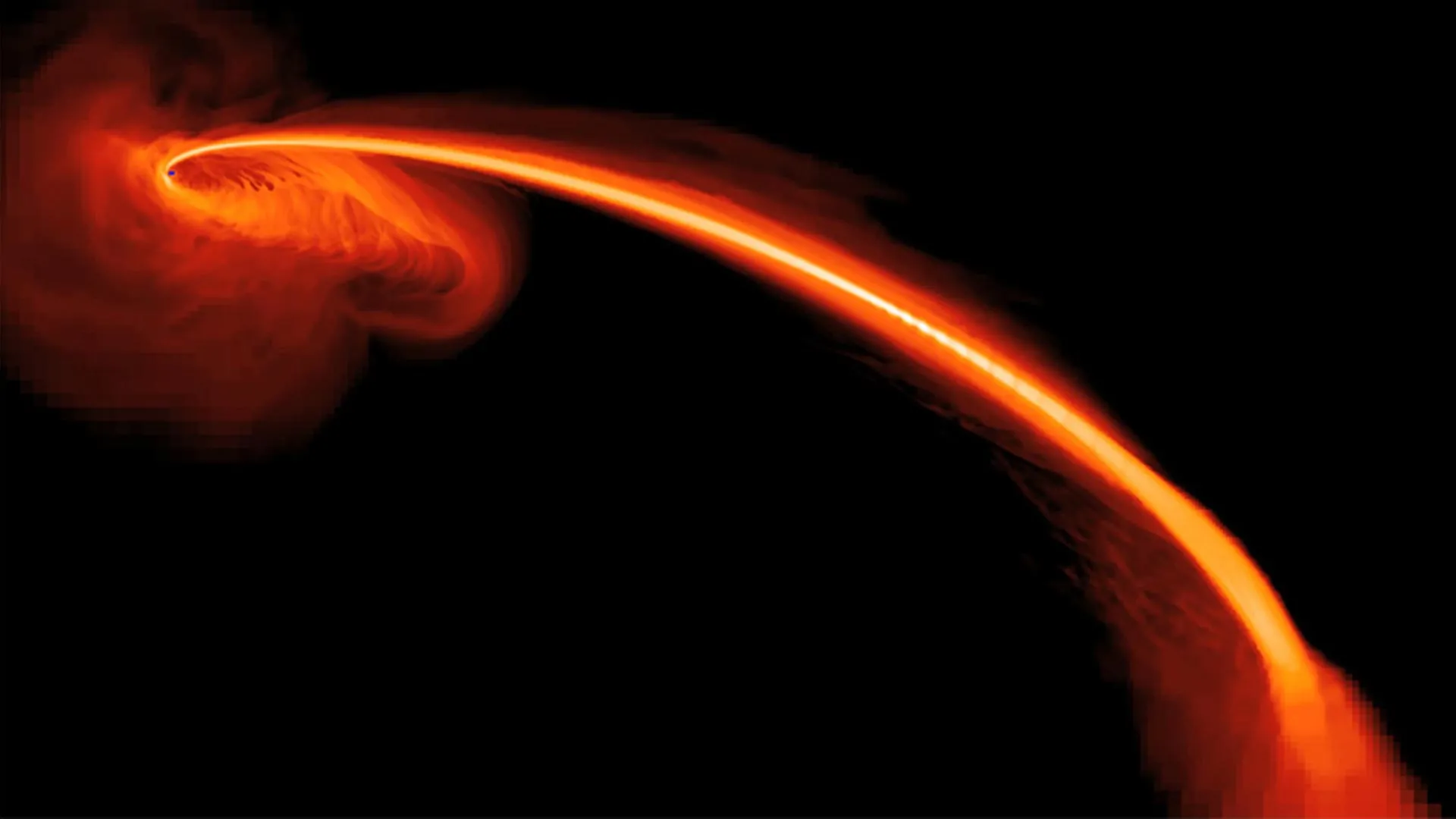
When a star passes dangerously close to one of these black holes, destruction is not always immediate. Some stars survive the encounter and return for additional close passes, generating a fresh burst of light each time.
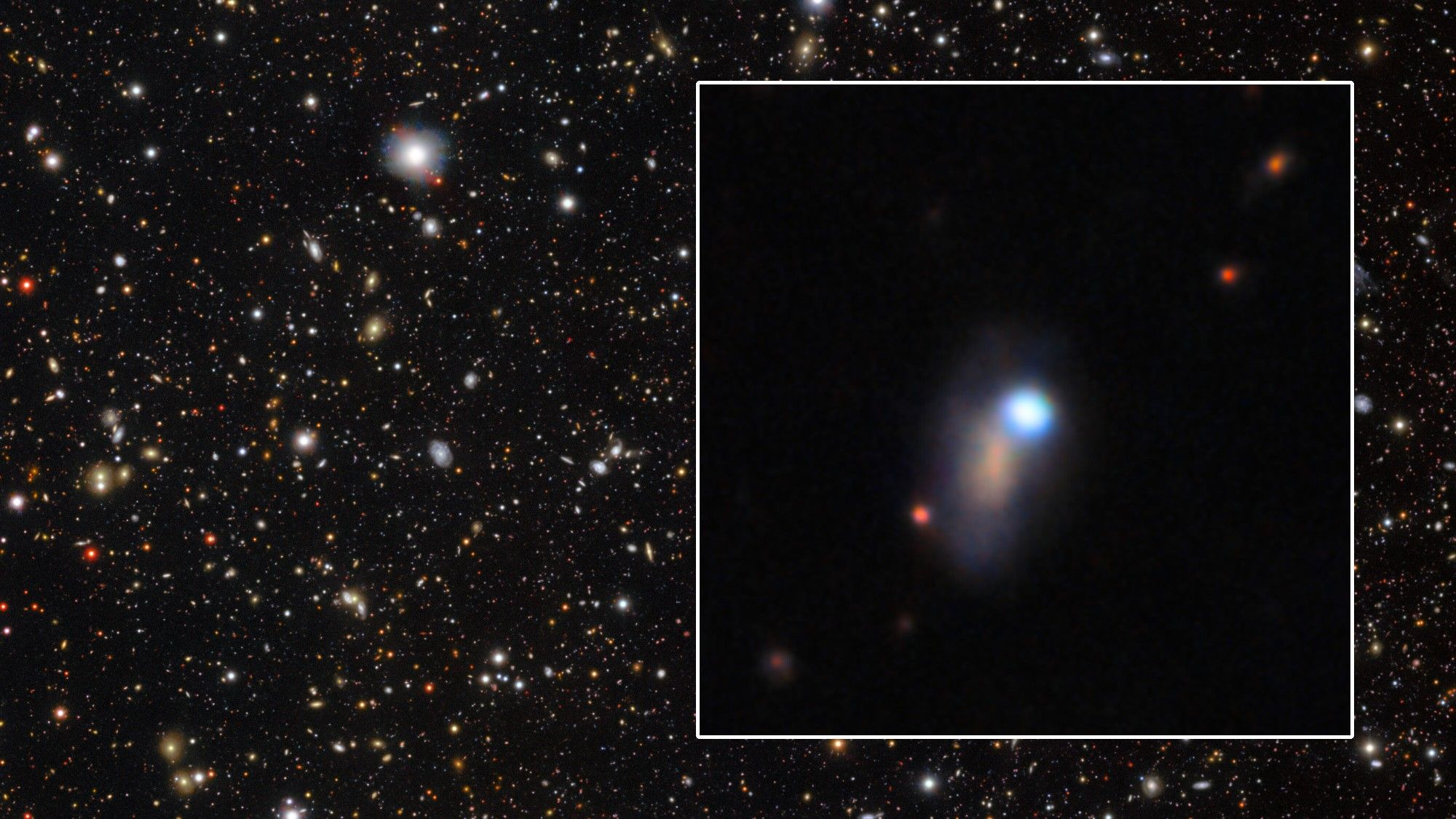
These events, known as repeating partial tidal disruption events (rpTDEs), allow astronomers to observe the same star interacting with the same black hole multiple times. Wide-field time-domain surveys make this possible by repeatedly scanning large regions of the sky and tracking objects whose brightness changes.
Yet some of these systems have presented astronomers with a mystery. Instead of producing similar flares on each return, they become steadily fainter. For years, theoretical models struggled to reproduce that behavior.
New research from astrophysicists at Syracuse University suggests that a previously underappreciated property of the star could provide the answer: how rapidly it was spinning before its first close encounter with the black hole.