view more
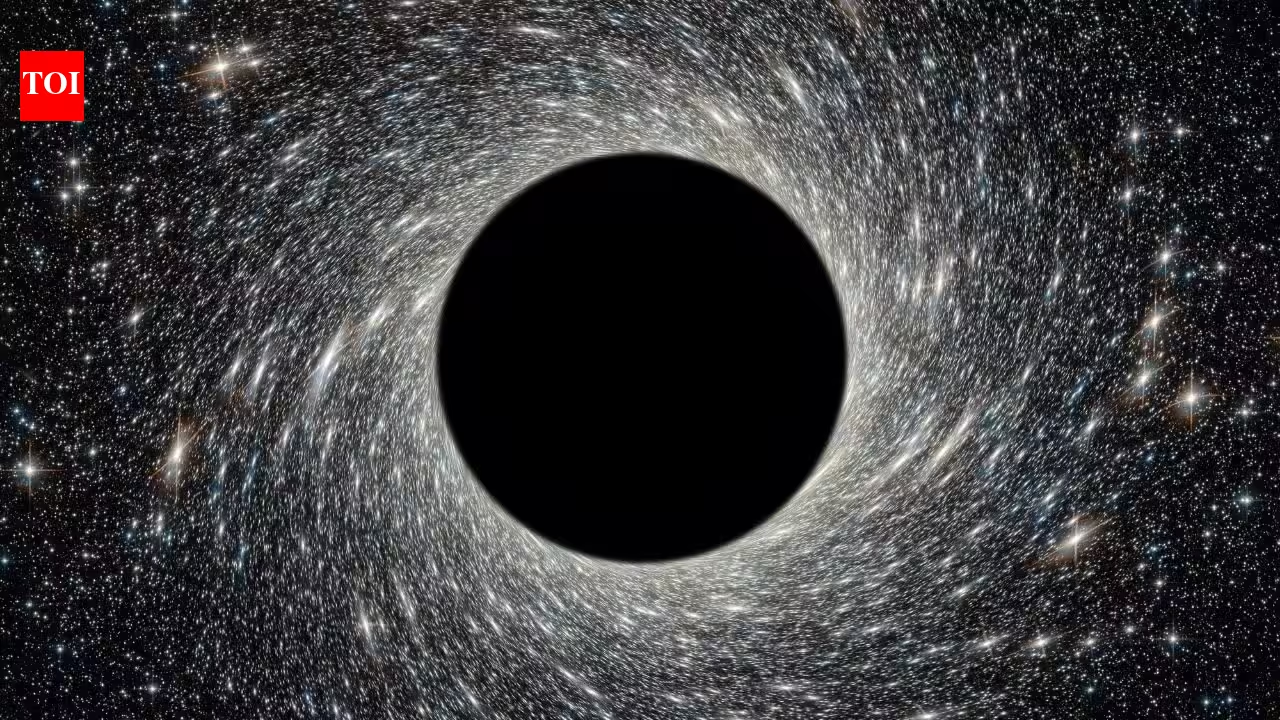
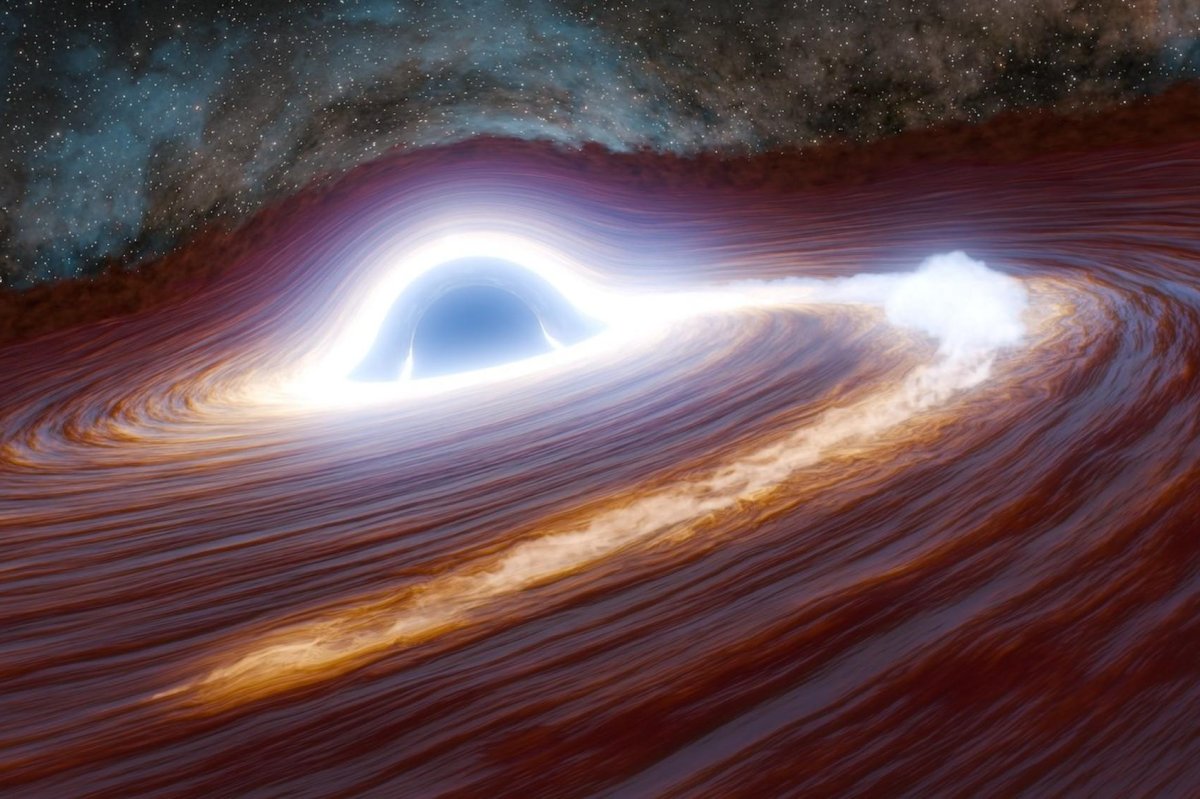
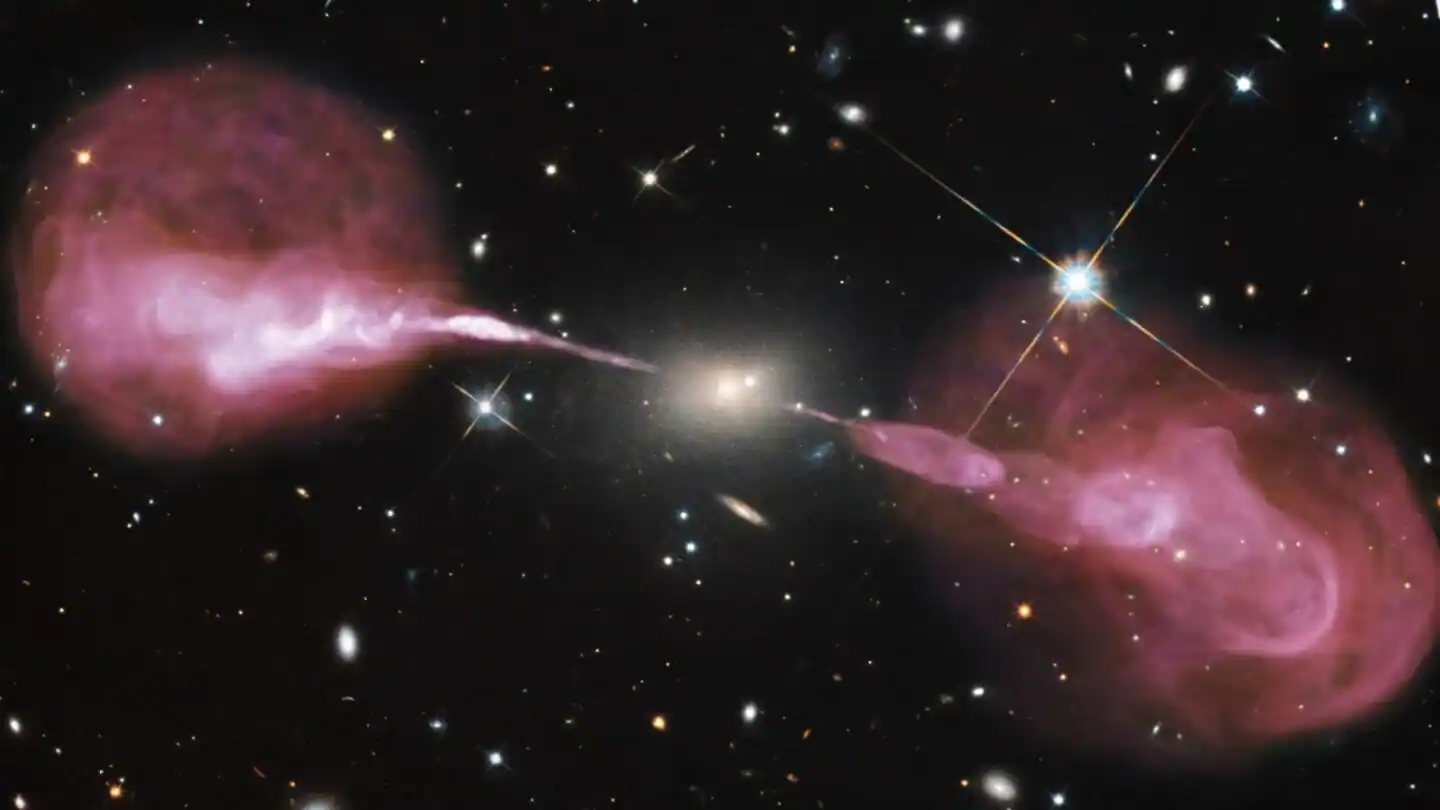
At the center of most galaxies lies a supermassive black hole, with a mass millions to billions of times that of our sun and some of the most extreme gravity in the universe.
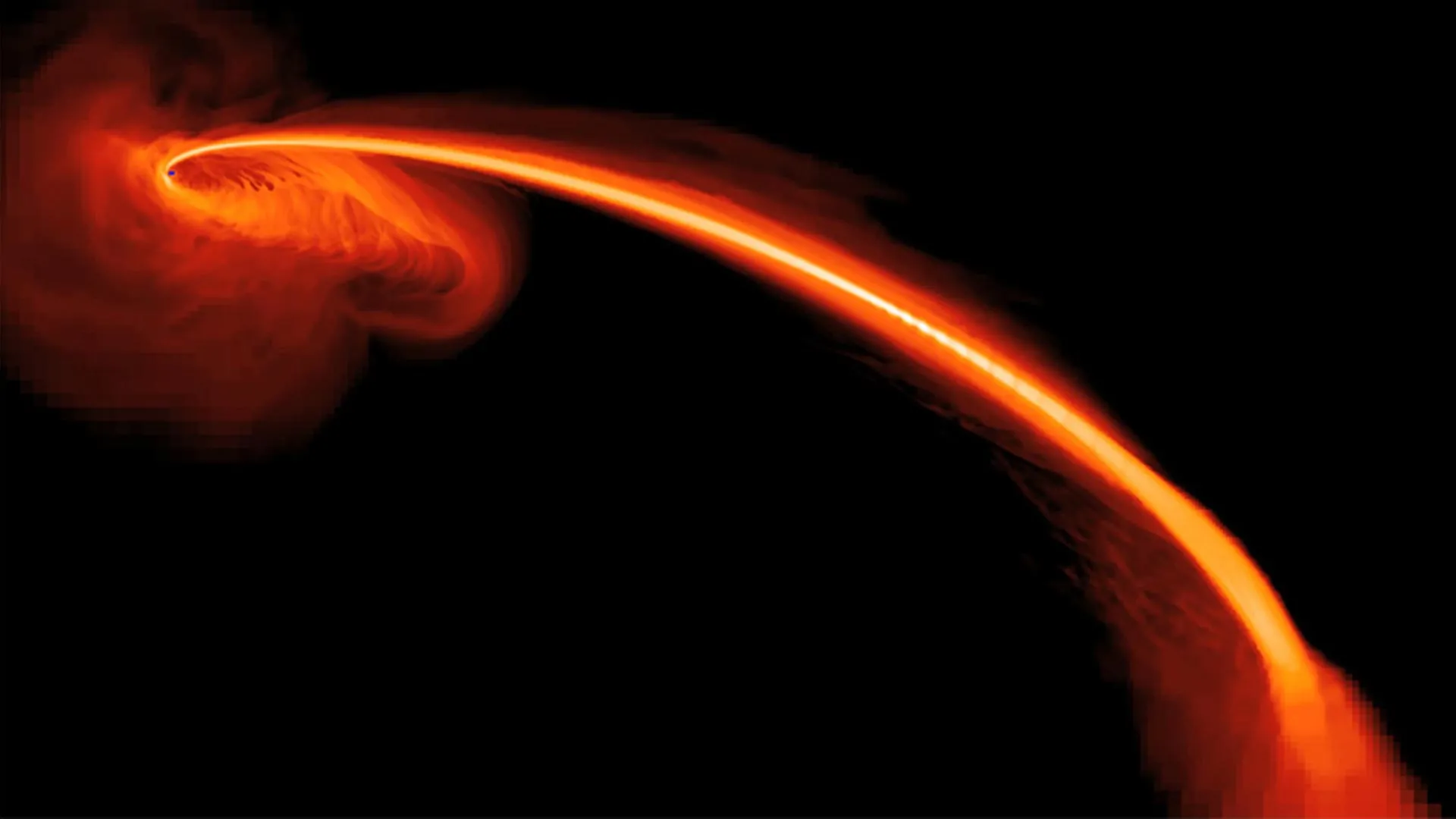
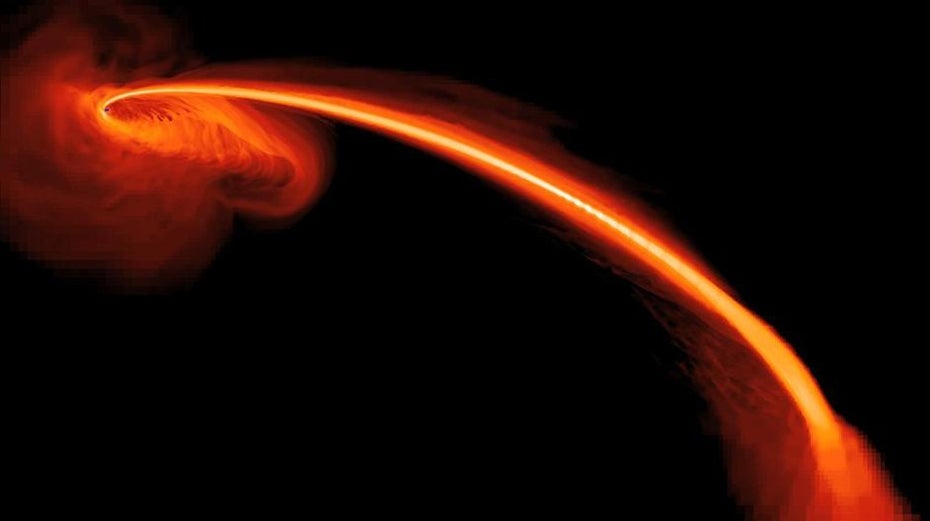
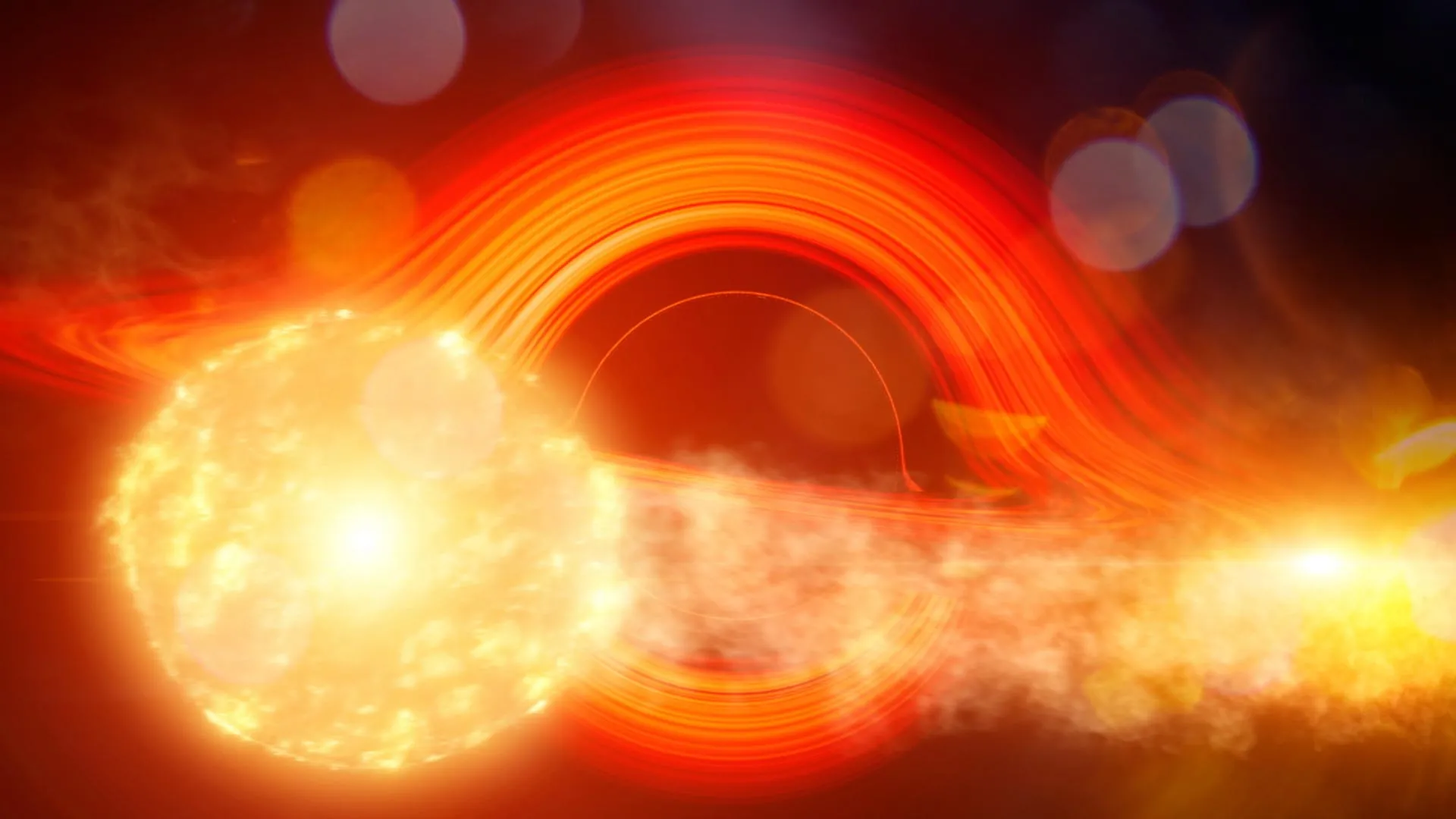
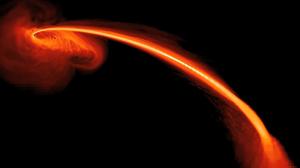
Some stars that venture too close to such black holes live to tell the tale. Rather than being completely destroyed, they survive to make repeated close passes, producing a new flare of light each time.
These repeating partial tidal disruption events (rpTDEs) give astronomers the opportunity to watch the same star and black hole interaction unfold again and again, thanks to wide-field time-domain surveys that repeatedly scan large areas of the sky for objects that change in brightness.
But in several cases, researchers have noticed a puzzling pattern: The successive flares grow progressively dimmer. For years, theoretical models couldn’t explain why.