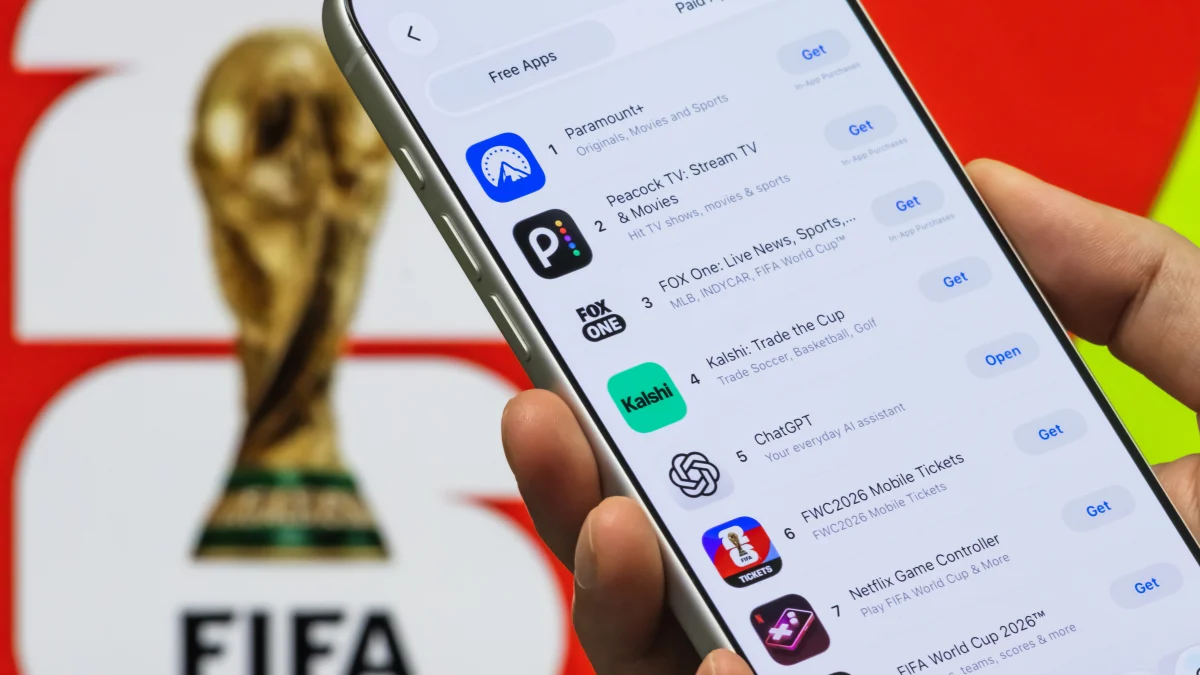
Kalshi bills itself as the “trade on everything” exchange. During the World Cup, it doubled as the advertise on everything exchange.
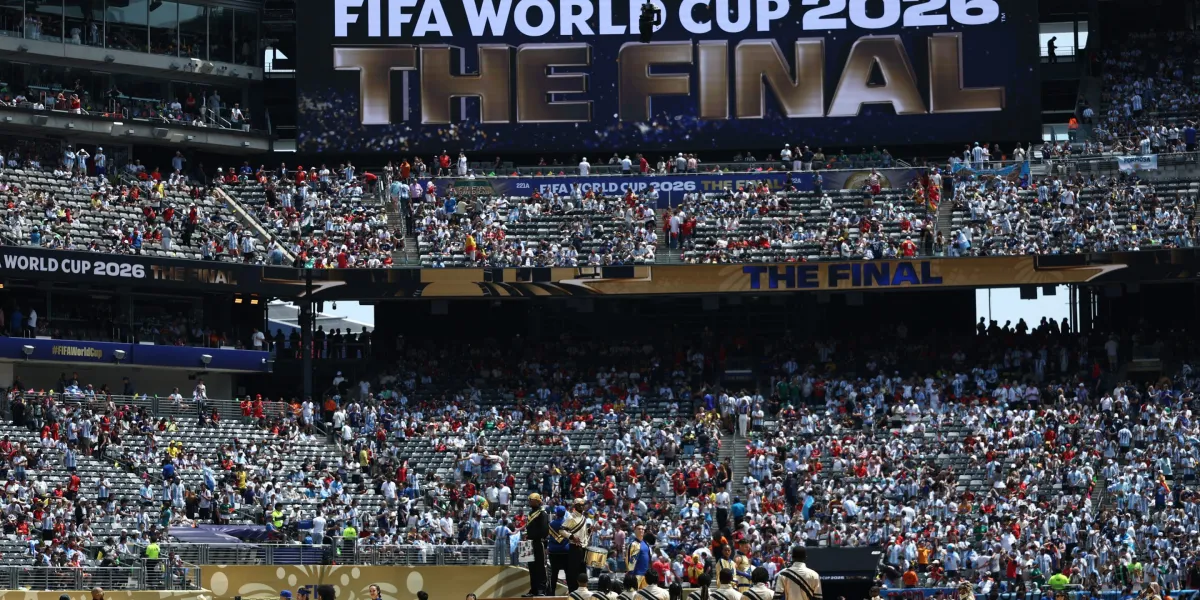
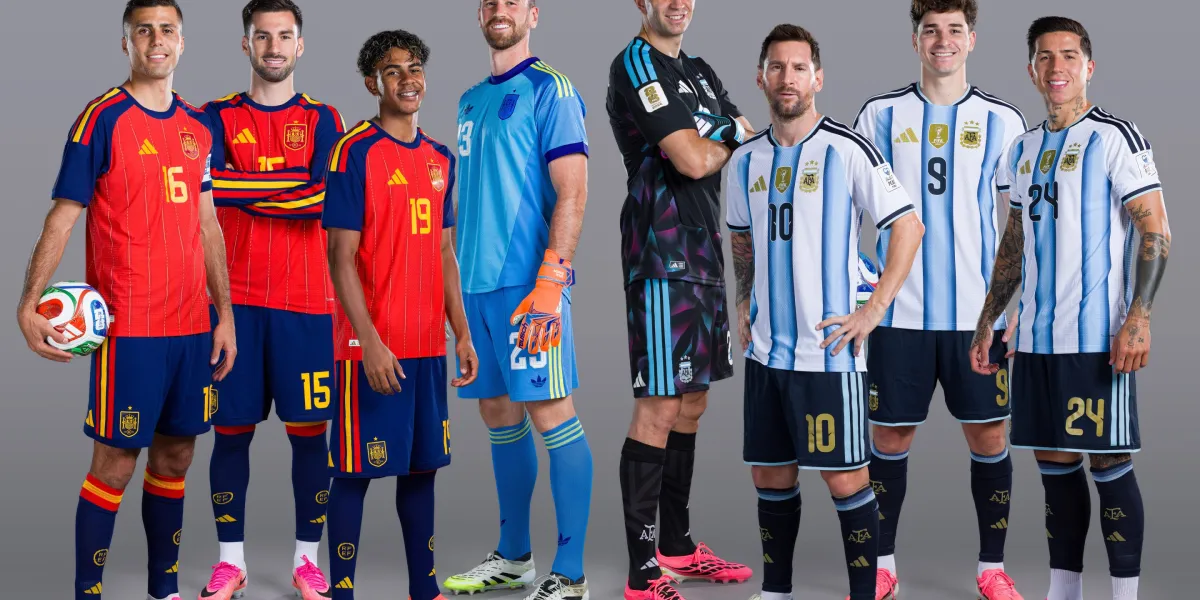
Lionel Messi and his Argentina teammates glaring down from a Times Square billboard alongside a Kalshi logo. Timothée Chalamet at the dentist, repeating “Kalshi, Kalshi, Kalshi” in a national TV ad campaign. Pitch-side signage at the World Cup final bearing company’s name.
Led by Kalshi and Polymarket, prediction market exchanges approached the grandeur of the World Cup as a golden opportunity to convert sports fans into new customers. The industry spent hundreds of millions of dollars on World Cup advertising and sign-up bonuses. Top-line growth followed: It only took a dozen or so days in July for U.S. prediction markets to reach the total notional volume the entire industry hit in May (a shade over $20 billion).
As operators gobbled up users nationwide, the market share rankings hardly changed, according to notional volume data compiled from public Dune dashboards and via independent Sportico research. Kalshi conceded little ground during the World Cup, while Polymarket maintained second place among federally regulated exchanges.
The biggest development has arguably been Robinhood’s newly activated exchange surpassing Crypto.com for third place in notional volume. This occurred despite Crypto.com’s exchange receiving more of a volume boost than Robinhood from prominent third-party brokers, such as Underdog Fantasy and Fanatics.