Story audio is generated using AI
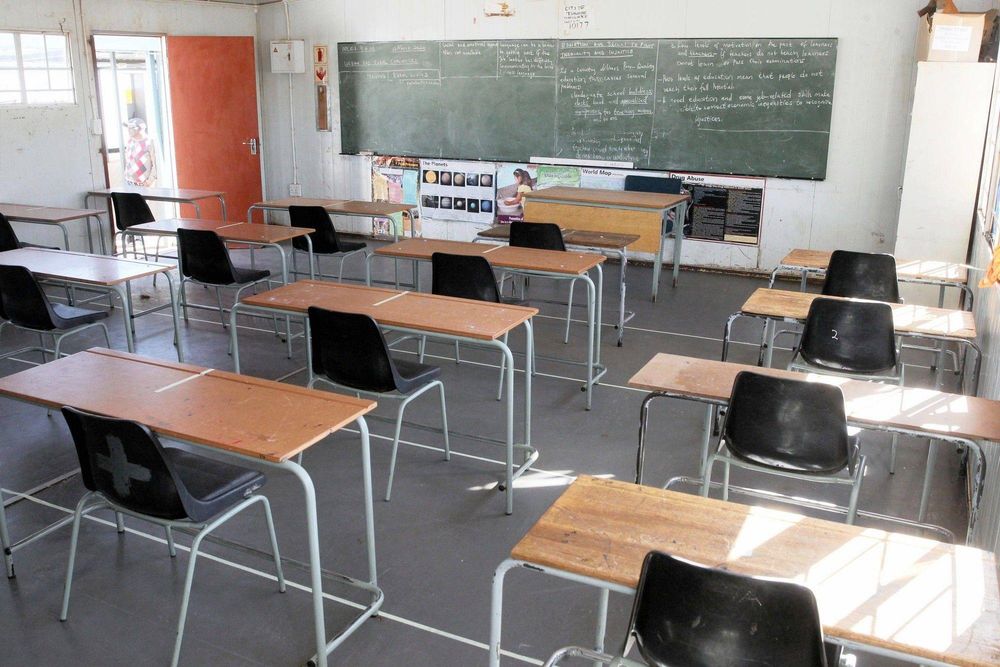
The City of Johannesburg has been barred from threatening to terminate the electricity supply to independent schools that are legally challenging its decision to slap the sector with a “business and commercial” tariff in a stinging judgment on the city’s conduct.The judgment, handed down by the high court in Johannesburg last week, ordered the city to cease terminating or threatening to terminate electricity supply to private schools in the city.The court found the terminations were causing irreparable harm to learners. The city drew the ire of private schools in 2023 when it removed a property category that applied to educational institutions and adopted a property rates bylaw and policy that categorised private schools as public enterprises.The decision led to a spike in property rates and taxes for private schools and other educational institutions. The industry took the city to court, and the high court last year declared the 2023 decision by the city to be unconstitutional and unlawful and ordered the city to phase in the property rates over four years from 2023/24 to 2026/27.The Independent Schools Association of Southern Africa (Isasa), which has 244 member schools in Johannesburg serving 64,952 learners, approached the court, asking it to rule that the city has breached the 2025 order.The lobby group said the basis of its application was that the city had continued to enforce the “business and commercial” tariff against independent schools, including by terminating or threatening to terminate electricity supply to schools for nonpayment of rates levied more than the rate prescribed by the order.The city’s rebuttal was that it had a different interpretation of the 2025 order, contending that it applies only to the 2023/24 financial year. The city further argued that the credit control action complained of was taken regarding unpaid municipal services (electricity, water and sanitation), not property rates.Read: Ignored warnings have pushed municipalities to the brink, says BLSAJudge Thifhelimbilu Mudau, in a judgment handed down last week, was left unimpressed by the city’s explanation and tore into the city’s conduct, reminding it of the substance of the 2025 decision.“In its judgment, this court recognised the vital and indispensable role that independent schools play in providing education to thousands of learners who are not served by a failing public school system. It noted ‘that the state has not opened a new public school in the Johannesburg CBD in the last 30 years or so, despite the substantial increase in the inner-city population’,” reads the judgment.“Judicial notice was taken of the ‘notorious fact’ that ‘schools in Gauteng are in crisis’ and ‘do not have capacity to accommodate the growing number of learners in the province’.” In this context, “independent schools made a necessary and indispensable contribution to expanding and improving access to basic education for thousands of children in the city”. “There are now three separate proceedings pending in this court that attack the same decision to categorise private educational properties as ‘business and commercial’. Two of those reviews have been successful. The other is pending. This appears to have had no influence whatsoever on the city’s conduct.”Alana Bailey, AfriForum head of cultural affairs, said the growing number of children needing access to schools in Gauteng and the poor quality of education offered by some public schools have caused the emergence of more private educational institutions. “Schools are struggling to stay afloat with large numbers of learners and lower incomes. Then municipalities cause this sector to be further crippled with excessive and ridiculous property rates and taxes. All spheres of government are supposed to assist these institutions to grow, not to target them and use them to generate more income.”Business Day