Story audio is generated using AI
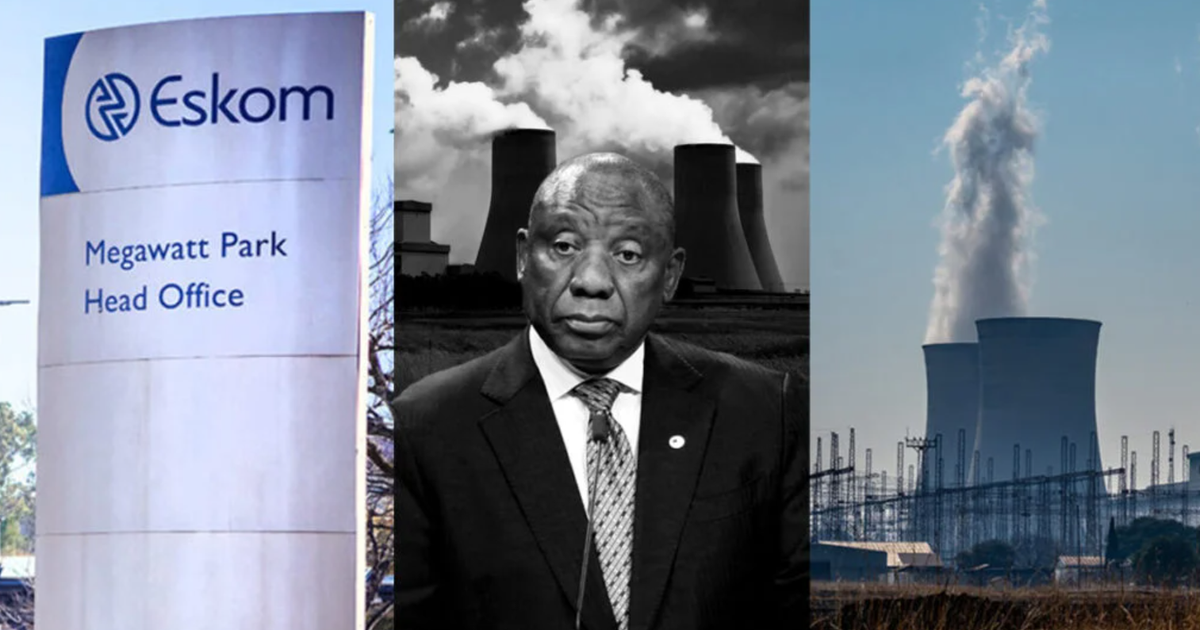
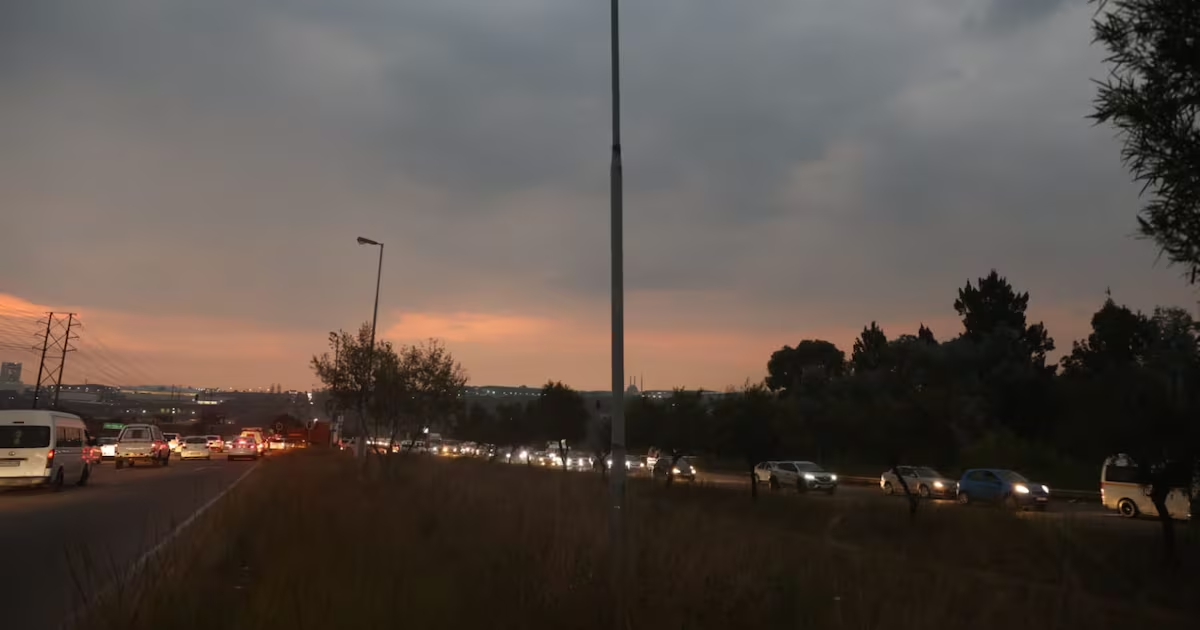
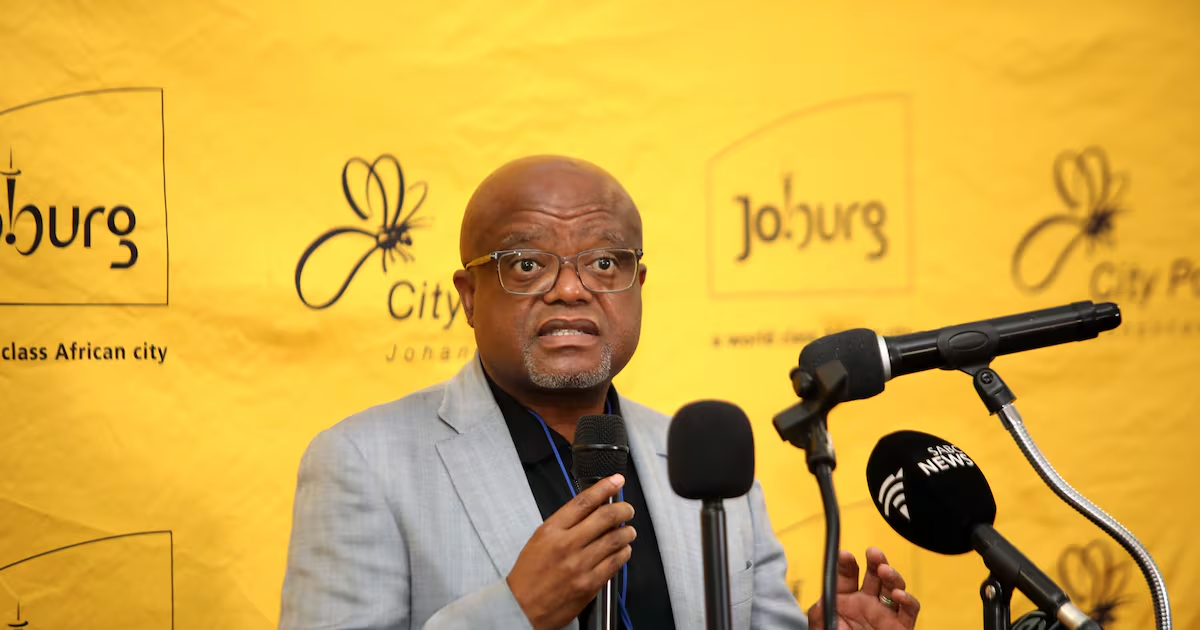
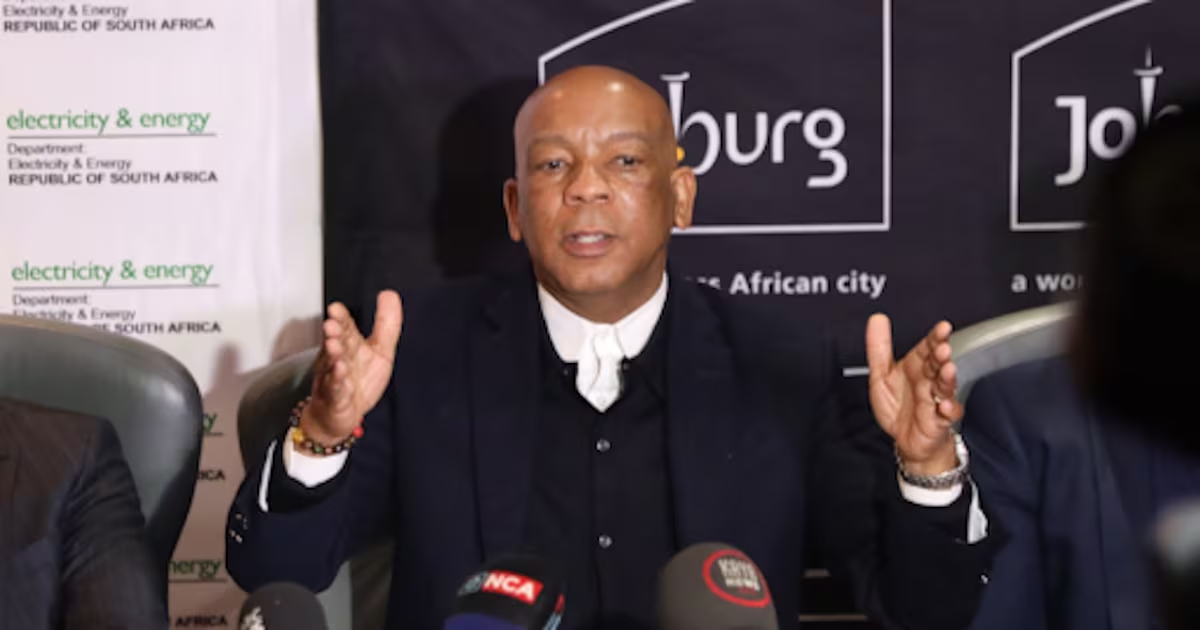
Residents and property owners in Joburg will no doubt be alarmed at news this week that Eskom intends plunging swathes of the metro into freezing darkness to recoup the R5.2bn debt it is owed by the city. It’s just the latest sign of the dramatic demise of what was once Africa’s greatest city.Instead of paying Eskom for the bulk electricity distributed — at a profit — by the inefficient and corruption-ridden City Power, Joburg has been holding on to the money. So when darkness comes, if it does, many residents could find themselves in the absurd situation of fumbling around in candlelight despite having paid their bills.The threatened cutoff could be the straw that breaks the camel’s back for many businesses and households, which have already had to endure electricity price increases of 1,571% since 2000 — what was once a R500 bill has now risen to R8,357. While electricity prices have soared, salaries have stagnated, with unemployment and financial distress widespread.Eskom has gone from being one of the world’s cheapest electricity producers to a cumbersome behemoth. But while Eskom cannot escape criticism, with its costs imposing a heavy burden on municipalities, Joburg has hardly covered itself in glory.The city reached a court-sanctioned agreement with Eskom last year to pay the R5.2bn, but under the leadership of mayor Dada Morero, no such thing has happened. Court orders have been ignored, and the city carries on as if it is accountable to no-one in particular except its own financial and political interests.Having just been hauled over the coals by finance minister Enoch Godongwana for its chaotic finances, Joburg’s political leadership received scant sympathy from electricity & energy minister Kgosientsho Ramokgopa, who has told the city in no uncertain terms to get its house in order and pay up. He will oversee another round of negotiations between Eskom and Joburg in an attempt to find a solution.Ramokgopa has strongly hinted that Eskom may step in to take over some of the city’s electricity-distribution functions, including collecting revenue directly from residents by means of a distribution agency agreement. He was scathing about City Power and the city’s billing chaos, and suggested that revenue collected from electricity sales be ring-fenced and paid over to Eskom directly.We’ve gone a year without load-shedding, and that is cause for celebration — but at what cost? New plans for the electricity sector make little provision for a prominent private-sector role, leaving Eskom with near-monopoly status. Even those who have invested in solar power now find themselves targeted by a campaign to bully them for not using Eskom power.With Eskom effectively a law unto itself — deemed too big to fail and propped up by government guarantees — the onus will inevitably fall on Joburg to do the right thing. Morero appears confident a solution will be found, saying he is confident that “Eskom will not pull the plug”. More negotiations, he said, will take place.Eskom’s possible takeover of parts of the city’s electricity operations could prove a prelude to a more far-reaching national government intervention. That South Africa’s richest city cannot manage its own affairs is a stinging indictment of a political leadership seemingly more concerned with staying in office than providing residents with the services for which they pay every month.Technical and other interventions to keep the lights on and save the city must proceed. But it’s ultimately up to voters, in November, to have their say and ensure they cast their ballots with their own interests and those of the city uppermost in mind.