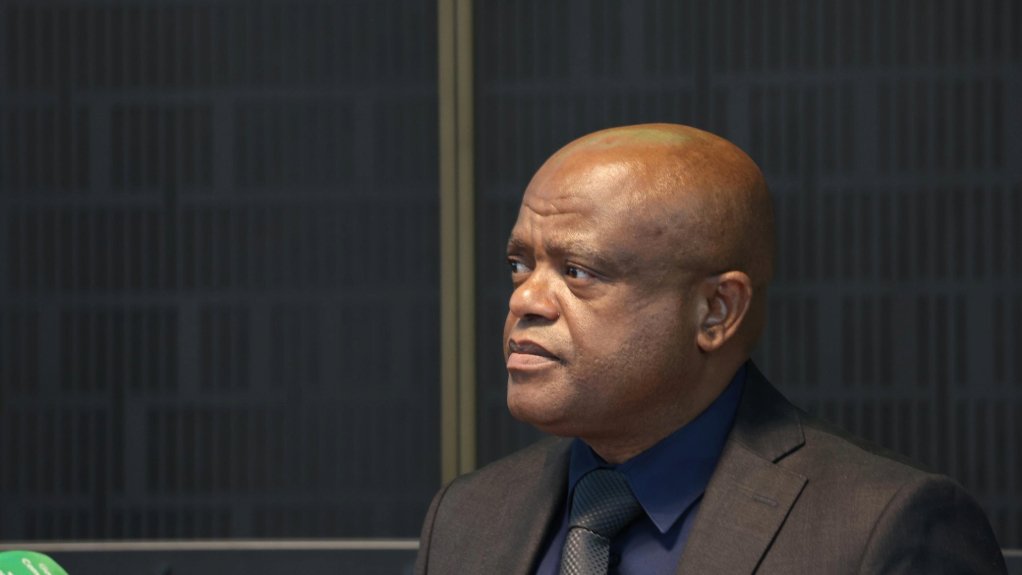
Story audio is generated using AIBusiness Leadership SA (BLSA) CEO Busi Mavuso has warned that South Africa’s financial and commercial hub of Johannesburg is at risk of having its electricity supply cut as the city’s Eskom debt of R5.3bn is not being resolved in a sustainable way. The country cannot afford the metro, which contributes about 16% to national GDP and accounts for roughly 40% of Gauteng’s economic activity, to fail. “The R5.3bn debt that the city owes to Eskom is not being resolved in a sustainable way, and the consequences became more concrete last week,” Mavuso said in her weekly newsletter on Monday. “Eskom granted Johannesburg a brief reprieve, agreeing to delay by 30 days its Promotion of Administrative Justice Act (Paja) process — the legal procedure Eskom must follow before it can cut electricity supply to the city,” she said. “The delay was brokered by electricity and energy minister Kgosientsho Ramokgopa. But in announcing the delay, Eskom noted that Johannesburg missed a June 5 deadline to pay its current account, despite having paid R1.2bn toward its accounts since the Paja process began. Because the city missed that deadline, Eskom is now resuming the Paja process, which could ultimately mean cutting electricity supply to City Power.” Eskom spokesperson Daphne Mokwena couldn’t immediately be reached for comment. Joburg metro spokesperson Nthatisi Modingoane has been approached for comment, which will be added once received. The Johannesburg metro is technically insolvent as revenue collection levels do not meet budgeted targets, and it has an overexpenditure of about R3.9bn on employee-related costs, bulk electricity purchases, inventory consumed and operational costs. The council’s finances are severely constricted, with poor revenue collection resulting in its failure to meet service delivery targets. In April, GCR Ratings revised the city’s ratings outlook from stable to “rating watch negative” because of the metro’s delays in finalising its annual financial statements. The city, which has been battling water problems, has an infrastructure backlog of more than R200bn. The municipality has long been plagued by crumbling roads and deteriorating water and electricity networks, prompting President Cyril Ramaphosa, during an oversight visit to the city a year ago, to propose the establishment of a presidential working group. Ramaphosa noted on the visit that the city faced “enormous challenges, ranging from financial and governance instability to rapidly deteriorating infrastructure”. Gauteng co-operative governance and traditional affairs (Cogta) MEC Jacob Mamabolo has ruled out placing South Africa’s troubled economic and financial hub of Johannesburg under administration, as the metro is working “hard” to address governance failures and financial challenges. A Cogta MEC can intervene and place a municipality under administration if it fails to meet its financial obligations and provide basic services to residents, among other things. On Monday, Mavuso said the metro’s “weak financial position makes settling the legacy debt extremely difficult”, adding: “Our analysis shows Johannesburg is nearly a year late on average in paying its suppliers, and Eskom is no exception. The BLSA council is meeting this week to consider analysis of Johannesburg’s predicament and discuss how business can support its recovery. There is much to be done. “The city has consistently been unable to collect the revenue it forecasts in its own budgets,” Mavuso said. “It spends far too little on maintaining its infrastructure, let alone investing in new infrastructure. Its budget is consumed by consumption spending, but it fails to provide the services that business needs to be competitive and contribute to the growth of the South African economy.” Municipalities owed Eskom more than R111bn, but Johannesburg’s debt “is the largest, and resolving this debt is critical to Eskom’s own financial recovery. As I wrote two weeks ago, this debt is one symptom among many of the city’s mismanagement that organised business has flagged as a critical risk to the broader economy.“Restoring Eskom’s financial position matters beyond Johannesburg. It is essential to stabilising Eskom and delivering the competitive electricity market we have been working toward,” Mavuso said. “Business is committed to supporting a resolution to Eskom’s municipal debt crisis. However, at the same time we must make progress on the wider electricity reform roadmap that the National Electricity Crisis Committee has driven over the past several years. That roadmap leads to a competitive electricity marketplace with multiple suppliers competing for customers.” Business Day
Joburg risks blackouts as Eskom digs in over huge debt, warns BLSA
BLSA CEO Busi Mavuso says the city's R5.3bn debt to Eskom is not being resolved sustainably
714 words~3 min read