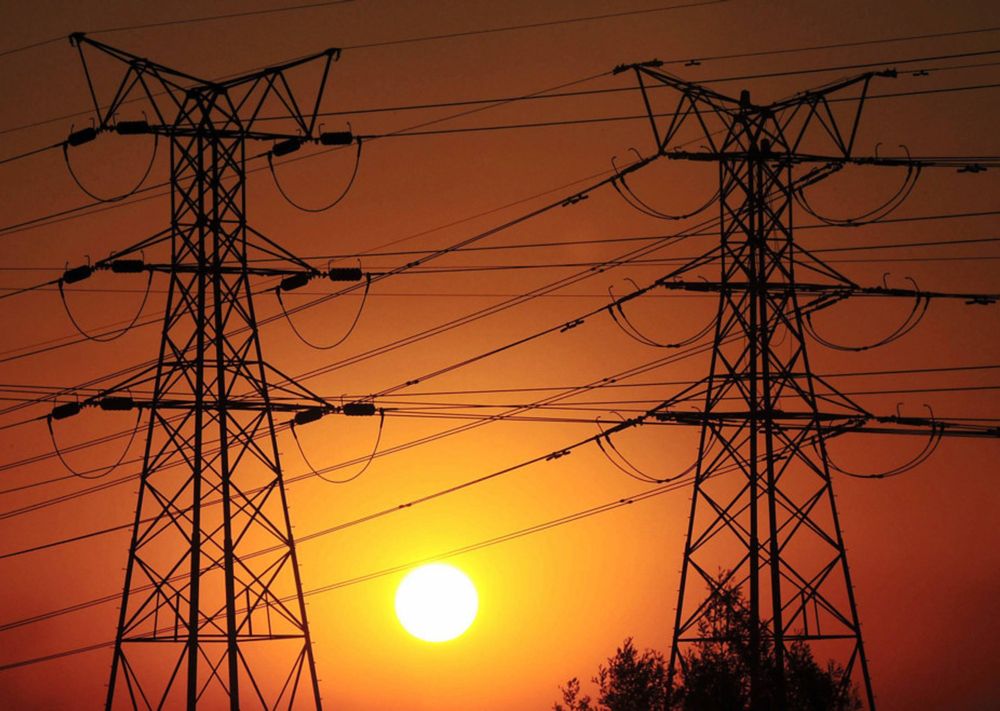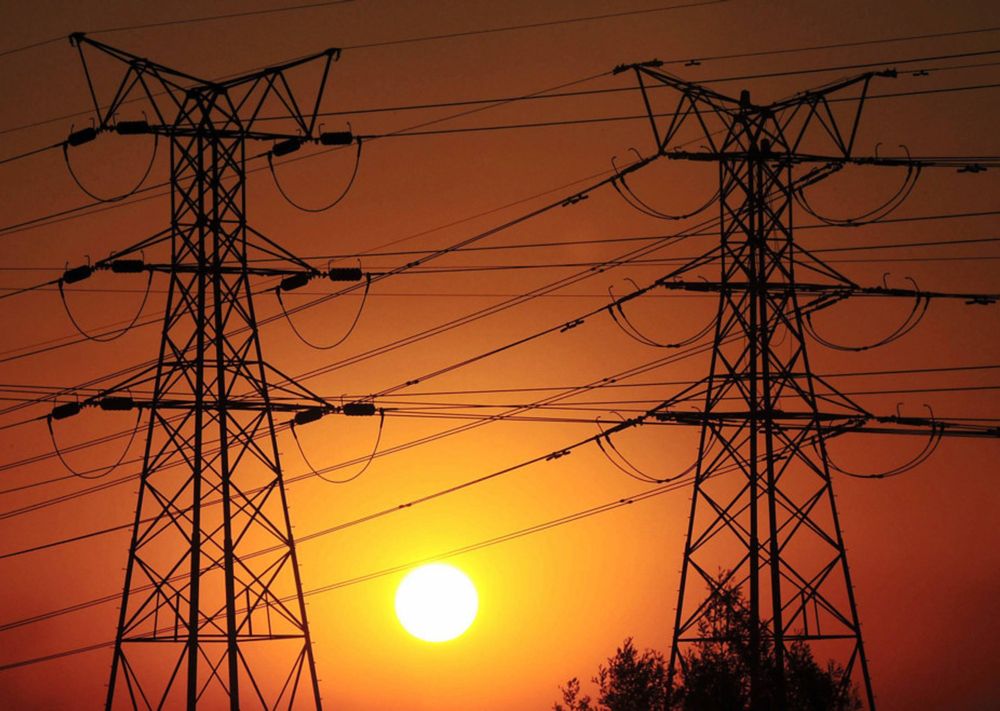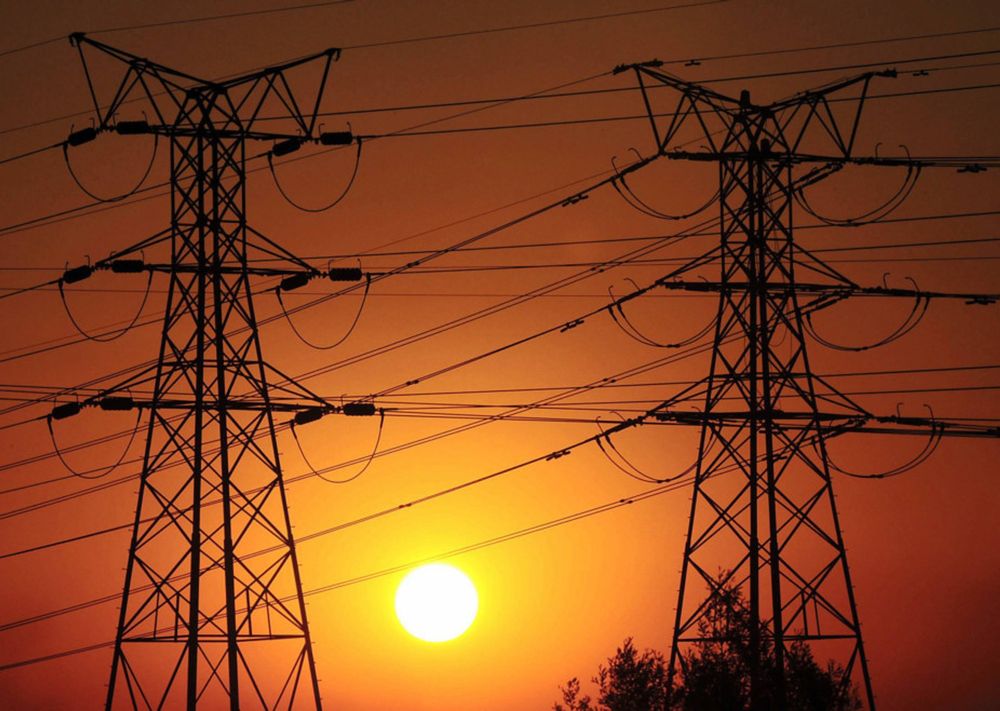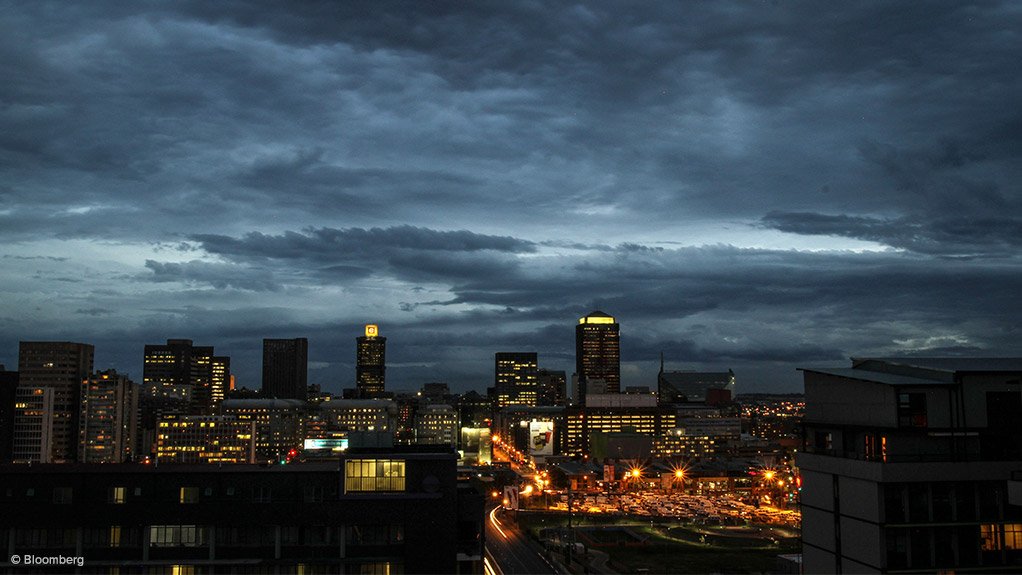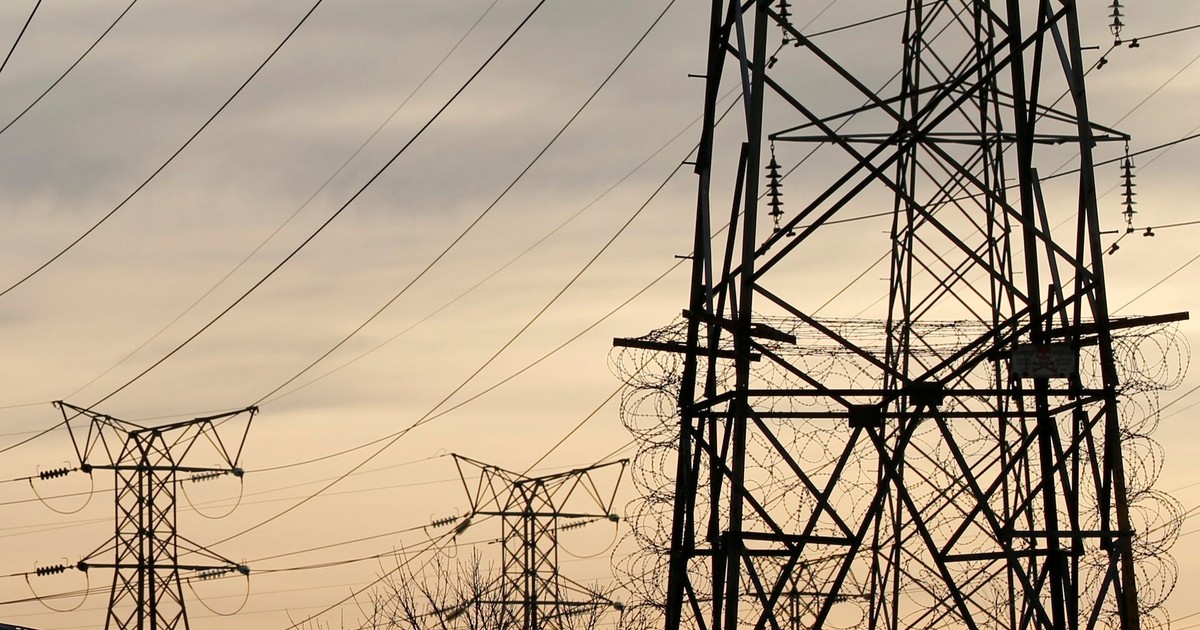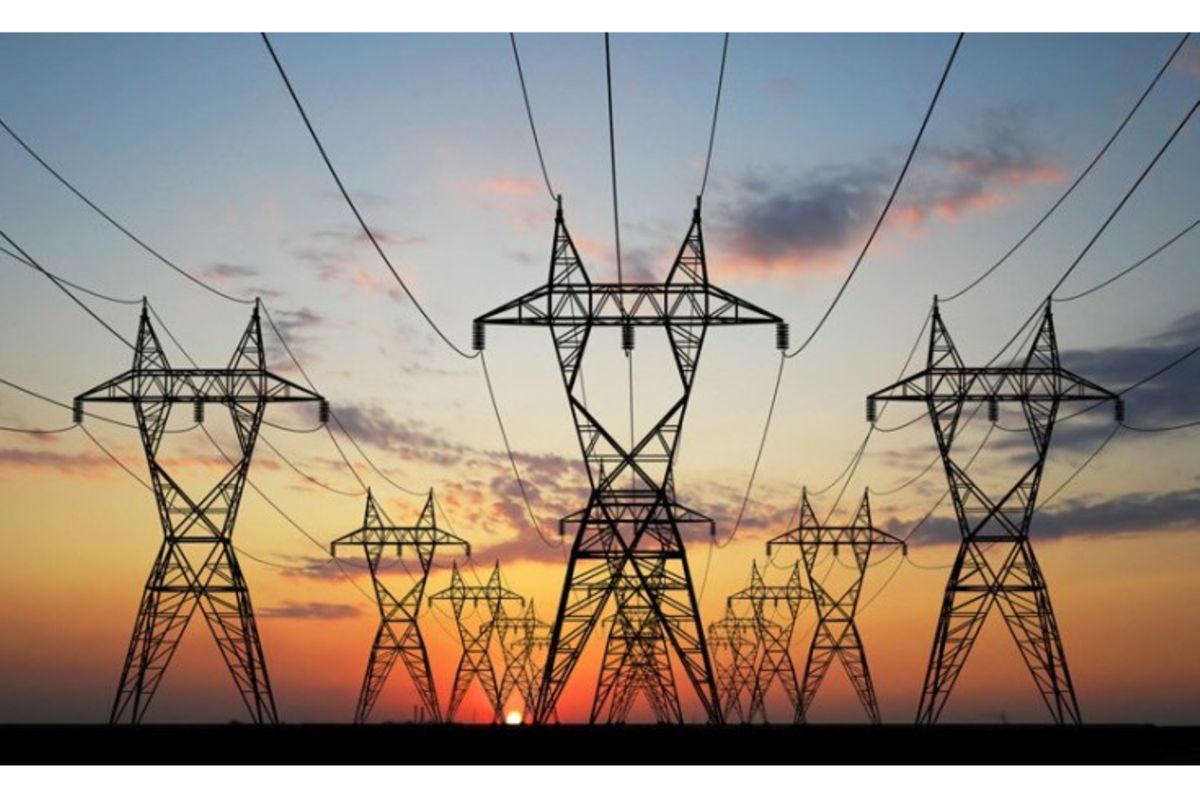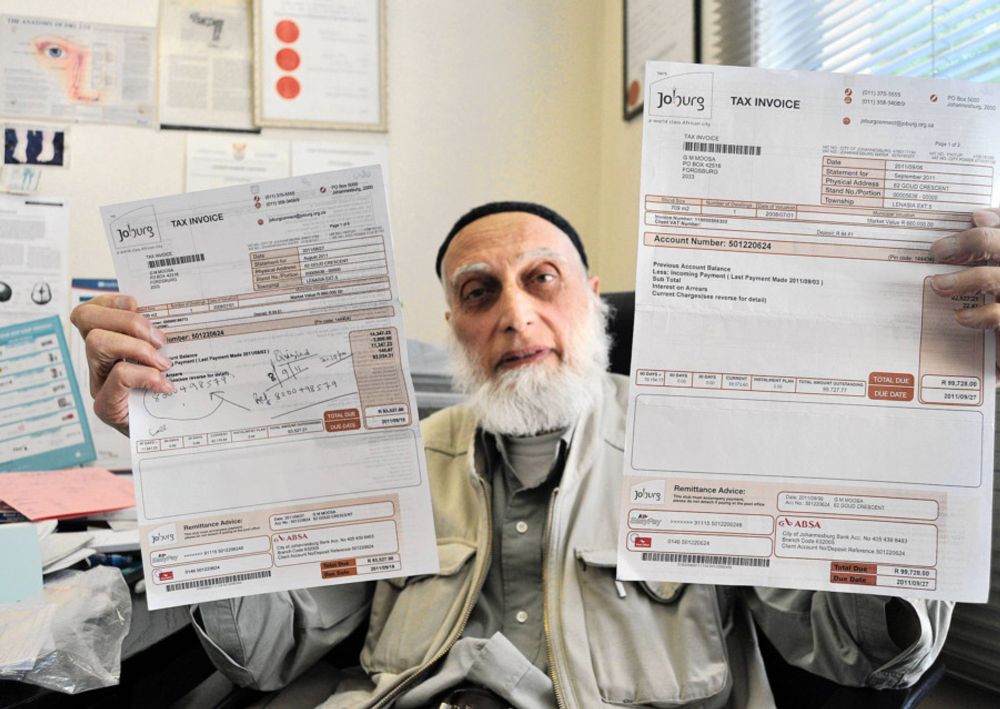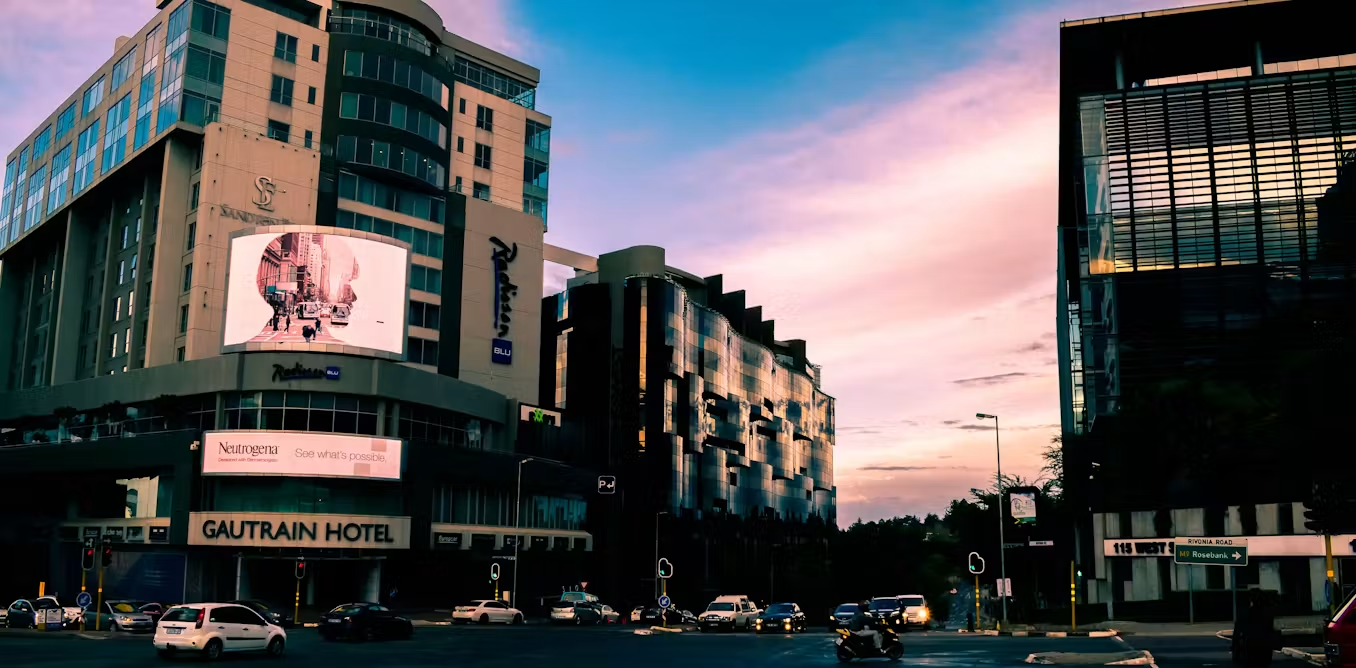
Just over a third (38%) of the residents of South Africa’s commercial capital, Johannesburg, reported being satisfied with their electricity services in a survey conducted in 2023/2024. This was down from 77% in 2017/18. The decline reflected years of citizen concerns about the service. In 2026 the auditor general noted that the city had spent only 1% of its operating budget on maintenance in 2024/25, against a national treasury guideline of 8%. As part of a response to these concerns, in May 2026 the City of Johannesburg and the German state-owned development bank Kreditanstalt für Wiederaufbau (KfW) announced agreement on a R3.8 billion (over US$230 million) concessional loan to help fix the city’s electricity utility, City Power.
The announcement came weeks after a letter sent by the finance minister to the city raised concerns about years of unfunded budgets and poor financial management. The Conversation asked urban and economic development scholar and specialist Glen Robbins to reflect on issues related to the loan.
Why do South African cities borrow?
Since the 1994 democratic settlement in South Africa, and as part of the reforms to the country’s local government arrangements, there has been some level of borrowing to support metropolitan budgets. It’s been used alongside national and provincial grants, and own revenue, to: