Independent schools once again challenged the City of Johannesburg's property rates formula after the court last year slammed the city's categorisation of educational properties as 'business" in its rates and taxes calculations.
Independent schools have once again turned to court over the property rates they are being charged by the City of Johannesburg, which, despite an earlier order declaring these rates as unconstitutional, is still persisting in charging these higher rates.
The Gauteng High Court, Johannesburg was told that in several cases the electricity supply of these schools, which could not foot the bill, was discontinued. This, in spite of the court last year slamming the municipality’s rates policy regarding private schools.
The court earlier set aside the city’s 2023/2024 property rates by-law, as well as the property rates policy with regard to the categorisation of educational institutions. The ruling followed the city's removal of a property category that applied to educational institutions and adopted a property rates by-law and policy that categorised private schools as public enterprises.
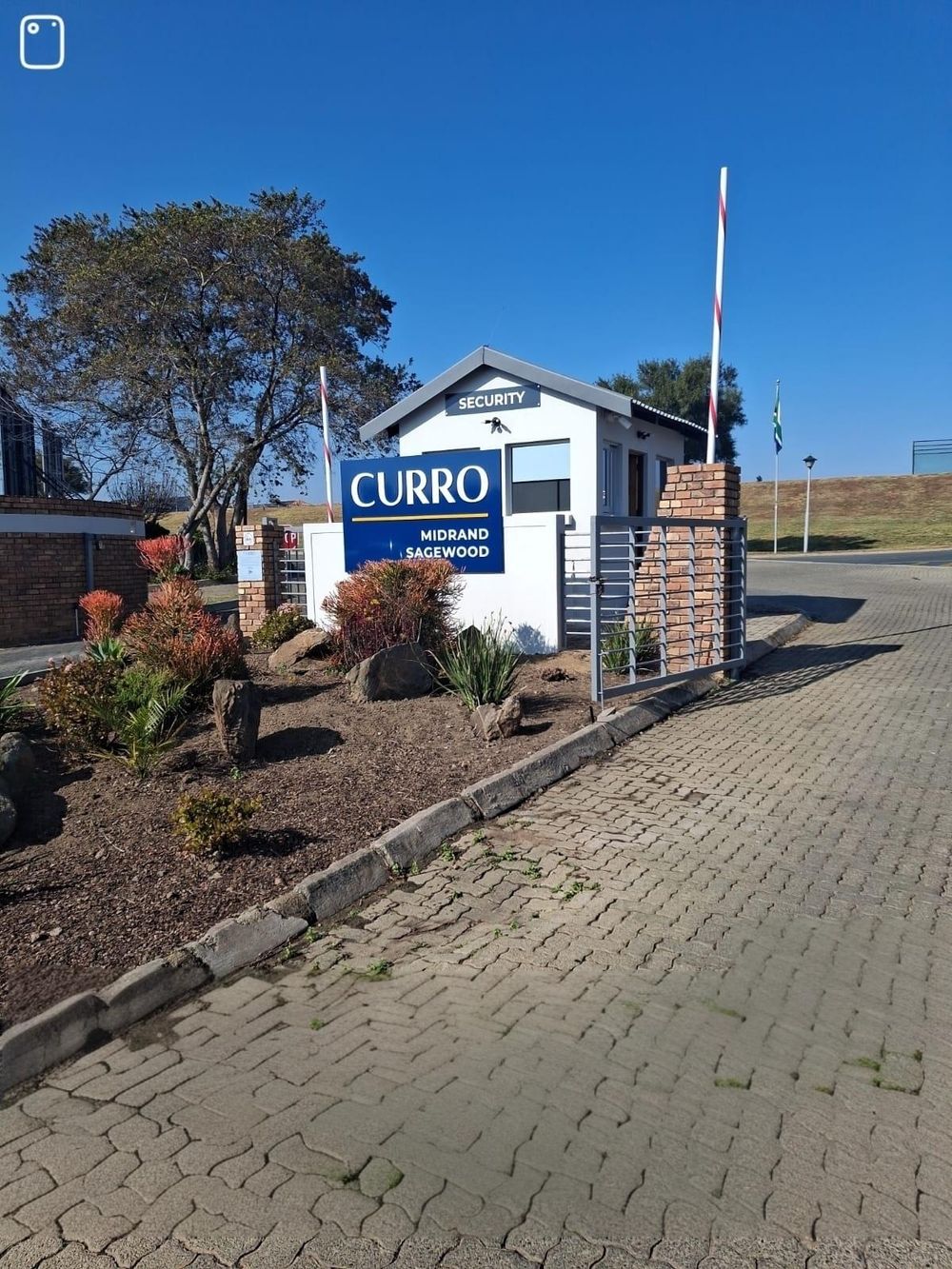
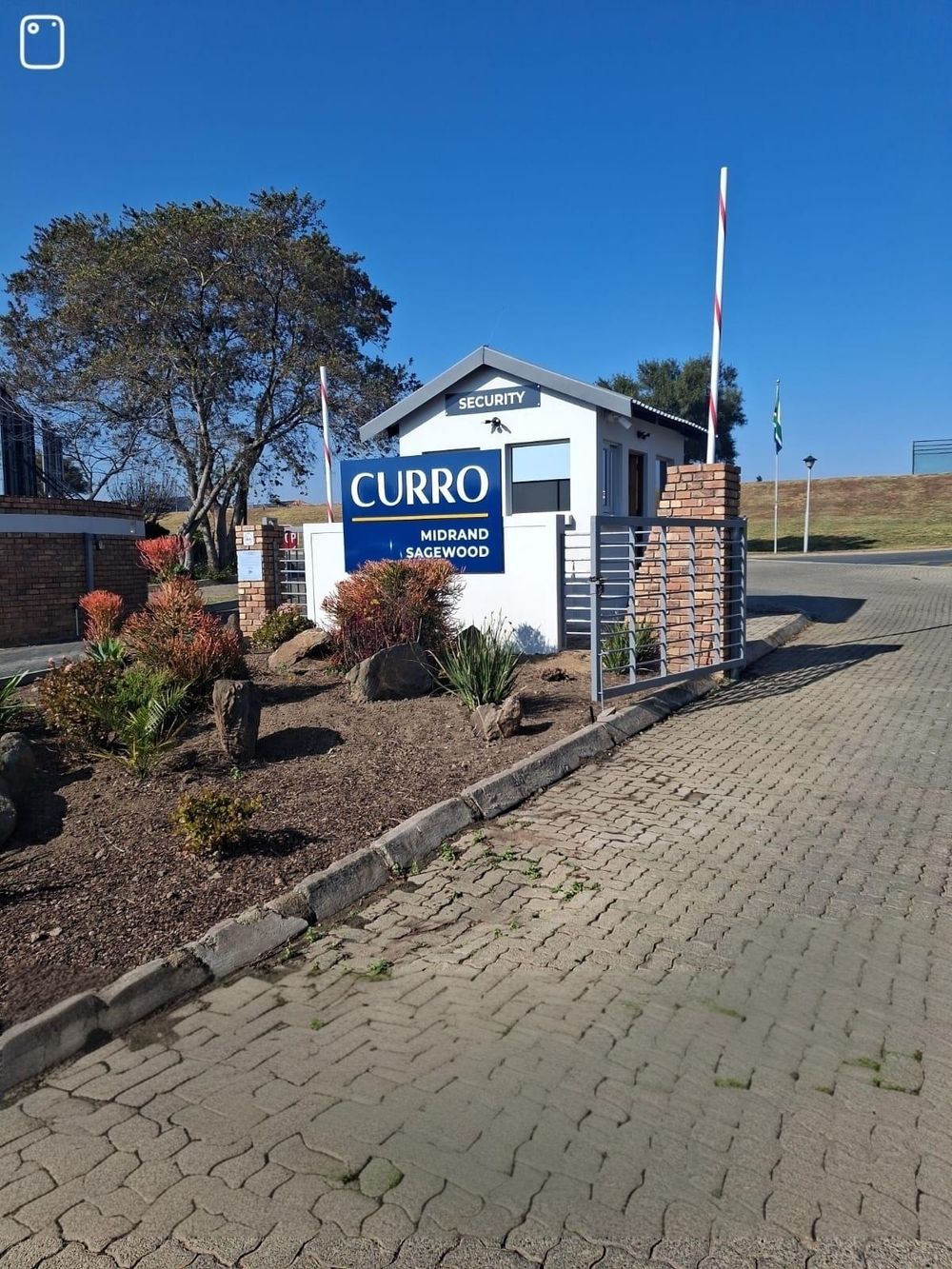
This led to a drastic increase in property rates and taxes for private schools and other educational institutions. Various stakeholders, including Curro Holdings, the Independent Schools Association of South Africa, and AfriForum launched the application following the drastic school rates increase. The Independent Schools Association of South Africa is a voluntary association of independent schools with over 244 member schools in Johannesburg, serving 64,952 learners.