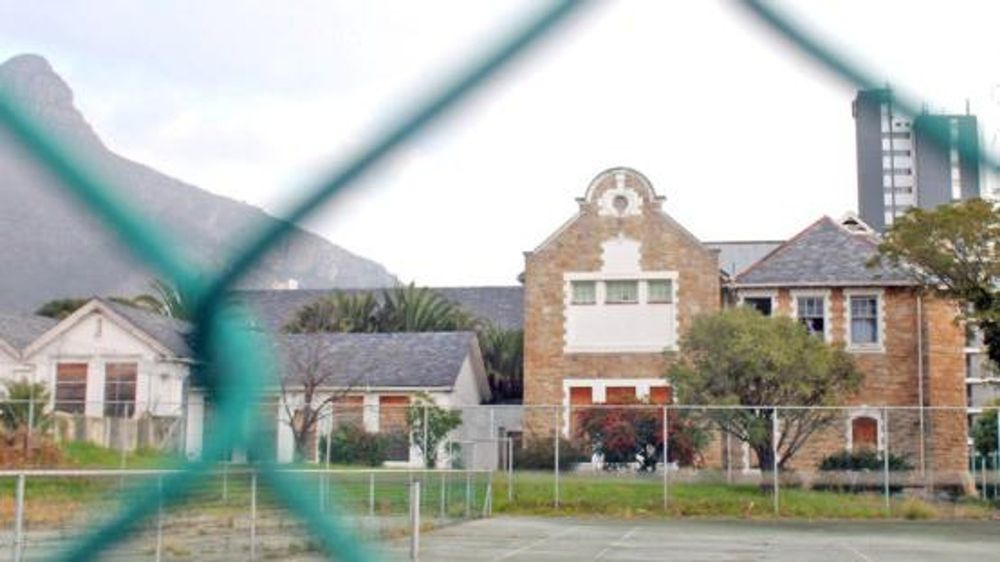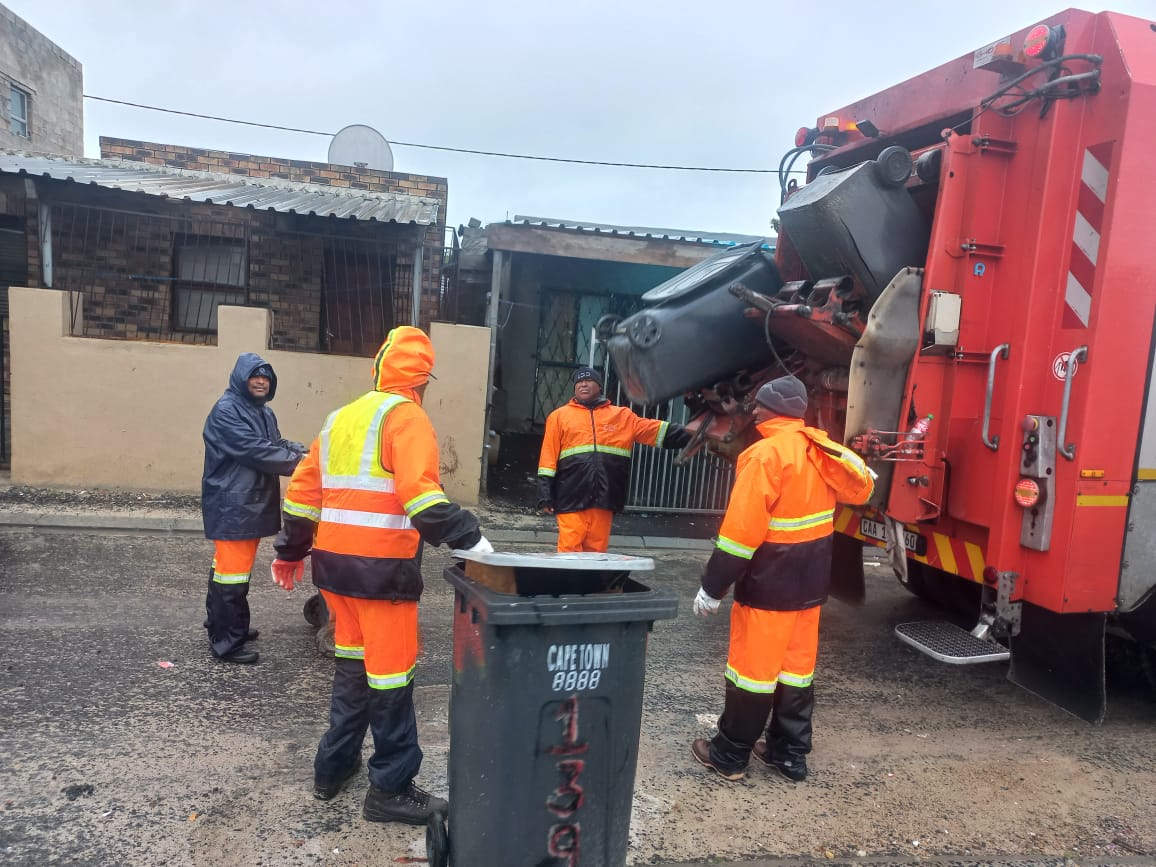
Tax in disguise: Cape Town structured the levy based on property value — the more expensive your home, the more you paid for service delivery. Picture: City of Cape Town
A court case that most South Africans probably scrolled past this month deserves a lot more attention than it got. On 30 April 2026, the Western Cape High Court ruled that Cape Town’s fixed charges for citywide cleaning, water and sanitation were unlawful and unconstitutional.
The South African Property Owners Association (Sapoa) brought the case and won. The city has since decided not to appeal, which tells you everything you need to know about the strength of its legal position.
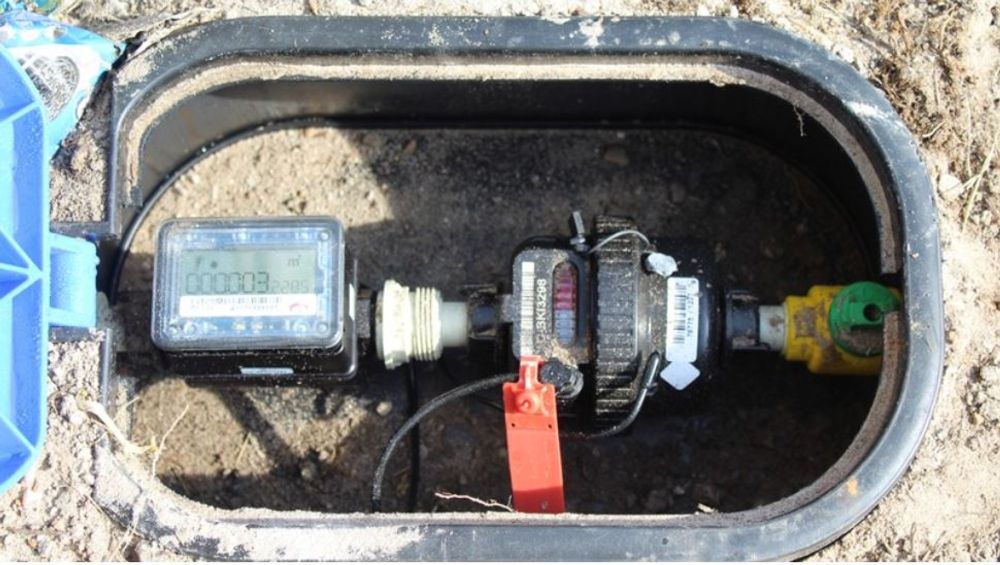
The issue was that Cape Town had structured the fixed service charges so that the amount you paid was calculated based on your property’s value. The more expensive your property, the more you paid for cleaning and basic water, regardless of how much water you used or how much rubbish you generated.
The court found that linking a service charge to property value converts it into a property tax in disguise. Municipalities don’t have the legal authority to introduce new property taxes. That power sits with the national government. What looked like a service charge was, legally speaking, an unlawful levy.