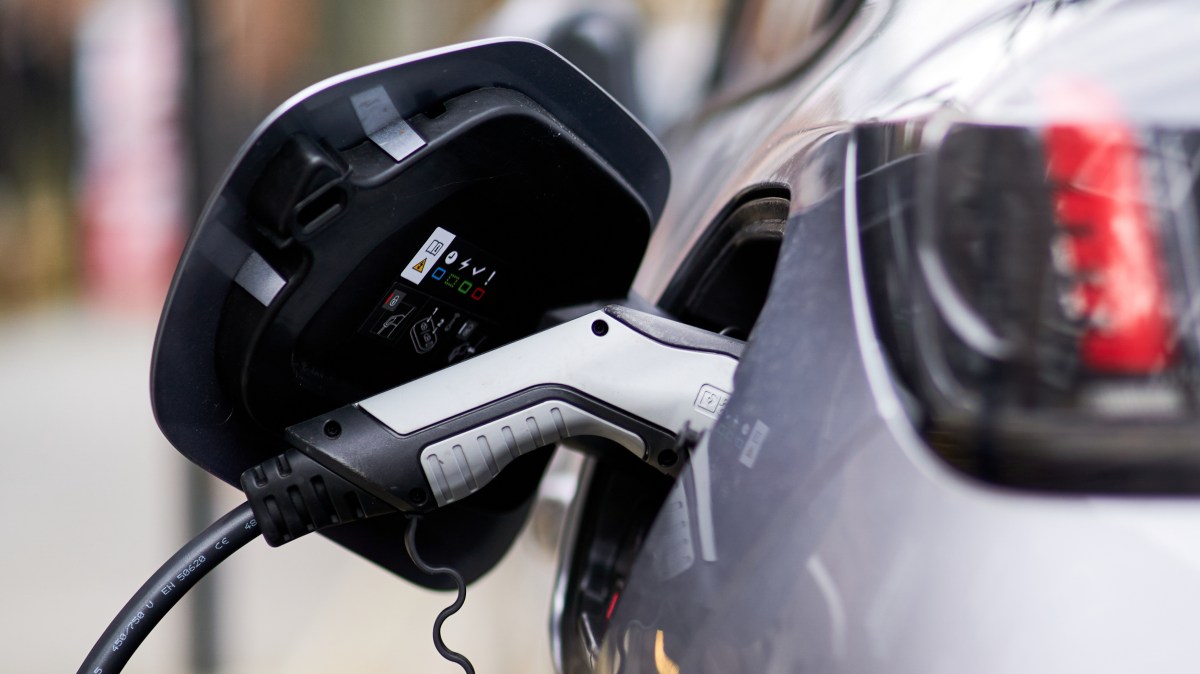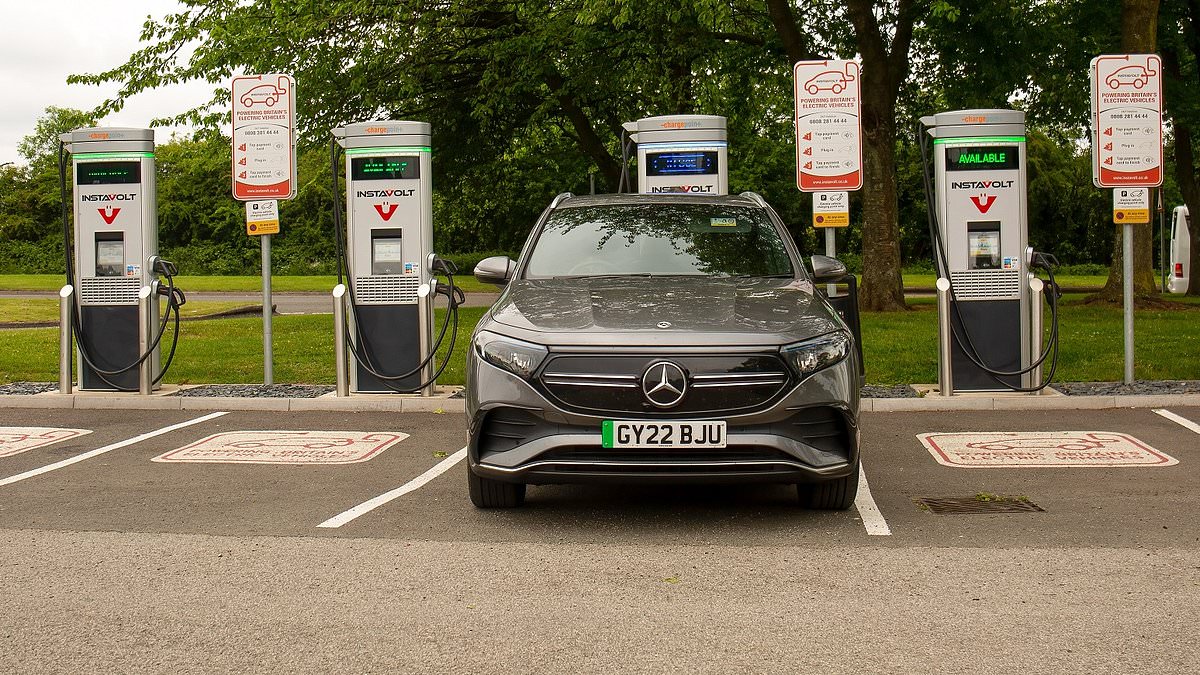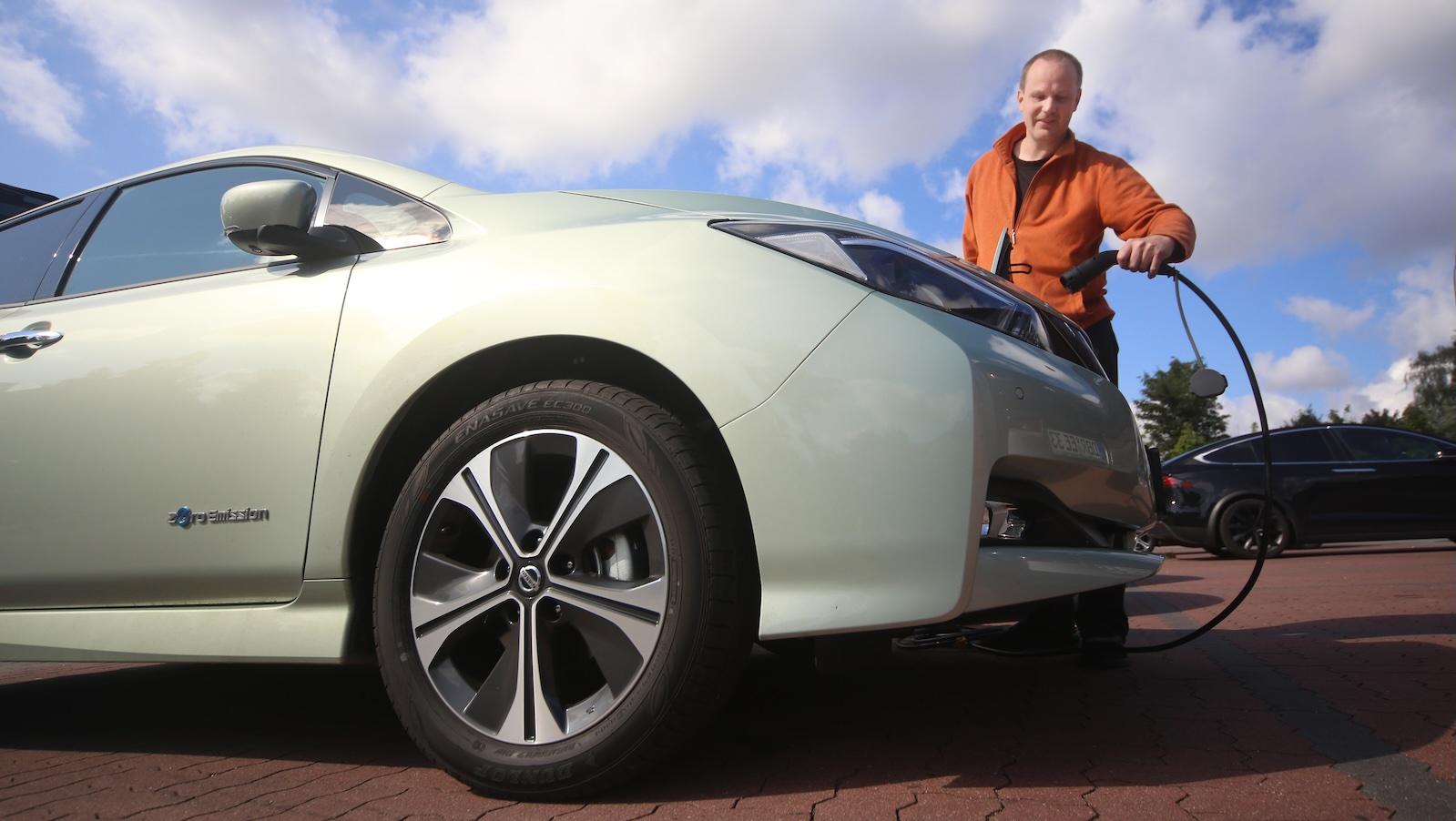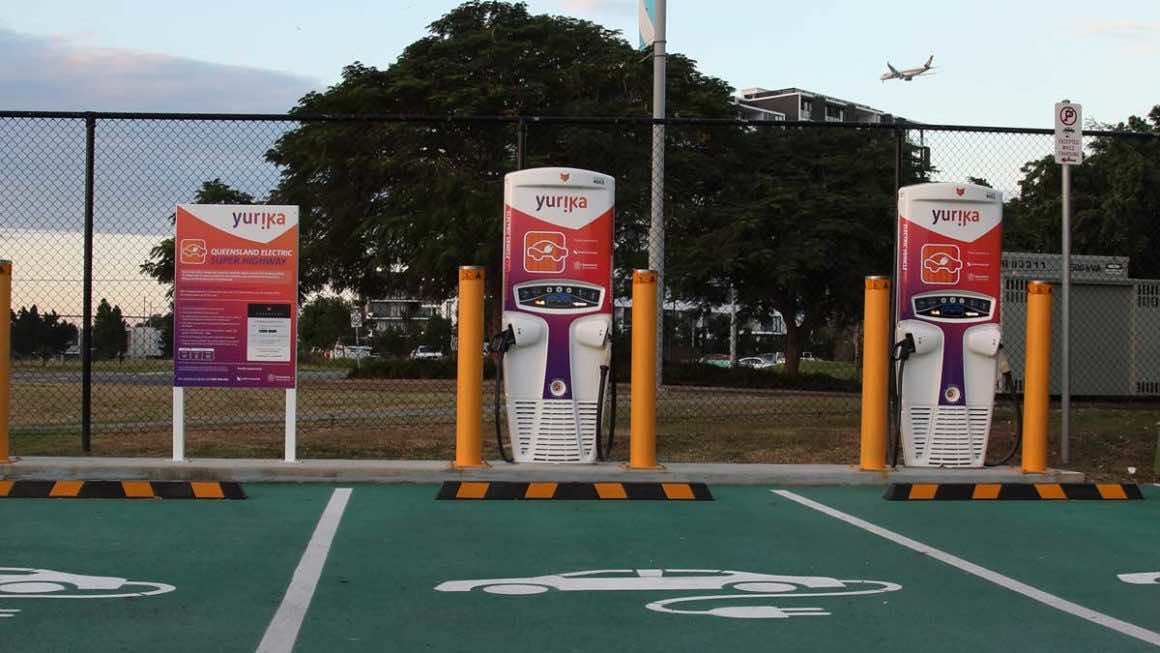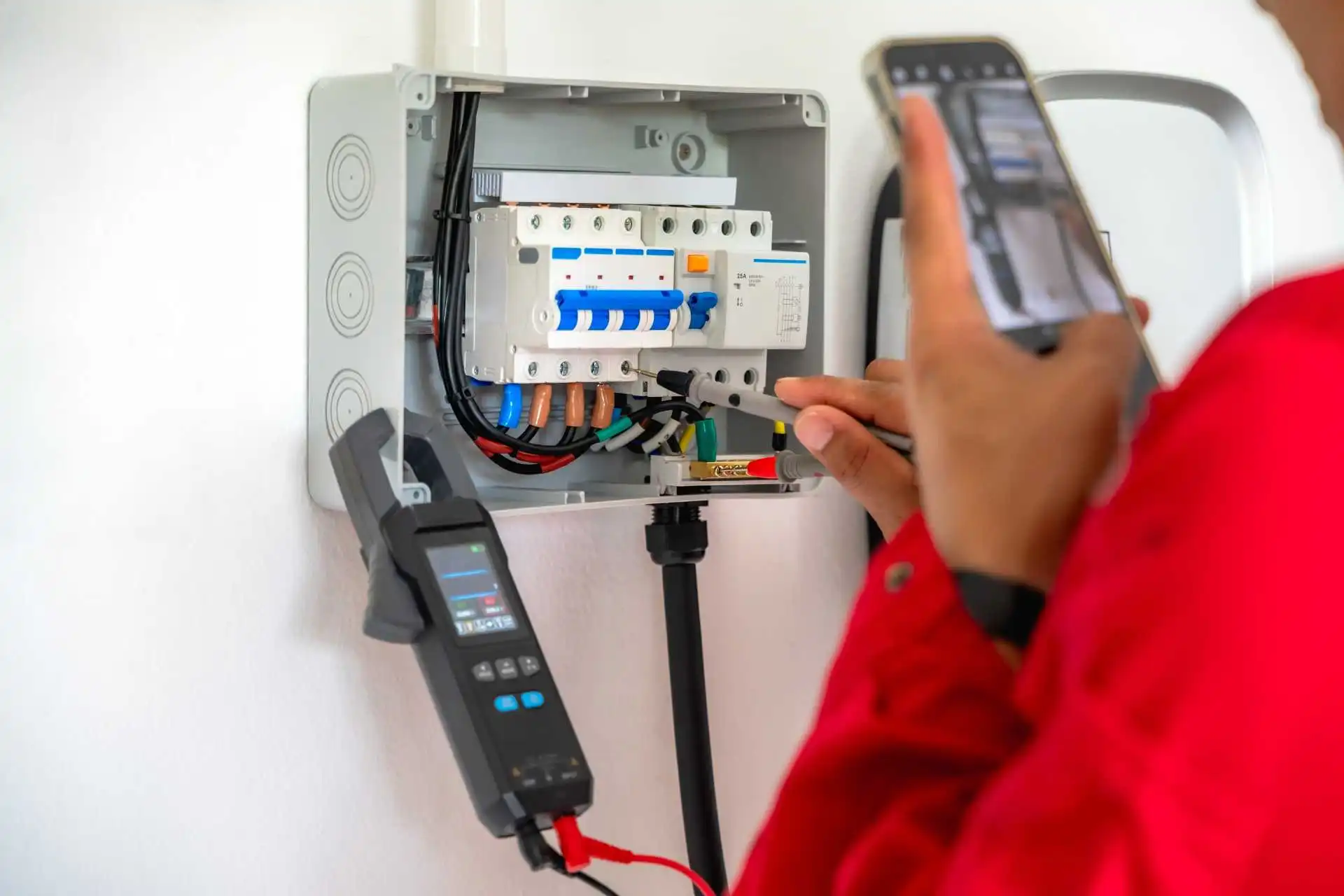
No doubt about it, Britain is feeling the pinch. Rent is high, food prices are climbing, and volatile petrol prices make filling a traditional tank a painful experience. Little wonder, then, that this cost-of-living crisis has bred the "grid hacker", a new generation of street-wise electric vehicle (EV) drivers turning their cars into serious money-saving tools.Unlike standard EV tariffs where you have to manually set car timers every night, modern grid hacking relies on total automation. To get started, you simply need a compatible car or charger to unlock the grid's best rates.Smart charging, automatedAutomated smart systems do the heavy lifting overnight to sync vehicle charging with the cheapest and greenest windows on the grid (Getty Images)Enter Intelligent Octopus Go (IOG), the UK’s most popular EV tariff. With IOG, the manual guesswork is gone. You simply tell the app how much charge your car needs, plug it in, and the system automatically handles the rest, charging your vehicle when energy is at its cheapest and greenest, all while securing a guaranteed overnight rate of just 8p per kWh.To make the integration seamless, drivers are pairing this tariff with the Octopus Charge home charger. While Octopus offers a variety of hardware options to suit different homes, they focus on two main versions of their signature charger: Tethered, which features a built-in 5m Type 2 cable and holster for quick, plug-and-play charging; and Untethered, which features a socket-only design with a detachable cable, keeping your wall completely clutter-free when not in use.A team of trusted engineers handles the installation and sets you up on the mobile app, putting you in complete control. And if you’re curious about how much you could save by making this simple switch, you can check the potential real-world savings to be made instantly by using the Octopus EV savings calculator.Taking it one step furtherSmart tariffs are putting consumers back in control by driving down the cost of a 200-mile trip to just pocket change (Getty Images)If you want to take your grid hacking to the absolute limit, home storage batteries are the ultimate next iteration.Customers with a home battery can add Charge Pack to their Intelligent Octopus Go tariff and others. The intelligent software automatically optimises your battery to store energy when it is cheapest, utilising either your low 8p overnight rate or excess daytime solar power. It then uses that cheap stored energy to power your home when the standard daytime rate kicks in, effectively shielding your household from peak prices.This simple setup fundamentally alters the maths of energy consumption. Consider a typical 200-mile journey: covering that distance in an average petrol car costs around £35 at current pump prices. Driving those same 200 miles in an EV charged overnight on Intelligent Octopus Go costs roughly £4.20.Taking control of your energy hours like this can cut your charging costs by up to 68% compared to standard price cap rates. Whichever way you look at it, the numbers stack up. This is the moment to switch from being a passive bill-payer to an active grid hacker.
The Grid Hackers: How smart EV charging flipped the power dynamic
By combining smart chargers with automated, EV-focused tariffs, a new generation of wallet-optimisers is locking in cheap rates without having to lift a finger
509 words~2 min read