Decentralized capacity enters the mainstream as electricity demand strains infrastructure, forcing a change in U.S. power markets and grid design.
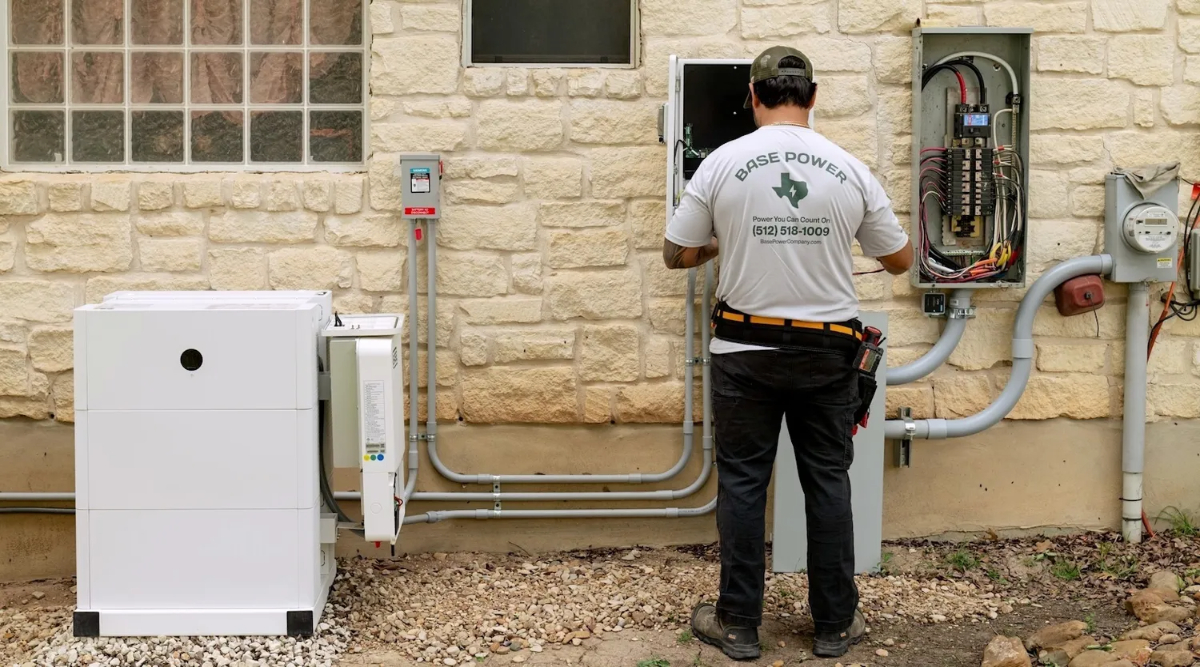
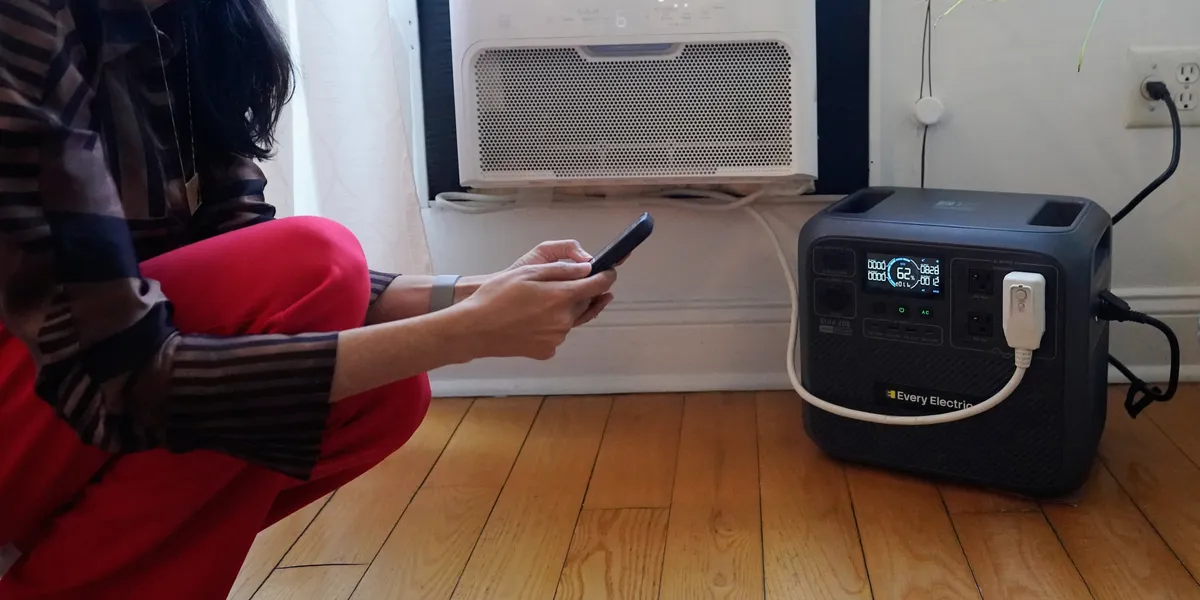
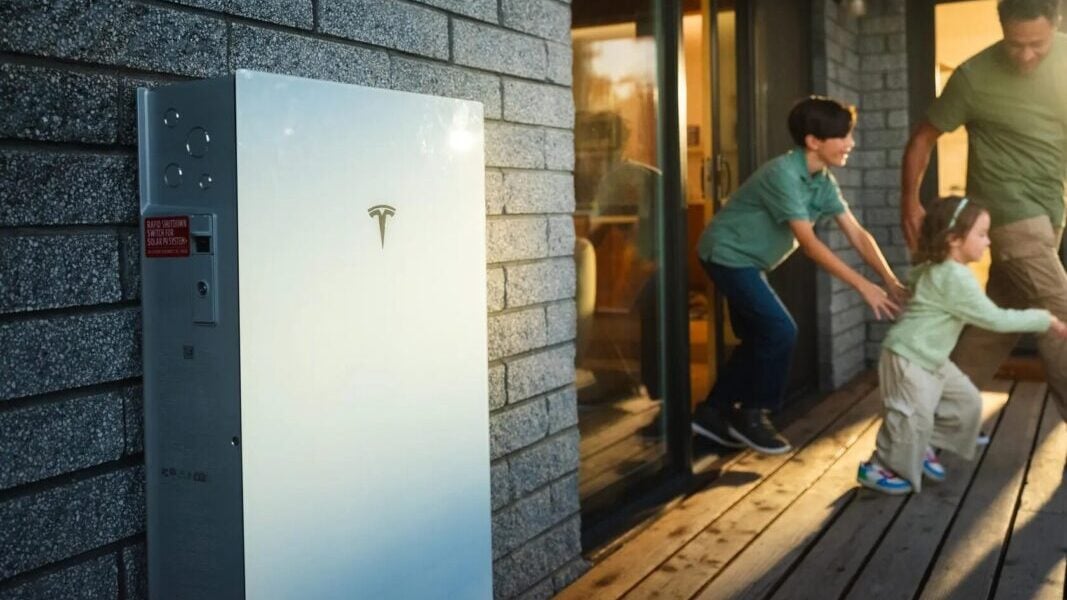
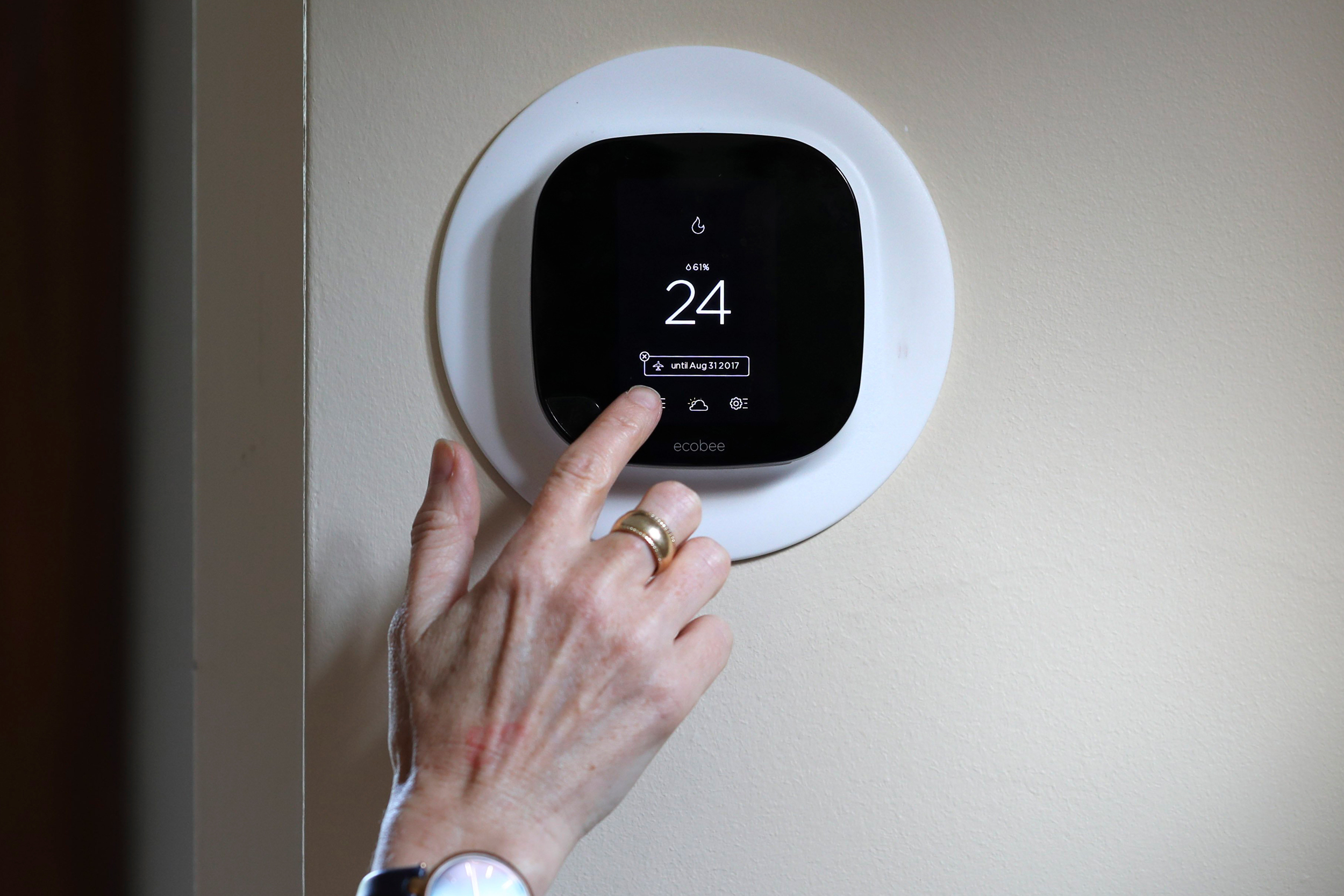
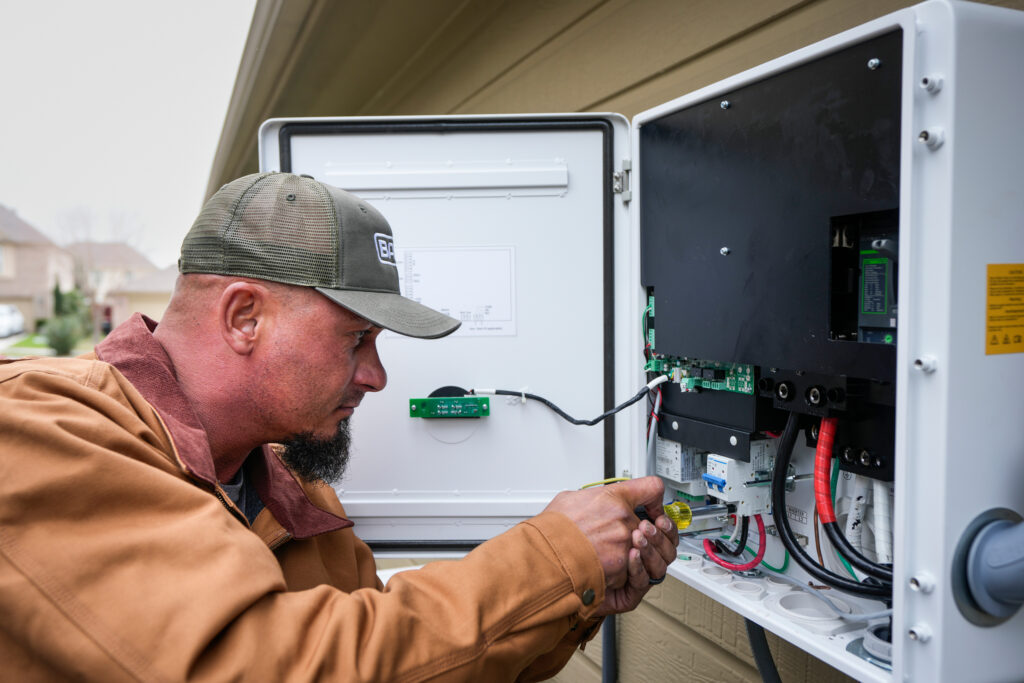
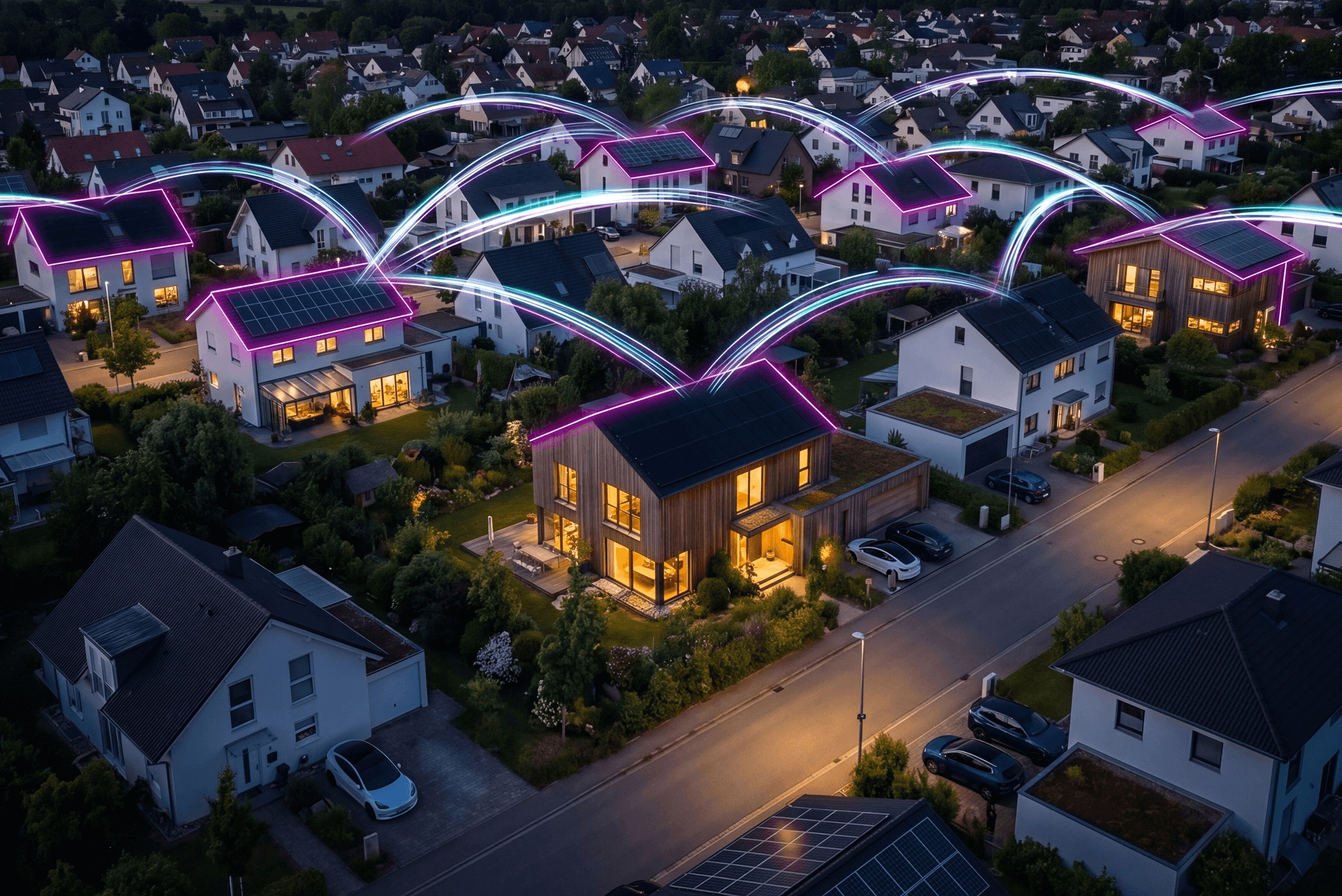
Homeowners are earning cash just for letting their home battery or smart thermostat assist the local electric grid during a heatwave or data center demand surge. This technology is scaling up fast, turning standard household gadgets into serious utility infrastructure through systems known as Virtual Power Plants (VPPs).
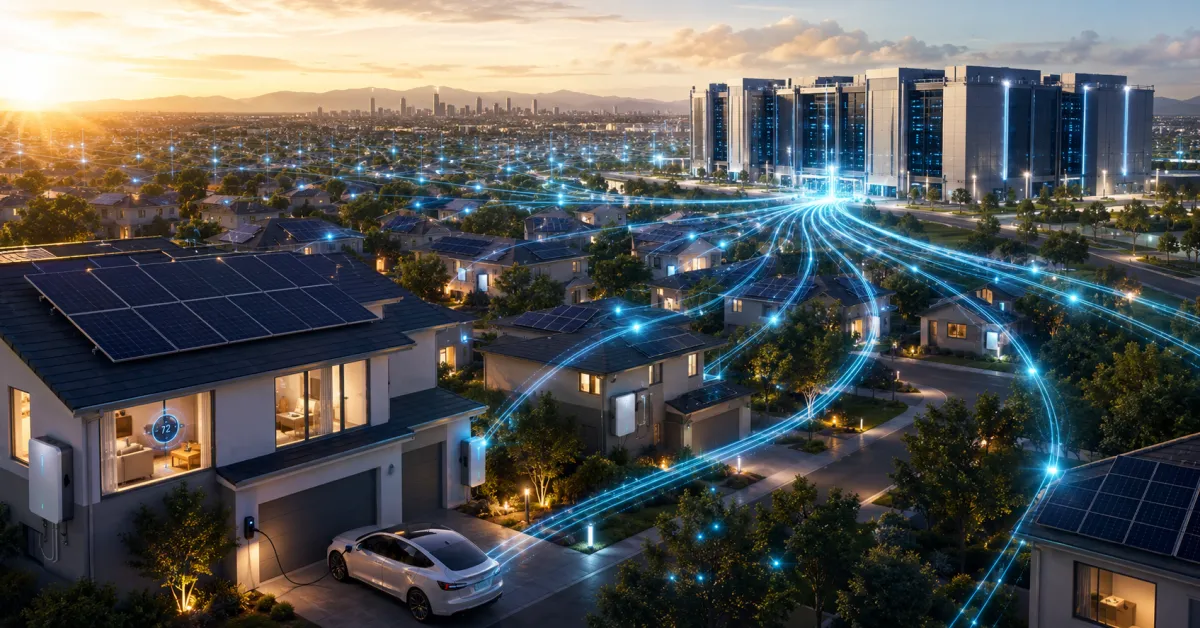
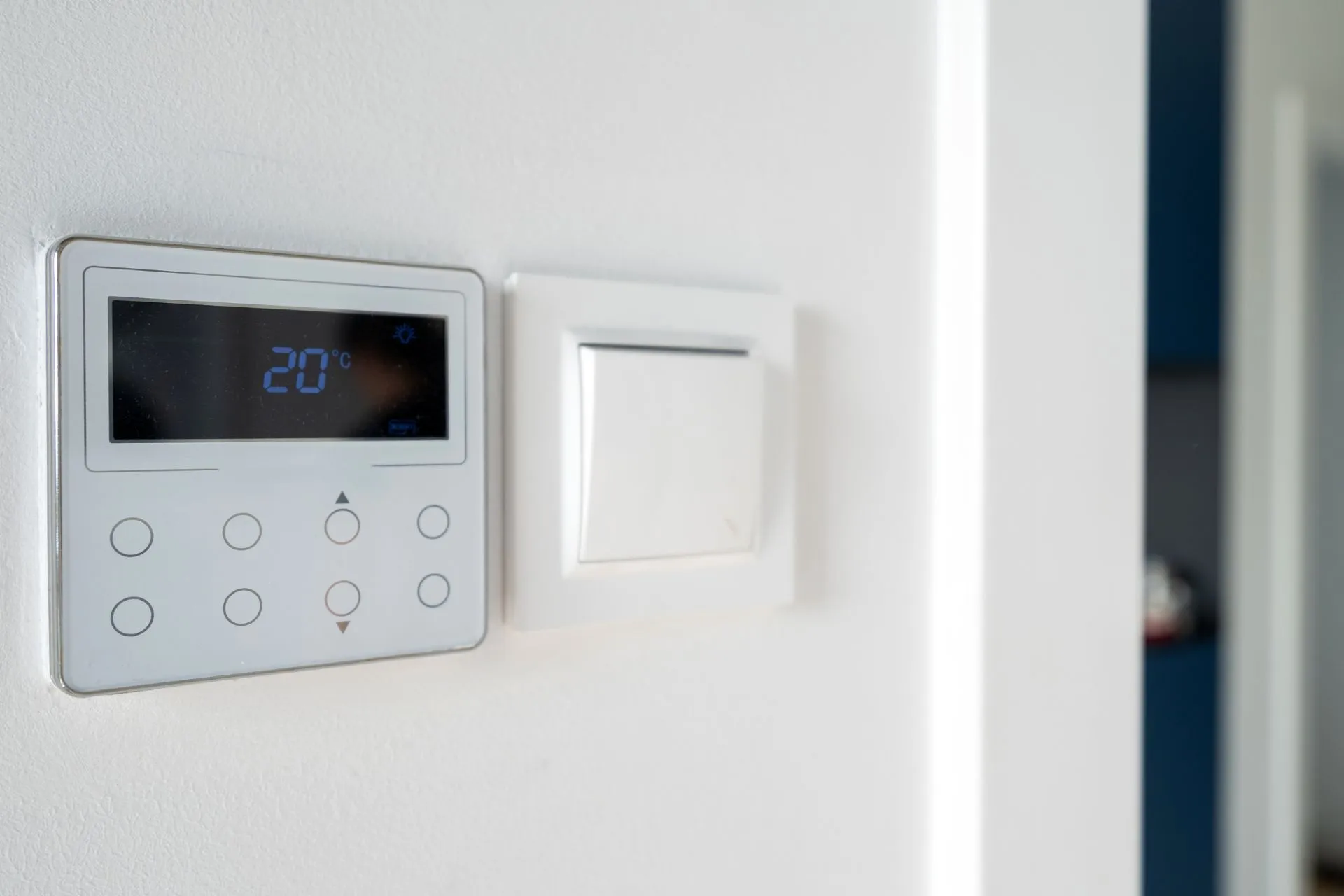
Instead of building expensive fossil-fuel peaker plants that sit idle most of the year, grid operators can tap into these decentralized networks. When electricity demand spikes, a virtual signal instantly tells thousands of coordinated home batteries to export spare power while smart thermostats slightly dial down cooling, dropping peak load in real time.
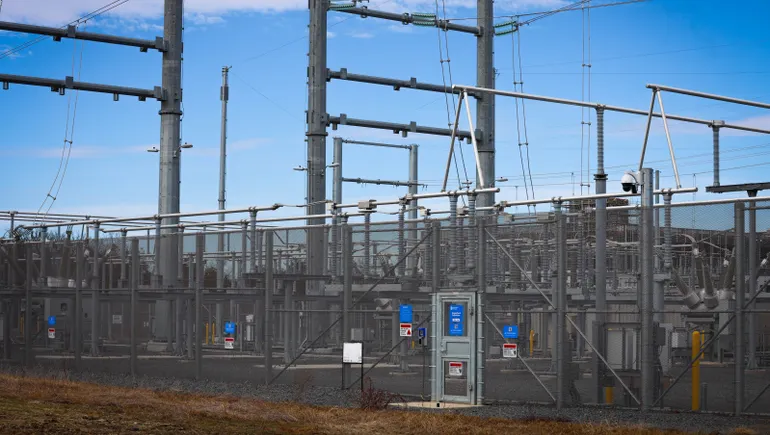
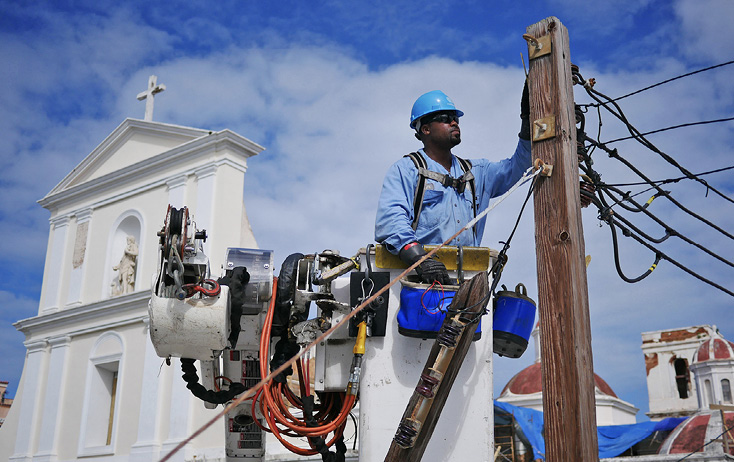
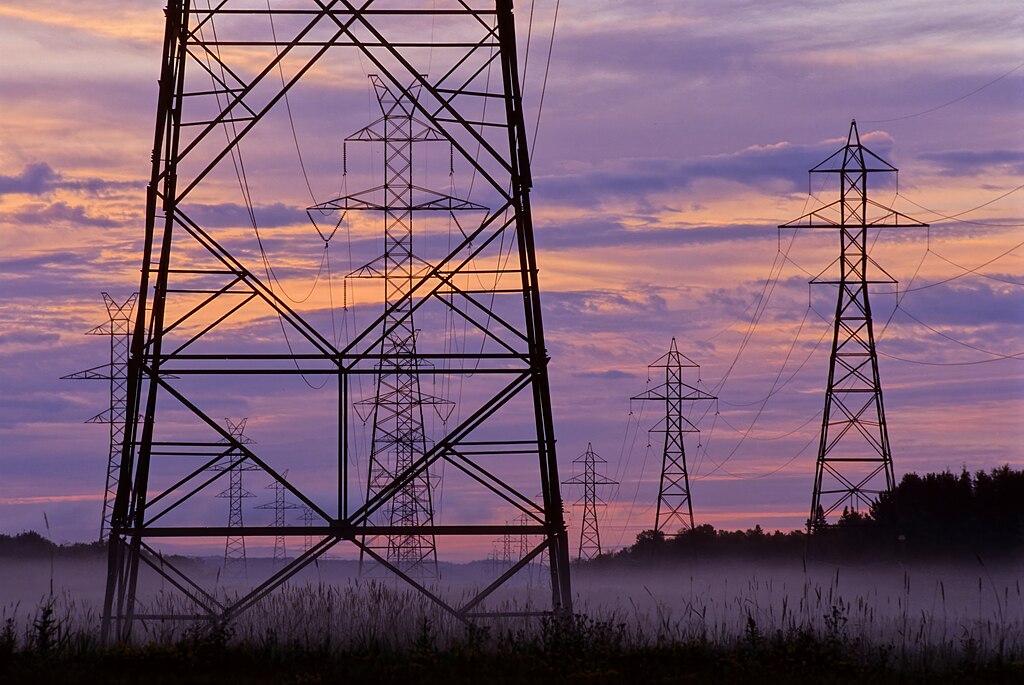
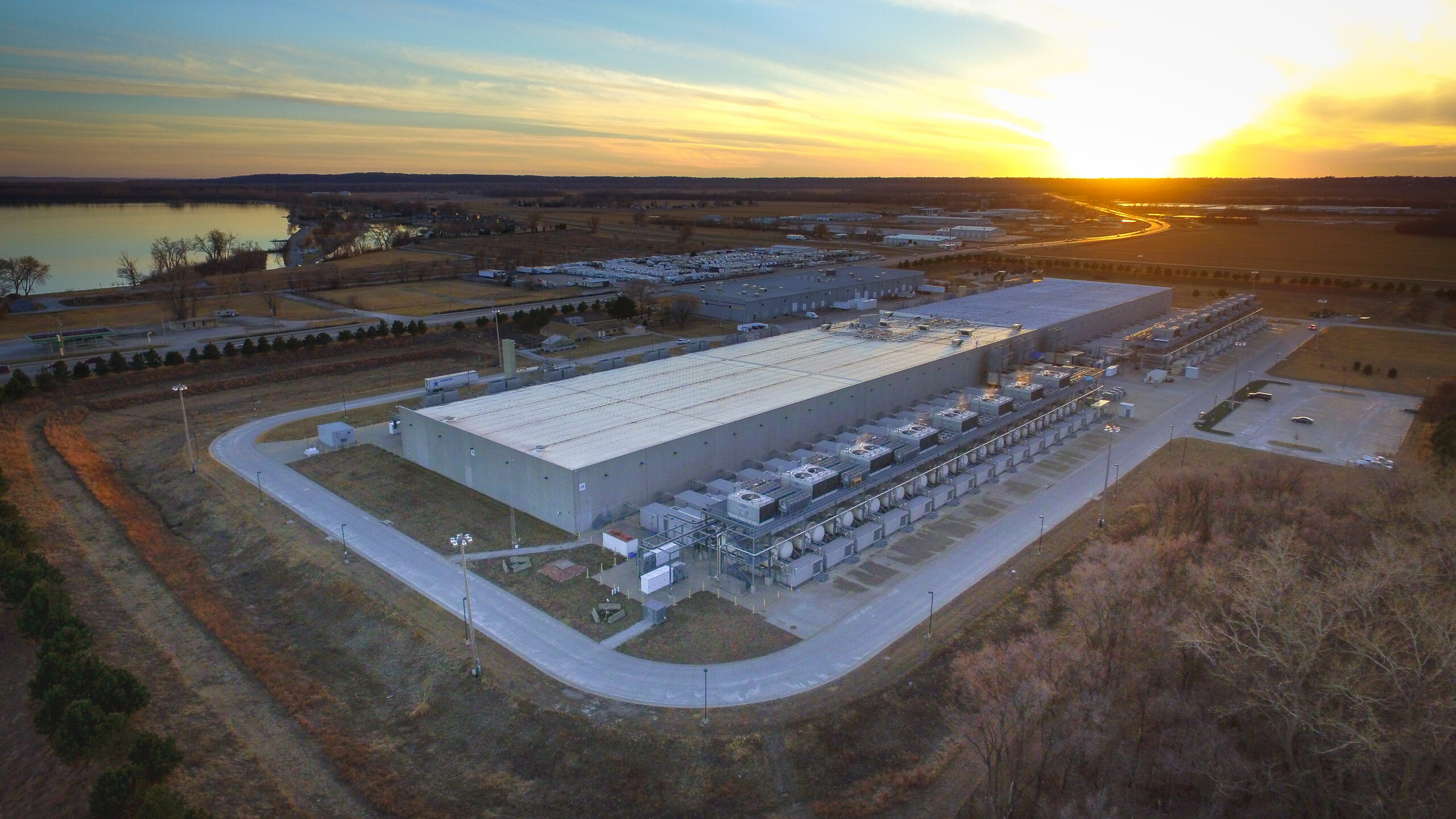
America’s power grid is squeezed by a historic dual challenge: a massive surge in demand from artificial intelligence data centers and frequent extreme weather events. Building new transmission lines and centralized power plants takes over a decade of environmental reviews and billions of dollars. Because data centers are popping up much faster than the grid can physically expand, utilities are running out of the localized capacity needed to keep the lights on during hot summer afternoons.