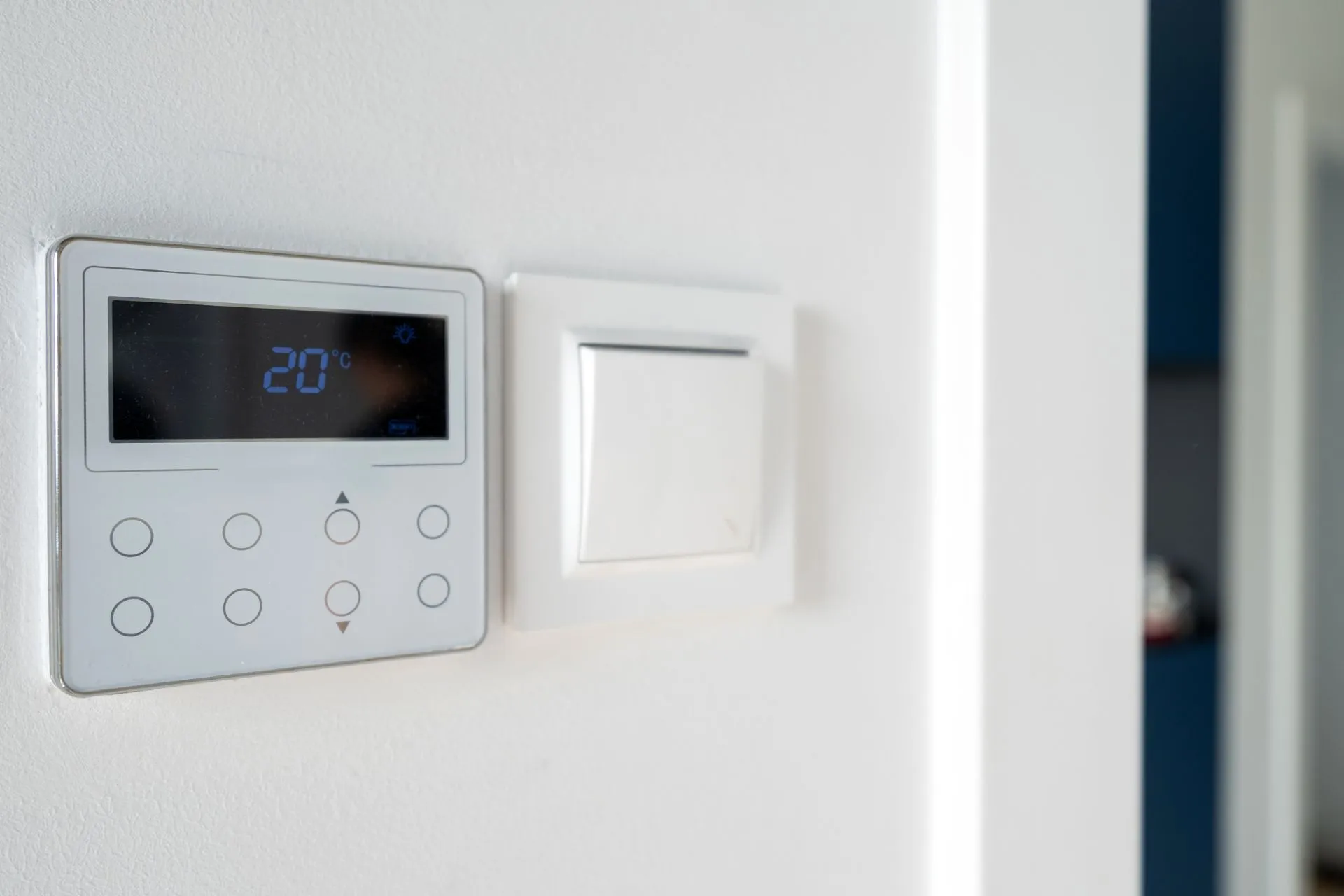
Photo credit: brizmaker / Shutterstock
Stephanie Cole is the marketing director at Leap, a platform for building and scaling virtual power plants.
The promise of virtual power plants is real, but we’re leaving much of their potential on the table — not because the technology isn’t ready, but because participation is still treated like a separate customer chore.
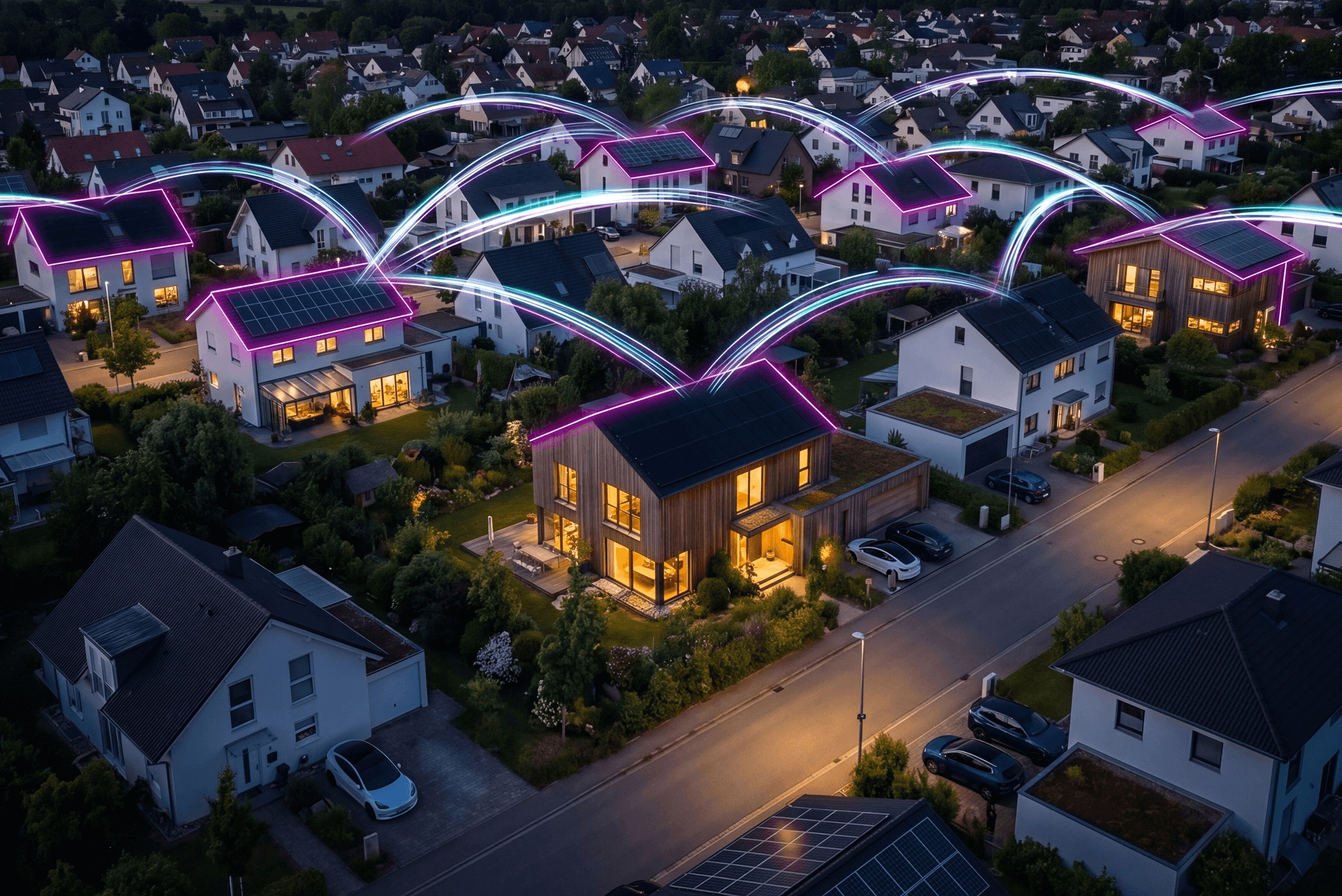
In 2024, Wood Mackenzie projected that 217 gigawatts of distributed energy resource capacity will be added in the U.S. by 2028. That’s millions of batteries, EV chargers, smart thermostats, building automation systems and other grid-interactive assets capable of providing flexible, cost-effective grid support.
But unless we fix how customers enroll in demand response, much of that flexible capacity will never support the grid when it’s needed most. Even with financial incentives, sign-up rates for many demand response programs remain stubbornly low, sometimes in the single digits of eligible devices.