Photo credit: boyoz / Shutterstock
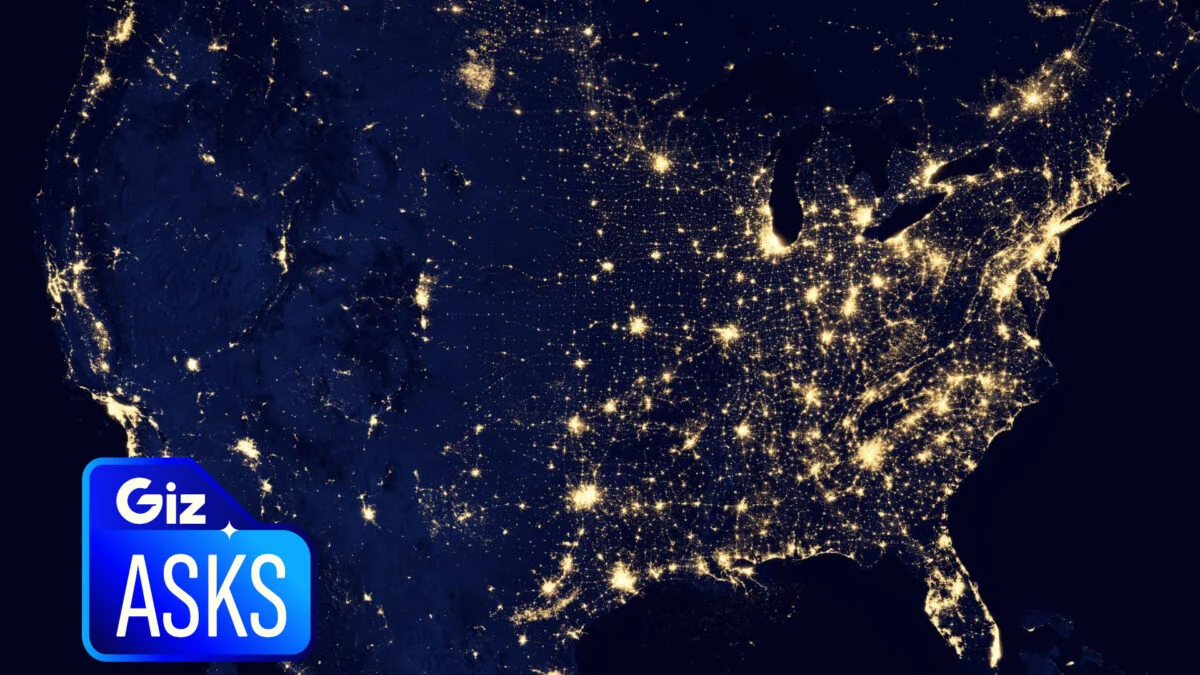
Utilities are under real pressure right now. Demand is climbing fast, with data centers and other new large loads driving visible — and at times controversial — demand, right as worsening extreme weather causes further strain.
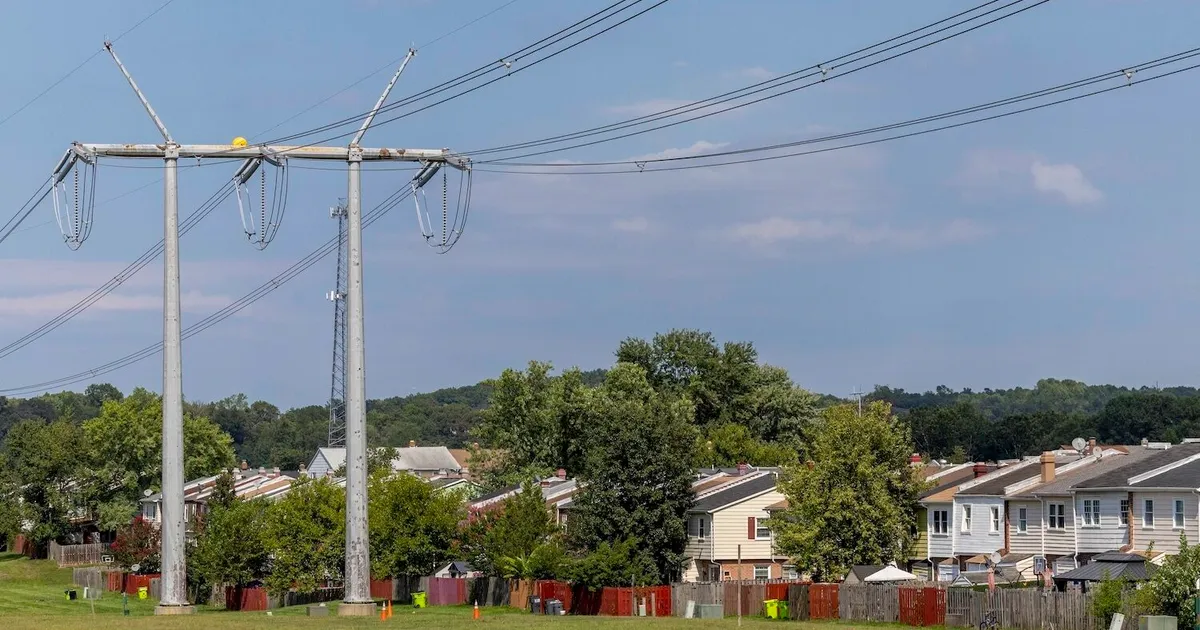
But building new avenues for generation or transmission takes years and comes with high costs, permitting challenges, and community pushback. So in some contexts, grid decision-makers under strain are turning to what’s already there. That means bringing old assets back online.
That is where the return of so-called “zombie” power plants comes in.
Facilities that were slated to be retired years ago are being restarted to close the gaps, and in the case of coal plants especially, that comes with an emissions and economic toll. Last fall, at least 33 fossil fuel generating units across 15 power plants had their planned retirements postponed due to reliability concerns associated with energy demand from data centers. These decisions typically do not come from one party alone. They often involve the asset owner — whether an investor-owned utility or independent power producer — working with a grid operator and regulators to determine whether keeping or bringing a plant back is necessary.