Support CleanTechnica's work through a Substack subscription or on Stripe.
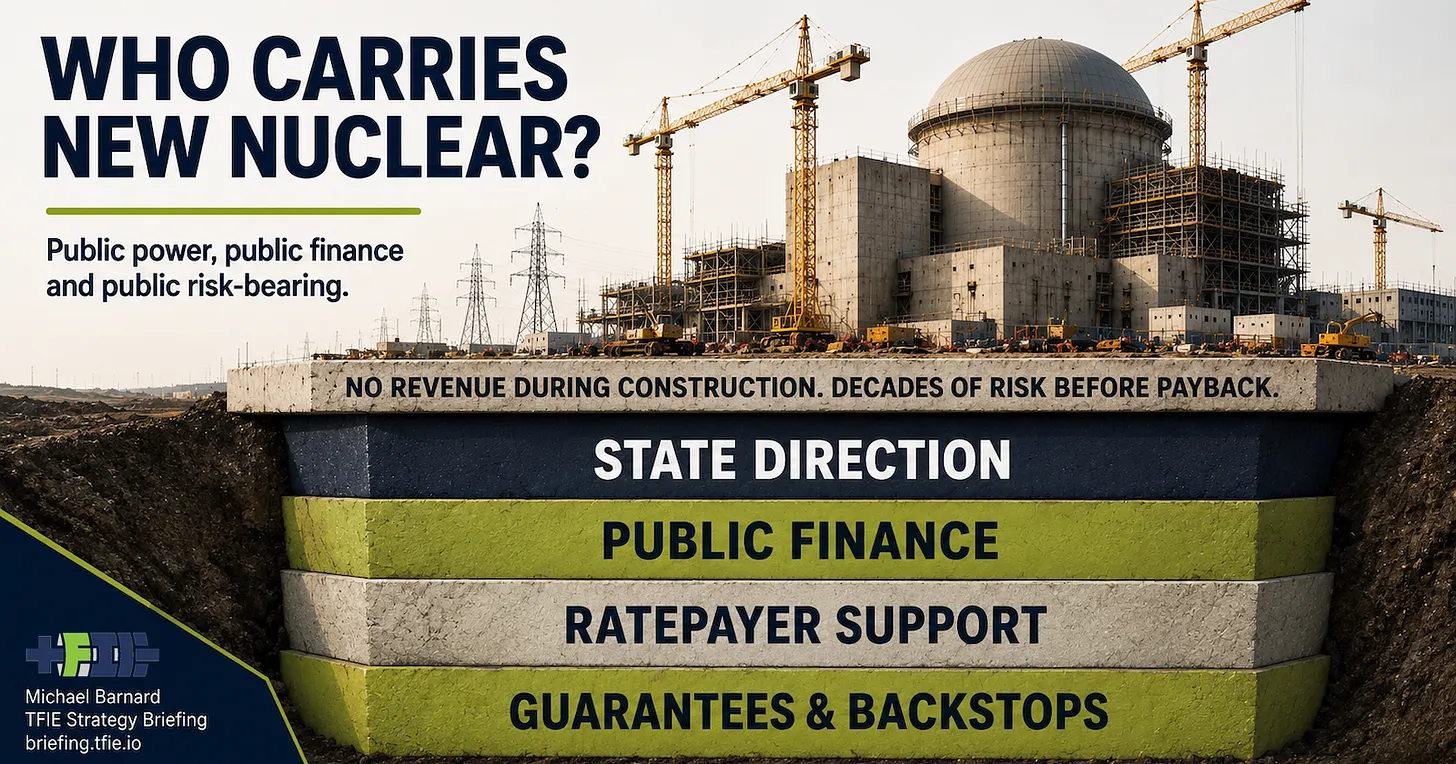
An Energy Research & Social Science paper crossed my screen recently that put structure around something visible to anyone who has compared nuclear forecasts with build rates. Nuclear power has been projected to grow faster, cheaper and more broadly than it actually has, not once or twice, but across decades, institutions and scenario families. The authors call this the nuclear energy paradox. That is a useful phrase because it does not point to one bad forecast. It points to a recurring gap between the nuclear future that was imagined and the nuclear fleet that was actually built.
The paper’s argument is not that nuclear power has no value. Existing reactors produce low-carbon electricity and remain important in several grids. The question is different. Why have so many projections assumed large future nuclear expansion when actual global nuclear capacity has been roughly stagnant for decades and nuclear’s share of global electricity has fallen from 17.5% in 1996 to below 10% in 2023? Global capacity remained around the 400 GW range, while many projections from agencies and models pointed to futures with two, three or four times that amount. The COP28 nuclear tripling pledge implies roughly 1,200 GW of global nuclear capacity by 2050, about 800 GW of additional capacity in a quarter century before accounting for retirements from the existing aging fleet.