An executive order in Massachusetts and a regulatory commission action in Minnesota are among the big moves this year that highlight the growing role of virtual power plants in grid management.
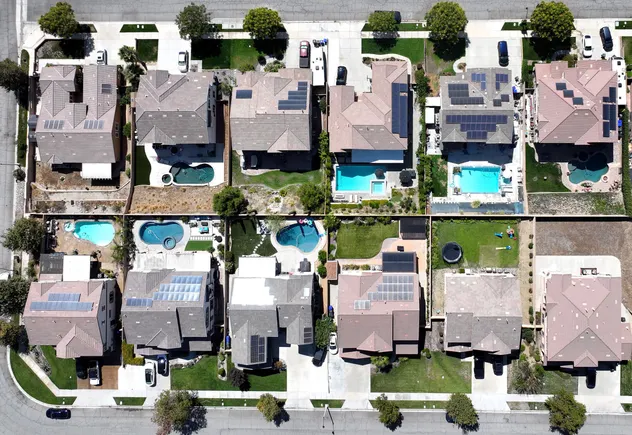
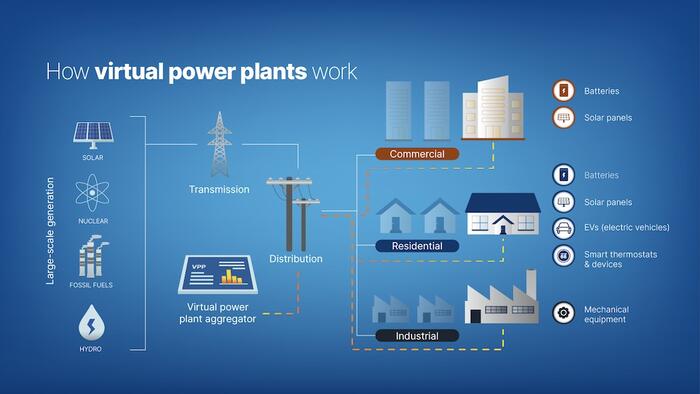
A virtual power plant, or VPP, is a network of resources that a central controller can call upon to send power to the grid or to reduce demand on it. Examples include batteries in homes and businesses as well as factories that can ramp down their power use when needed.
With a few clicks, hundreds or thousands of points in a network can behave like a power plant, with compensation for the resource owners. It’s a cheaper and cleaner way to provide short-term electricity than the main alternatives, such as natural gas peaker plants.
I spoke with Autumn Proudlove, managing director for policy and markets at the NC Clean Energy Technology Center at North Carolina State University, about her work tracking legislation and regulatory actions related to virtual power plants.
“We’ve seen kind of a steady uptick in activity and developing new programs,” she said about the year so far.