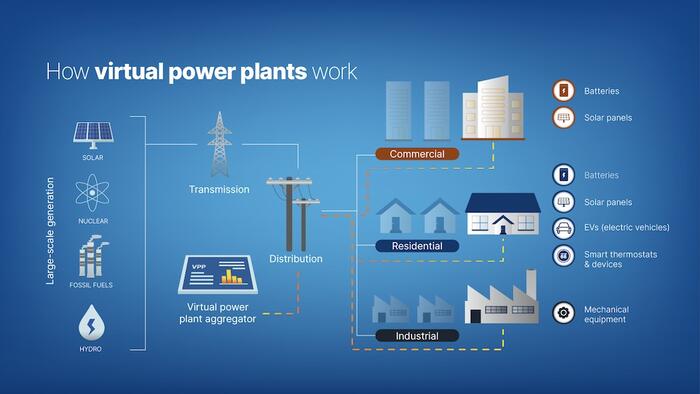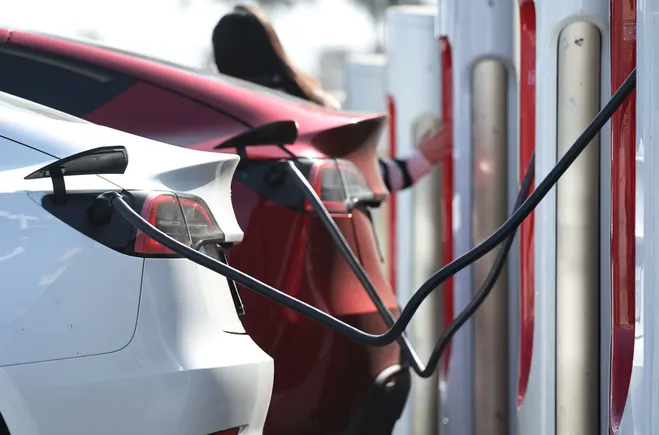
Voltus will set up the virtual power plant, grouping together devices like electric vehicles and smart thermostats. It’ll pay customers to participate, and the company will dial back power or use the stored energy during times when the grid is stressed. Google will foot the bill for setting it up, and the extra capacity generated by the project will help run its data centers in the region. This is one of the most concrete examples so far of a tech giant using a VPP to help meet energy demand for data centers. But there are still some lingering questions about just how far this sort of program can go, and what the limits are.
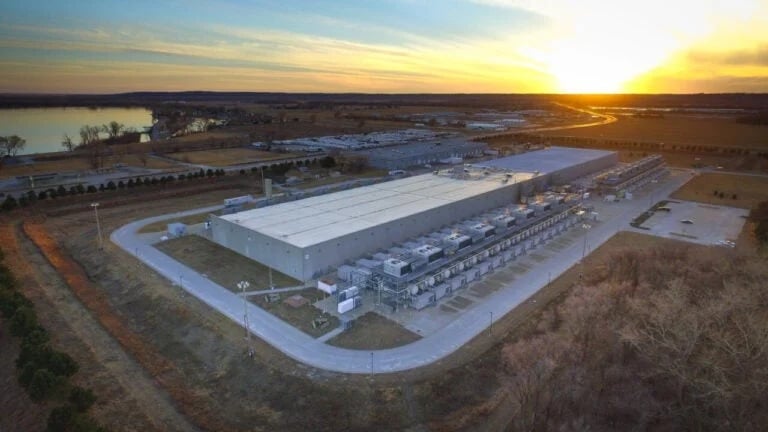
Last year, it felt as if everyone was talking about data center flexibility. A high-profile study from Duke University found that if data centers agreed to decrease their energy demand for roughly 40 hours per year, a whole bunch of them (about 100 gigawatts’ worth) could come online without making new power plants or transmission equipment necessary. The underlying reason is that our power grid is designed not for our average energy use, but for the absolute maximum: the brutally hot July evening when everyone is blasting their air conditioners, watching Love Island, and microwaving popcorn. If a data center is willing to refrain from pulling so much power during those high-stress times, the grid can happily support it the rest of the year.