Xcel Energy in Minnesota is poised to become the first utility in the nation to build and operate its own virtual power plant.
For the past six months, fans and foes have debated the novel plan, which will see Xcel deploy hundreds of megawatts of small-scale batteries at customer sites across its territory. The Minnesota Public Utilities Commission ultimately approved a version of Xcel’s plan last week.
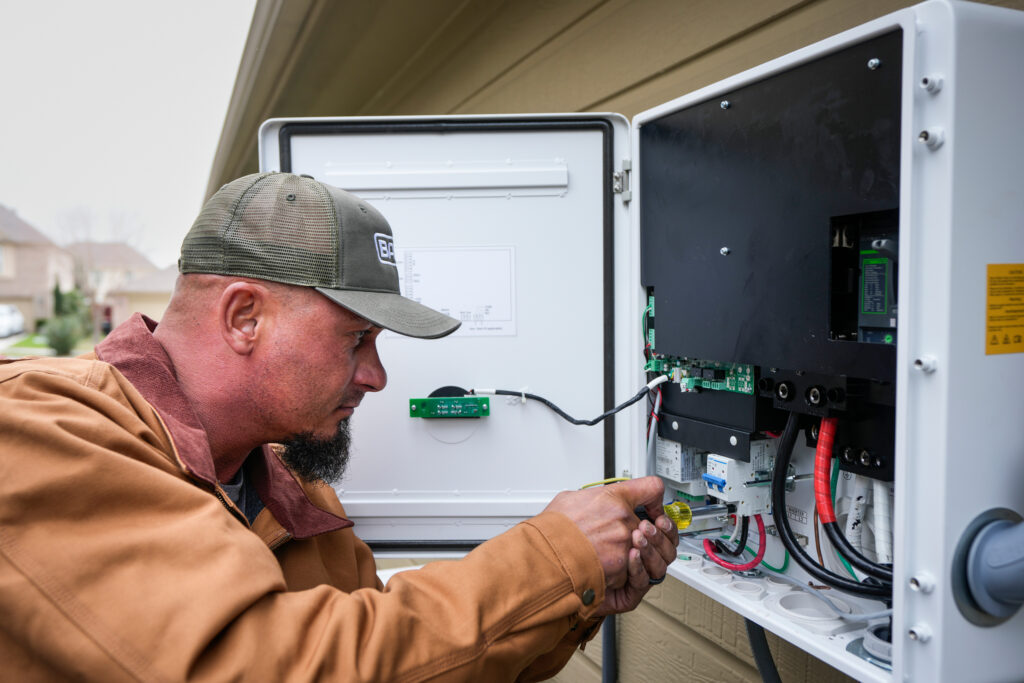
Under the new program, known as Capacity*Connect, Xcel will spend up to $430 million to deploy up to 200 megawatts of batteries, in 1-megawatt to 3-megawatt increments, over the next two years. It’s a rare arrangement: Almost every other virtual power plant program in the U.S. is organized around third-party companies, like solar and battery vendors or specialized “aggregators,” that tap into energy resources installed and owned by customers.
VPPs, which aggregate distributed energy resources to mimic the output of a traditional power plant, are seen as a key way to get more energy onto the existing grid. By using customer-owned energy resources or small-scale batteries, VPPs can help utilities reduce the need to build or dispatch expensive power plants.
But utilities have been slow to embrace VPPs. In particular, they’ve struggled to use VPPs to avoid grid investments, which have become a key driver of rising electricity costs. Utilities are leery of relying on technologies in customers’ homes instead of equipment they control. And utilities earn guaranteed profits for investments in their grids, giving them an incentive to resist examining cheaper alternatives.