A bill advancing through California’s legislature would create pathways for virtual power plants to compete with fossil-fueled peaker plants — a move that could help the state curb its fast-rising utility rates.
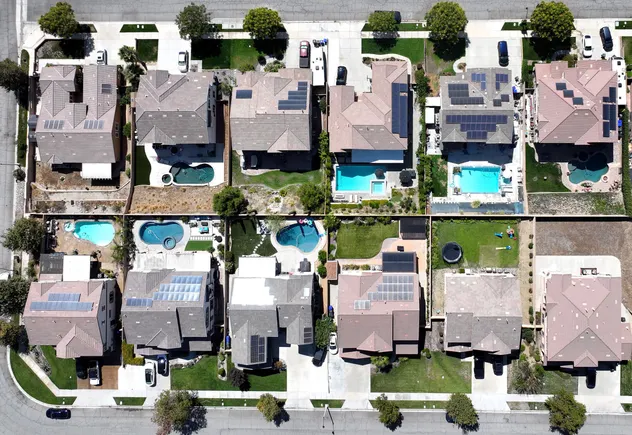
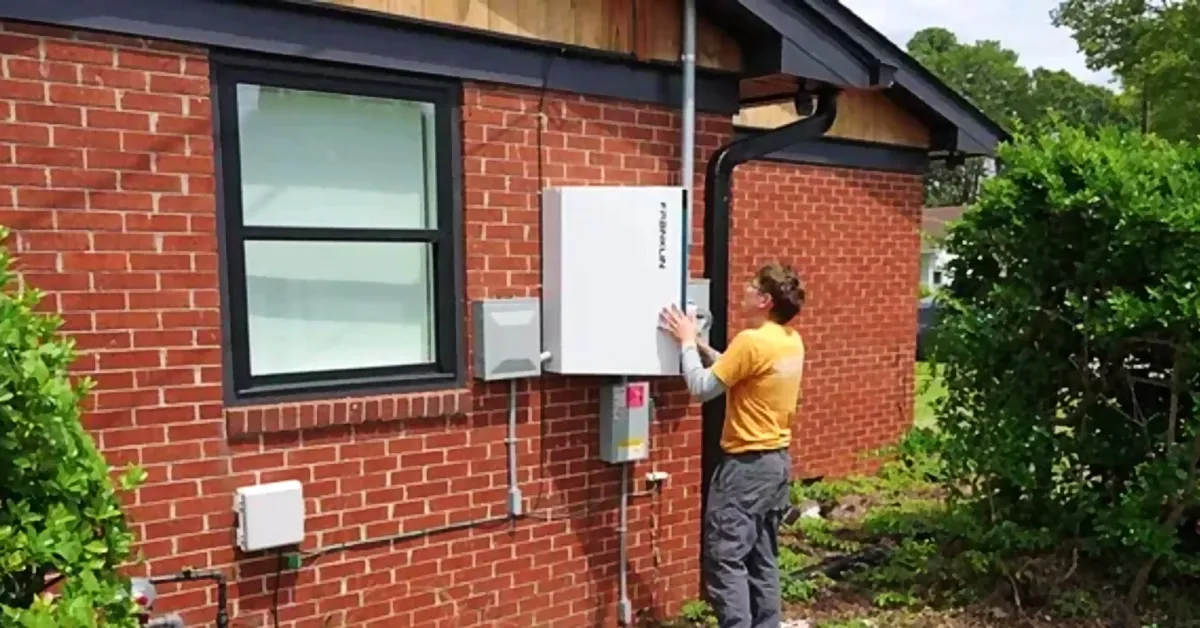
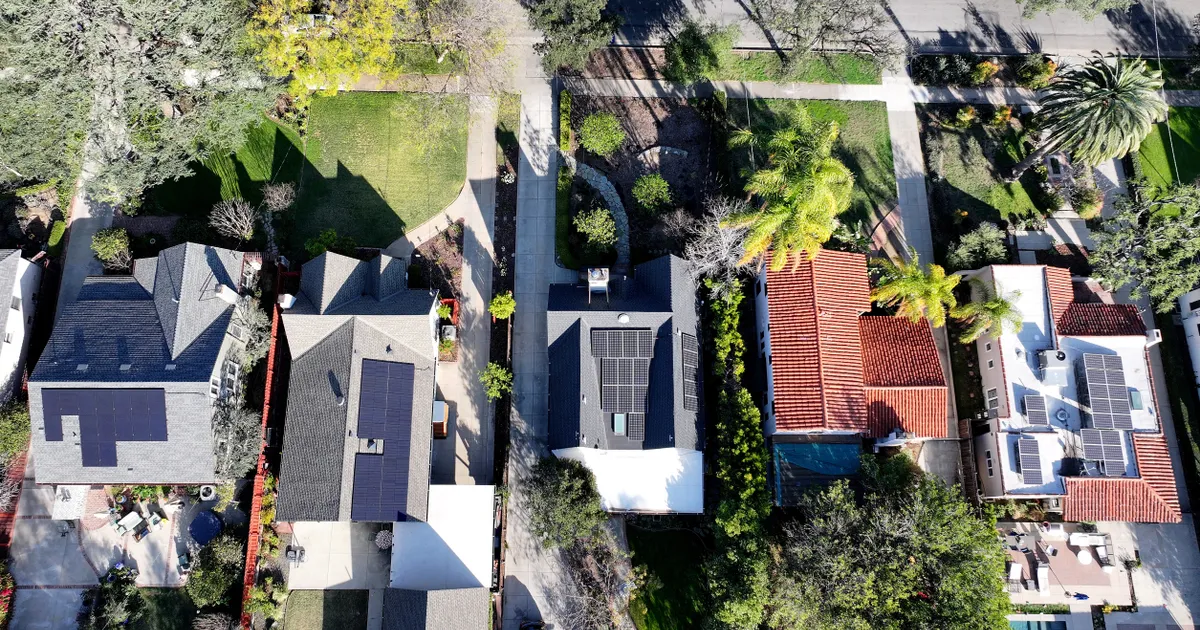
Virtual power plants are aggregations of small-scale batteries, electric vehicles, smart thermostats, and other customer-owned devices that can be called upon to provide cheap capacity to the grid. VPP programs already exist in California, but the state’s utility and grid regulatory structures don’t offer a clear way for VPPs to replace peaker plants.
Senate Bill 913, introduced by state Sen. Josh Becker, a Democrat, would allow VPPs to “compete on a level playing field with traditional power sources to provide grid reliability at the lowest cost.” The bill, which lays out a slew of policy changes, passed out of the California Senate Energy, Utilities, and Communications Committee earlier this month, a first step on the way to a potential vote before the full state Senate and Assembly.
Gas-fired peaker plants are a major driver of California’s rising electricity bills. Most of the state’s aging peaker plants are used only during a handful of hours each year when electricity demand is particularly high, but utility customers are required to pay for them to be available year-round in case of emergency.