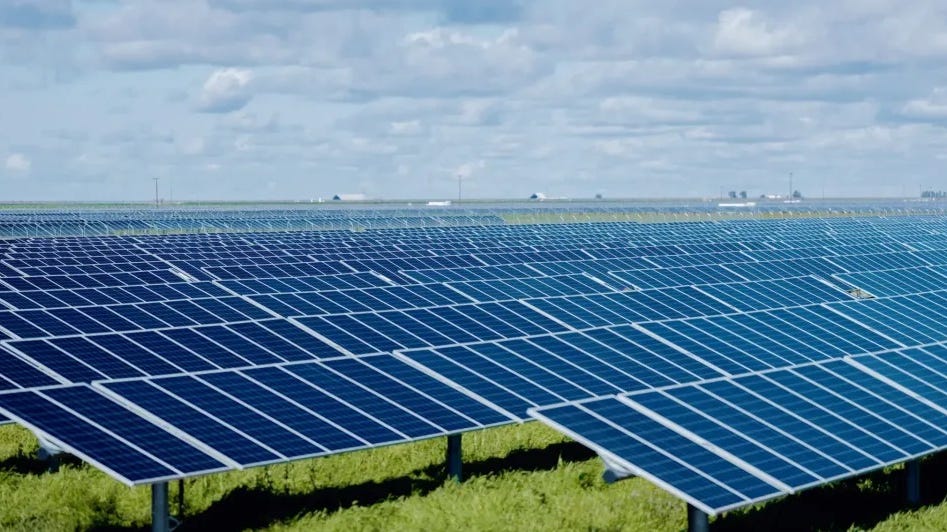
California’s largest agricultural water district wants to turn a growing water crisis into an economic pivot.
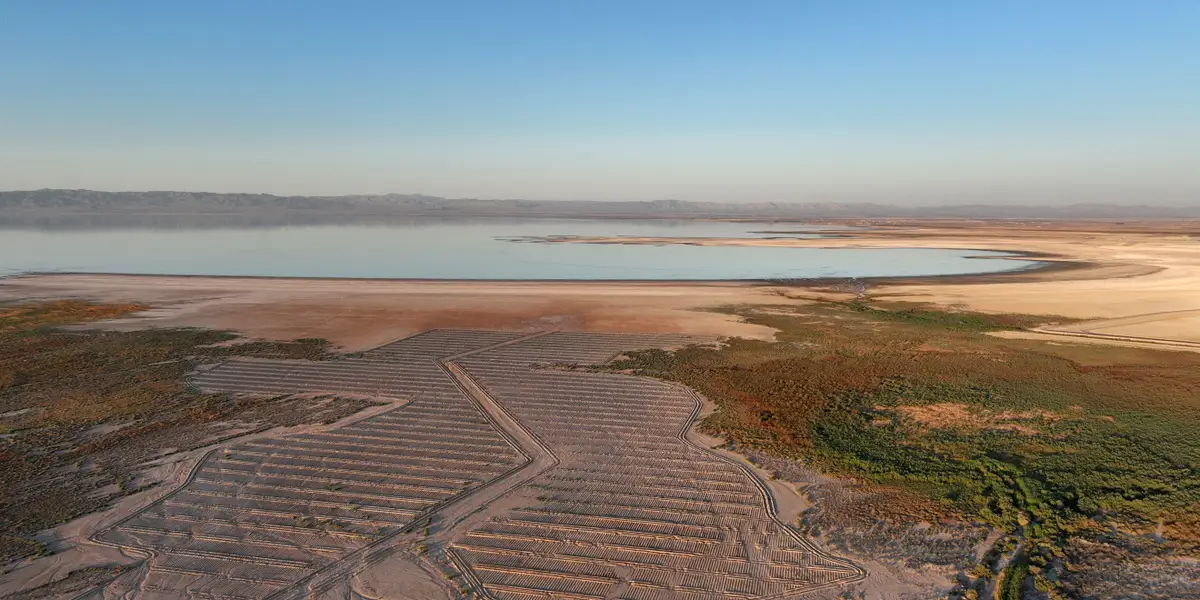
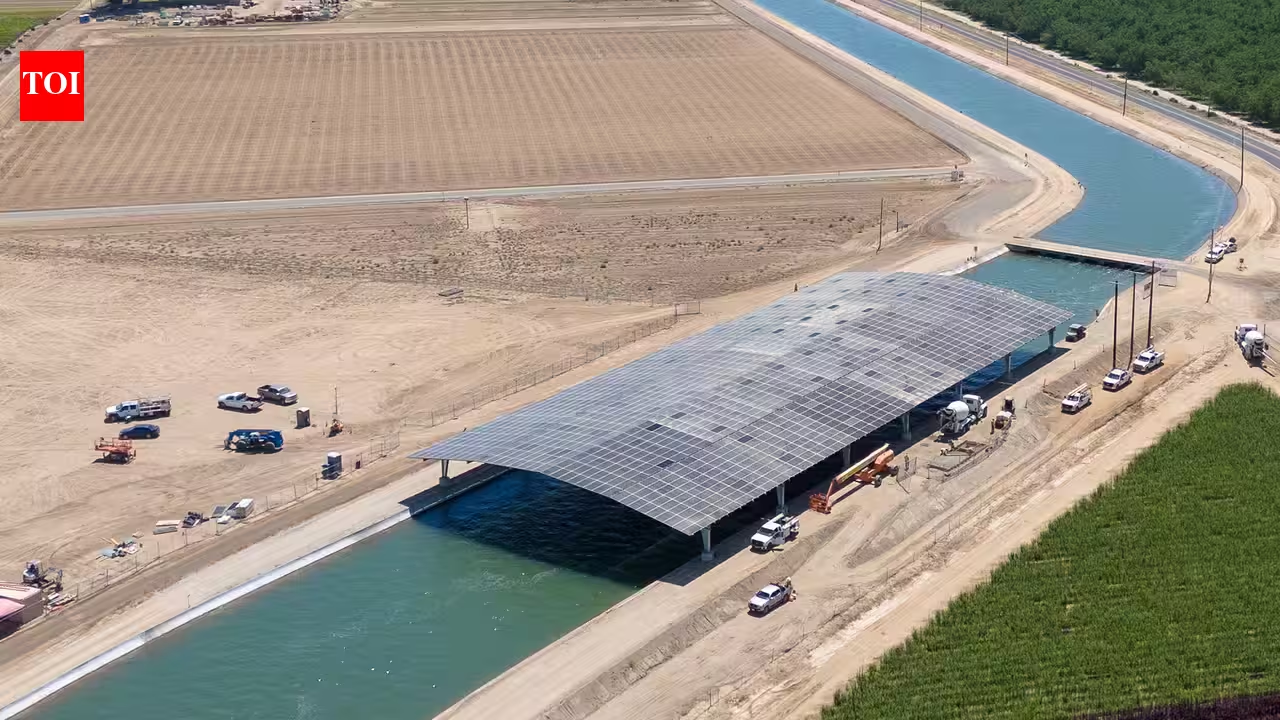
The Valley Clean Infrastructure Plan aims to repurpose tens of thousands of acres of water‑starved farmland in California’s San Joaquin Valley into a massive solar‑and‑battery network, producing power for the state’s grid, lowering energy costs for farmers, and creating a new economic lifeline as groundwater rules force fields to fallow.
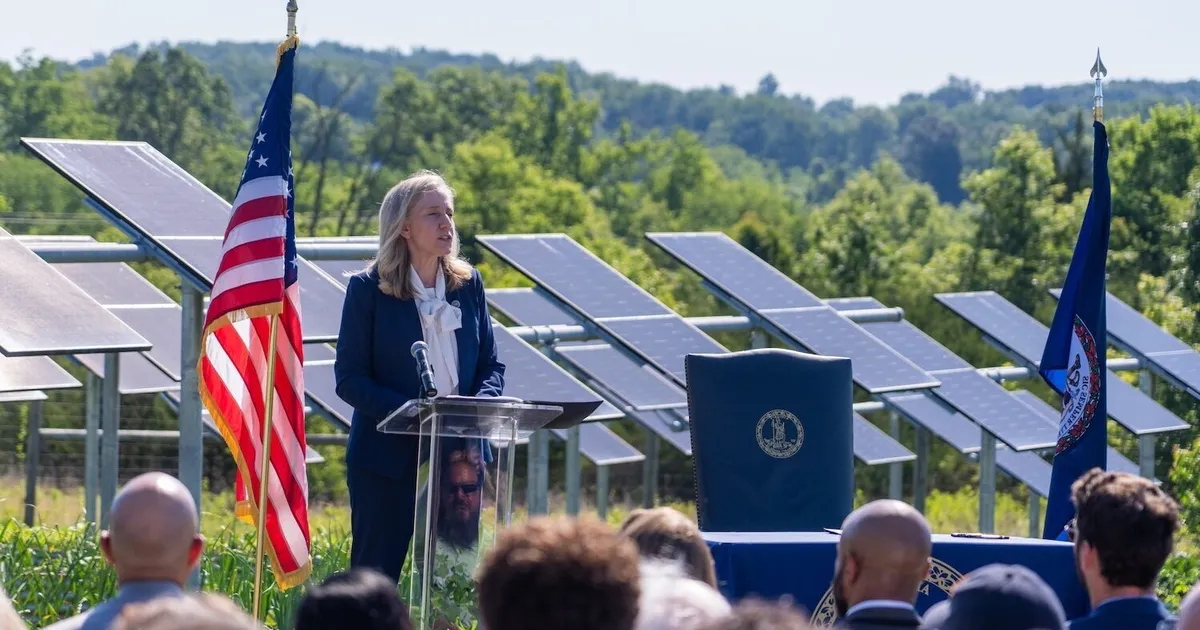
“This is not only the largest project in California, or the United States,” said Jeff Fortune, president of the Westlands Water District board. “This will be the largest project in the world.”
If built out, the network could add roughly 21 gigawatts of solar and battery capacity across about 136,000 acres of repurposed farmland — an energy buildout on par with all the large‑scale solar California has on the grid today, district documents show
Westlands delivers federally and state-supplied water to farms across a 1,000‑square‑mile stretch of western Fresno and Kings counties — one of the most productive agricultural regions in the country. But decades of water shortages and new state groundwater limits are forcing growers to rethink how that land can be used.