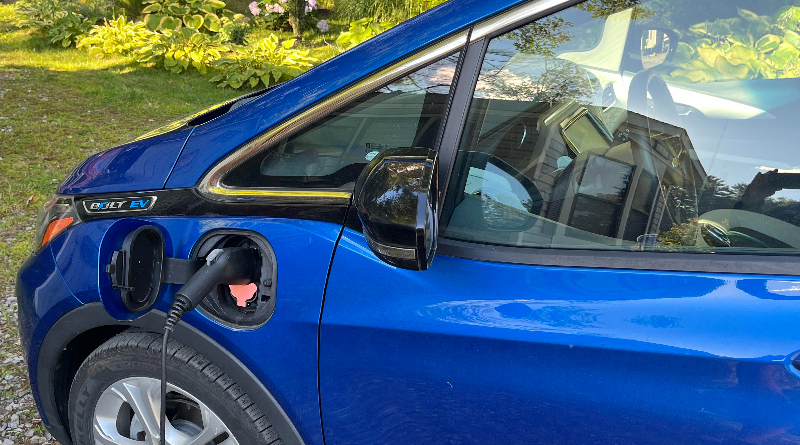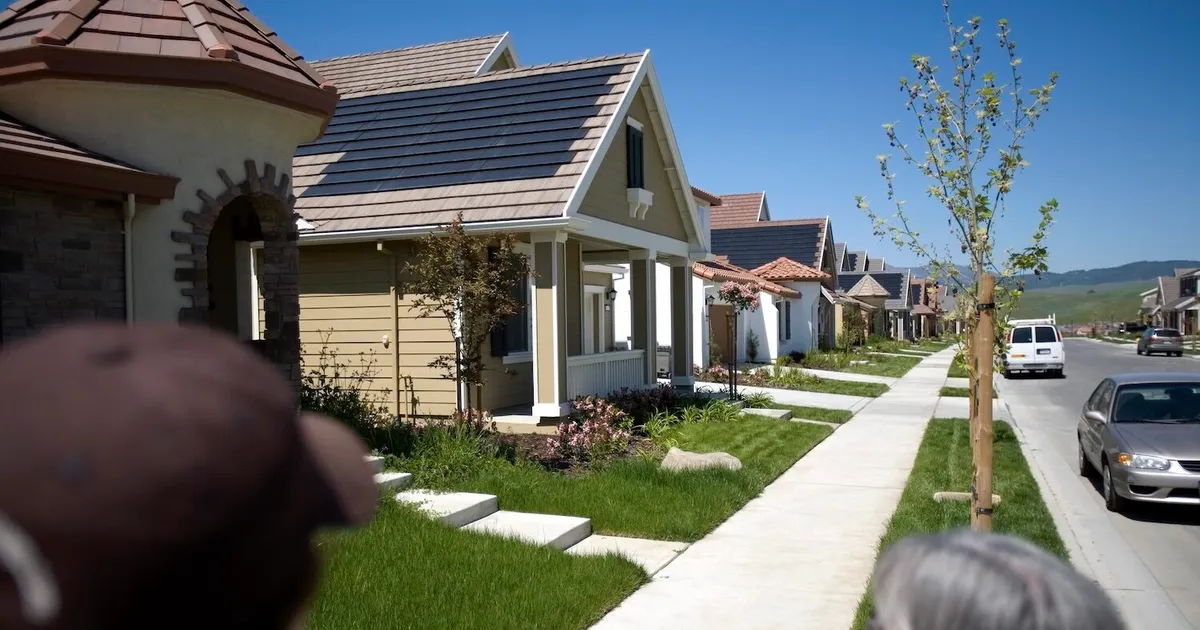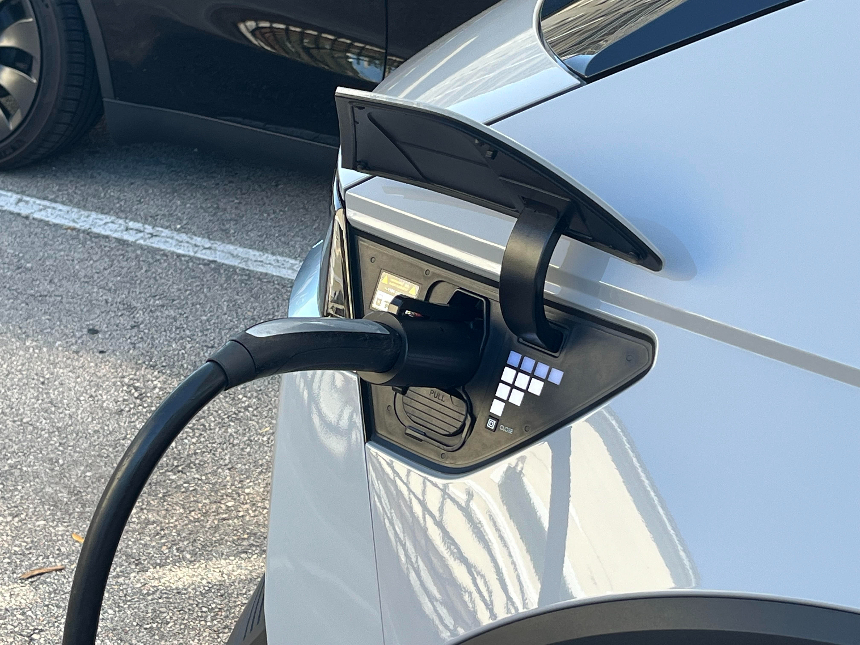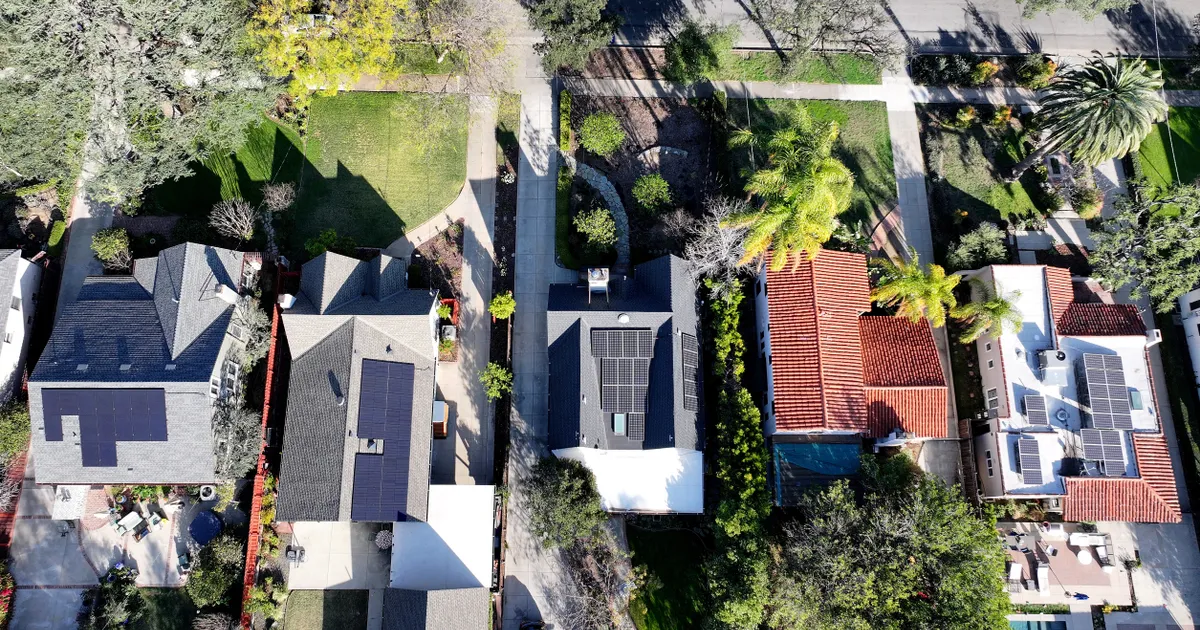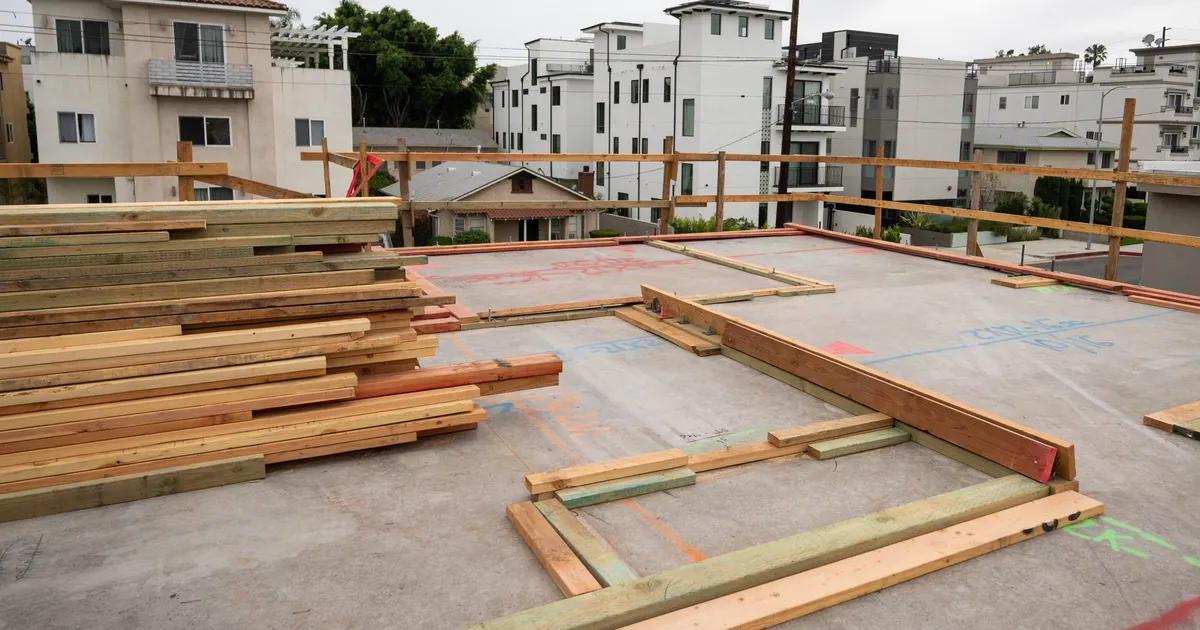
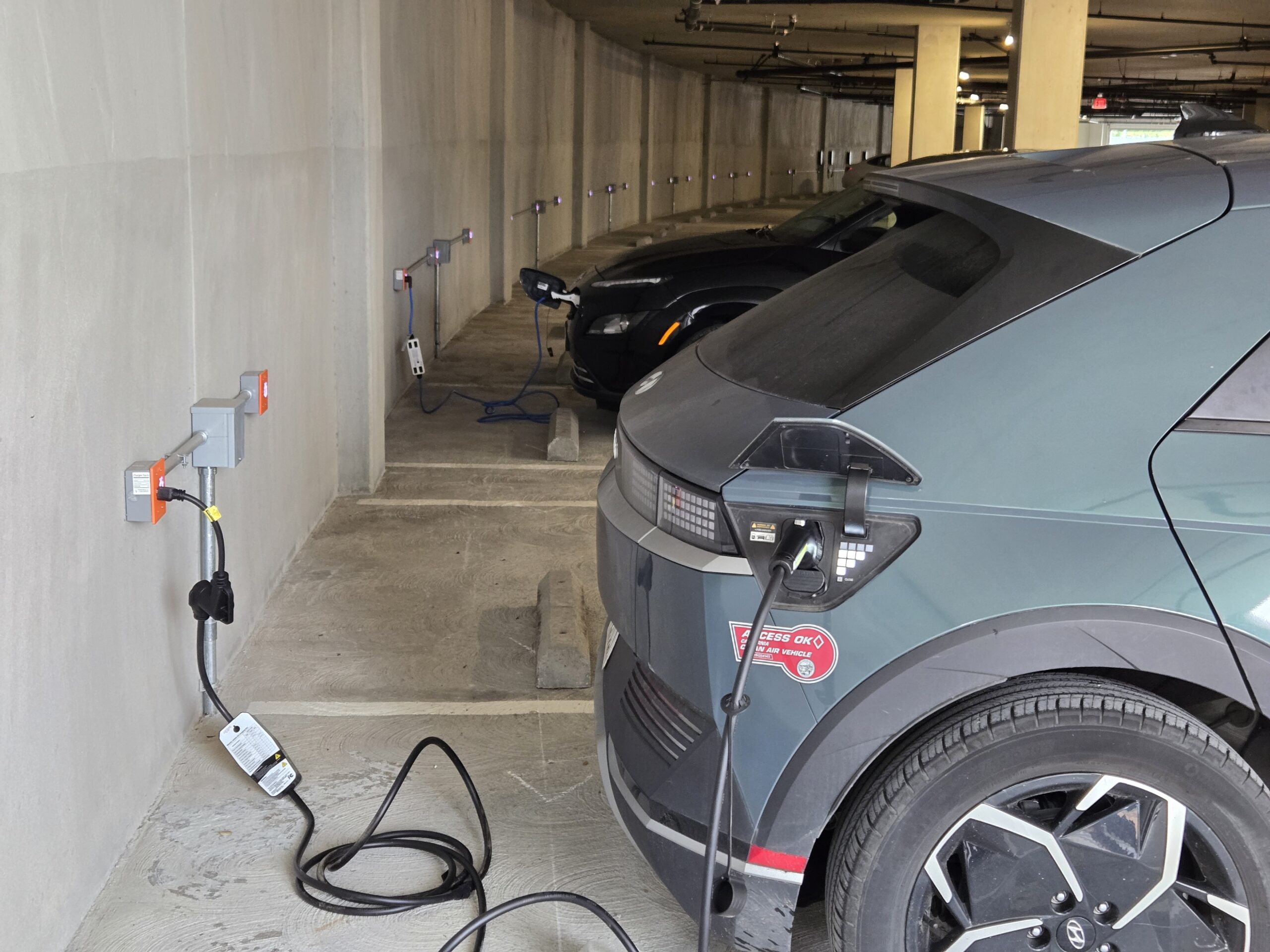
As of January, California requires developers of new multifamily buildings to ensure that residents with parking have access to EV charging at home. It’s one of the most equitable EV-charging policies in the nation, according to climate advocates.
But in a bid to reduce costs for builders, a state lawmaker introduced a bill in February that would waive those requirements for affordable housing construction until at least 2036.
Most households don’t have EVs yet, but the vehicles are growing in popularity, their costs are falling, and local rebates are making them more affordable. Clean-driving proponents say the current state policy, which requires outlets for EVs to plug into, is crucial to ensure that residents of affordable housing units can easily transition to electric cars and reap the benefits.
“California shouldn’t drop back,” said Linda Hutchins-Knowles, co-leader of the nonprofit National Charging Access Coalition. “We have the most expensive cost of living in the country. We need to reduce costs for residents of apartments and condos, especially in affordable housing, by giving them access to the lowest-cost charging for the lowest-cost vehicles, which are used EVs.”
In California, where gas is nearly $6 a gallon, EVs are taking off. They made up nearly one-fifth of new cars sold in the last quarter of 2025. Even given the state’s high electricity prices, EVs can cut the cost of driving in half. And drivers benefit most when they can charge at home: It’s both more convenient and cheaper than using public chargers.
 energyathaas.wordpress.com