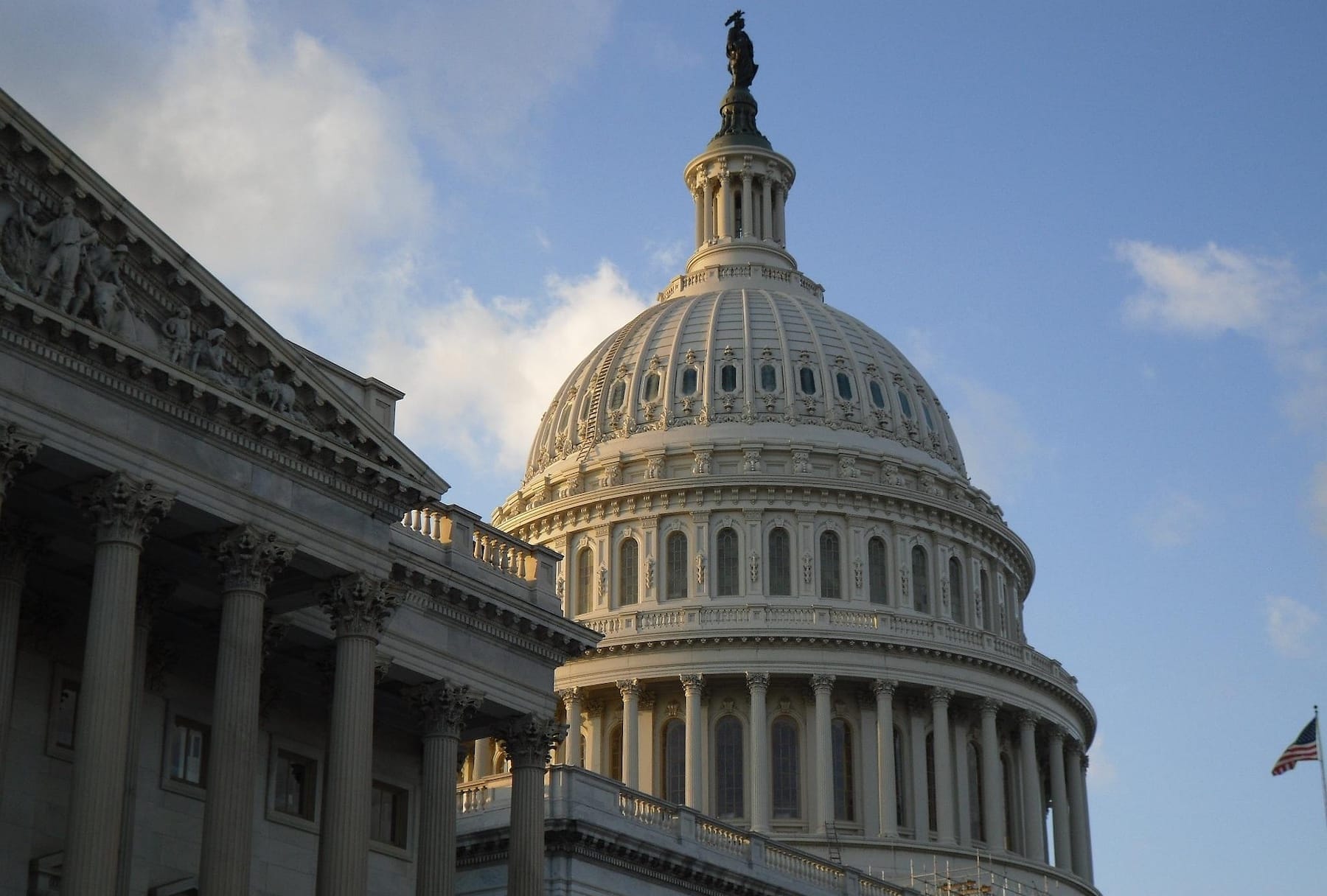
US lawmakers have proposed a new annual federal fee for electric vehicles and plug-in hybrids as part of a five-year transport package. The legislation would also reduce funding for EV charging infrastructure and electrified transport programmes.Image: Wenhan Cheng/PixabayThe proposal forms part of the five-year Surface Transportation Reauthorization Bill, also referred to as ‘BUILD America 250.’ Under the proposal, battery-electric vehicles would face an annual fee of $130, while plug-in hybrids would pay $35 per year. Starting in 2029, the fees would rise by $5 annually until reaching a cap of $150 for BEVs and $50 for plug-in hybrids.States would be responsible for collecting the fees through vehicle registration systems. According to the bill, states refusing to implement the system could face reductions in federal transport funding.The legislation is part of a broader $580 billion highway reauthorisation package ahead of the current programme’s expiry on 30 September. Federal road maintenance in the United States is primarily funded through diesel and petrol taxes, which EV owners do not pay directly through fuel purchases.The proposal follows earlier discussions around higher EV-specific charges. Republican senators proposed a separate $1,000 EV fee in 2025, while a previous federal plan suggested a $200 annual levy for electric vehicles.The draft legislation would also reduce funding for several clean transport initiatives, including EV charging infrastructure, electric freight projects, electric buses and programmes supporting disadvantaged communities.At the same time, the federal petrol tax remains unchanged at 18.4 cents per gallon, a rate that has been in place since 1993. Several US states have already introduced separate EV registration fees as electric vehicle adoption increases and fuel tax revenues decline.electrek.co, reuters.com, transportation.house.gov (page 174)
US lawmakers propose annual EV fee in transport bill - electrive.com
US lawmakers have proposed a new annual federal fee for electric vehicles and plug-in hybrids as part of a five-year transport package. The legislation would
274 words~1 min read