Support CleanTechnica's work through a Substack subscription or on Stripe.
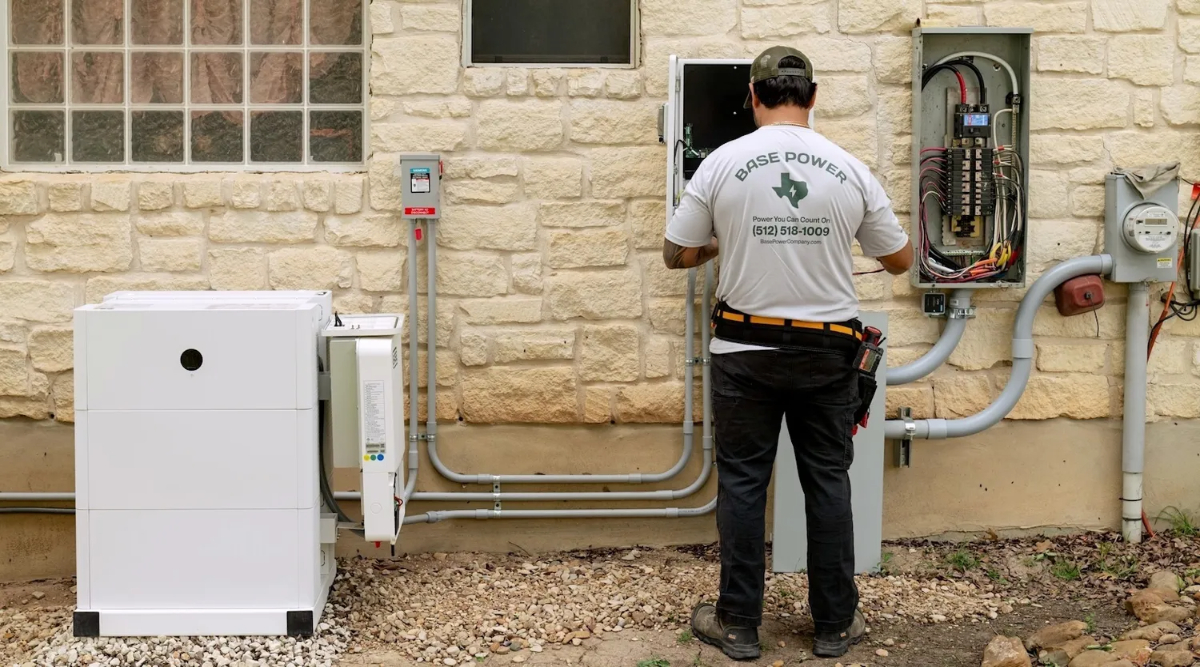
In the “old days,” if a homeowner put solar panels on the roof, any excess electricity could be sold back to the utility company for close to the normal retail rate. This arrangement was called net metering. In many cases, the money earned by selling electricity back to the utility company could pay for the system in three to five years. After that, people with rooftop solar could consume their own electricity and reduce their monthly utility bill substantially.
The utility companies soon came to hate net metering and convinced legislatures in many states to severely reduce or eliminate the amount of money homeowners could earn by using it. Part of the reason the utilities were mad about net metering was because ever since the days of Thomas Edison, the grid had been a one-way street. It was never designed to permit bidirectional flows of electricity.
But there was another reason as well. Most of the electricity being fed back into the grid by those rooftop solar systems was generated in the afternoon, which just so happened to be precisely when the utilities were getting maximum benefit from their own grid-scale solar assets. What do utilities do when they have too much electricity? Sometimes they pay someone to take it off their hands, and sometimes they can’t find anyone who will take it, so it just goes to waste. No sane business person wants to pay for something that will never add ten cents to the bottom line. That’s Capitalism 101.