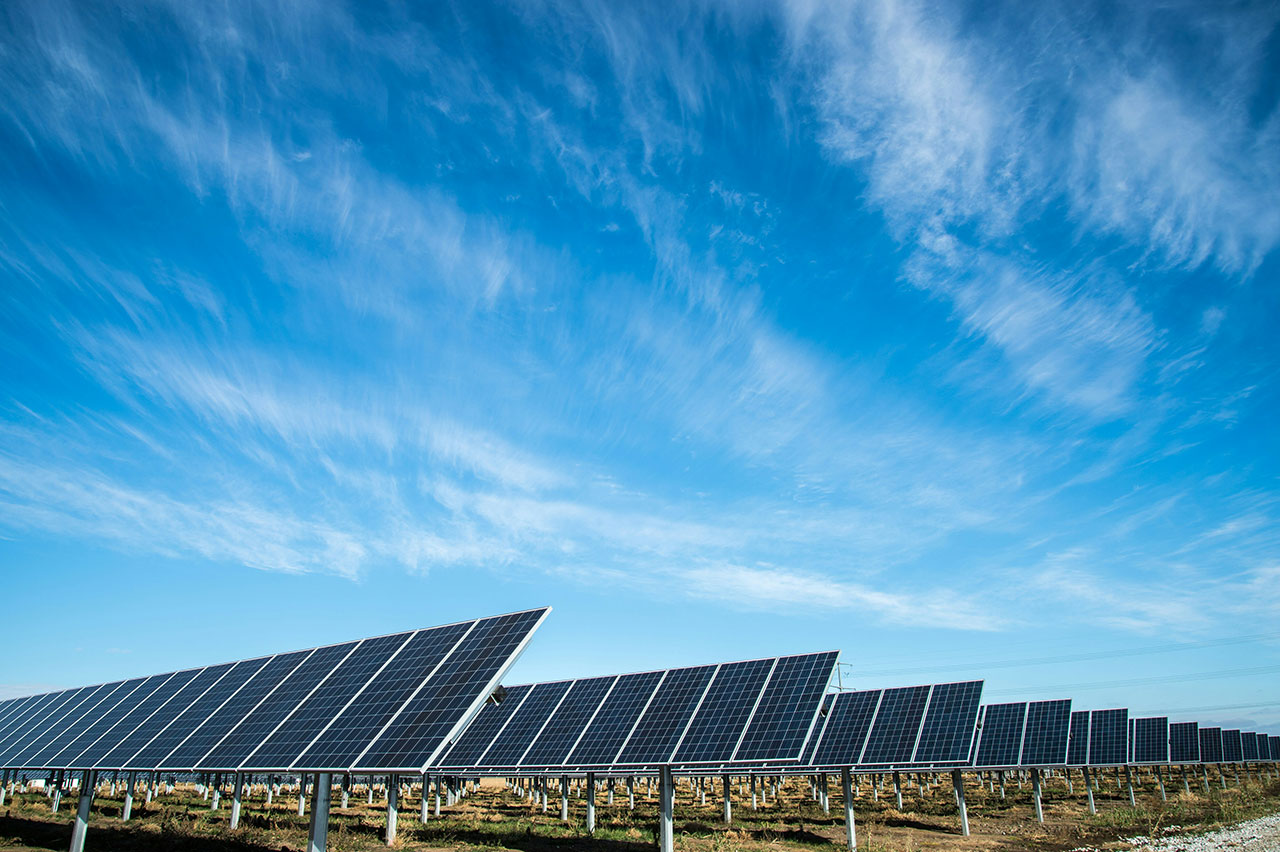
Advanced grid-scanning software, as detailed on the Energy Empire podcast with host Jigar Shah, is uncovering massive blocks of hidden transmission capacity, offering utility-scale solar and storage developers a near-term escape route from the interconnection queue.
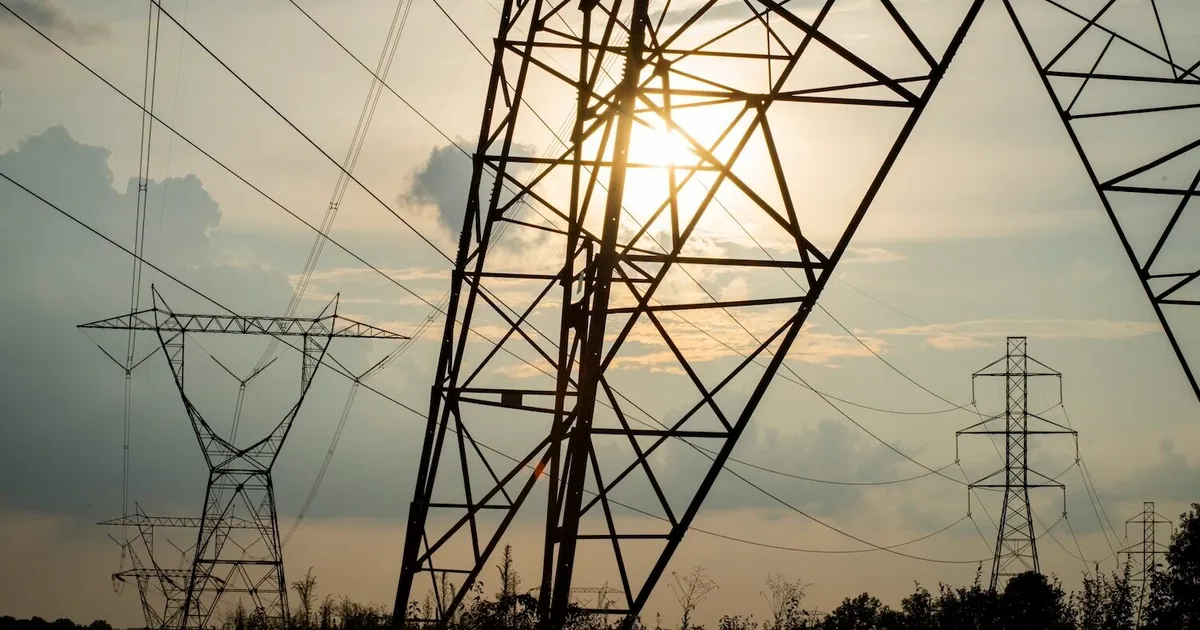
For decades, capacity planning for the electric grid has operated on a conservative guess. To maintain reliability, utilities plan on how to operate if any two major system components fail simultaneously, in a process called N-2 contingency criterion. On a system with ten thousand parts, that creates a hundred million possible combinations, a mathematical burden traditional utility planning could not actually calculate.
So, engineers conservatively built the grid for the absolute worst-case scenario. That abundance of caution is why the American grid runs at only about a third of its capacity for most of the year, leaving infrastructure idle.
The core issue holding back clean energy deployment in the United States is not a lack of physical power generation but an acute underutilization problem, suggested an episode of the podcast Energy Empire hosted by Jigar Shah.
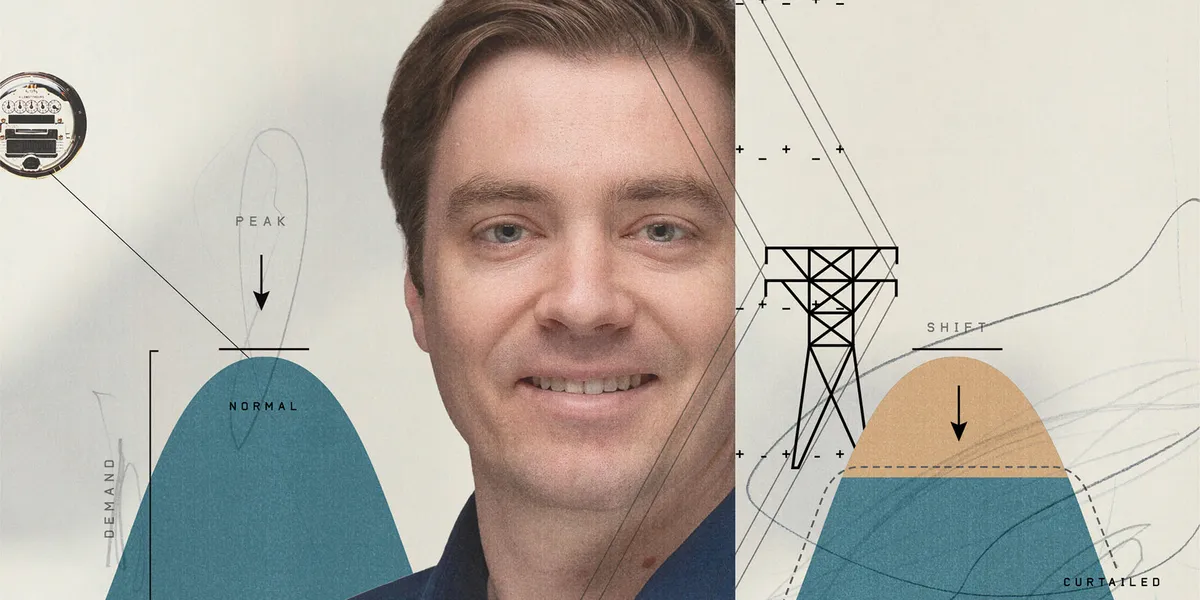
Shifting from a legacy, conservative planning model to software-driven monitoring can safely unlock 300 GW of capacity on existing infrastructure within three to five years without requiring new transmission lines or physical power plants, said Amit Narayan, founder and CEO of GridCARE as featured guest in Shah’s podcast.