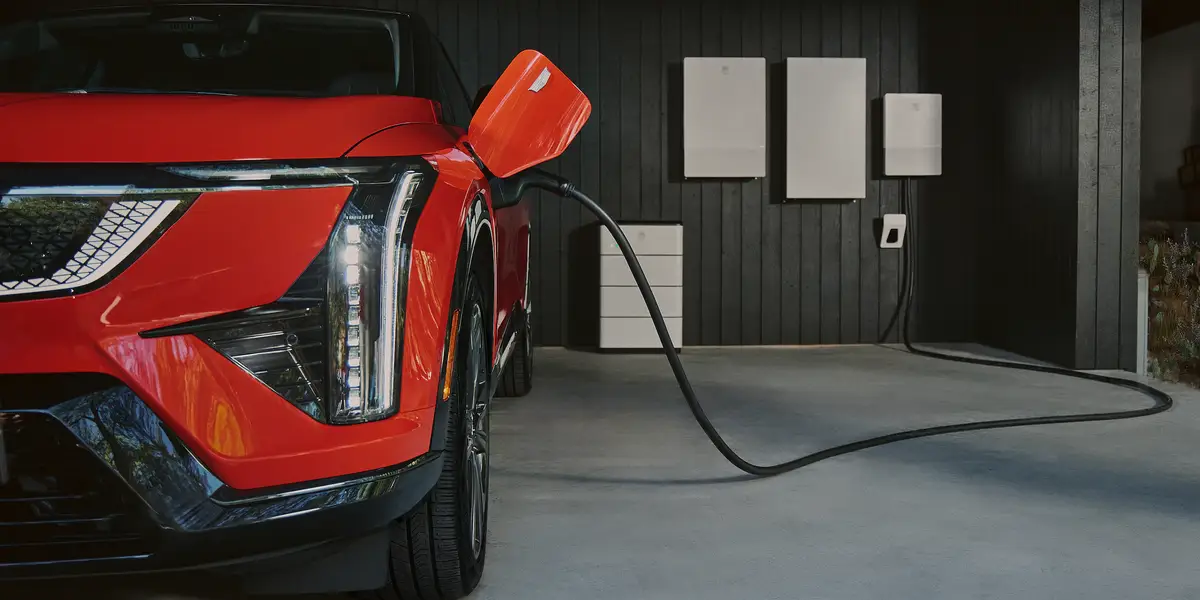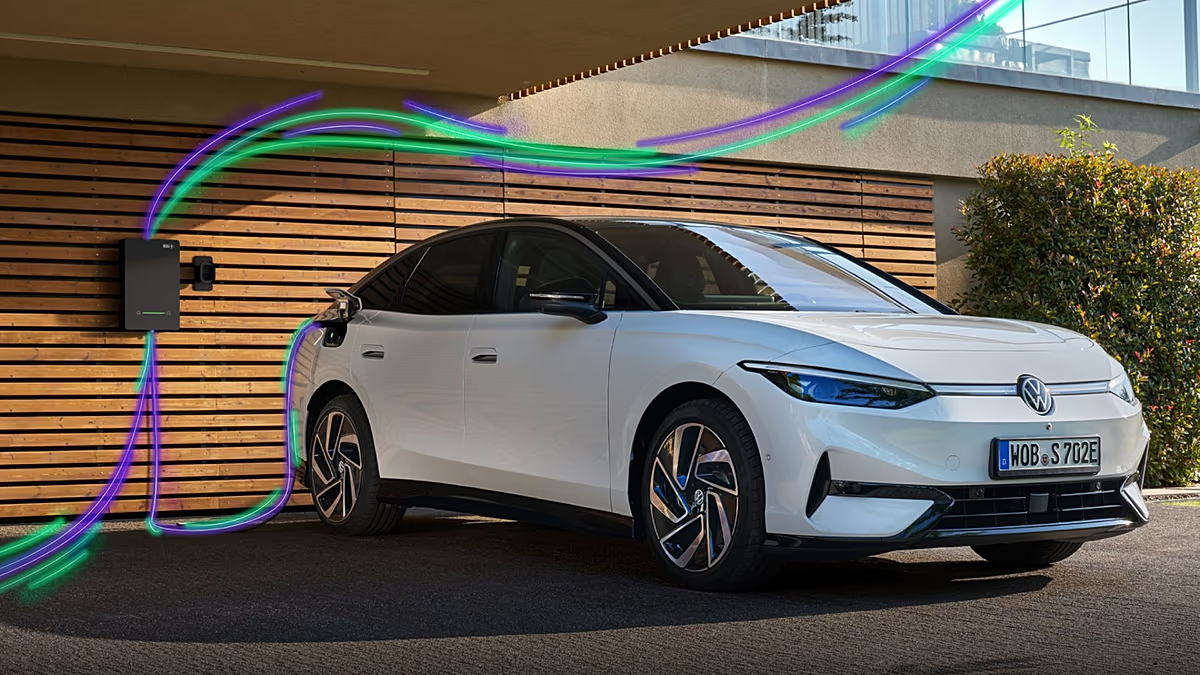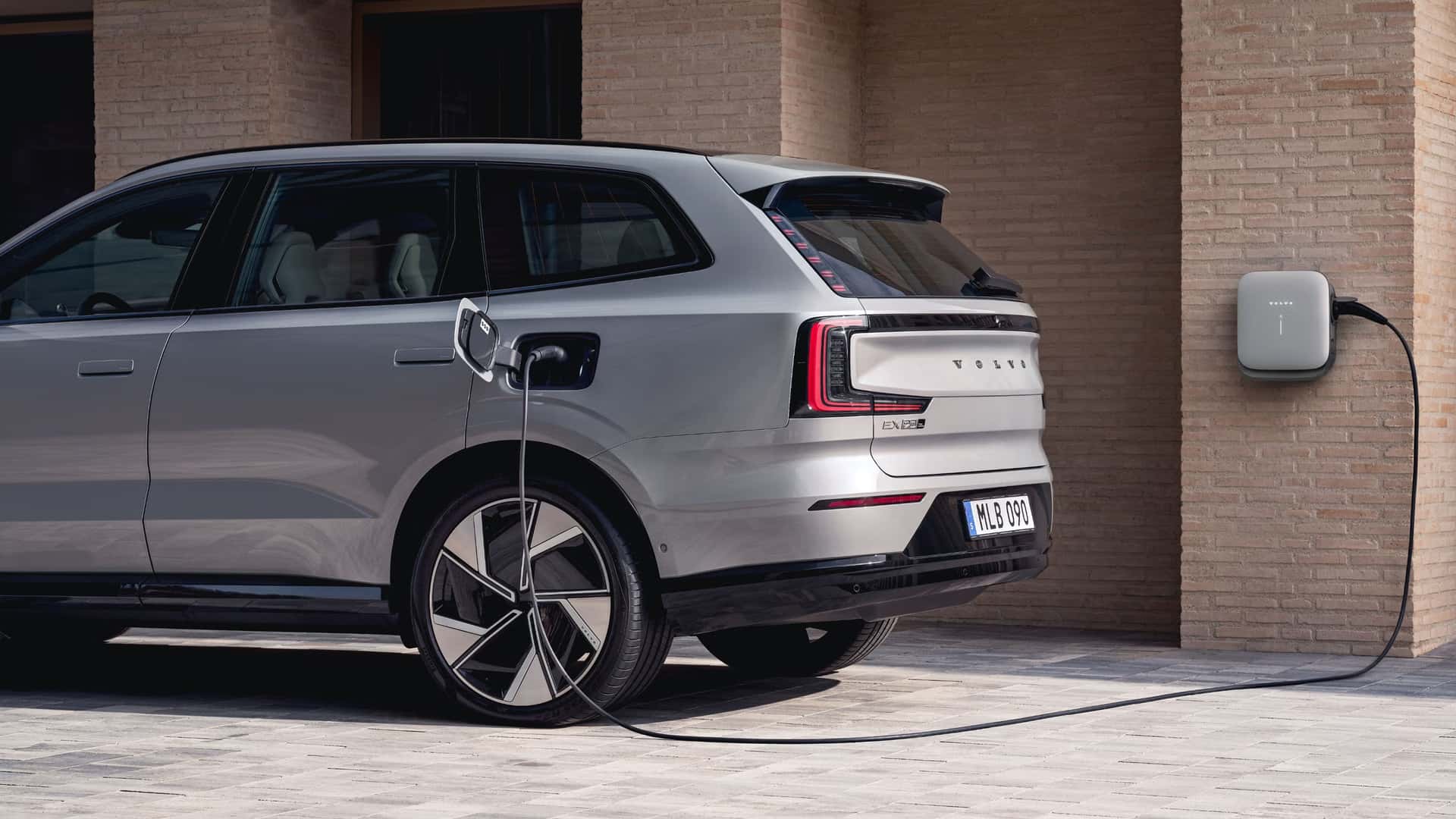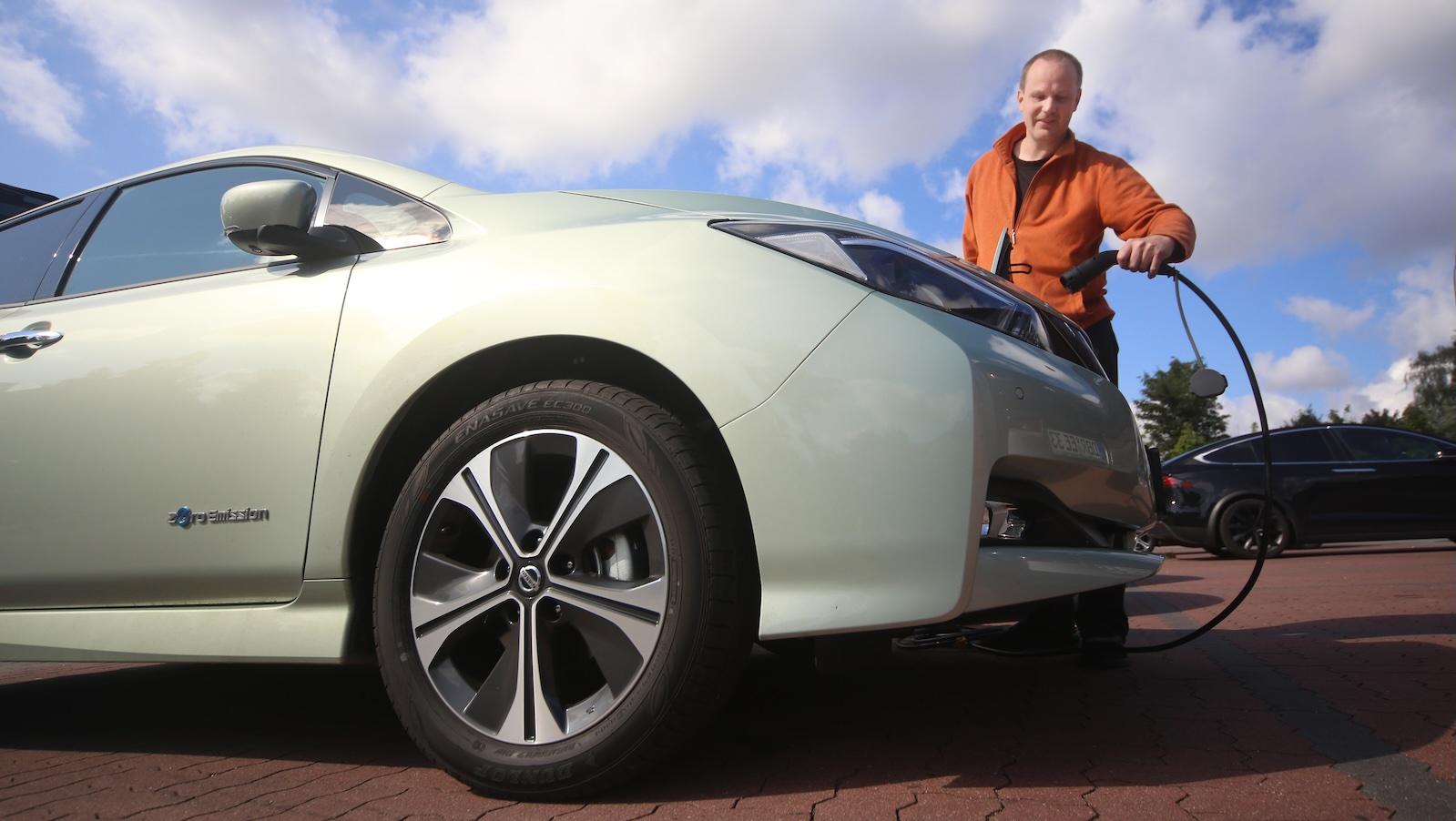
You can’t tell when you’re passing one on the highway, but an electric vehicle may well have a superpower. It charges by plugging into the electric grid, of course, but it might also be able to send energy back into it. For a growing number of EVs, this vehicle-to-grid technology, or V2G, creates a revenue stream for drivers, who utilities pay to tap into their batteries when demand on the grid spikes.
Utilities across the country are pursuing pilot projects for the tech, figuring out how to coordinate hundreds, thousands, and eventually millions of EVs. To that end, today a coalition of companies — Eversource, National Grid, EnergyHub, Sunrun, and the Mobility House — is launching an early test of the technology in Massachusetts so utility customers can give it a try. Lessons learned here and elsewhere could drive the technique into the mainstream, making the grid more reliable, and electricity cheaper, even if you don’t own an EV. “It’s great to have Massachusetts stepping into the lead here and doing this because these learnings are what’s going to allow this technology to scale,” said Chip Silverman, director of grid services at Sunrun, a solar and battery company.
In the new system, participants hook into an existing program called ConnectedSolutions, which allows homes to run off their residential batteries, among other things. Then when there’s a “demand response” event, like during a heat wave, EV batteries can help the grid keep up. Participants are compensated for this, just like some homeowners who provide energy from their solar panels.