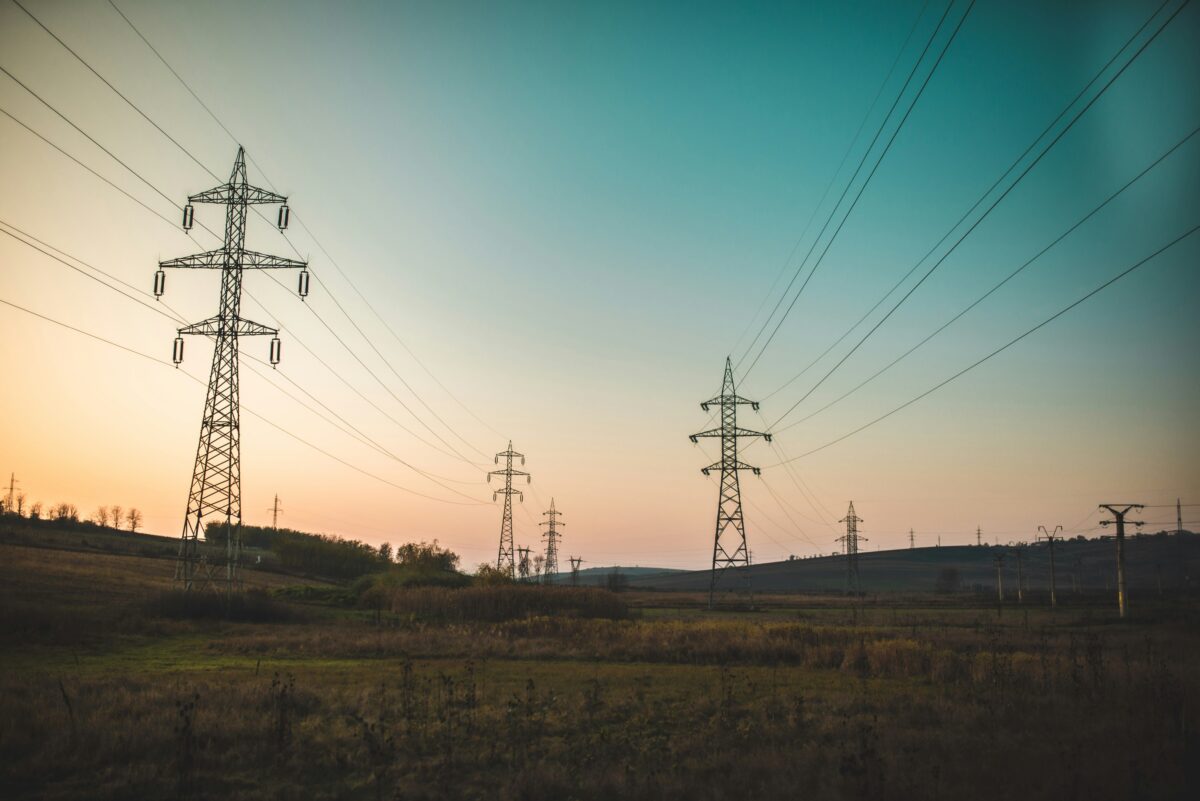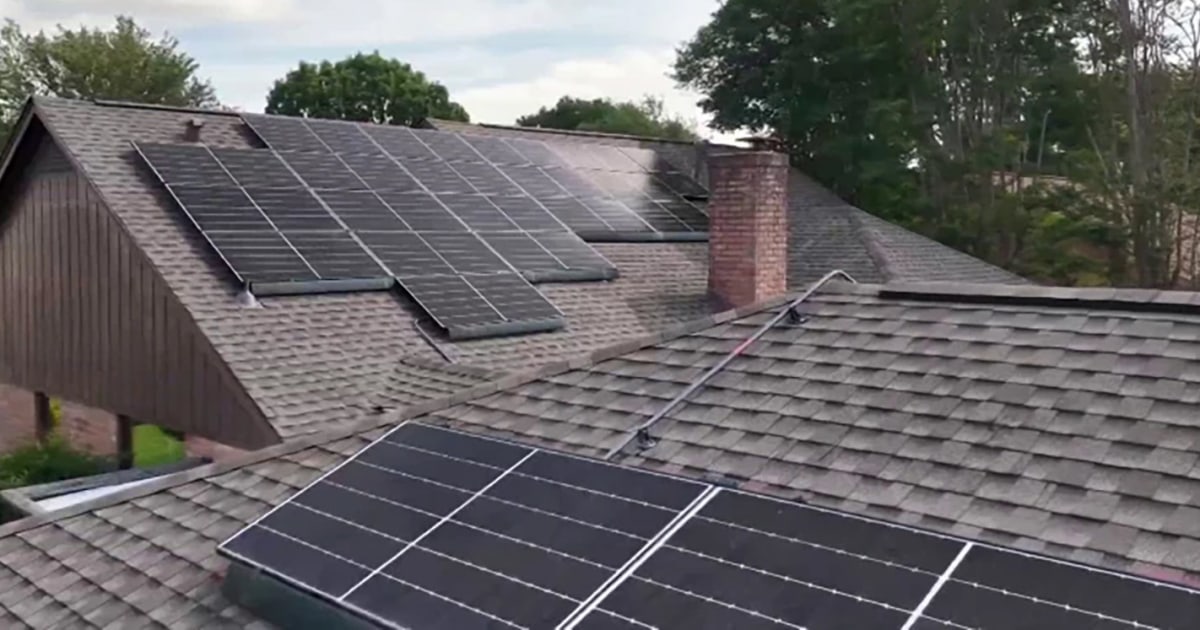
A grid that pays you to consume electricity is not a thought experiment. In Germany, wholesale power prices have gone negative often enough that it barely makes headlines anymore: on a windy, sunny afternoon, there is simply more electricity than the grid can absorb, and someone has to be paid to take it. Meanwhile, in most homes, none of that signal reaches the washing machine, the home battery, or the EV charger. They run on habit, not on price.
That gap between "electricity has an hourly price" and "almost nothing reacts to it" is what I set out to close, at a small scale, with the Electricity Planning Engine: a Laravel API that decides, hour by hour over a 24 to 72 hour horizon, whether a household should draw from the grid, charge or discharge a battery, or export solar surplus, based on its energy contract and the market price.
Full source is on GitHub: github.com/adeutou/electricity-planning-engine. This post walks through why the problem matters, then how the solution is actually built, with enough real code that you can follow along or lift pieces of it for your own project.
Why hourly prices are not a gimmick
Germany is the best possible example for this, because it is living the consequences of both extremes at once.