This audio is auto-generated. Please let us know if you have feedback.
Until about 10 years ago, homeowners seeking reliable backup power had little choice but to shell out thousands of dollars for a professionally installed standby generator.
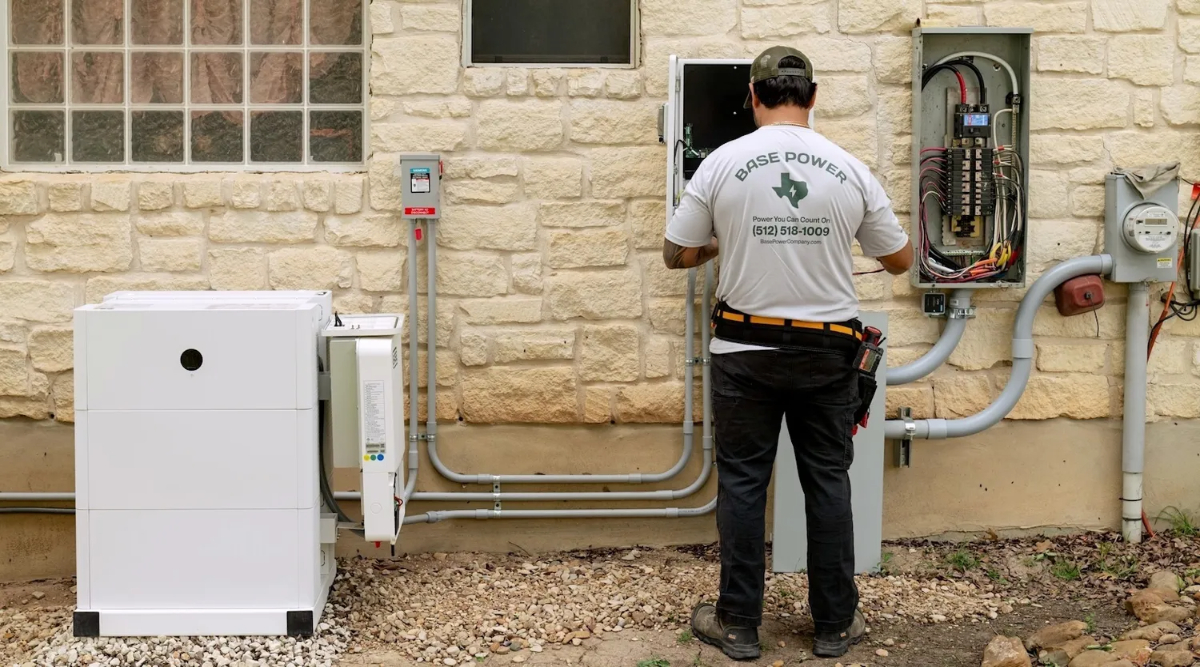
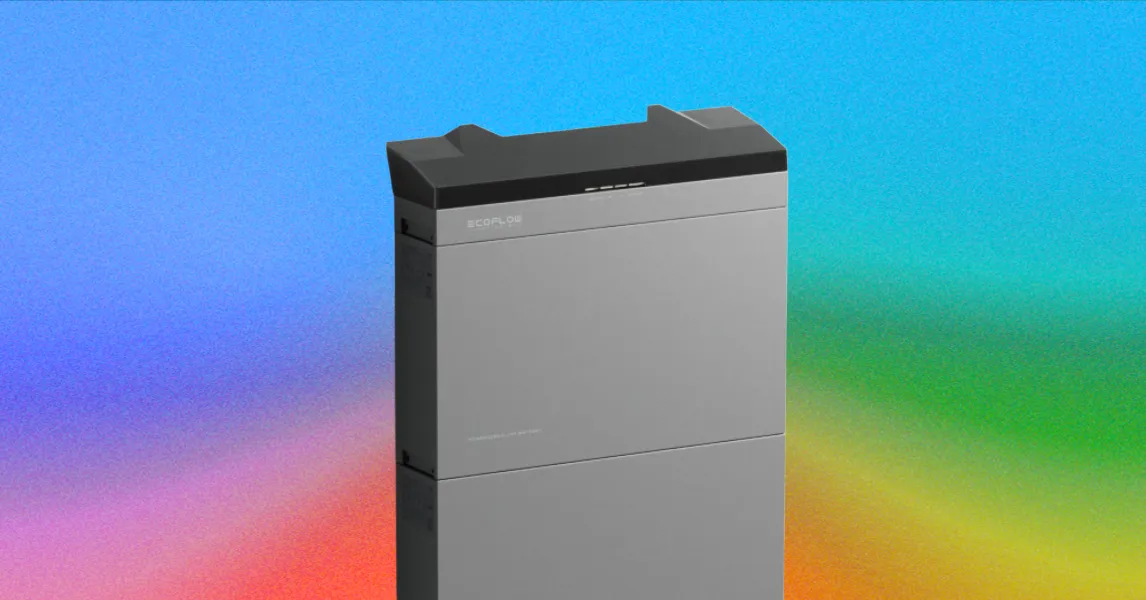
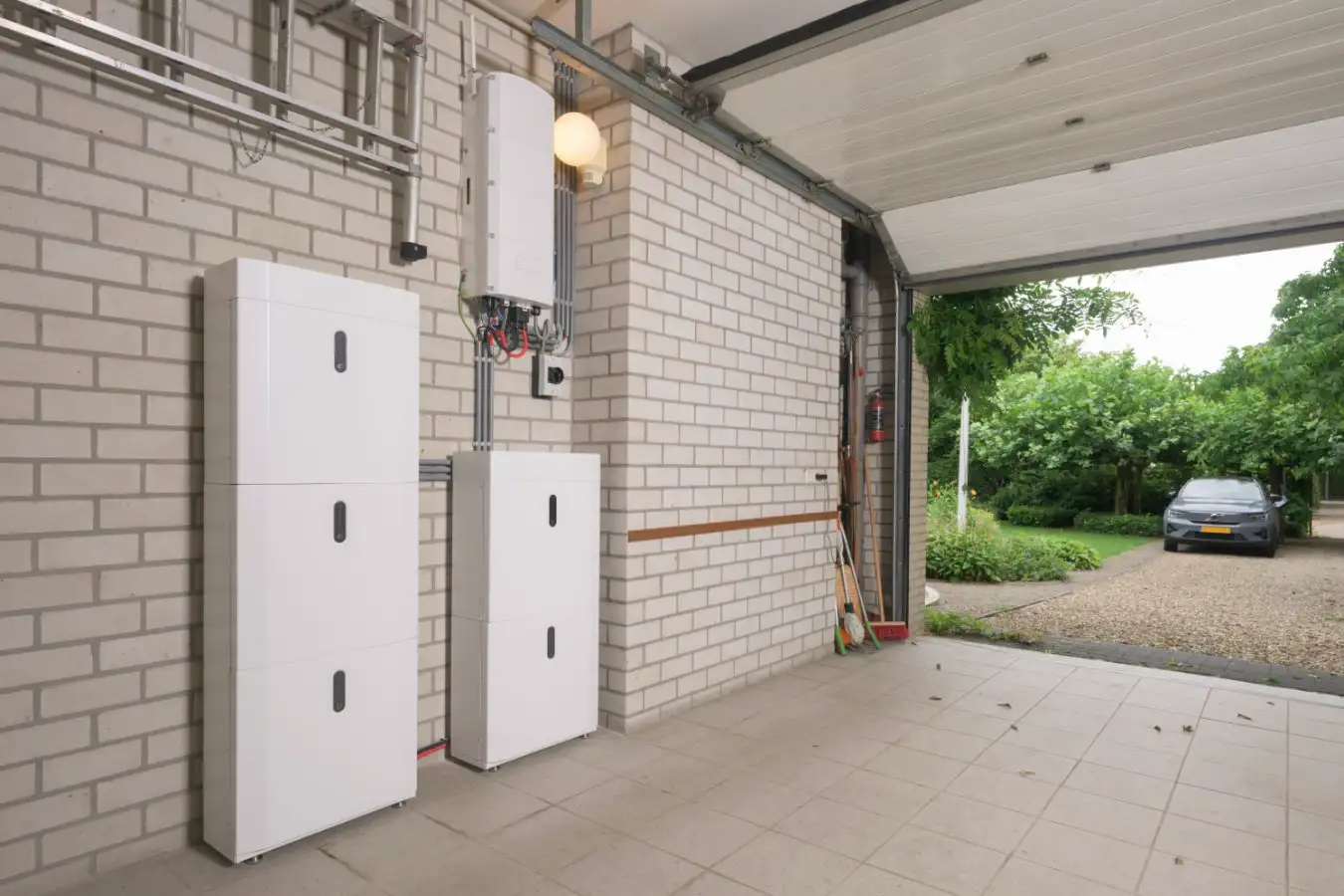
Stationary batteries added a cleaner, fuel-free choice to the mix, but they can be even more expensive to purchase outright than diesel or natural gas generators, putting them out of reach for most middle-class homeowners. With import tariffs, country-of-origin restrictions and other factors putting upward pressure on component and module pricing for small battery systems, this dynamic seems unlikely to change soon.
Yet distributed battery adoption could still grow, propelled by retailers marketing home batteries for little or nothing up front and a monthly fee that in some electricity markets costs a little more than a top-tier Netflix or Hulu subscription. Company representatives and distributed energy experts tell Utility Dive the model works — at least for now — because small-scale batteries are uniquely positioned to deliver value to their hosts and to the distribution grids that serve them.
Texas: ground zero for battery subscriptions