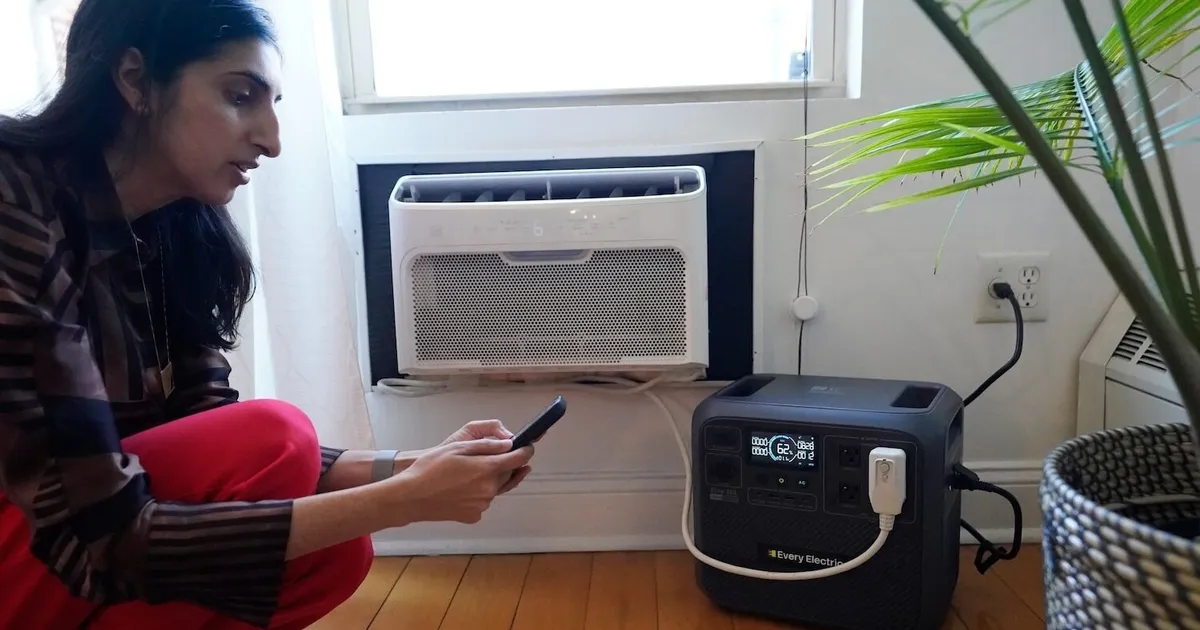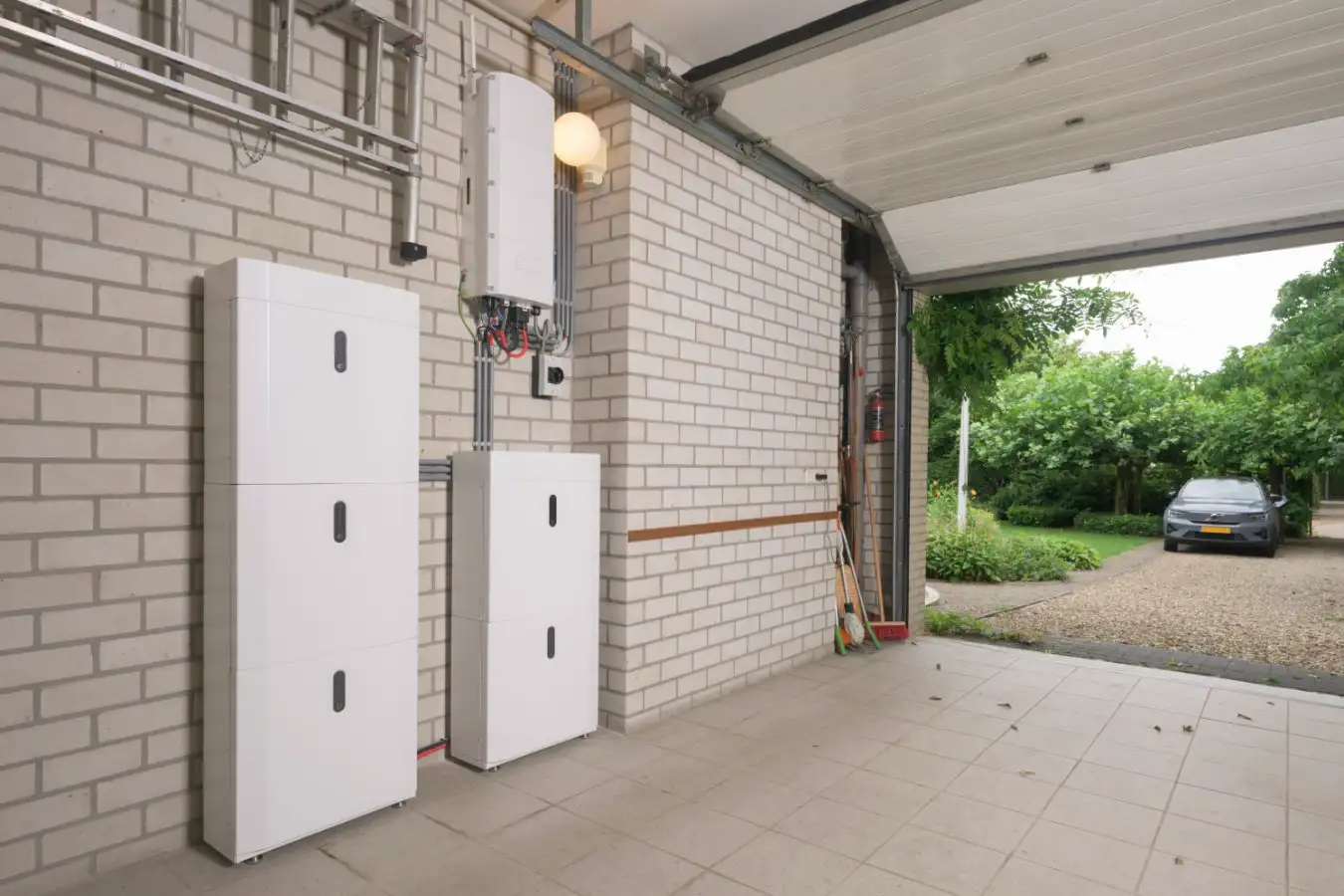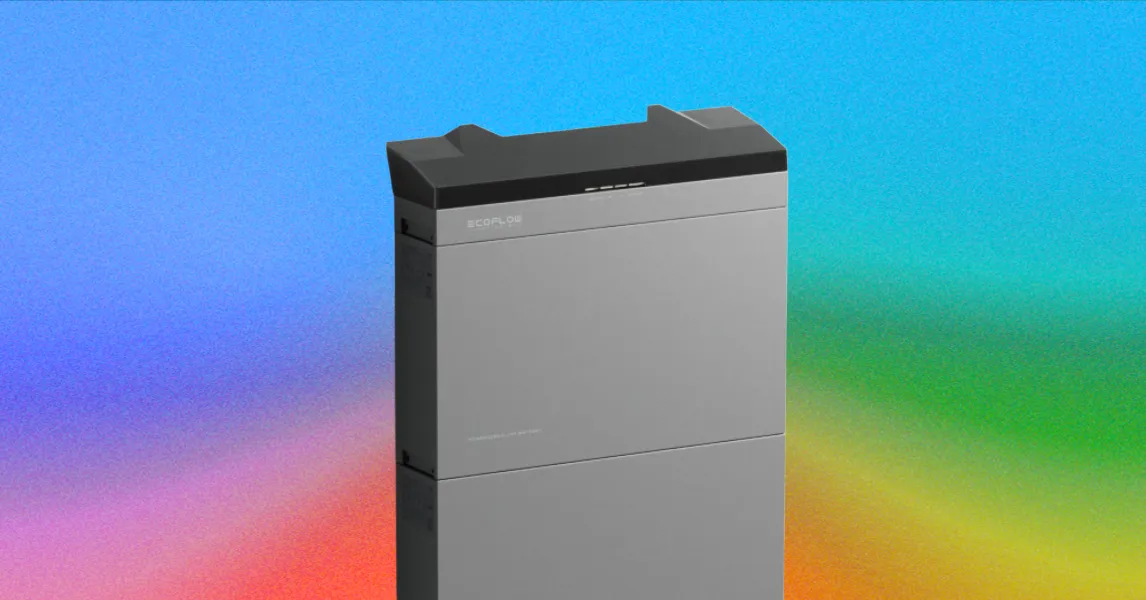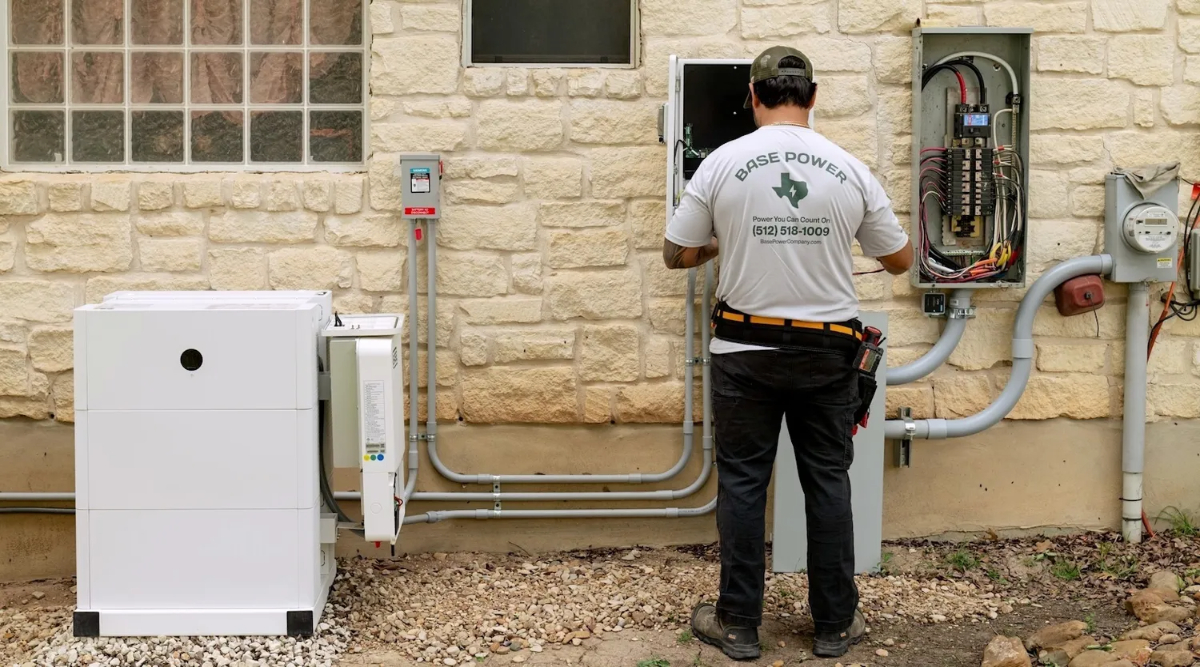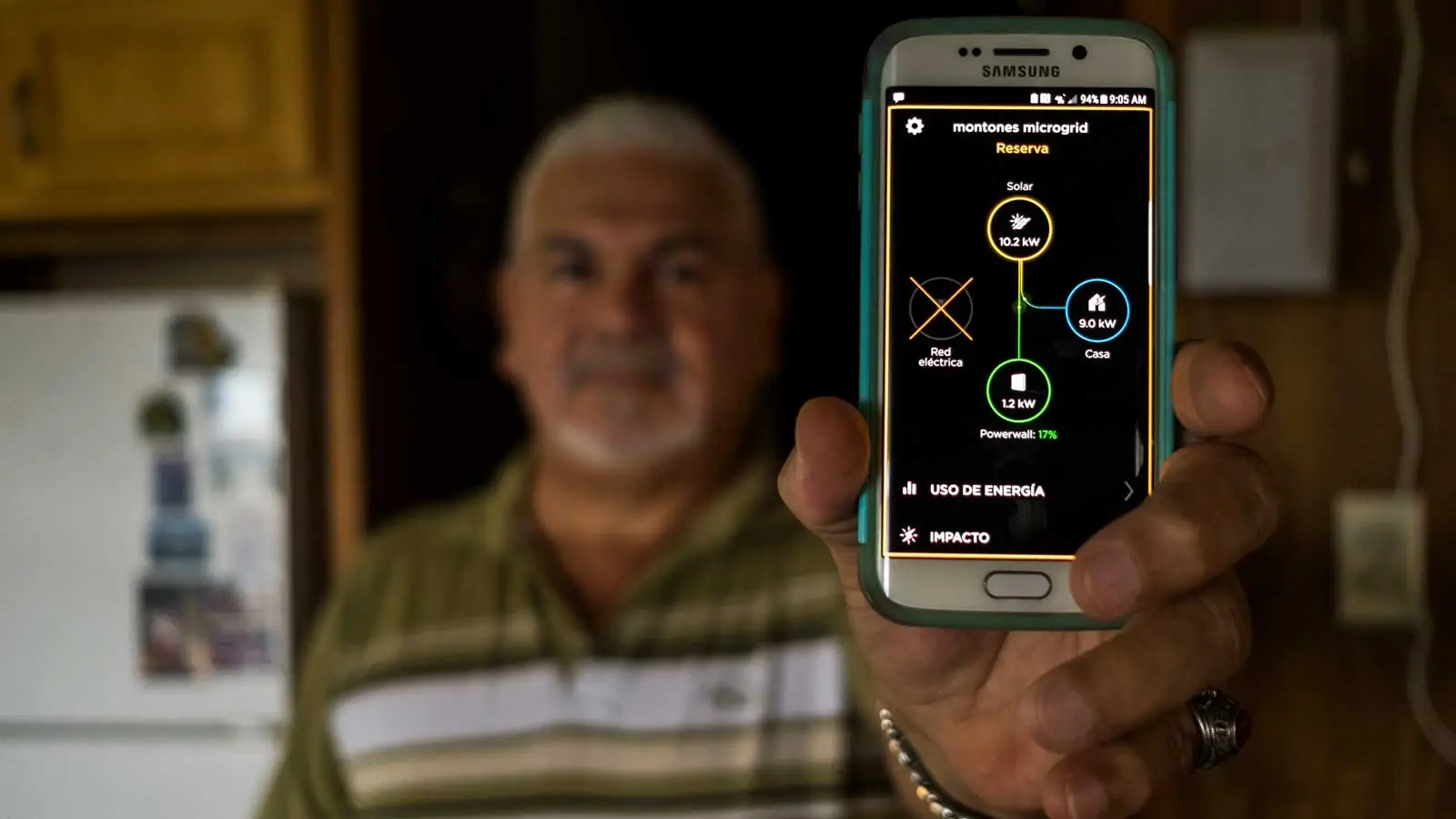
As the prices of home battery systems fall, they’re becoming a key part of the modern electric grid. They can help homeowners store power from rooftop solar panels or the grid for use during outages or periods of high demand. And they can reduce strain on the grid during heat waves when electricity demand soars.
In this interview with Yale Climate Connections, Raghu Belur, the chief products officer for Enphase Energy, explains how home battery systems can lower utility bills and create backup power during grid failures. He also says that batteries, including the batteries in electric vehicles, may one day make it possible for utilities to use power from many small sources to maintain a more reliable grid.
This interview has been edited for clarity and length.
Yale Climate Connections: Could you explain what a home battery is, how it works, and the benefits it provides customers?
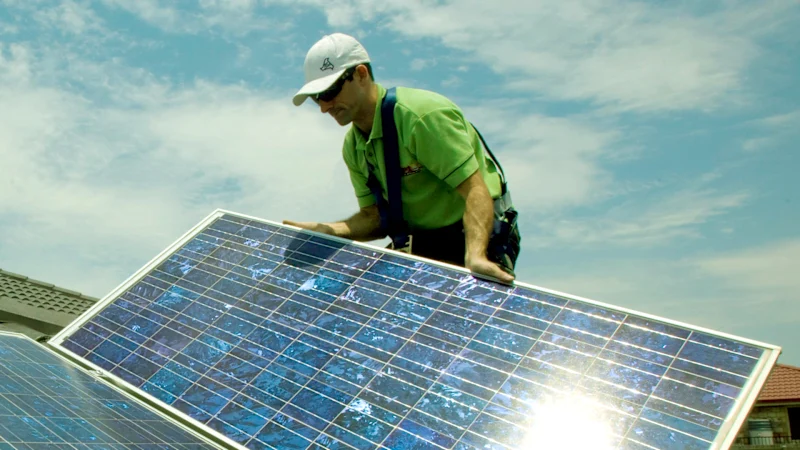
Raghu Belur: The beauty of the battery is it can do a few different things. The home – which traditionally has been only a consumer of energy – is actually producing its own energy with solar on the roof. One of the limitations to solar is that it’s an intermittent resource – we don’t have solar at night – so the best way to actually maximize the utilization or the usability of solar is to add a battery.