“Distributed energy storage is a resource that [utilities] can leverage to avoid these peak demand spikes, and there’s a clear benefit for them, in terms of deferring their capacity investments,” said Bryan Bollinger, a professor of marketing and economic policy at the Tuck School of Business at Dartmouth, who studies how consumers make energy decisions.
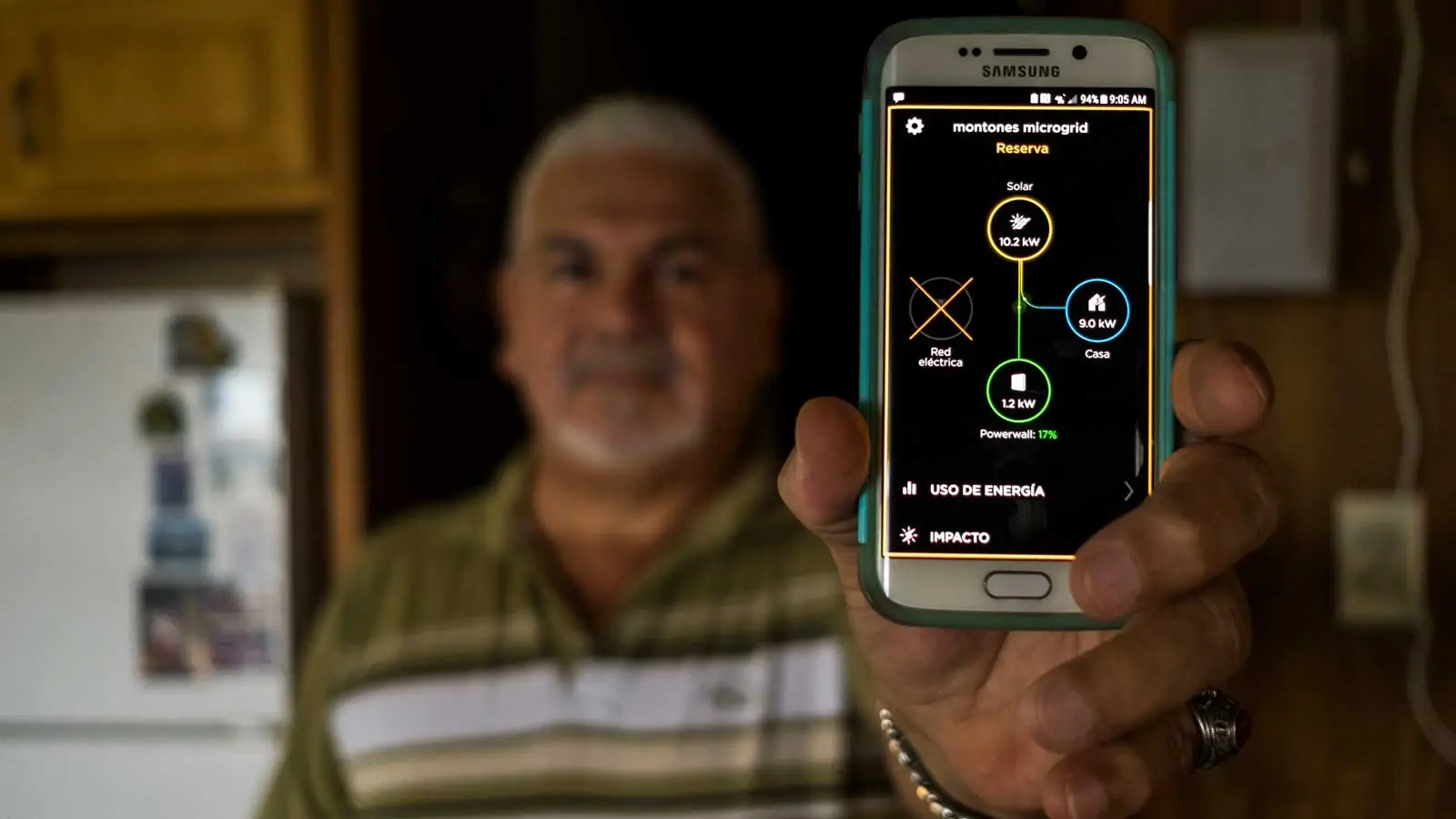
A growing number of states, led by California, are increasingly adopting programs that call upon networks of customer-owned energy devices — like Tesla Powerwalls charged by rooftop solar panels — to support the grid when needed. But these initiatives, also called virtual power plants, primarily serve homeowners who are able to outfit their homes with clean technologies.
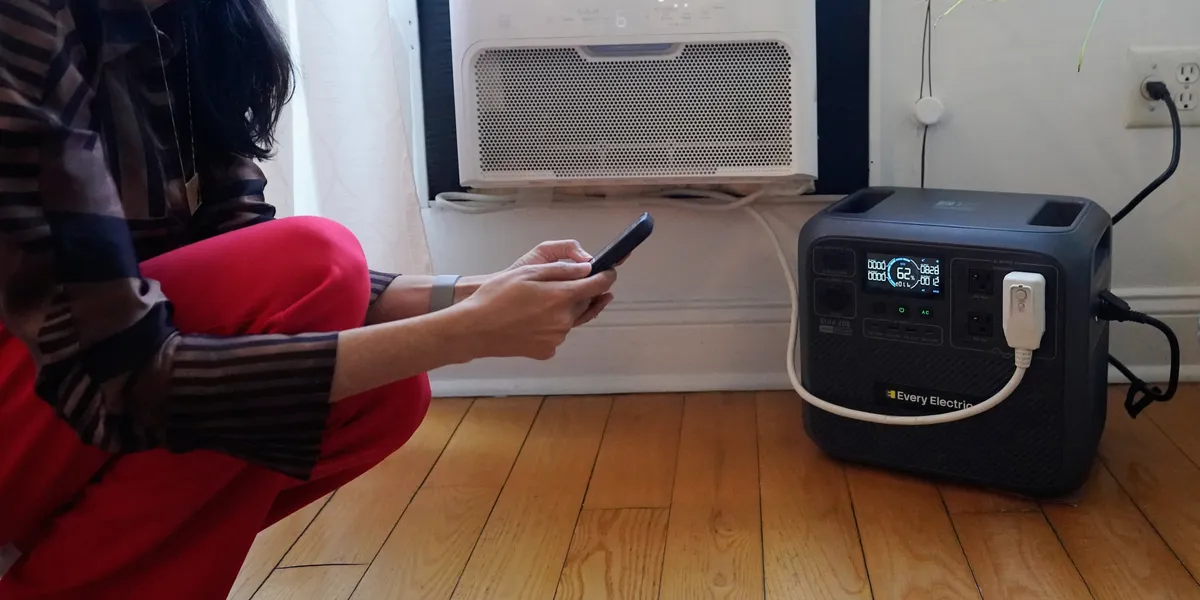
Every Electric’s renter-friendly approach “targets a different population completely,” Bollinger said. “You’re getting a bunch of consumers who also want to feel like they’re doing their part, but who don’t have the ability to do things like install solar panels.”
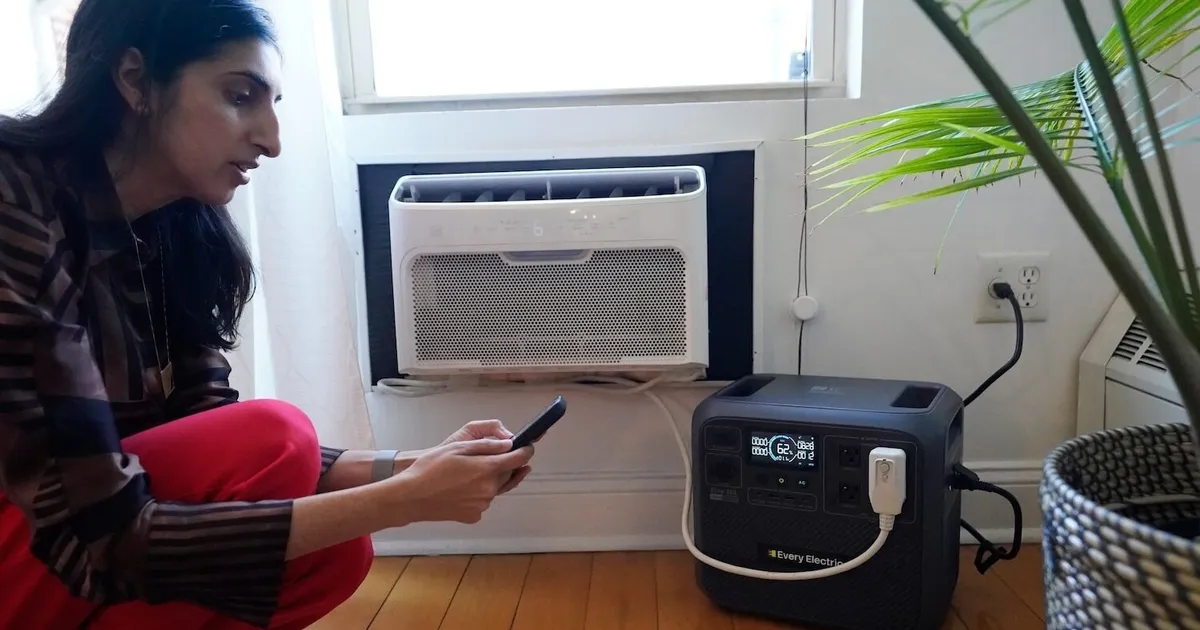
The company’s program also skirts the challenges facing large-scale battery storage systems in New York City. Big batteries can provide even greater relief to the grid, but local developers are ensnared in a regulatory battle with Con Edison related to the cost and effort of connecting to the system. Every Electric’s microwave-sized batteries face no such issues: As the utility sees it, the power bank in my bedroom is no different from a computer or TV.