This article originally appeared on Inside Climate News, a nonprofit, non-partisan news organization that covers climate, energy and the environment. Sign up for their newsletter here.
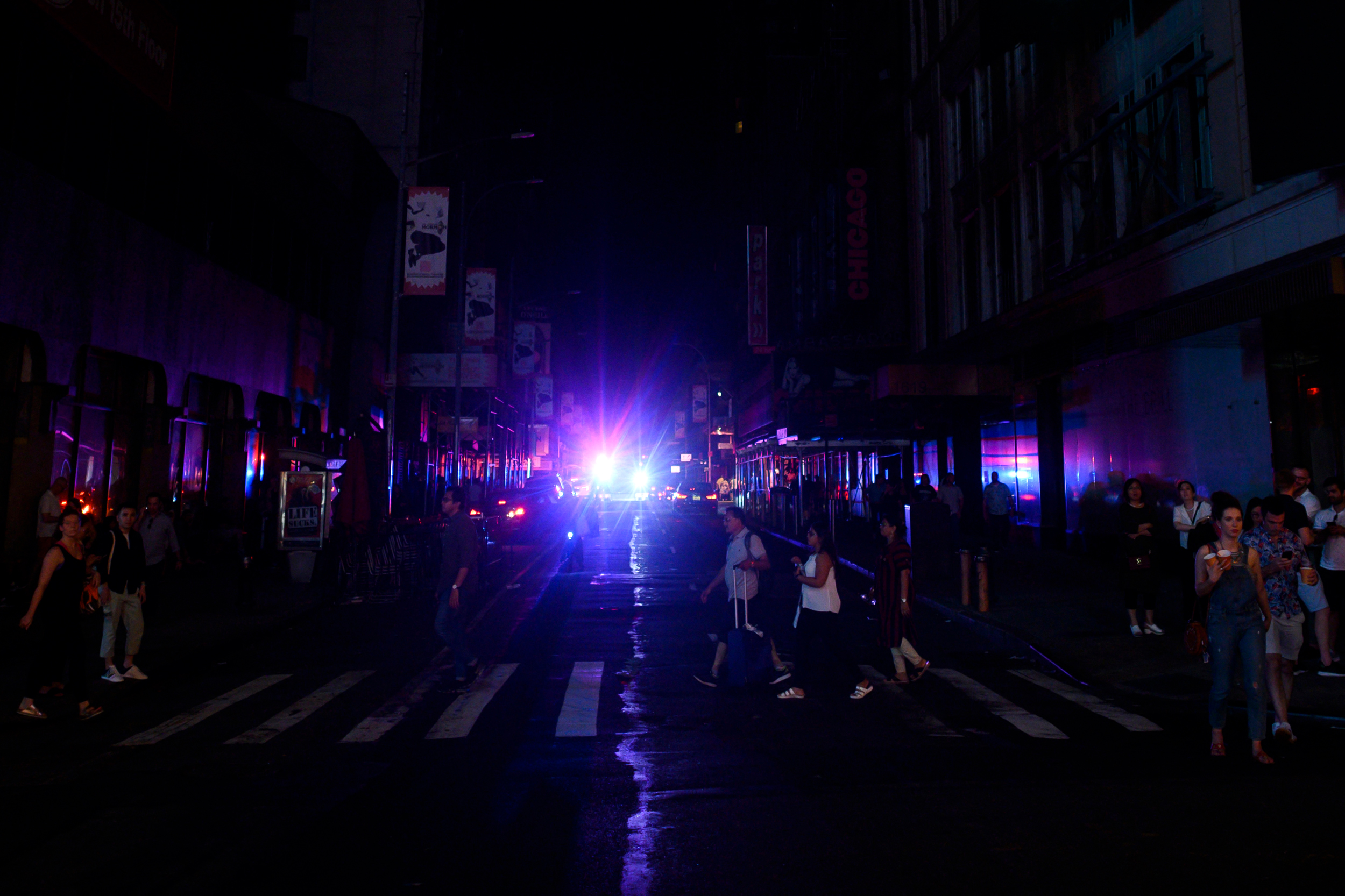
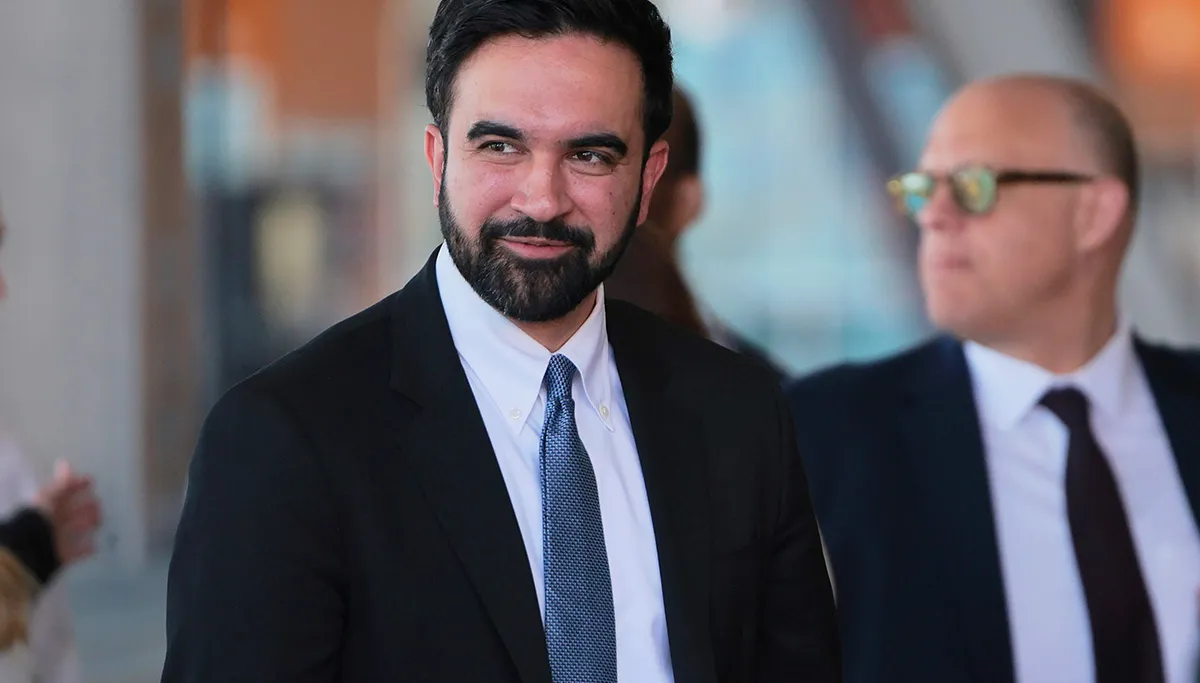
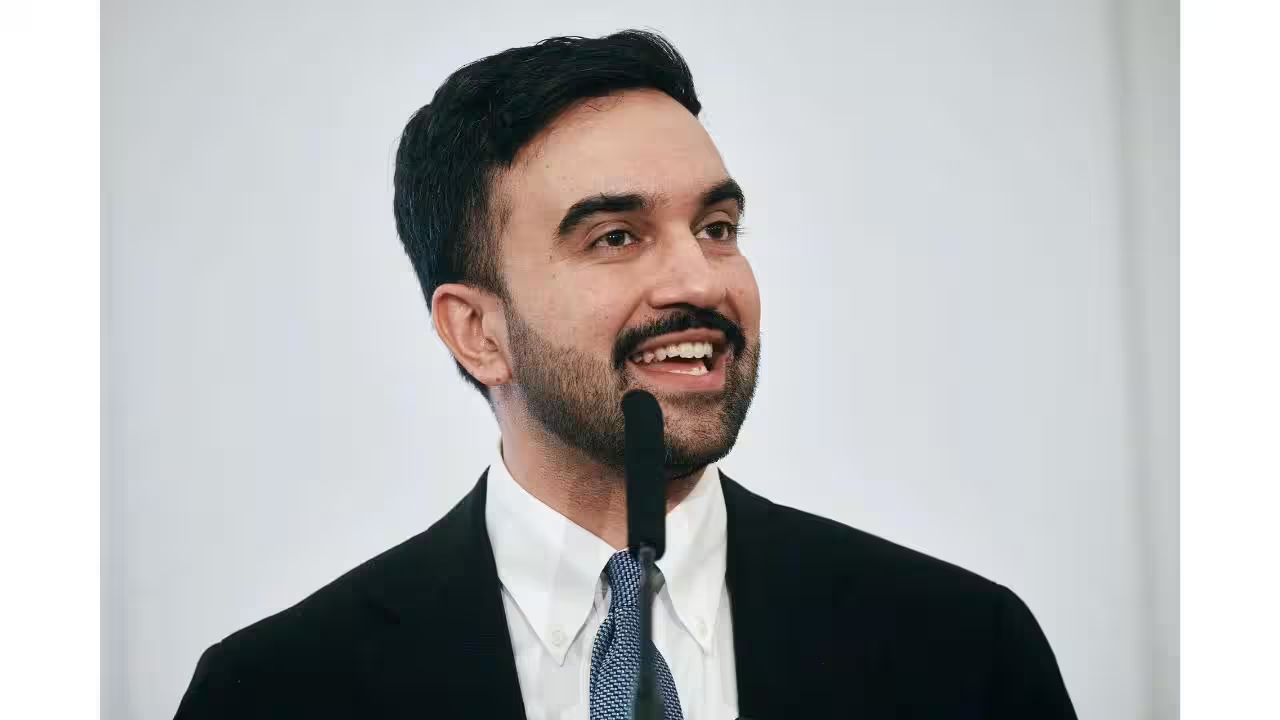
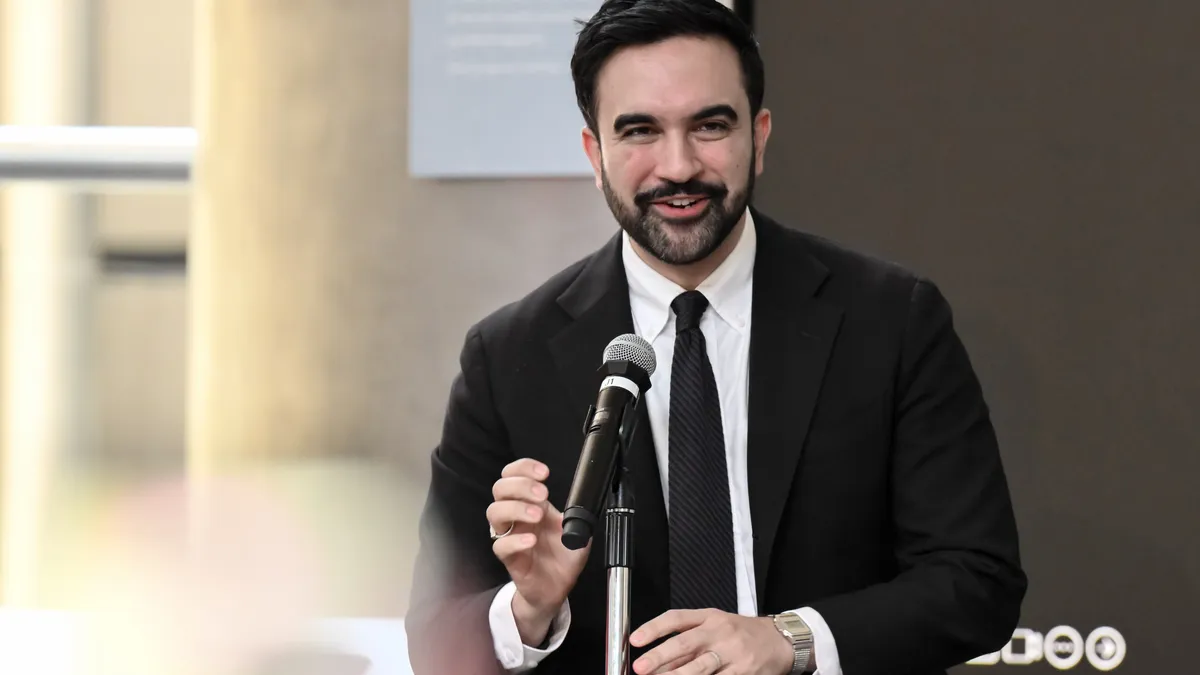
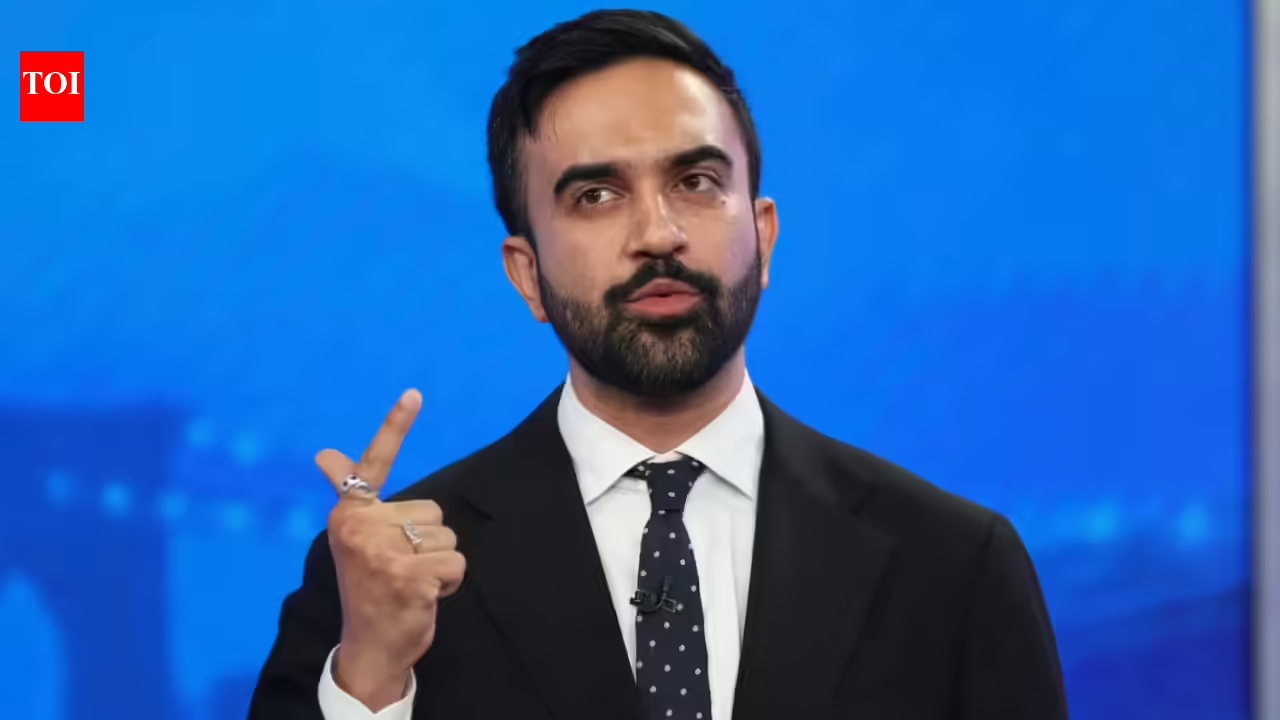
NEW YORK—When nearly 10,000 people in Southeast Queens lost power during a July heatwave, Mayor Zohran Mamdani called on residents to keep their air conditioners at 78 degrees Fahrenheit to reduce the pressure on the grid. The New York Independent System Operator, which manages the state’s electricity grid, issued an energy watch the same month, but it wasn’t the first time it sounded the alarm.
In 2025, the NYISO activated its demand response program — which pays participants to reduce electricity use — 22 times to prevent overloads during peak demand; 18 of those occurred in summer. During the previous 10 years, it had not activated that program more than eight times in any single year.
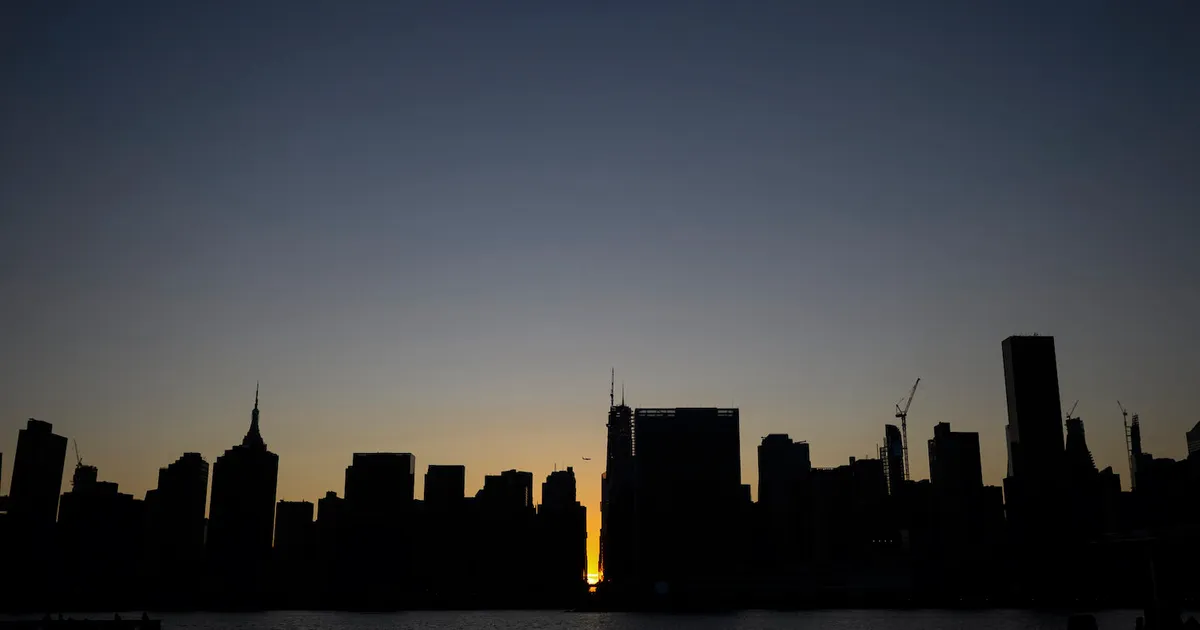
The North American Electric Reliability Corp. released a report in January concluding that New York faces an elevated risk of future energy supply shortfalls, meaning demand could exceed available supply during extreme weather conditions. The state’s highly variable demand forecast leaves open the possibility of such shortfalls.