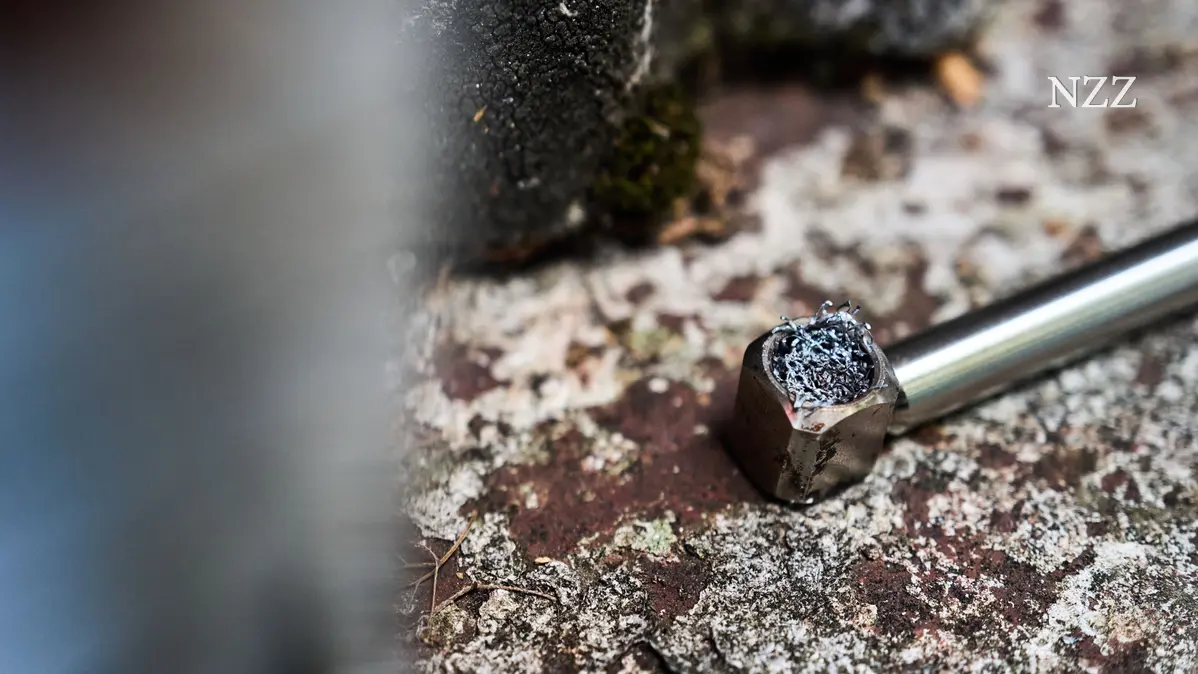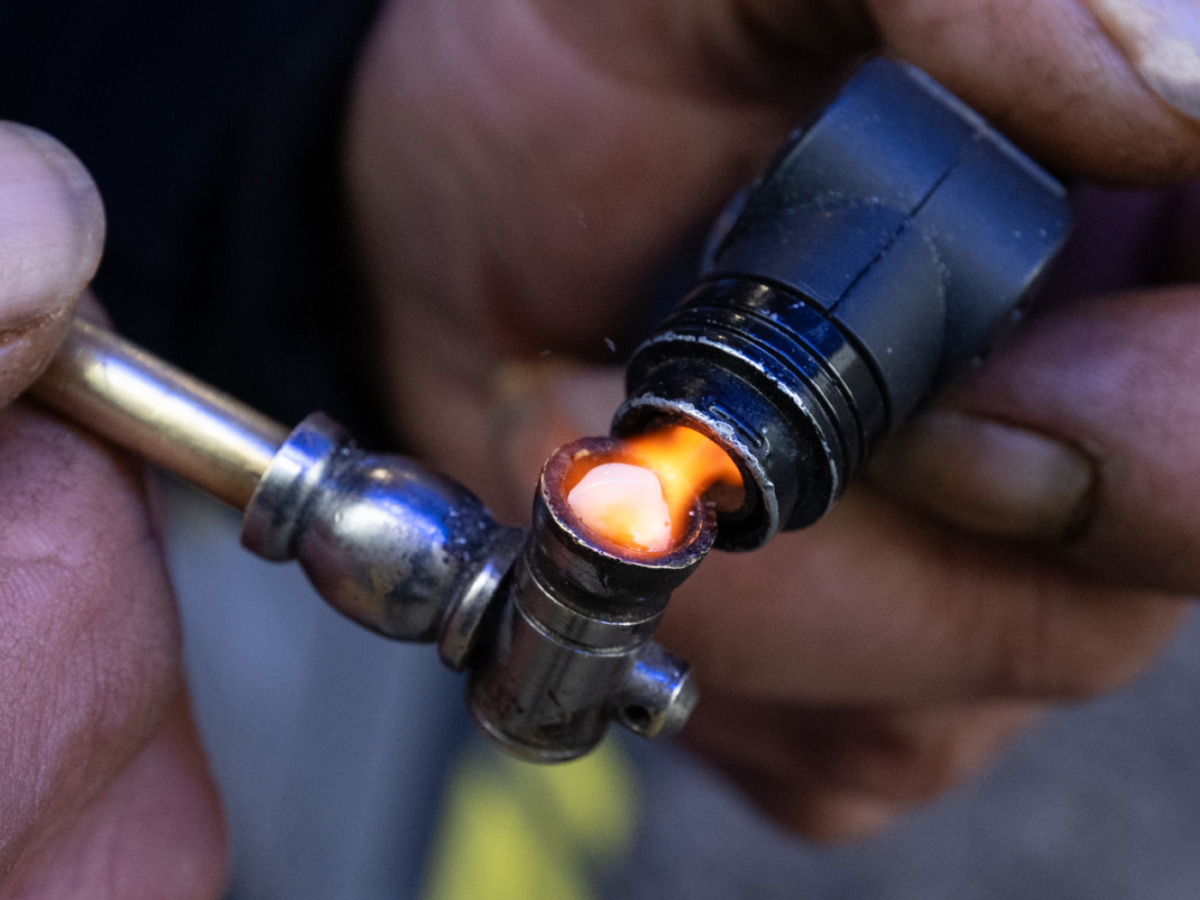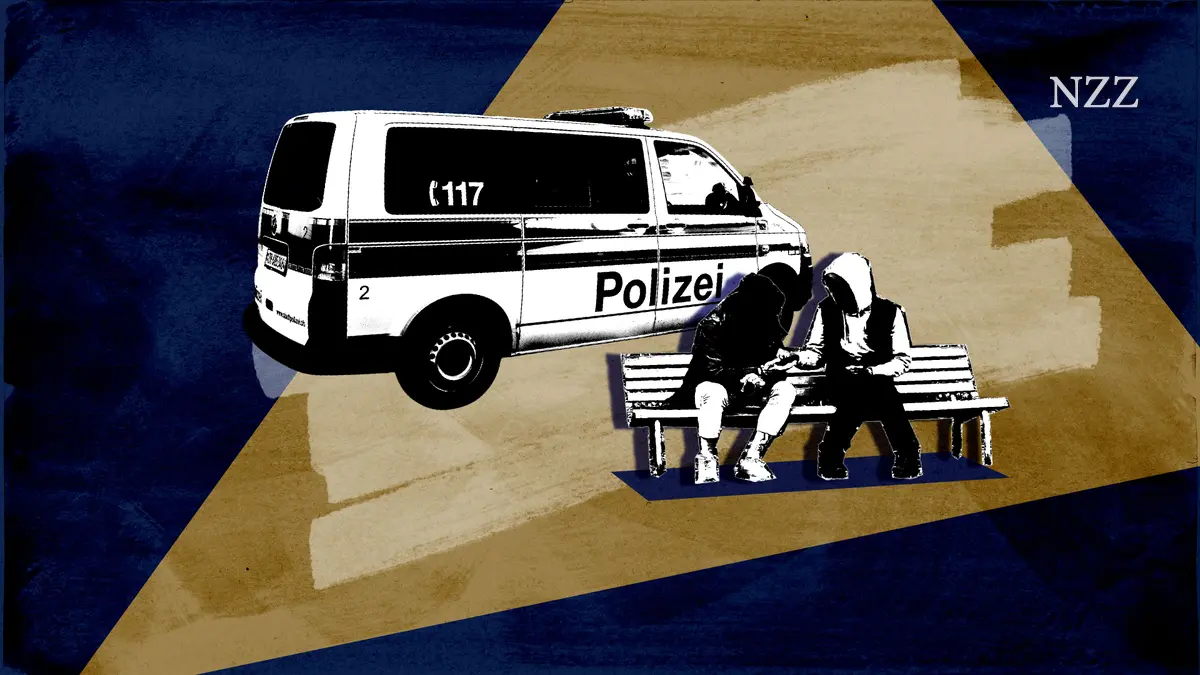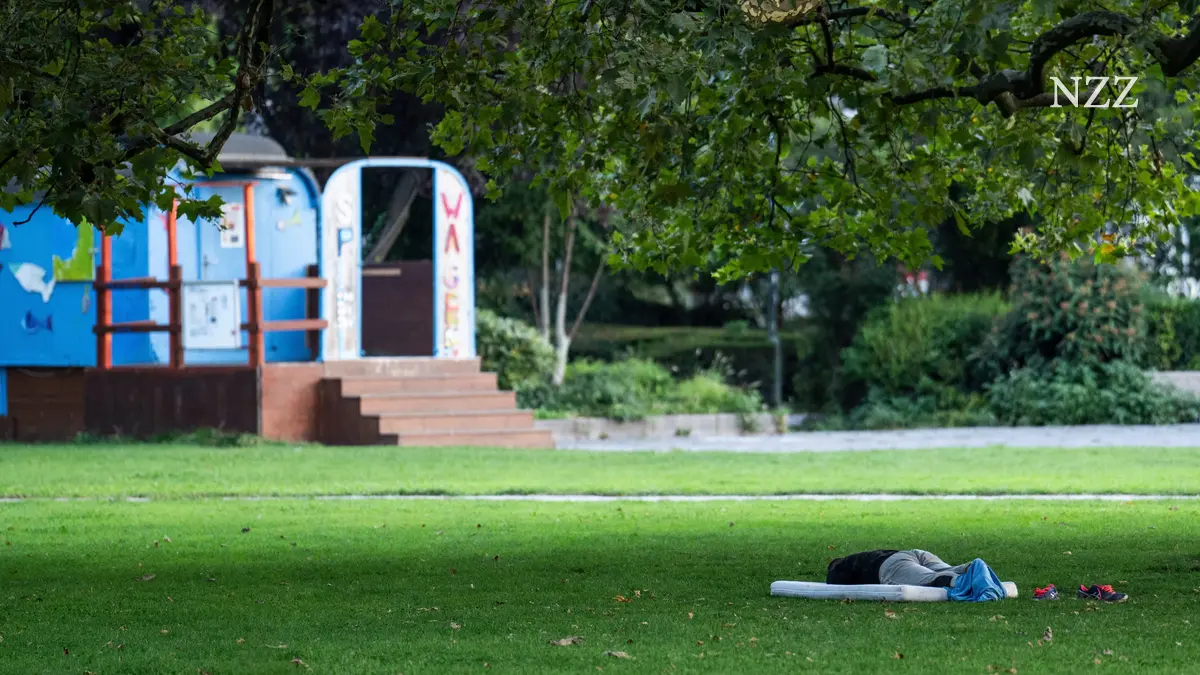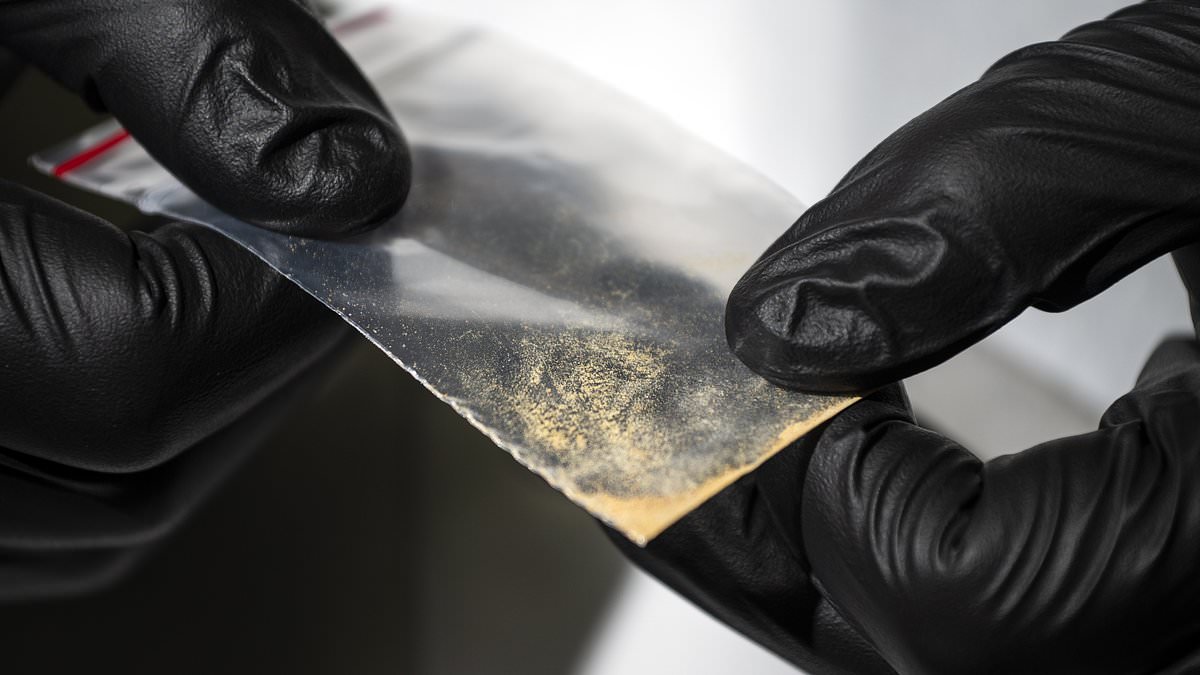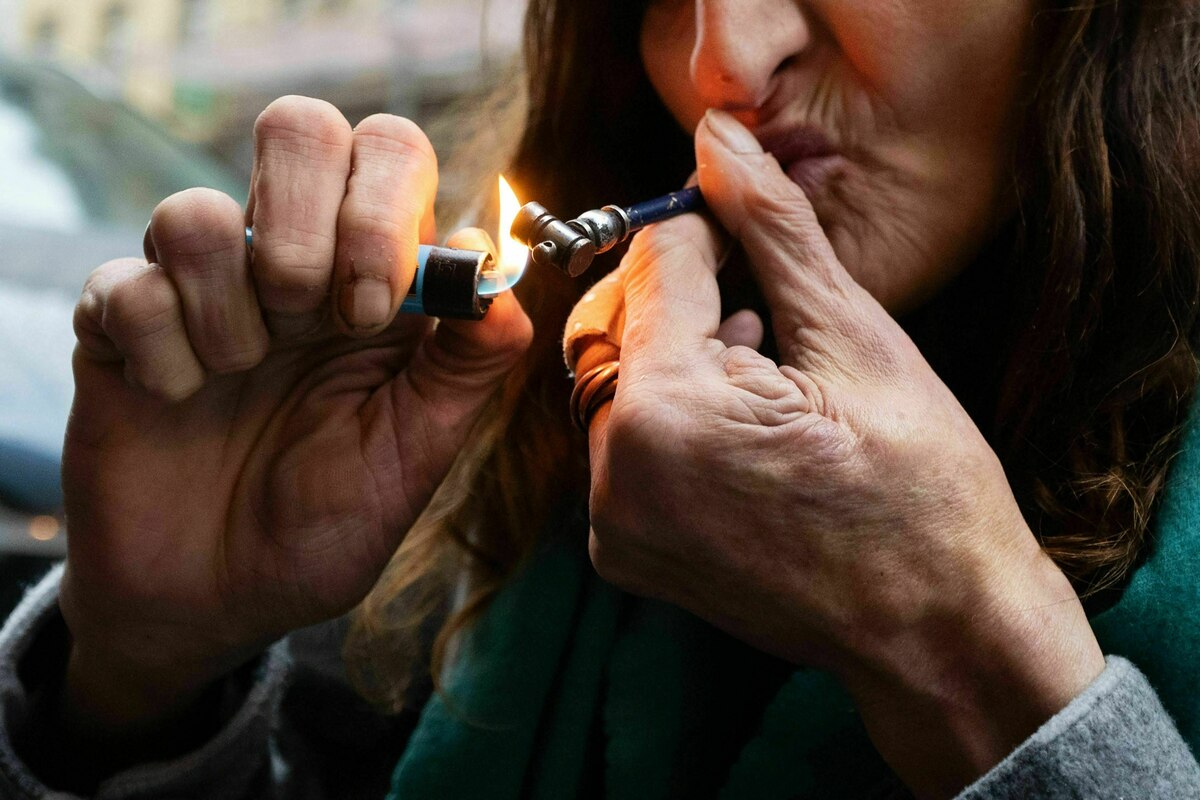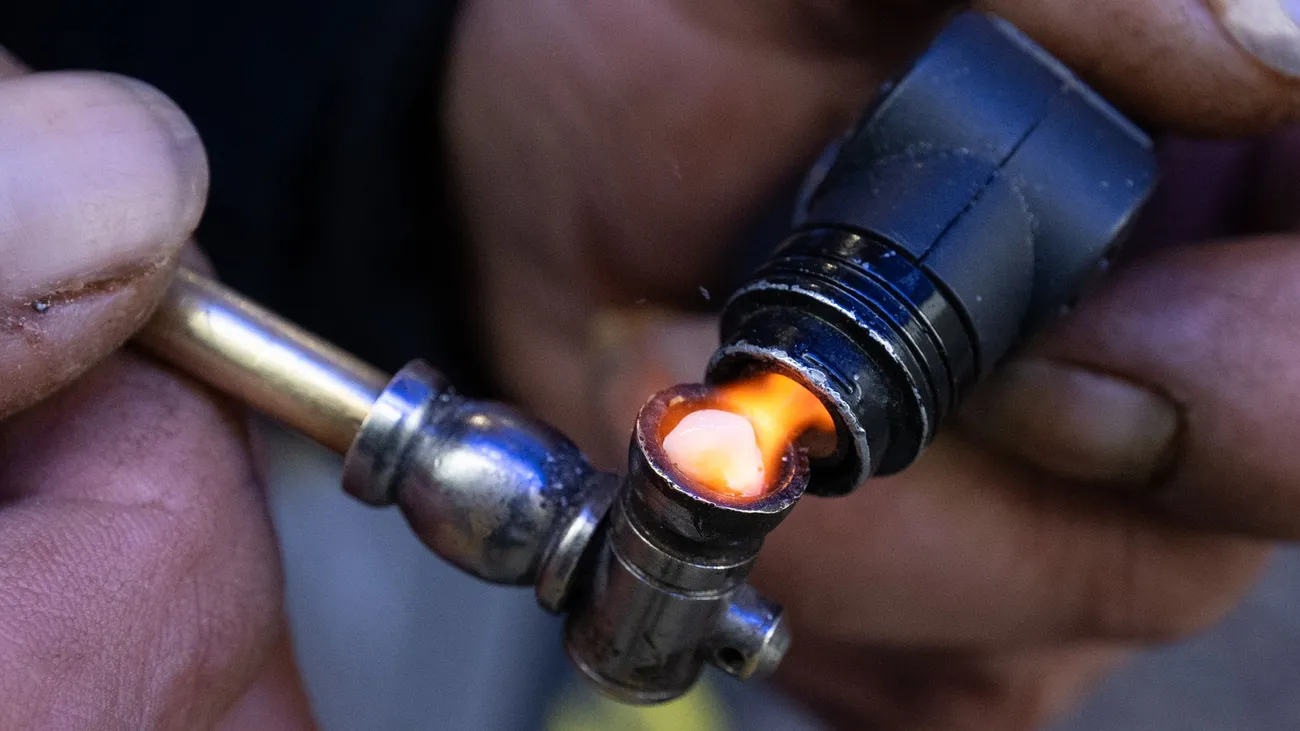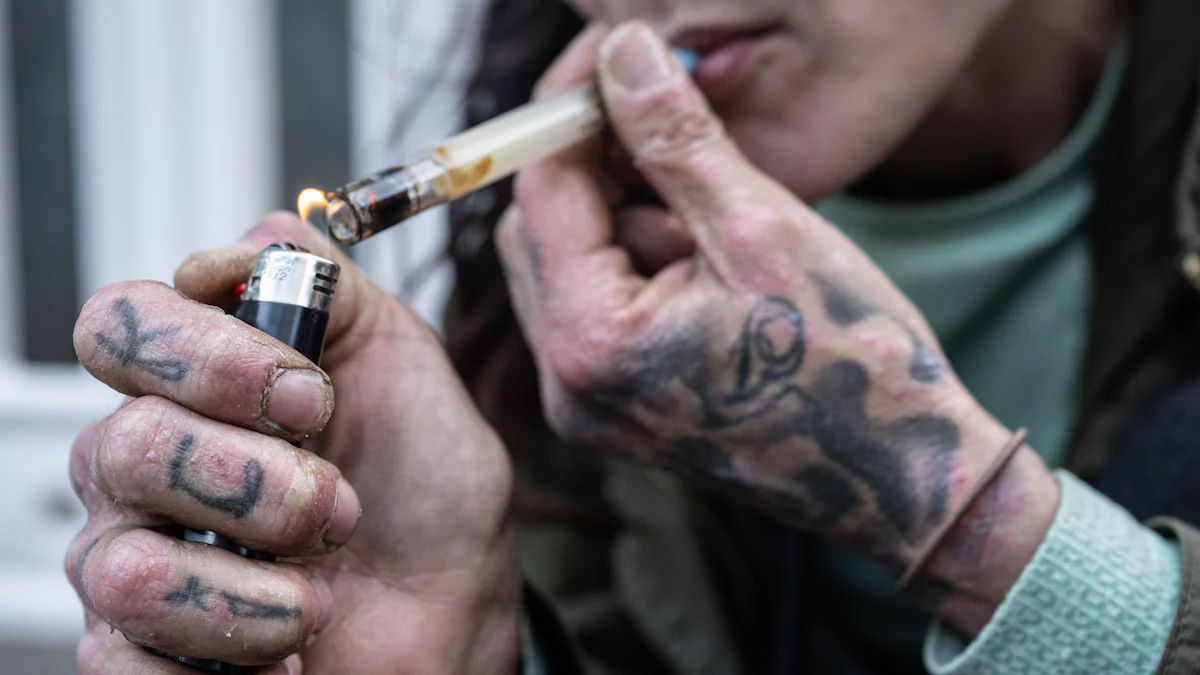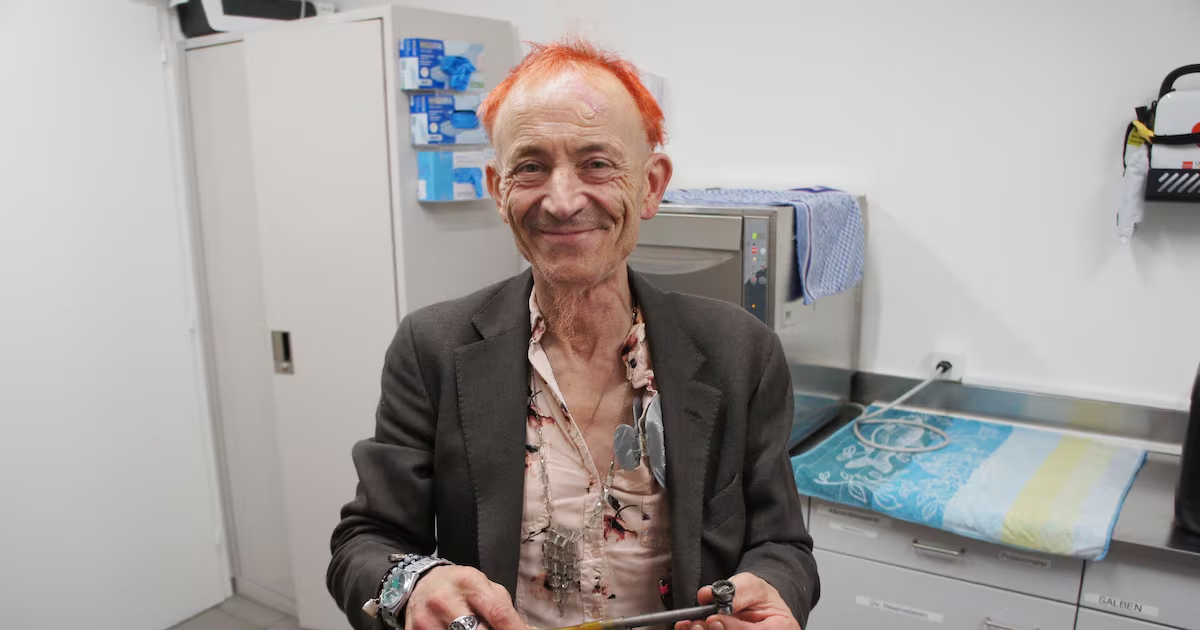
Pablo is a smiling, 60-year-old ball of energy, charming everyone as he sweeps in with a bag of groceries and crack pipe. It’s just after 9am in what could be a youth club or a doctor’s practice: grey-tiled floors, walls painted in bright pinks and greens, functional chairs and stainless steel tables.Pablo nods to the counter staff and vanishes into one of three small rooms adjacent, where 20 people are consuming crack cocaine and chatting with each other.From girls in their 20s to an older man wearing plaster-covered work trousers and boots, a there is no typical visitor to this city-run drug consumption room.People come and go and staff, though watchful, are friendly, greeting many visitors by name as they allocate a 30-minute slot in a consumption room. After that, users have to vacate the room for others but can go one floor up to a lounge area with sofas, a television, books, a PC and a cafe area.Outside the communal consumption rooms are trays with complimentary equipment including tubes, lighters, distilled water, baking soda, sniffing paper and even plastic bottles – for improvised pipes – as well as glass bongs, sold at cost price.Eight staff are on duty at any one time here. Four such consumption centres operate across the city, open from 7.30am for up to 13 hours. Each day, 21 staff in total work across all facilities. On the day The Irish Times visits, police trainees are being shown around the facility, part of Zurich’s four-pillar approach to reduce drug use and its negative consequences for all.Half an hour after he went in, Pablo emerges, eyes shining and jewellery rattling. Between mouthfuls of rice pudding, he describes balancing his career as an insurance industry executive with lifelong drug use. Pablo first tried cannabis at 17, cocaine a year later and heroin at 20. He was drug-free for 10 years, thanks to a state-supported therapy, but now takes a cocktail of diaphine- state-supplied heroin (more of which later) - and crack cocaine he bought on the street and brings here.“I need both for the balance,” he says, linking his drug use to a lifetime of bipolar mood swings from manic to depressed.Many people come here to get off the streets and have something to eat, he says. “I have a flat but come here because it gives my day structureand because, sometimes, I can help others.”Pablo got started on drugs in the 1980s in Zurich’s Platzspitz, a pocket-sized park beside the central train station.“Five of my friends died back then: four overdosed and one hanged himself,” he remembers, his smile fading briefly. “Back then, the Platzspitz was hell on earth.”Platzspitz, the drug park Zurich, in 1992. Photograph: Antonio Ribeiro/Gamma-Rapho via Getty Images Today the park is a slice of heaven. On a sweaty summer afternoon, couples canoodle in the shade of trees and young men in shorts jump off a bridge into the cool, clean water of the Limmat river below.Zurich native André Seidenberg nods in agreement with Pablo’s “hell on earth” recollection of this place. The city doctor watched as the tolerated drug scene here in the 1980s drew in ever more people from all over Europe. By the early 1990s, hundreds of daily visitors became thousands and Platzspitz became known globally as “needle park”. The 15,000 syringes collected here daily compounded spiralling HIV and hepatitis crises.Seidenberg, then a young doctor “and a bit of a hippie”, remembers his frustration at a vicious circle of political helplessness and police crackdowns. Now 75, he points towards a historic, cast-iron bandstand that, back in the early 1990s, was “ground zero” of the drug scene here.“You always had half a dozen people here, under piles of blankets in terrible conditions, who knew where the drugs were,” says Seidenberg. “This was the lowest level, most of those who ended up here died after a few days.”For Seidenberg, a crucial turning point was a petition he organised, signed by 360 fellow city doctors, citing evidence-based arguments to demand a radical rethink.Zurich’s resulting four-pillar drug policy, still in use today, pushes prevention, therapy, harm reduction and law enforcement. Why was that letter a key to change?“Because we doctors,” he says, “were not state stooges.”Beat Rhyner, deputy head of Zurich’s criminal police, says many factors were at play back then. But the sheer scale of the city’s drug problem in the 1990s – Zurich eventually ran out of prison space – forced an admission of defeat from even the strongest advocates of repressive measures in the police force.“A broad public consensus emerged, running through all political parties across the spectrum, that things cannot get any worse so let’s try something new,” says Rhyner.By the early 1990s, hundreds of daily visitors became thousands and Platzspitz became known globally as 'Needle Park'. Photograph: Gamma-Rapho via Getty Images Ask older Zurich residents about the 1990s drug crises and many shudder visibly. At a city restaurant, guests discuss the appalling human cost, the emotional debates and the growing reputational damage to their city.Most here think the four-pillar approach is a tolerable solution, if hardly a cause for celebration.“If you strip out ignorance, fear and disapproval of drugs, and address the issue with facts,” says Burim, a local restaurant owner, “then what we have here is probably the best you can hope for.”[ Why the Swiss hand out heroinOpens in new window ]That chimes with the main message of Florian Meyer, city commissioner for harm reduction, in his office two floors above Pablo’s consumption room.“Trying to play abstinence off against acceptance achieves little,” he said. “A mix of both are needed: to stabilise people in a way that allows them make informed choices.”Nearly a decade in the job, Meyer’s hands-on work includes overseeing consumption rooms and co-ordinating with politicians and police. As consumption rooms move premises, he has become an expert at convincing wary new neighbours that the new facility in their street will not create new problems. If anything, he argues the opposite is the case: problems leave the street.“We create attractive rooms where people – many, not all – are happy to come,” he says. “It is much easier to support people here, medically and with welfare, than when they are in the outdoor scene.”Zurich native Pablo in a city-run consumption room. Photograph: Derek Scally After decades of success, however, all is not well in Zurich. Meyer presents a slide showing drug use last year, categorised by substance. Crack cocaine consumption in Zurich is – literally – off the chart. In the last decade, the highly addictive substance has flooded much of Europe. Waste water analysis in Switzerland shows the drug is everywhere, from big cities with progressive drug policies such as Zurich to rural areas with none.After years of success, the race is on in Switzerland to adapt and expand urban-based four-pillar policies, with one big challenge. “As yet,” says Meyer, “we have no [synthetic] substitute for crack. We need more innovation in medical research to reduce harm here.”That Meyer is now a global go-to expert on harm reduction is clear from an office noticeboard thick with business cards, including Gillian Shorter, reader in drug and alcohol research at Queen’s University Belfast’s school of psychology.Shorter, who visited Zurich in June, has evaluated consumption room services globally and is finalising a review into Dublin’s Merchant’s Quay consumption room, on which she declines to comment.Replicating Switzerland’s harm-reduction approach on the island of Ireland, she says, is doable but requires sustained public funding and close co-ordination between communities, health and criminal justice authorities. A final piece of the puzzle is societal acceptance that people, who have often complex reasons for using drugs, remain rights-bearing citizens.“I don’t think we can arrest our way out of this crisis,” says Shorter. “Locking people up or forcing them into treatment doesn’t work either, wasting a lot of taxpayer money that could be better spent on harm reduction, prevention and treatment.”Three decades in, the Zurich model has helped foster a broad public understanding in Switzerland of addiction as an illness and not a lifestyle choice. Photograph: Clara Tuma/New York Times
Zurich’s radical response to Europe’s drug crisis tested by surge in use of crack cocaine
Three decades after the chaos of the Swiss city’s ‘Needle Park’, supervised drug use and state-backed heroin treatment have cut harm, but crack has posed new challenges
1,849 words~8 min read