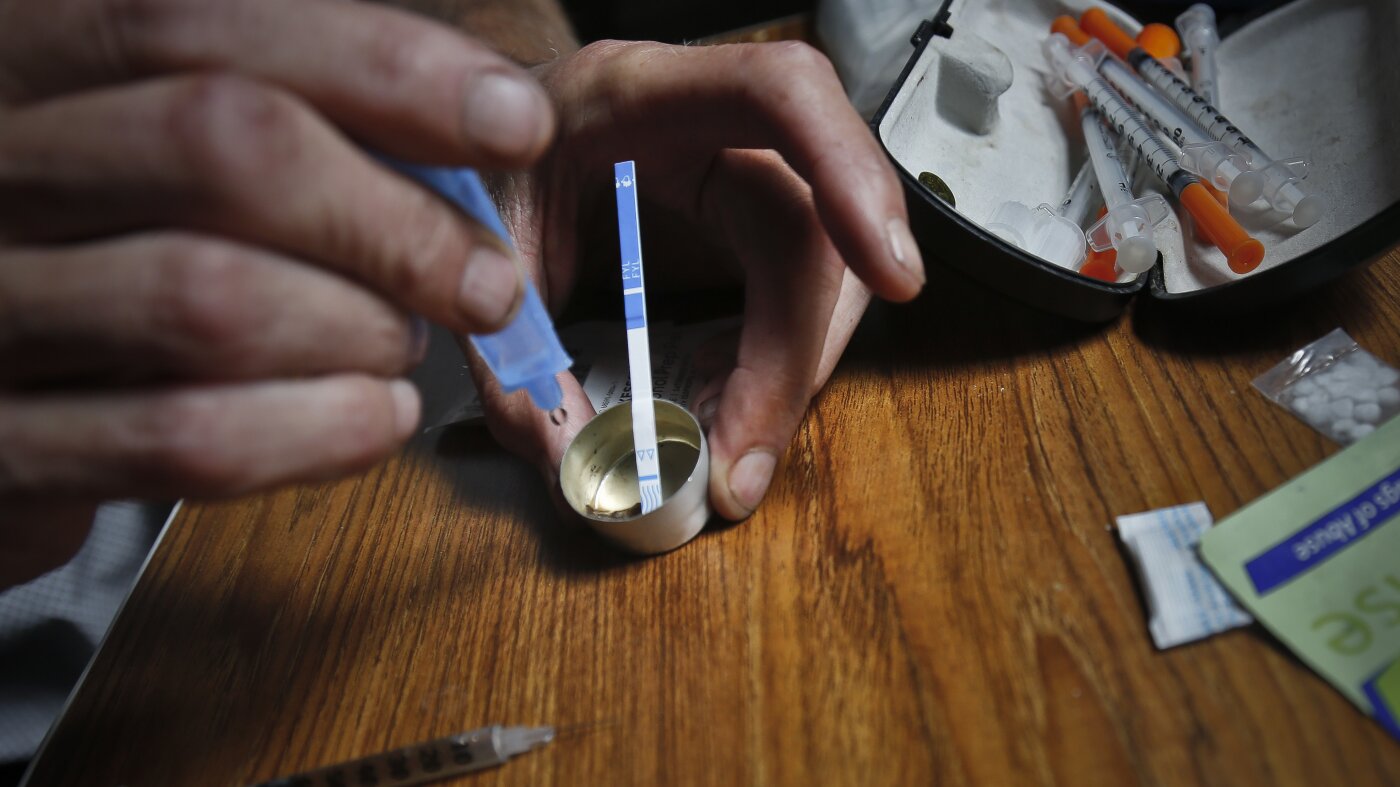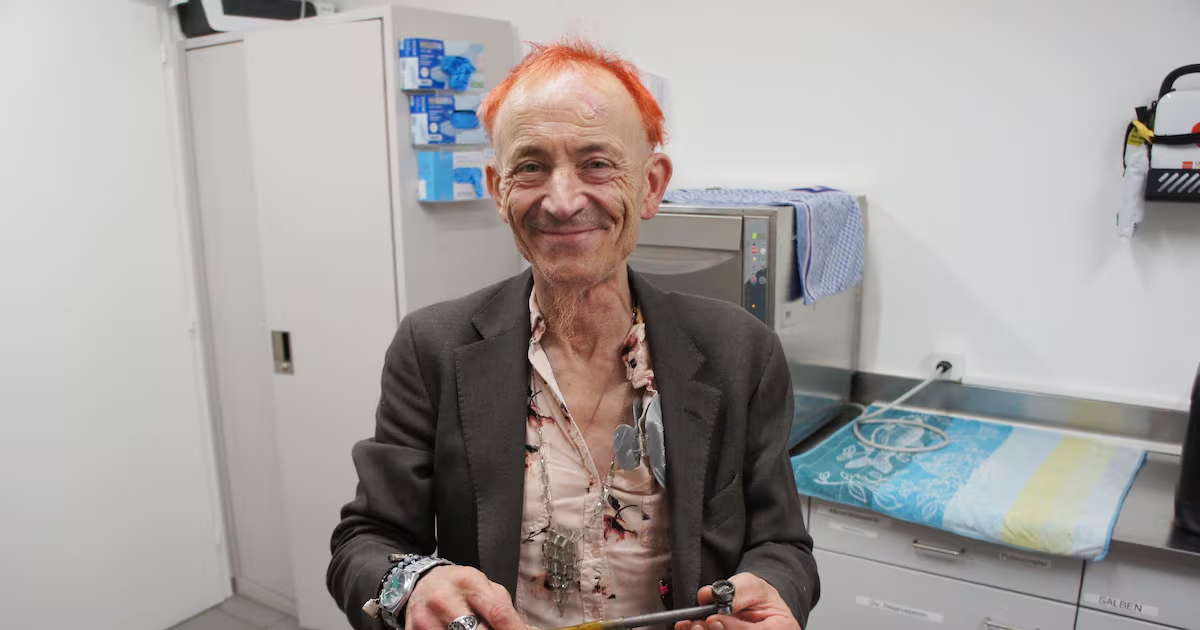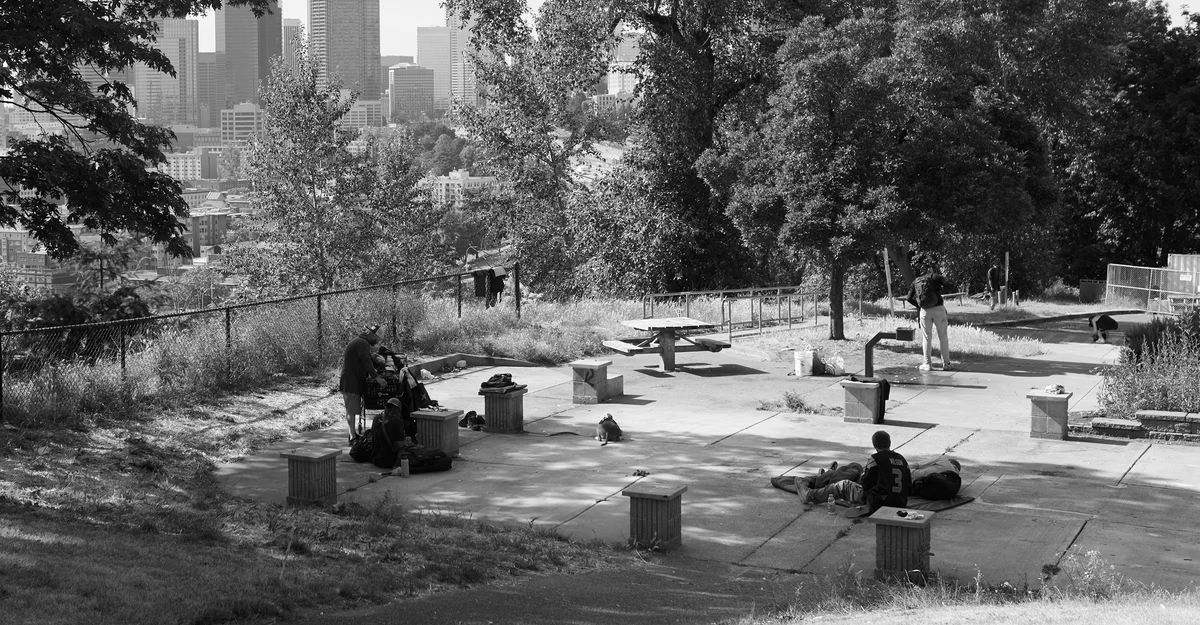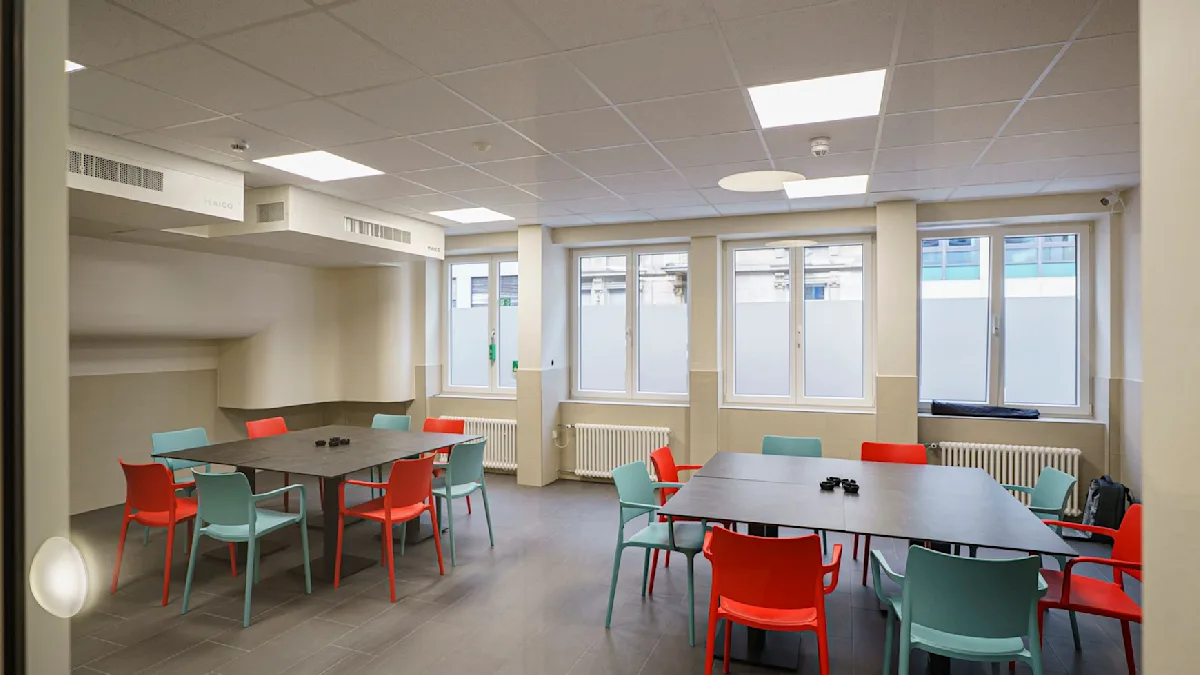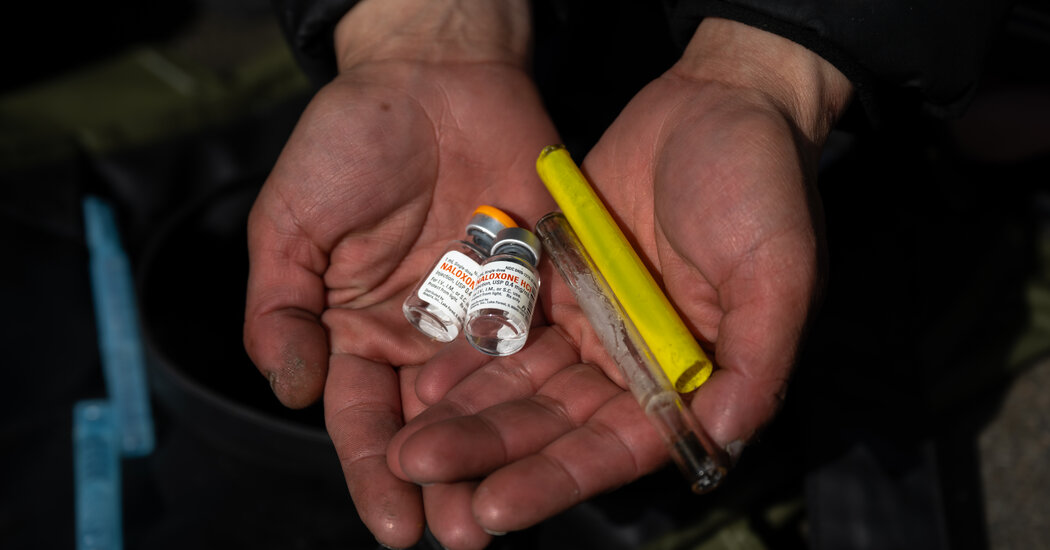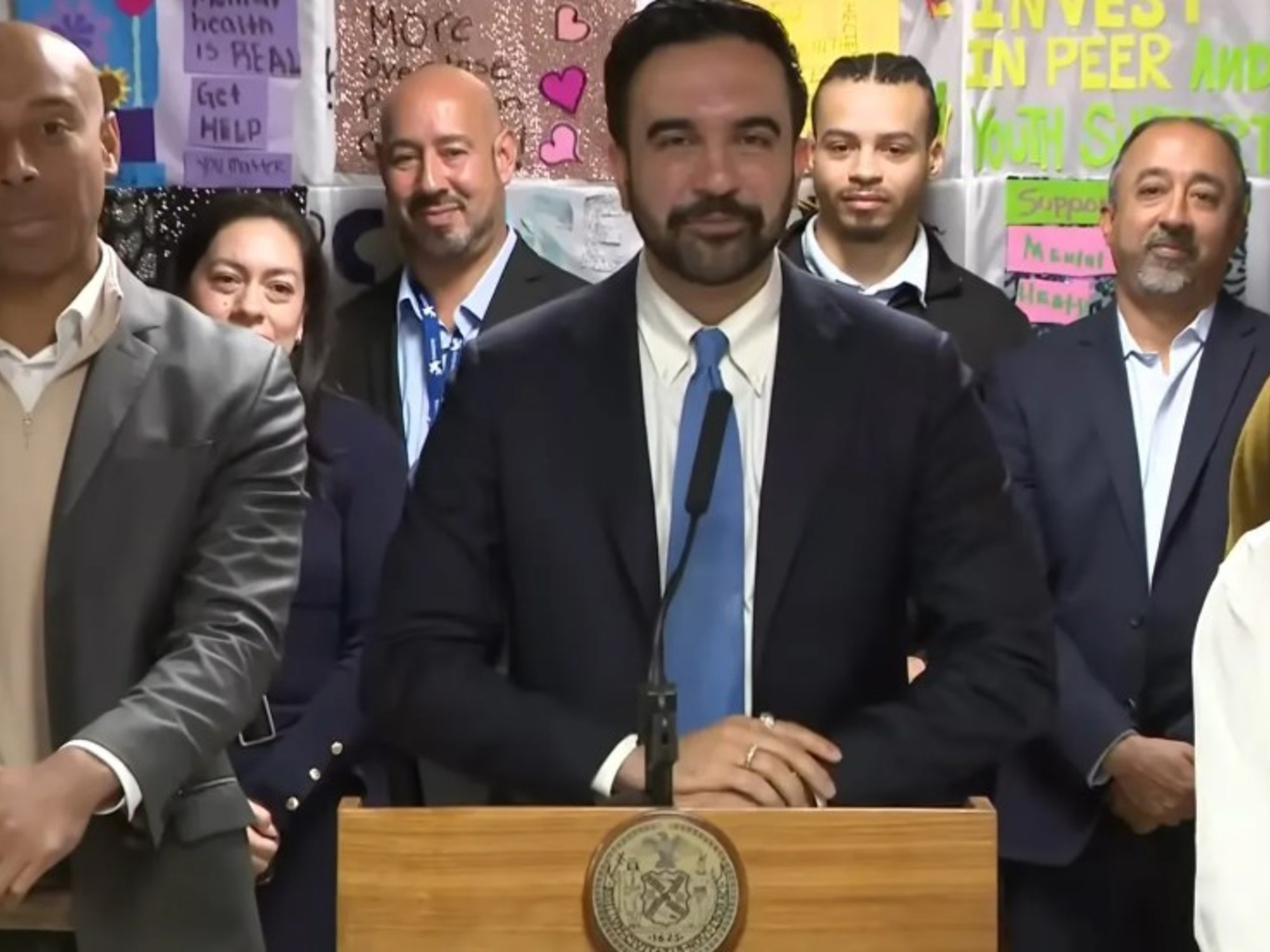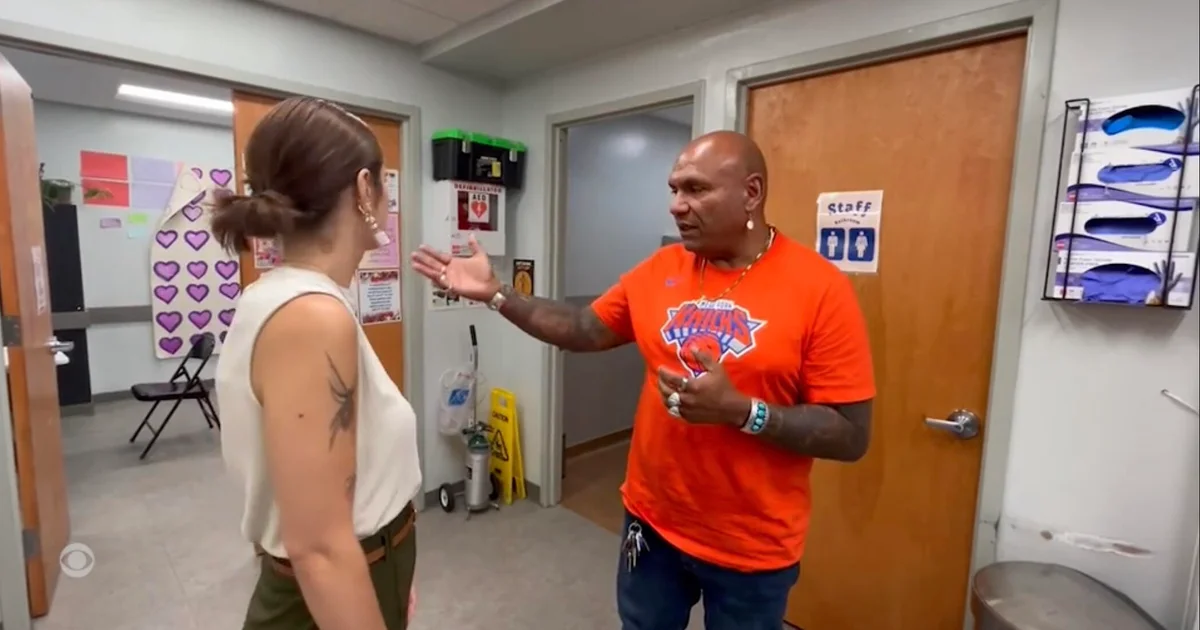
In a back room behind a colorful facade in northern Manhattan, drug users are smoking crack while nearby cubicles stand ready for heroin users to wrap tourniquets around their arms and inject themselves with new, sterilized needles. It's all part of a 5-year-old experiment sanctioned by the city of New York, but not by the federal government, which has long-standing anti-"crack house" laws criminalizing facilities that allow for drug use.Supporters say the supervised drug-use sites reduce overdose deaths and street drug use, and serve as a model for the rest of the country. But critics say the centers are magnets for hard drug users and dealers, leaving the local community feeling less safe."It's scary for the kids walking into school in the morning, seeing people in that state," said an educator at a nearby school who spoke on condition of anonymity because they were not authorized to speak to the media.New York City has two facilities like this, known as overdose prevention centers, or OPCs. By supervising the use of addictive, illegal drugs, proponents say the sites remove barriers to healthcare and can lead to people getting off drugs or transitioning to less risky behaviors.In a recent interview with CBS News, OnPoint NYC Executive Director Sam Rivera said his team has intervened in more than 2,100 overdoses with no fatalities, and has more than 7,000 registered participants who have used the facility's services 250,000 times since it opened in 2021."250,000 times people used inside with us, not in the parks, not in the street, not in the playgrounds, not in bathrooms," said Rivera.
These NYC centers allow heroin and crack use in-house. Nearly 5 years in, is it helping?
An addiction-services nonprofit approved by the city focuses on harm reduction for hard drug users — to the chagrin of some in the neighborhood.
2,182 words~10 min read