Supported by
San Francisco, Philadelphia and others are retreating from “harm reduction” strategies that have helped reduce deaths but which critics, including Trump, say have contributed to pervasive public drug use.
By Jan Hoffman
As fentanyl propelled overdose deaths to ever more alarming numbers several years ago, public health officials throughout the United States stepped up a blunt, pragmatic response. Desperate to save lives, they tried making drug use safer.
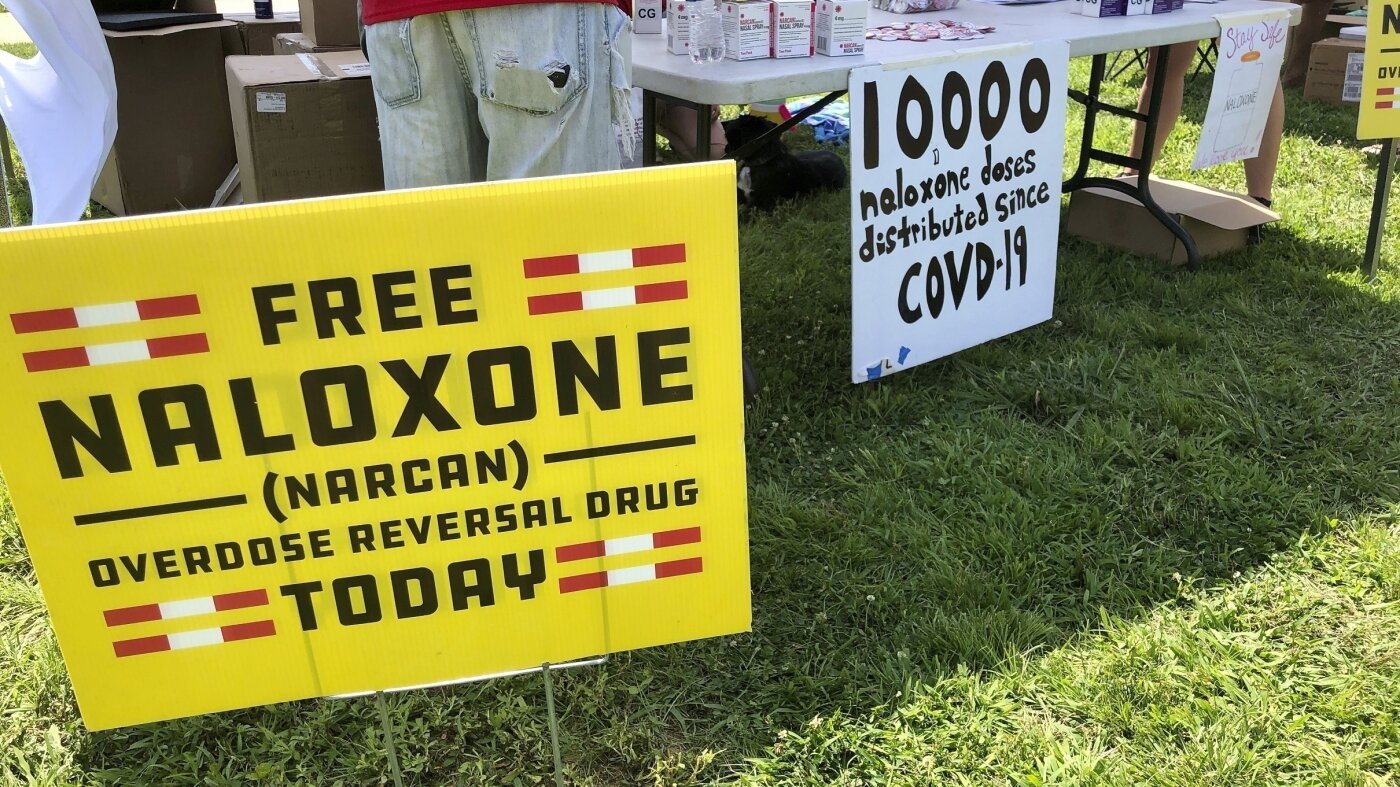
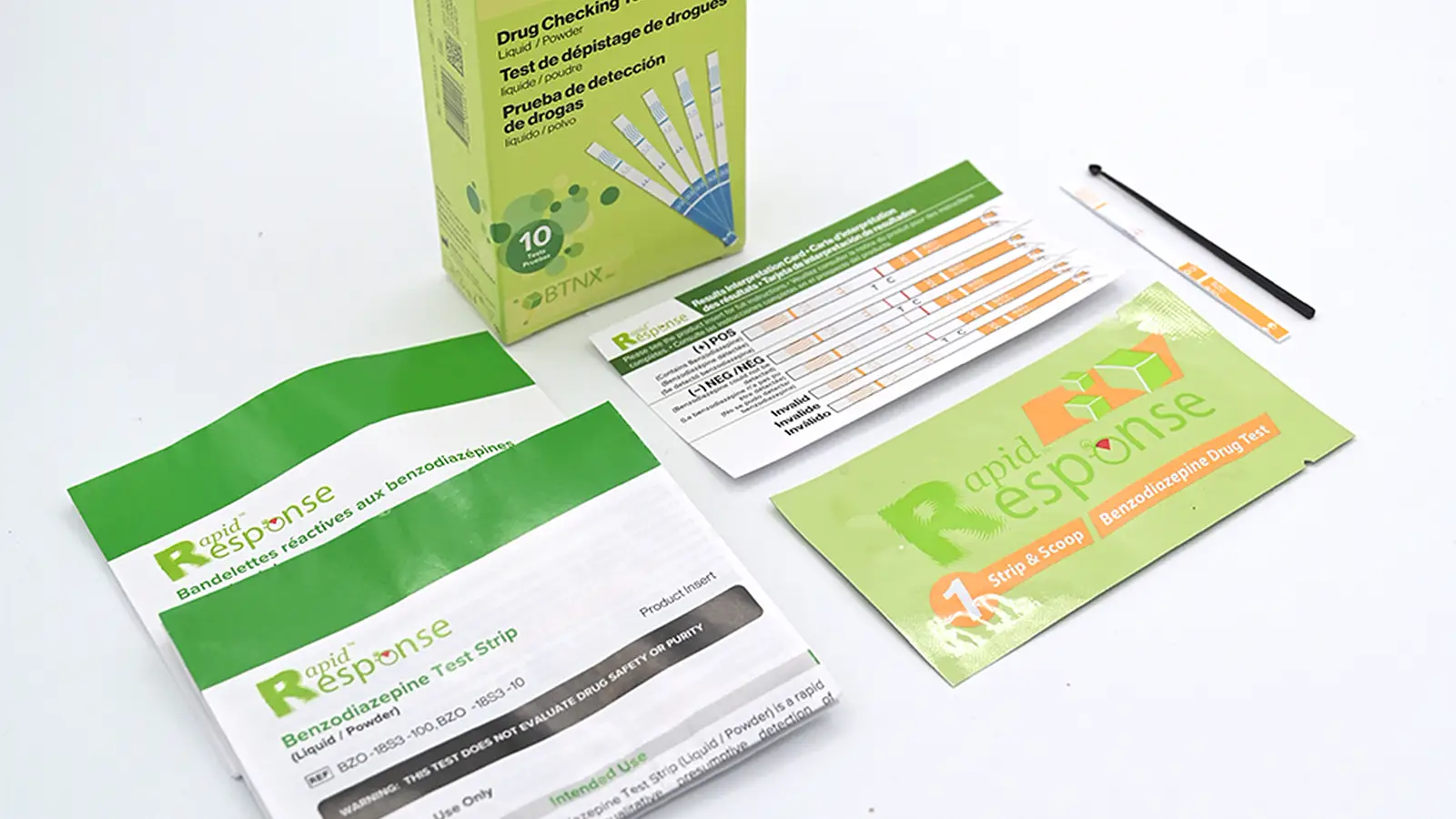
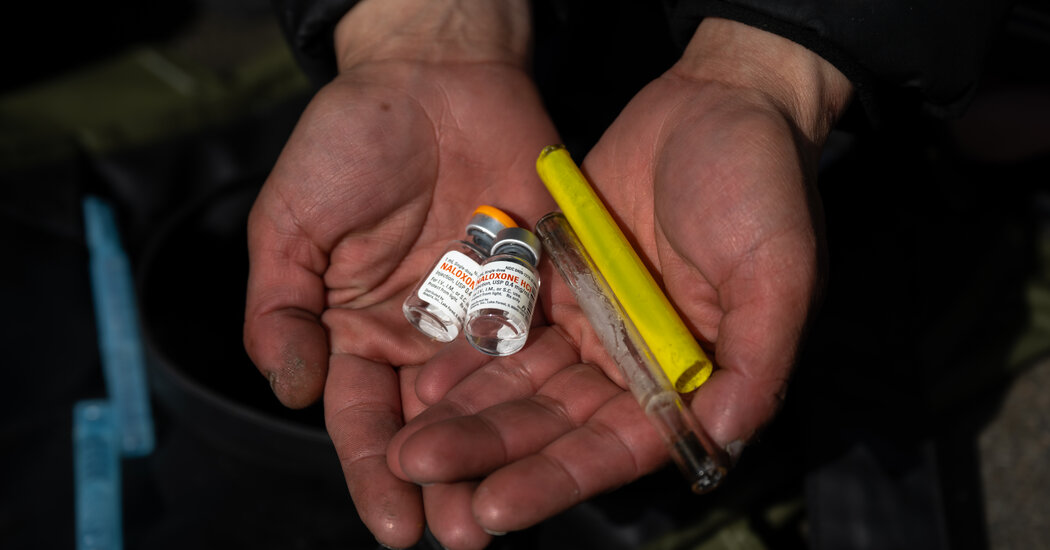
To prevent life-threatening infections, more states authorized needle exchanges, where drug users could get sterile syringes as well as alcohol wipes, rubber ties and cookers. Dipsticks that test drugs for fentanyl were distributed to college campuses and music festivals. Millions of overdose reversal nasal sprays went to homeless encampments, schools, libraries and businesses. And in 2021, for the first time, the federal government dedicated funds to many of the tactics, collectively known as harm reduction.