July 20th, 2026
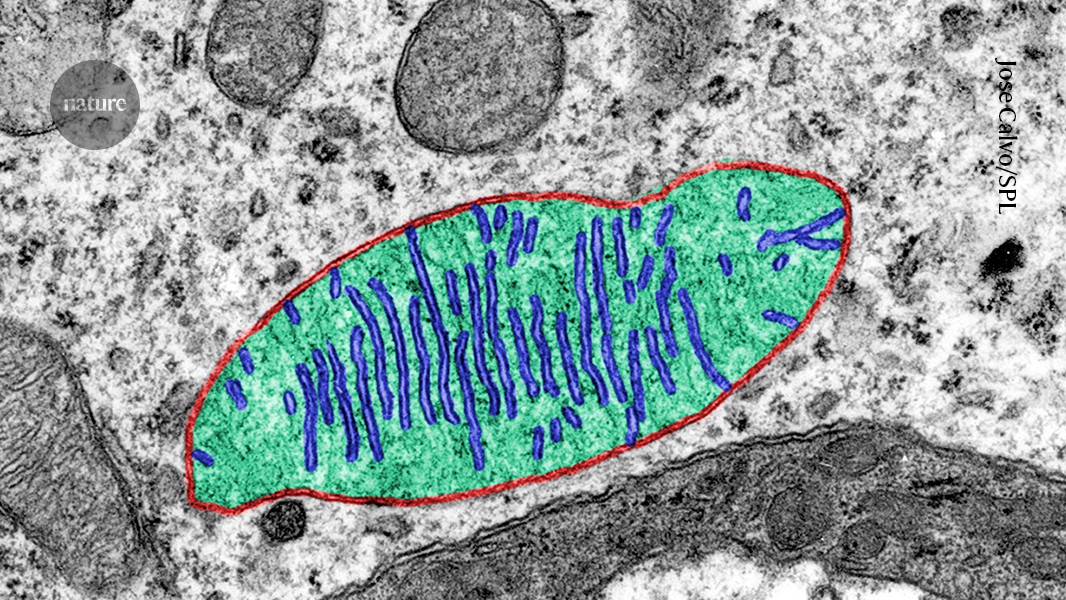
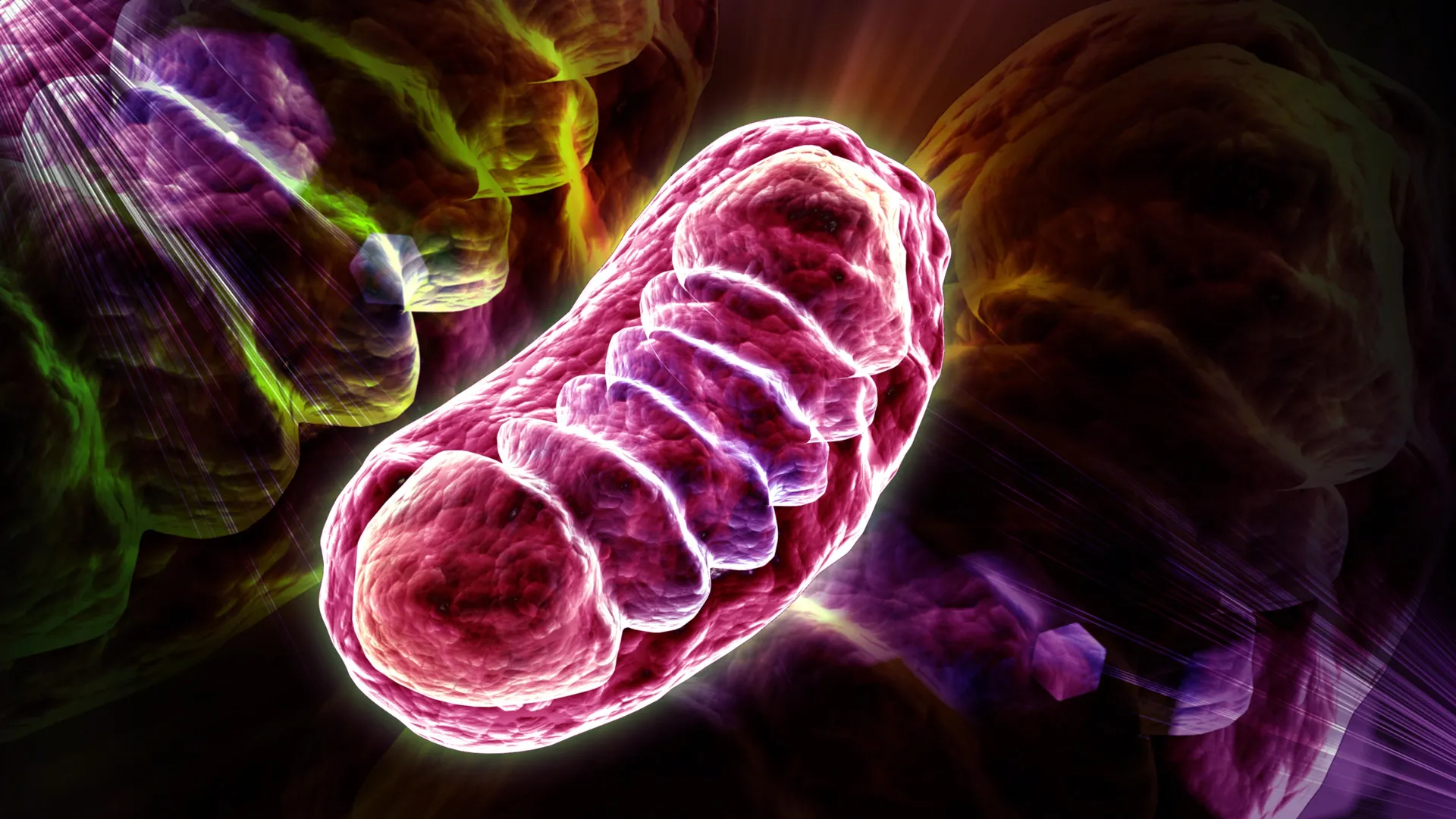
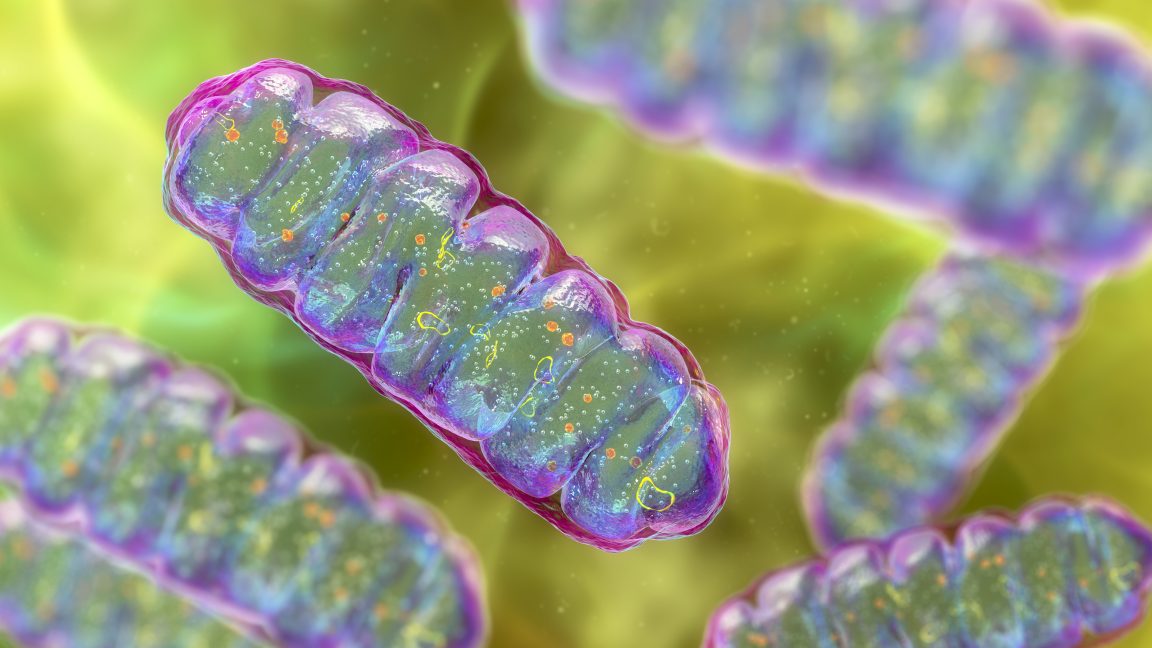
The research community regularly produces quite fascinating data regarding the ways in which diet influences health. Take this paper, for example. Plant cells have mitochondria, we consume raw plants, and it turns out that some fraction of those plant mitochondria are making their way out of the gut, into the body, into cells, and interacting with our mitochondria to favorably alter mitochondrial function. Perhaps there is an approach to therapy here that looks like mitochondrial transfusion, or looks like an oral therapy but with extracted plant mitochondria. But knowing the degree to which diet impacts health and life expectancy suggests that the size of effect is not large enough to be very interesting. Therapies that cannot much improve on the benefits of a good set of lifestyle choices are not where we should be spending our time. If we want truly effective treatments for aging, interventions that add decades of healthy life, mimicking lifestyle choice is not a good strategy.
Intercellular mitochondrial transfer is pivotal in both healthy and pathological states. Supplementing healthy mitochondria is emerging as a promising therapeutic approach for various diseases. Non-immunogenic edible plants, which contain mitochondria, offer a novel avenue for such therapies. Mitochondria were isolated from several commonly consumed edible plants (P-Mit). The distribution of P-Mit, particularly in the brain, was examined with a mitochondrial membrane-potential dye and an imaging system.