June 26th, 2026
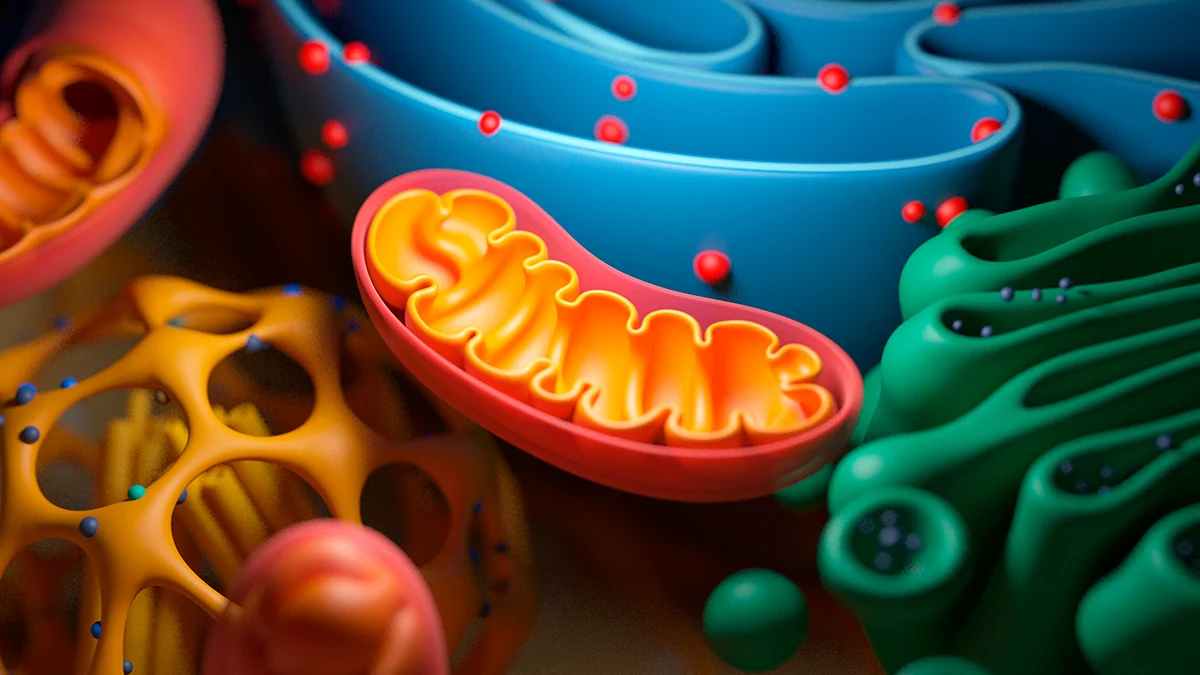
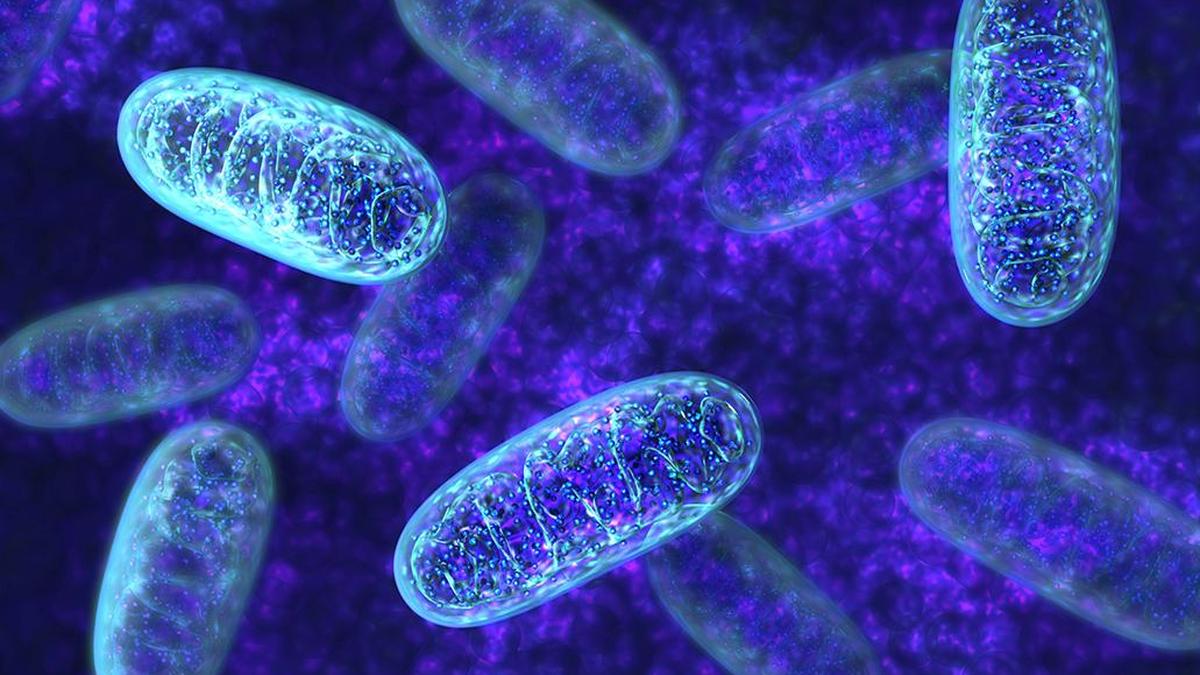
Mitochondria are power plants, hundreds of them in every cell working to create the chemical energy store molecule adenosine triphosphate (ATP) used to power cellular processes. They are the evolved descendants of ancient bacteria, and still act like bacteria in many ways. They are also very complex, and while a great deal is known of their structure and biochemistry, a complete and detailed answer as to why exactly their function declines with age is lacking. It is well established that exercise improves mitochondrial function, both in the short term and over the long term of maintaining physical fitness. This in turn explains some fraction of the beneficial effects of exercise and fitness when it comes to slowing the pace of degenerative aging.
Brain aging is a complex biological process characterised by progressive neuronal and synaptic decline, in which disruption of mitochondrial quality control plays a central role. This system encompasses multiple synergistic components, including mitochondrial biogenesis, dynamic equilibrium, autophagic clearance, and energy metabolism. Aging induces dysfunction across these processes, precipitating mitochondrial fragmentation, functional decline, and energy crises, ultimately driving cognitive deterioration.