June 30th, 2025
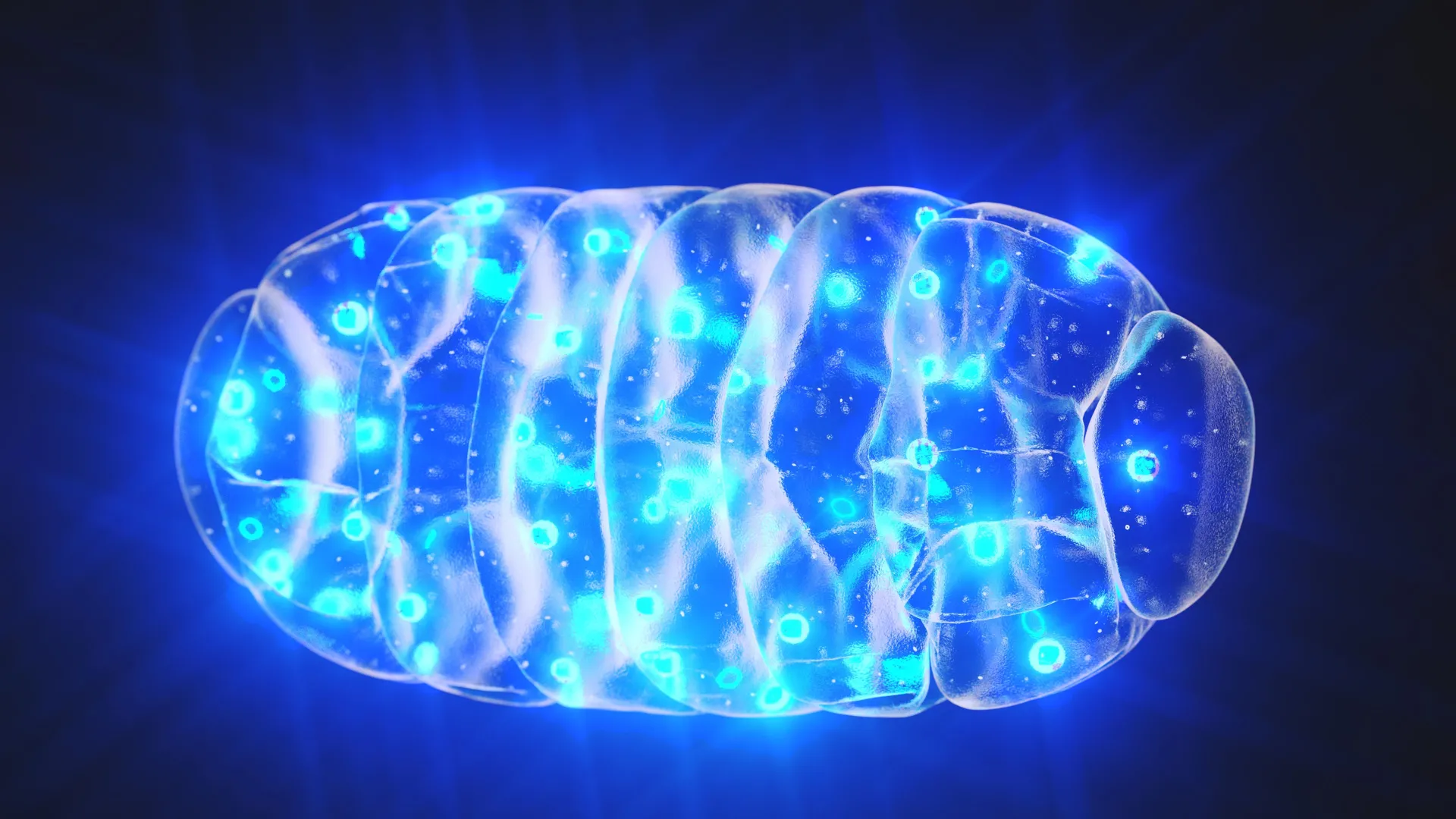
Mitochondria are power plants, hundreds of these organelles in every eukaryotic cell, descended from ancient symbiotic bacteria, and now repurposed to generate the chemical energy store molecule adenosine triphosphate (ATP) that is used to power cell processes. Beneath this simple overview lies a very complex and incompletely understood biochemistry. Mitochondria influence many core cell processes, and are influenced in turn. The oxidative byproducts generated by ATP production are both damaging and a signal that can be beneficial. Mildly impairing mitochondrial function can be beneficial to health, if accomplished in certain ways. And so forth. It is clearly the case mitochondria become dysfunctional in cells in aged tissues, as measured in many different ways, and this appears to be an important contribution to the aging process. What to do about it is unclear, however.
The best of presently available pharmacological and supplement based approaches that improve mitochondrial function or improve the quality control process of mitophagy responsible for clearing damaged mitochondria struggle to much improve on the benefits of exercise. It is also quite unclear in most cases as to how exactly they function to achieve this outcome, and bear in mind that the relevant biochemistry is itself still incompletely mapped out and understood. The most impressive results instead emerge in animal studies of partial reprogramming on the one hand, to reset expression of proteins necessary for mitochondrial function to youthful levels, and mitochondrial transplantation on the other, delivering functional young mitochondria for cells to make use of. Both of these technologies remain in relatively early stages of development, still far from the clinic.