July 17th, 2026
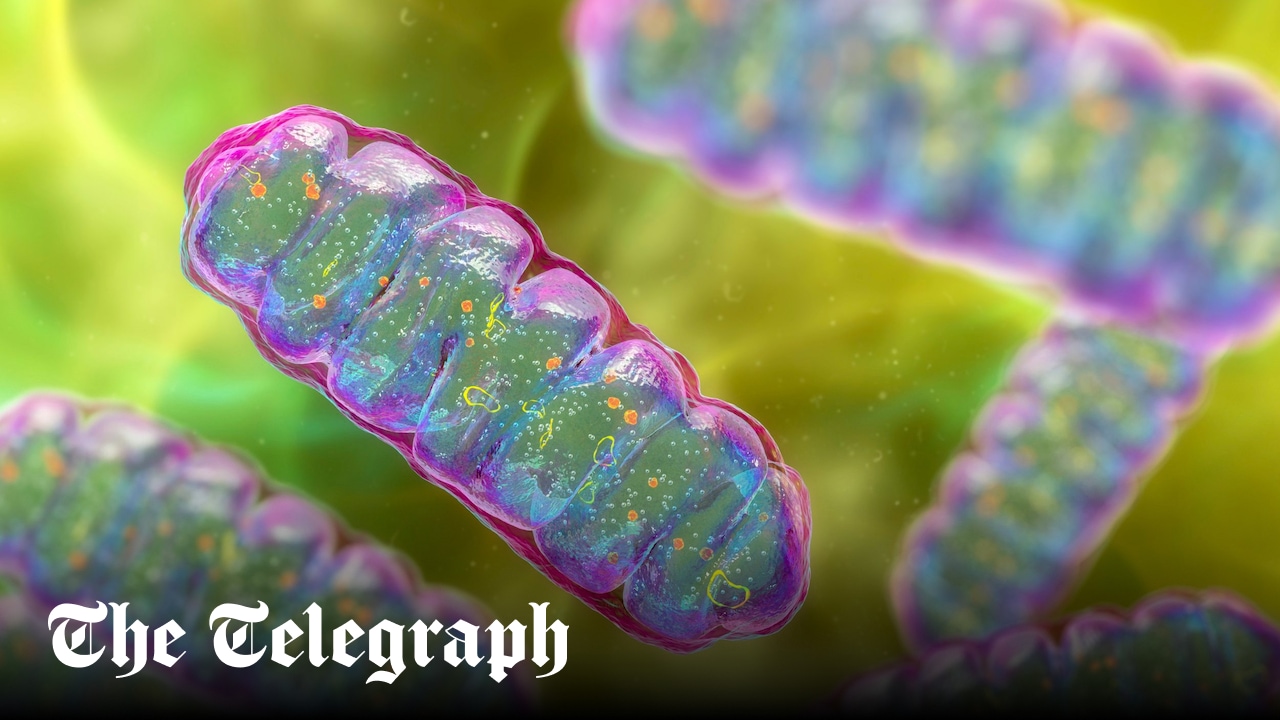
Mitochondrial transplantation is under development as a class of therapy to treat aging. Mitochondrial dysfunction is a feature of aging, and evidence from animal studies suggests that lasting improvements in health result from replacement of a fraction of native mitochondria with new, functional mitochondria delivered via intravenous infusion. Cells readily take up mitochondria from their surroundings if given the chance. The biggest challenge remains scaling up manufacture, being able to harvest from cell cultures the vast numbers of mitochondria needed to produce a reasonable level of replacement in a human patient. Work has progressed to a first in human demonstration conducted recently, but a few other companies are also moving towards human trials at some pace.
One of the most interesting questions is that of how vital it is that mitochondrial DNA haplotype matches nuclear DNA haplotype. Mitochondria are the evolved descendants of ancient symbiotic bacteria, and carry their own genome, the mitochondrial DNA. There are more than 20 distinct groupings of human mitochondrial DNA haplotypes. Over evolutionary time, most mitochondrial genes migrated into nuclear DNA, so some components of the molecular machinery in a mitochondrion come from mitochondrial DNA, some from nuclear DNA. What happens when mitochondria with a different DNA haplotype are introduced into an adult individual? What if researchers construct a much better synthetic mitochondrial DNA haplotype that outperforms all natural haplotype when it comes to producing adenosine triphosphate (ATP) with a low burden of oxidative stress, and increases the efficiency of mitochondrial quality control as well? Are there roadblocks to implementing this goal?