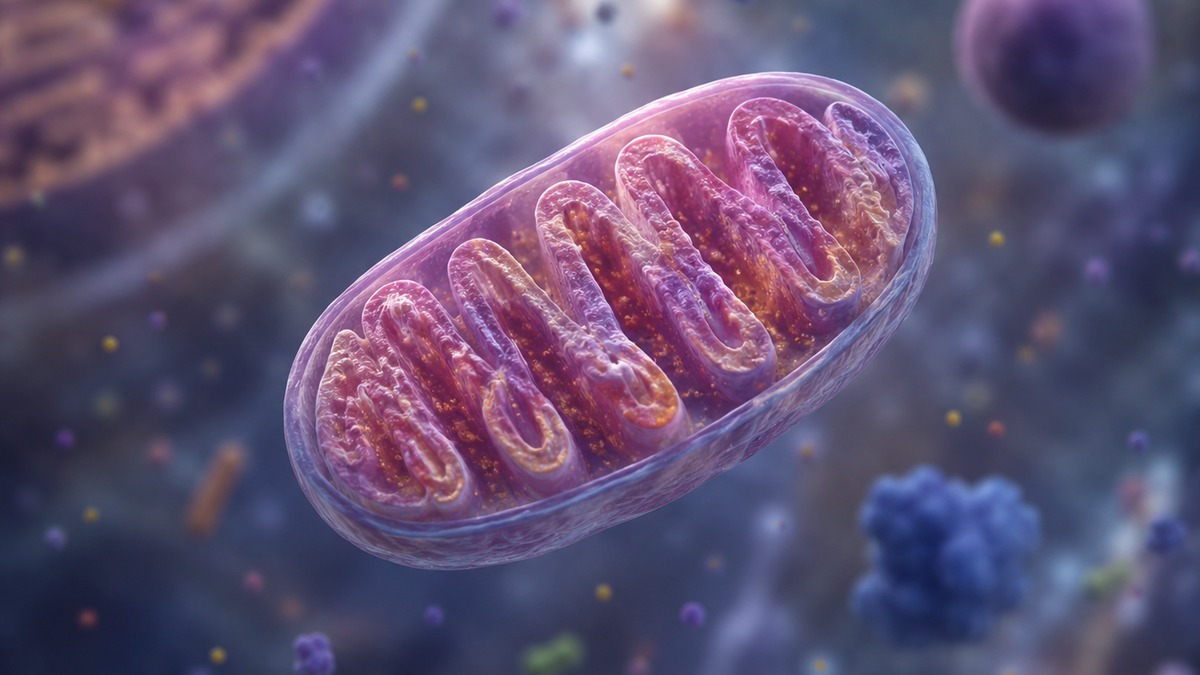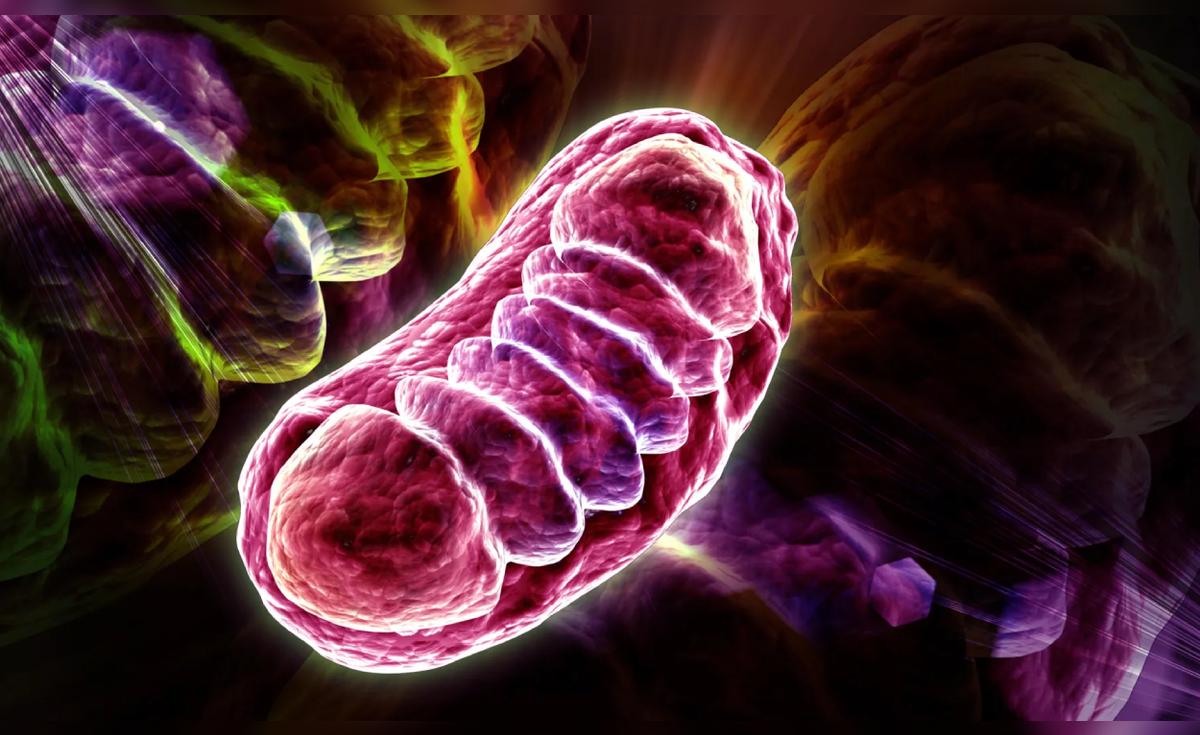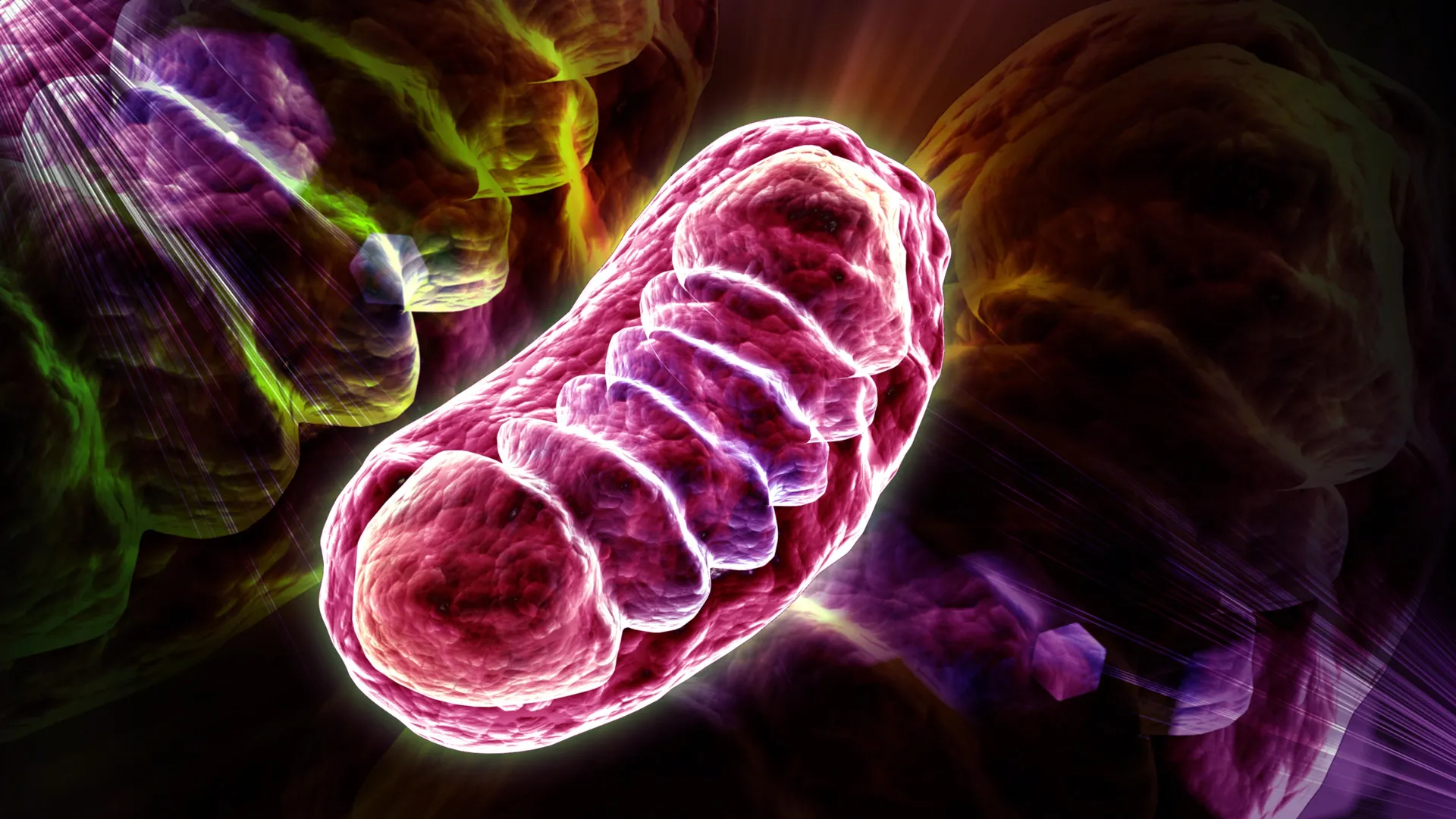
Mitochondria are often called the power plants of the cell because they generate the energy the body needs to function. These tiny structures constantly adjust their activity depending on how much energy cells require. Scientists have long known that nutrients influence this process, but exactly how cells sense and respond to those nutrients has remained unclear.
Now, researchers at the University of Cologne have uncovered a new mechanism showing how the amino acid leucine can enhance mitochondrial performance. Their findings reveal that leucine helps preserve critical proteins involved in energy production, allowing cells to generate energy more efficiently. The study, led by Professor Dr. Thorsten Hoppe from the Institute for Genetics and the CECAD Cluster of Excellence on Aging Research, was published in Nature Cell Biology under the title "Leucine inhibits degradation of outer mitochondrial membrane proteins to adapt mitochondrial respiration."
How Leucine Supports the Cell's Power Plants
Leucine is an essential amino acid, meaning the body cannot produce it on its own and it must come from food. It is commonly found in protein rich foods including meat, dairy products, beans, and lentils. While leucine is already known for its role in building proteins, the new research uncovered another important function.